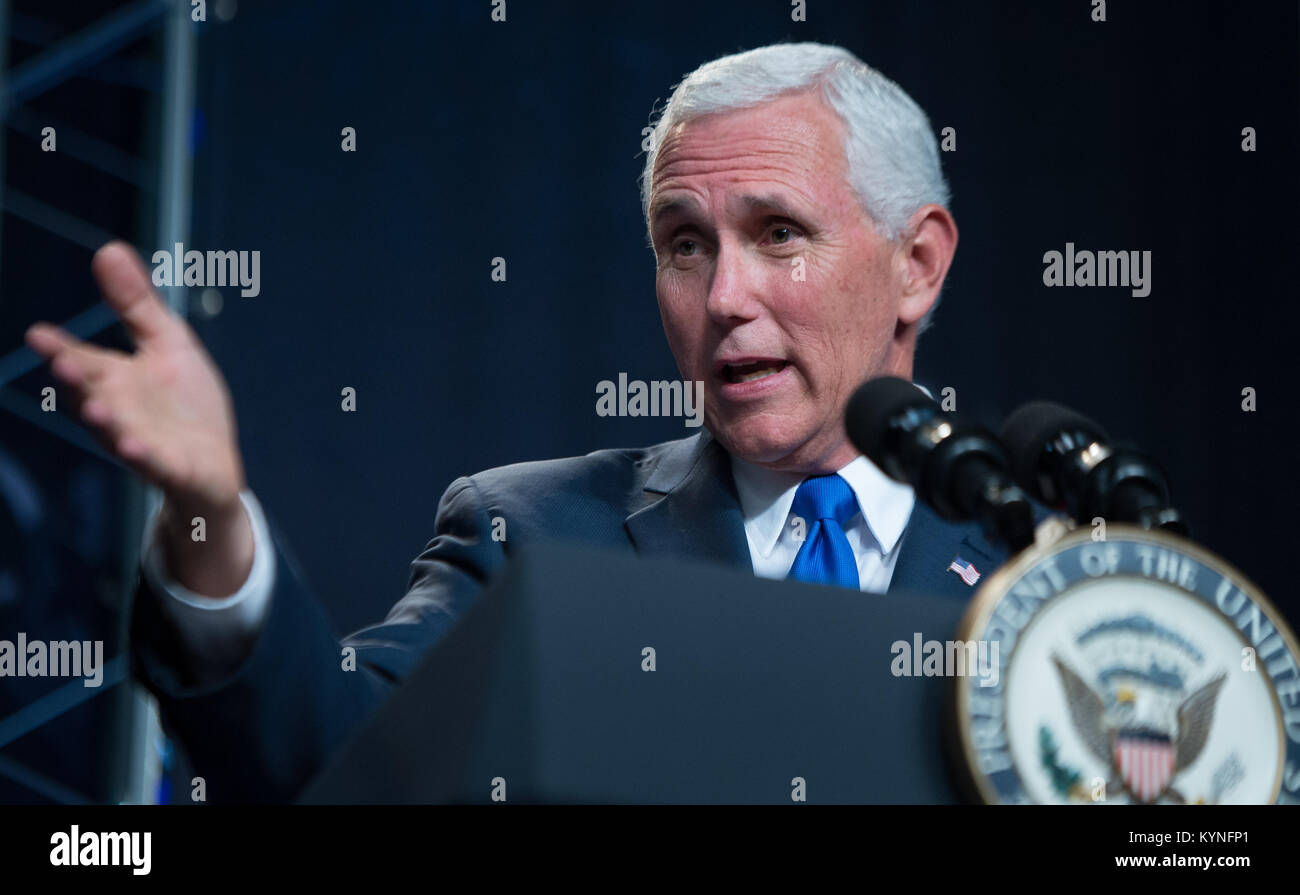
The 2016 United States presidential election featured high-stakes campaigns where major and third-party tickets selected vice presidential running mates to balance geographical representation, ideological breadth, and governing experience. The primary vice presidential nominees were Senator Tim Kaine for the Democratic Party, Governor Mike Pence for the Republican Party, former Governor Bill Weld for the Libertarian Party, and Ajamu Baraka for the Green Party.
Historical Context and Structural Role of Vice Presidential Candidates
The selection of a vice presidential running mate is one of the final major decisions a presidential nominee makes before entering the national election cycle. In the United States electoral system, the vice president plays a constitutional role primarily defined by Article I of the Constitution, which establishes the vice president as the President of the Senate, holding the power to cast tie-breaking votes. Beyond legislative duties, modern vice presidents function as core advisers, surrogates on the campaign trail, and administrative partners to the president.
In 2016, the presidential race between Republican nominee Donald Trump and Democratic nominee Hillary Clinton highlighted deep political polarization. Consequently, the vice presidential picks were heavily scrutinized for their ability to reassure skeptical factions within their respective parties, appeal to swing-state voters, and demonstrate executive readiness. The selection process involved extensive vetting by campaign teams, looking at legislative records, personal finances, public statements, and potential legal or ethical vulnerabilities.
The Constitutional and Statutory Framework
Under the Twelfth Amendment of the U.S. Constitution, electors vote for president and vice president on separate ballots. Historically, parties nominate a presidential candidate who then recommends a running mate, or delegates ratify the choice at the national convention. While presidential candidates weigh various strategic advantages, the ultimate choice reflects a calculation of electoral math, party unity, and governing capability.
Major Party Vice Presidential Nominees in 2016
The two dominant political parties in the United States—the Democrats and the Republicans—selected candidates with contrasting backgrounds to complement their respective presidential nominees.
Democratic Nominee: Senator Tim Kaine
On July 22, 2016, Democratic presidential nominee Hillary Clinton selected Senator Tim Kaine of Virginia as her vice presidential running mate. Kaine's selection was widely viewed as a strategic move to secure the crucial swing state of Virginia and appeal to moderate, independent, and working-class voters.
- Political Background: Tim Kaine served as the mayor of Richmond, Virginia, lieutenant governor of Virginia, governor of Virginia from 2006 to 2010, and later as a U.S. Senator representing Virginia starting in 2013.
- Key Qualifications: His executive experience as governor and his foreign policy background on the Senate Foreign Relations and Armed Services Committees were highlighted by the Clinton campaign as evidence of readiness for national executive office.
- Campaign Role: Kaine campaigned extensively across the American Midwest and South, frequently utilizing his fluency in Spanish to reach Hispanic communities. His debate performance against Mike Pence focused heavily on contrasting Clinton's policy positions with Trump's platform.
Republican Nominee: Governor Mike Pence
On July 15, 2016, Republican presidential nominee Donald Trump selected Governor Mike Pence of Indiana as his vice presidential running mate. Pence was chosen to bridge the gap between Donald Trump, who was viewed by establishment Republicans as an outsider, and the traditional conservative wing of the party, particularly evangelical Christians.
- Political Background: Mike Pence served in the U.S. House of Representatives from 2001 to 2013, eventually rising to become the chairman of the House Republican Conference. He was elected governor of Indiana in 2012, serving from 2013 until January 2017.
- Key Qualifications: Pence brought deep ties to Capitol Hill, legislative experience, and strong conservative credentials on social and economic issues, which reassured party leaders skeptical of Trump's ideological consistency.
- Campaign Role: Pence acted as a steady, disciplined communicator on the campaign trail, serving as a policy explainer and a bridge to conservative donors and voters who valued his traditional political style.
Third-Party and Independent Vice Presidential Candidates
While the major parties dominated media coverage and ballot access, third-party tickets also fielded notable vice presidential candidates who influenced the national debate, particularly among voters dissatisfied with both major nominees.
Libertarian Party: Bill Weld
The Libertarian Party ticket featured former New Mexico Governor Gary Johnson for president and former Massachusetts Governor Bill Weld for vice president, nominated at the Libertarian National Convention in Orlando, Florida, in May 2016.
- Background: Bill Weld served two terms as the Republican governor of Massachusetts from 1991 to 1997, earning a reputation as a fiscal conservative and social liberal.
- Significance: The Johnson-Weld ticket marked the first time in decades that a third-party ticket featured two former governors with executive experience. Weld's moderate stances occasionally generated debate within the Libertarian base, but the ticket sought to appeal to disaffected Republicans and Democrats alike, ultimately securing roughly 3.3% of the popular vote.
Green Party: Ajamu Baraka
The Green Party nominated physician and activist Jill Stein for president, with human rights activist and organizer Ajamu Baraka selected as her vice presidential running mate.
- Background: Ajamu Baraka was a long-time activist, editor, and organizer focusing on human rights, social justice, and anti-war advocacy.
- Significance: Baraka's inclusion emphasized the Green Party's platform centering on systemic economic reform, environmental protection, and a reduction in U.S. military intervention abroad. The Stein-Baraka ticket received approximately 1% of the national popular vote.
Comparative Overview of 2016 Vice Presidential Tickets
The following table summarizes the key candidates, their political backgrounds, and their respective party affiliations during the 2016 U.S. presidential election cycle.
| Ticket / Party | Presidential Nominee | Vice Presidential Nominee | Prior Executive Experience | Primary Strategic Focus |
|---|---|---|---|---|
| Democratic Party | Hillary Clinton | Tim Kaine | Governor of Virginia | Swing-state capture (Virginia), legislative experience |
| Republican Party | Donald Trump | Mike Pence | Governor of Indiana | Evangelical outreach, legislative relations, conservative unity |
| Libertarian Party | Gary Johnson | Bill Weld | Governor of Massachusetts | Fiscal conservatism, social tolerance, executive governance |
| Green Party | Jill Stein | Ajamu Baraka | None (Activism/Organizing) | Progressive reform, environmentalism, anti-war platform |
Campaign Dynamics and Vice Presidential Debates
The 2016 vice presidential campaign followed a rigorous schedule of rallies, fundraising events, and media appearances designed to amplify the top-of-the-ticket messaging. Unlike presidential debates, which often center on broad economic visions and personal temperament, vice presidential debates frequently serve as detailed testing grounds for policy knowledge and defensive parrying of attacks against the presidential nominee.
The sole vice presidential debate of the 2016 cycle took place on October 4, 2016, at Longwood University in Farmville, Virginia. Moderated by Elaine Quijano of CBS News, the debate featured Tim Kaine and Mike Pence exchanging views on foreign policy, tax reform, immigration, and the personal conduct of their respective running mates. Analysts noted that Pence maintained a calm and composed demeanor, which was widely praised by Republican strategists, while Kaine adopted a more aggressive questioning style regarding Trump's tax returns and past statements.
Post-Election Impact and Legacy
Following the victory of the Donald Trump and Mike Pence ticket in the November 8, 2016 election, the administration took office on January 20, 2017. Mike Pence served as the 48th vice president of the United States until January 20, 2021. Tim Kaine returned to the United States Senate, where he continued to represent the Commonwealth of Virginia.
The 2016 vice presidential selection process underscored the enduring reality that running mates are chosen not merely for ideological alignment, but for their ability to complement a presidential candidate's weaknesses, reassure key voting blocs, and navigate the complex electoral landscape of modern American politics.
Frequently Asked Questions
Who were the main vice presidential candidates in the 2016 U.S. election?
The two main major-party vice presidential candidates were Tim Kaine for the Democratic Party and Mike Pence for the Republican Party. Prominent third-party vice presidential candidates included Bill Weld for the Libertarian Party and Ajamu Baraka for the Green Party.
Why was Tim Kaine chosen as Hillary Clinton's running mate?
Tim Kaine was selected primarily to help secure the swing state of Virginia, where he had served as governor and senator, and to appeal to moderate and independent voters through his extensive executive and legislative experience.
Why was Mike Pence chosen as Donald Trump's running mate?
Mike Pence was chosen to bridge the gap between Donald Trump and the traditional conservative wing of the Republican Party. As a former governor and House member with strong ties to evangelical Christians, Pence brought established party credentials and legislative fluency to the ticket.
Did third-party vice presidential candidates impact the 2016 election?
While third-party tickets did not win electoral votes, candidates like Bill Weld and Ajamu Baraka provided an alternative for voters dissatisfied with the major parties, collectively drawing over four percent of the national popular vote and influencing debates on trade, foreign policy, and government spending.
When did the 2016 vice presidential debate take place?
The single televised vice presidential debate between Tim Kaine and Mike Pence took place on October 4, 2016, at Longwood University in Farmville, Virginia.
Conclusion and Next Actions
Understanding the selection and roles of the 2016 vice presidential candidates provides valuable insight into American electoral strategy and executive branch succession. For researchers, historians, and political scientists examining this cycle, reviewing official campaign records, primary debate transcripts, and election results offers a comprehensive view of how running mates influence national outcomes. To explore further, examine the official Federal Election Commission (FEC) federal elections report for 2016 for detailed vote counts and campaign finance disclosures.