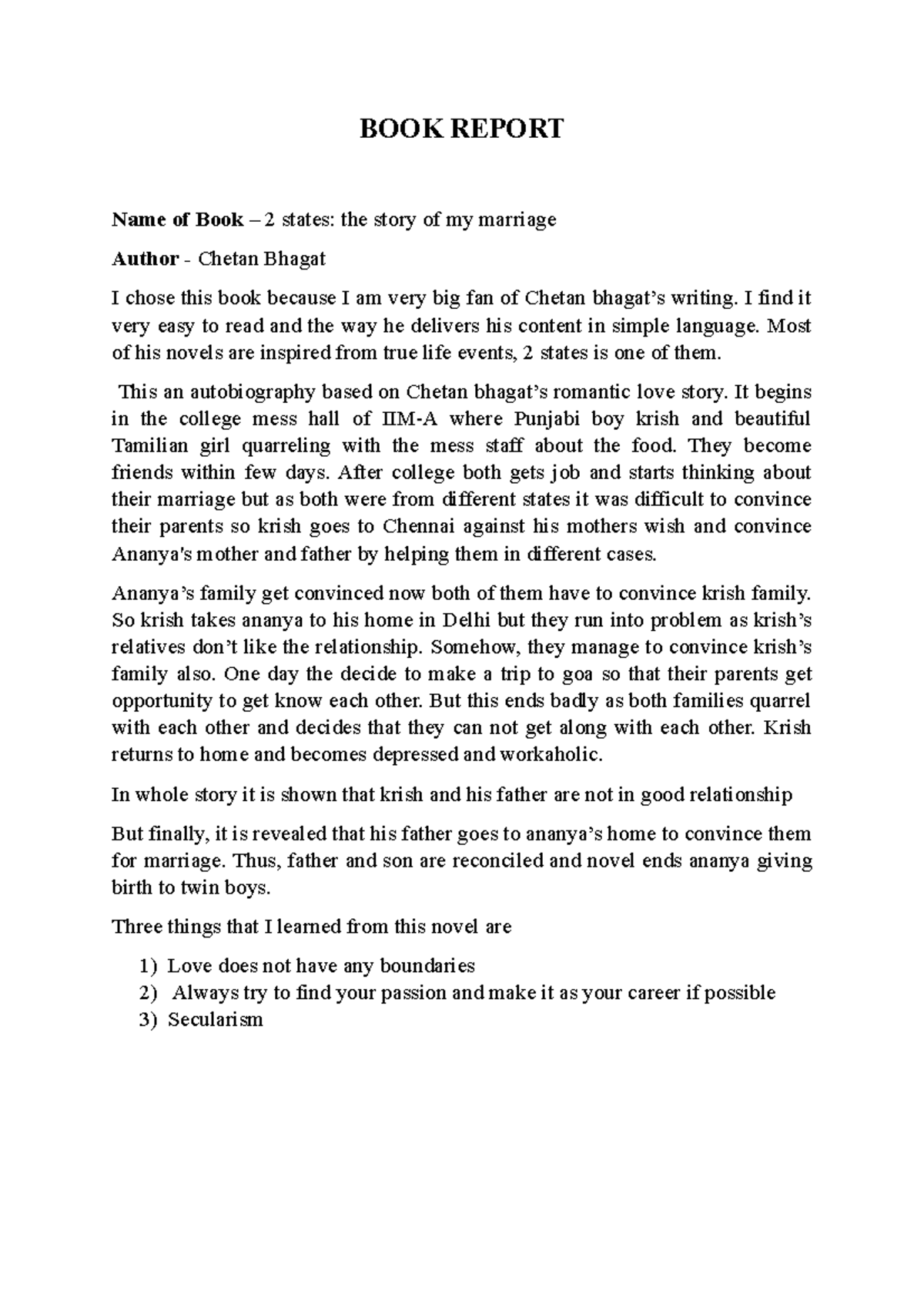
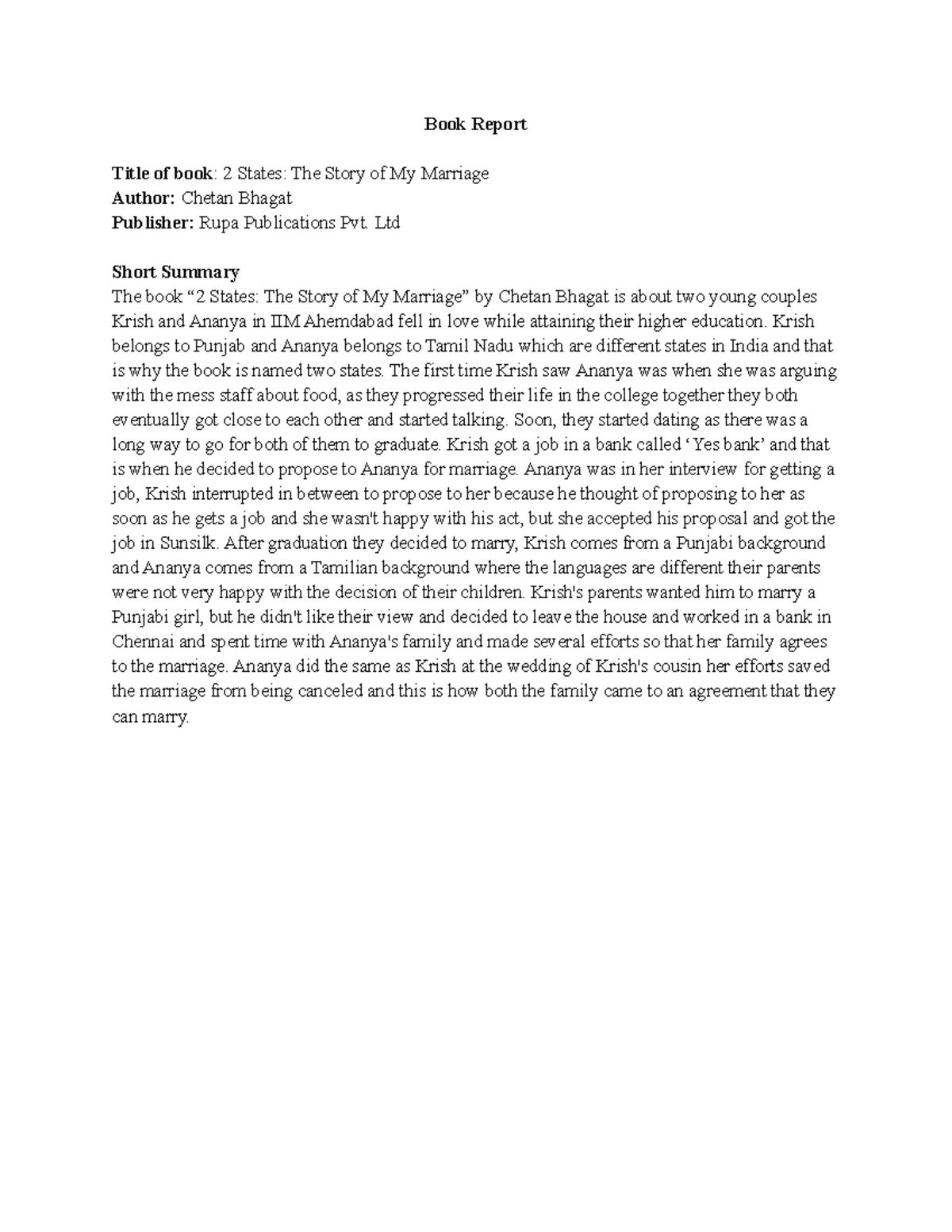
2 States: The Story of My Marriage by Chetan Bhagat is a semi-autobiographical contemporary romance novel that explores the immense cultural challenges, familial negotiations, and emotional perseverance required to unite two people from entirely different Indian states—Punjab and Tamil Nadu.
Published in 2009 by Rupa Publications, 2 States captured the imagination of millions of readers across India and the global diaspora by addressing a universally relatable theme: navigating inter-regional and inter-cultural love in a society where parental approval and traditional community values heavily influence modern marriage. The narrative functions not merely as a lighthearted college romance, but as a sociological mirror reflecting the complexities of regional stereotypes, modern dating dynamics, and the psychological journey of earning the blessing of two deeply conservative families.
The Origins and Semi-Autobiographical Nature of the Story
To understand why 2 States resonates so deeply as a "real love story," one must examine its foundation in reality. Author Chetan Bhagat drew heavily from his own life experiences when crafting the novel. Like the protagonist Krish Malhotra, Bhagat met his future wife, Anusha Sundaresan, while they were students at the Indian Institute of Management (IIM) Ahmedabad.
The cultural friction depicted in the book—spanning culinary differences, linguistic barriers, traditional ceremonies, and deeply ingrained regional prejudices—was drawn from the couple's real-life courtship. By anchoring the fiction in authentic personal struggle, Bhagat elevated the narrative above standard romantic tropes. Readers are presented with a chronicle of real love that does not end with a dramatic college confession, but rather begins with the much harder, real-world work of bridge-building between two culturally opposed households.
Core Characters and Cultural Dichotomy
The narrative engine of 2 States relies on the stark contrast between its two principal characters and their respective families. This cultural dichotomy serves as both a source of comedic relief and a profound obstacle to the central romance.
Krish Malhotra and the Punjabi Household
- The Protagonist: Krish Malhotra is a young corporate professional working in investment banking in Mumbai, originating from a fractured, loud, and expressive Punjabi family based in Delhi.
- The Family Dynamics: Krish bears emotional scars from a turbulent childhood marked by his parents' bitter separation. His mother, Kavita Malhotra, is dramatic, vocal, protective, and deeply suspicious of non-Punjabi traditions. His estranged father represents the archetype of a patriarch whose absence leaves Krish striving for stability and approval.
Ananya Swaminathan and the Tamil Household
- The Protagonist: Ananya Swaminathan is an ambitious, sharp, and self-assured management graduate working in marketing, hailing from an elite, conservative, and intellectual Tamil Brahmin family in Chennai.
- The Family Dynamics: The Swaminathan household values classical music, academic excellence, Carnatic discipline, and traditional customs. Ananya’s parents initially view North Indian culture through a lens of skepticism, fearing loud behavior, lack of cultural refinement, and lifestyle clashes.
The Progression of the Romance: From IIM Ahmedabad to Real-World Conflict
The narrative follows a structured chronological path that mirrors the mounting stakes of the relationship:
- The Campus Romance: The story begins within the high-pressure academic environment of IIM Ahmedabad. Krish and Ananya transition from academic peers to study partners, and eventually to romantic partners, finding solace in each other amidst grueling exams and placement seasons.
- The Graduation and Career Transition: Upon graduation, both secure corporate jobs in Mumbai. They transition from student romance to independent adulthood, solidifying their commitment to marriage.
- The Parental Ultenatum: Rejecting secret marriages or elopement, Krish and Ananya establish a foundational rule: they will only marry if all four parents willingly agree and attend the wedding ceremony together. This sets off the central conflict of the book.
Comparative Analysis: Book vs. Cinematic Adaptation
In 2014, 2 States was adapted into a major Bollywood feature film directed by Abhishek Varman, produced by Karan Johar and Sajid Nadiadwala, starring Arjun Kapoor as Krish and Alia Bhatt as Ananya. While the cinematic adaptation stayed largely faithful to the core plot, notable differences exist between the source text and the screen version.
| Feature Aspect | 2 States (The Novel) | 2 States (The 2014 Film Adaptation) |
|---|---|---|
| Narrative Tone | Introspective, dryly humorous, deeply focused on internal monologues and societal critique. | Visual, fast-paced, high-energy, relying heavily on musical numbers and vibrant set pieces. |
| Characterization of Parents | The parents are portrayed with complex, sometimes abrasive flaws, emphasizing genuine generational friction. | The parents' arcs are slightly polished for cinematic redemption, heightening emotional catharsis. |
| Culinary Elements | Food serves as a subtle metaphor for cultural friction (e.g., idli vs. butter chicken). | Food and household environments are visually exaggerated for stark comedic contrast (Chennai vs. Delhi). |
| Resolution | Achieved through gradual endurance, patience, and shared trauma (the wedding preparations). | Achieved through a dramatic climatic speech and unified family intervention. |
Key Themes Explored in the Real Love Story
1. Breaking Down Regional Stereotypes
One of the book's greatest strengths is its satirical yet affectionate handling of regional stereotypes. Bhagat highlights how North Indians and South Indians often view each other through narrow lenses—punjabi loudness versus south Indian orthodoxy. Through the gradual bonding of the families, the narrative dismantles these prejudices, demonstrating that love and mutual respect transcend geographic boundaries.
2. The Weight of Parental Validation in Asian Marriages
Unlike Western romance narratives where love is strictly a matter between two consenting adults, 2 States underscores the reality of South Asian relationships: marriage is an alliance between families. Krish and Ananya’s refusal to alienate their parents highlights the psychological burden placed on children to honor familial expectations while forging their own paths.
3. Healing Intergenerational Trauma
Beneath the romantic comedy exterior, Krish's journey is heavily tied to his need to heal his relationship with his parents—particularly his father. By attempting to unite his warring parents under one roof for the wedding, Krish confronts his childhood trauma, proving that a real love story requires repairing the foundations from which we came.
Frequently Asked Questions
Is 2 States based on a true story?
Yes, 2 States is a semi-autobiographical novel. Chetan Bhagat drew directly from his own courtship and marriage to his wife, Anusha Sundaresan, capturing the real-world cultural negotiations between their Punjabi and Tamil families.
What are the primary cultural conflicts in the story?
The primary conflicts stem from differences in language, culinary traditions, social etiquette, regional expectations, and the protective skepticism of both the Malhotra and Swaminathan families regarding inter-state marriage.
How does the book address the theme of parental approval?
The central premise of the book revolves around Krish and Ananya's vow not to elope. They refuse to marry until both sets of parents give their unconditional blessing, turning the marriage process into a deliberate campaign of winning over future in-laws.
Where can readers find the book and its film adaptation?
The novel is widely available globally through major booksellers and online publishers. The 2014 film adaptation is available on various digital streaming platforms depending on regional licensing agreements.
Conclusion and Recommendations for Readers
2 States: The Story of My Marriage endures as a defining text of contemporary Indian English literature because it balances lighthearted romance with astute sociological observation. For readers interested in modern relationship dynamics, cross-cultural studies, or the nuances of South Asian family structures, the book offers an engaging and deeply human narrative. To fully appreciate the journey, read the novel to experience the internal psychological depth of the characters, followed by the cinematic adaptation to witness the vibrant visual interpretation of India's enduring cultural mosaic.