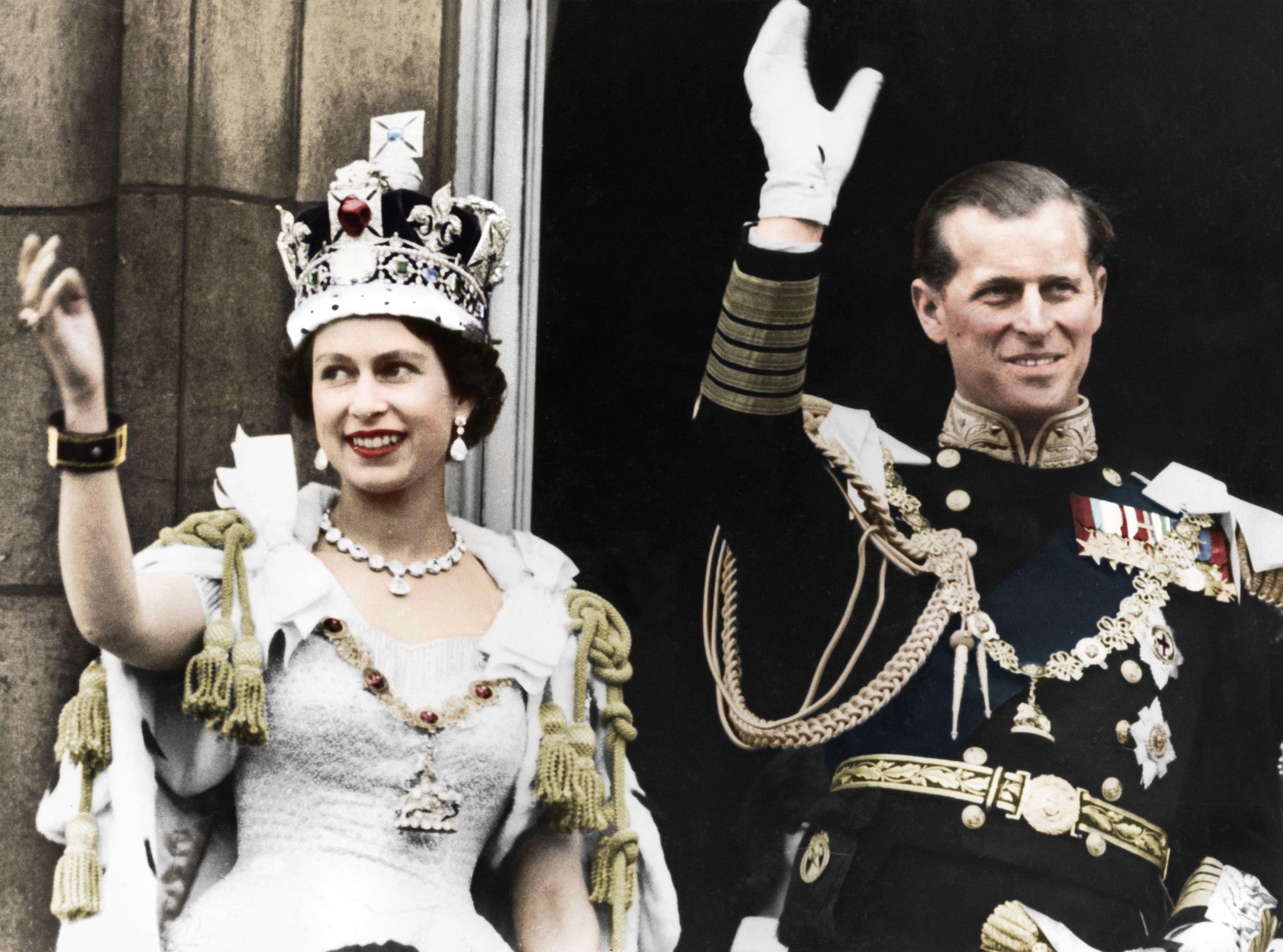
Queen Elizabeth II reigned over the United Kingdom and fifteen other Commonwealth realms from February 6, 1952, until her death on September 8, 2022. Spanning over seven decades, her tenure as monarch witnessed profound geopolitical transformations, decolonization, technological revolutions, and the evolution of the British monarchy from an imperial figurehead into a modern constitutional institution. Her reign remains the longest of any British monarch and one of the longest documented reigns of any sovereign in world history.
Accession to the Throne and Early Life
Born Elizabeth Alexandra Mary Windsor on April 21, 1926, in Mayfair, London, the future queen was not expected to inherit the throne. She was the elder daughter of Prince Albert, Duke of York (later King George VI), and Elizabeth Bowes-Lyon. Her position in the line of succession shifted dramatically in December 1936 when her uncle, King Edward VIII, abdicated the throne to marry Wallis Simpson. Consequently, her father became King George VI, and Princess Elizabeth became the heir presumptive at the age of ten.
Her early life was shaped significantly by the events of the Second World War. Alongside her younger sister, Princess Margaret, she spent much of the war years residing safely at Windsor Castle while her father and mother maintained a visible, morale-boosting presence in London. In 1945, at the age of eighteen, she joined the Auxiliary Territorial Service (ATS), serving as a mechanic and driver under the service number 230873. This military service made her the first female member of the royal family to serve as a full-time active member of the armed forces.
On November 20, 1947, she married Lieutenant Philip Mountbatten, a former Greek and Danish prince who was created Duke of Edinburgh on the eve of their wedding. The marriage produced four children: Charles (subsequently King Charles III), Anne, Andrew, and Edward.
The turning point of her life occurred on February 6, 1952. While she and Prince Philip were staying at the Treetops Hotel in Kenya on a royal tour representing her ailing father, King George VI passed away in his sleep at Sandringham House. Elizabeth was abruptly informed of her accession while abroad, instantly becoming queen at the age of twenty-five. Her coronation took place more than a year later, on June 2, 1953, at Westminster Abbey. Notably, it was the first British coronation to be televised on a mass scale, bringing the ancient ritual into millions of British homes and global television sets.
Constitutional Role and the Modern Monarchy
The monarch of the United Kingdom occupies a unique position in modern constitutional governance. Operating under an uncodified constitution, Queen Elizabeth II held executive, legislative, and judicial powers nominally, while conventions dictated that she act exclusively on the advice of her ministers and Parliament. Her primary constitutional duties included:
- The Royal Assent: The formal approval required for any bill passed by Parliament to become law. Although royal assent has not been refused since 1707 under Queen Anne, it remained a vital constitutional checkpoint.
- Appointment of the Prime Minister: Following a general election, the sovereign summons the leader of the political party capable of commanding a majority in the House of Commons to form a government. During her reign, she appointed fifteen prime ministers, beginning with Winston Churchill in 1952 and concluding with Liz Truss in September 2022.
- Weekly Audiences: For the entirety of her reign, save for periods of illness, the Queen maintained a confidential weekly meeting with the incumbent prime minister to discuss government affairs.
- Prerogative Powers: Powers such as the dissolution of Parliament, the declaration of war, and the ratification of treaties were exercised in her name, though constitutionally bound to ministerial guidance.
Beyond domestic governance, she served as the Head of the Commonwealth, an association of 56 independent member states. Unlike the realms where she remained head of state, the Commonwealth included republics and realms alike, and her role as its leader was a testament to her diplomatic dedication. She traveled extensively throughout her reign, undertaking hundreds of official state visits that cemented diplomatic ties during the Cold War and the post-colonial era.
Milestones and Historical Context of the Reign
Evaluating a reign that extended for seventy years and seven months requires examining the distinct eras through which the institution evolved. The following chronological table outlines key milestones during her tenure:
| Year / Period | Historical Milestone | Significance to the Monarchy |
|---|---|---|
| 1953 | Coronation at Westminster Abbey | The first major global broadcast event, modernizing the monarchy's public visibility. |
| 1965 | State visit to West Germany | The first official visit by a British monarch to Germany since 1913, signaling post-WWII reconciliation. |
| 1977 | Silver Jubilee | Marked 25 years on the throne, celebrated with nationwide street parties and public affection. |
| 1992 | Annus Horribilis (Year of Horrors) | Characterized by fires at Windsor Castle and the public breakdown of three of her children's marriages. |
| 1997 | Death of Diana, Princess of Wales | Triggered a period of national mourning and public criticism of the royal family's initial reticence. |
| 2002 | Golden Jubilee | Celebrated amid the personal losses of her mother and sister, reaffirming public support. |
| 2011 | State visit to the Republic of Ireland | The first British monarch to visit independent Ireland, marking a historic step toward Anglo-Irish reconciliation. |
| 2015 | Surpassing Queen Victoria's Reign | Became the longest-reigning monarch in British history on September 9, 2015. |
| 2021 | Death of Prince Philip | Marked the passing of her husband of 73 years during the restrictions of the COVID-19 pandemic. |
| 2022 | Platinum Jubilee and Passing | Celebrated 70 years on the throne in June; passed away on September 8 at Balmoral Castle. |
Public Perception and Crisis Management
Queen Elizabeth II’s tenure was marked by a strict adherence to political neutrality. She rarely gave interviews, and her personal political opinions remained private. This steadfast impartiality was widely credited with preserving the monarchy's survival through decades of profound social and cultural upheaval, including the rise of secularism, changing family structures, and economic instability.
However, the institution faced severe public relations crises, most notably following the death of Diana, Princess of Wales, in September 1997. The initial perception that the royal family remained distant and cold while the nation grieved prompted a rare public address by the Queen, broadcast live, in which she paid tribute to Diana as an "exceptional and gifted human being." This pivot helped restore public alignment between the monarchy and the British populace.
Later in life, her understated leadership during the COVID-19 pandemic—exemplified by her televised address invoking the wartime phrase "We will meet again"—reinforced her status as a symbol of national continuity and endurance.
Succession and Legacy
Queen Elizabeth II died on September 8, 2022, at Balmoral Castle in Scotland at the age of ninety-six. Her passing triggered Operation London Bridge, a meticulously planned protocol detailing the national mourning period and state funeral, which took place on September 19, 2022, at Westminster Abbey.
Upon her death, her eldest son immediately acceded to the throne as King Charles III. Her legacy endures not only through the constitutional stability she maintained during a volatile century, but also through the fundamental transformation of the British monarchy into a transparent, adaptable institution capable of surviving modern scrutiny.
Frequently Asked Questions
How long was Queen Elizabeth II's reign?
Queen Elizabeth II reigned for 70 years and 214 days. Her reign began upon the death of her father, King George VI, on February 6, 1952, and concluded with her death on September 8, 2022. This makes her the longest-reigning British monarch in history.
How many prime ministers served under Queen Elizabeth II?
Fifteen prime ministers served under Queen Elizabeth II during her seventy-year reign. Winston Churchill was her first prime minister in 1952, and Liz Truss was her final prime minister, appointed just two days before the Queen's death in September 2022.
Was Queen Elizabeth II the head of state for countries other than the United Kingdom?
Yes. In addition to the United Kingdom, she served as head of state for fourteen other Commonwealth realms at the time of her death, including Canada, Australia, New Zealand, Jamaica, and Papua New Guinea. Each realm operated as an independent, sovereign nation sharing the same monarch.
What was the Queen's role during World War II?
Before ascending the throne, Princess Elizabeth joined the Auxiliary Territorial Service (ATS) in 1945 at the age of eighteen. She trained as a mechanic and military truck driver, making her the first female member of the royal family to serve as a full-time active member of the armed forces.
What happened to the British monarchy after her death?
Upon her passing, the Crown passed immediately to her eldest son, Charles, who assumed the regnal name King Charles III. The line of succession continued with Prince William, Prince of Wales, as the next in line to the throne.