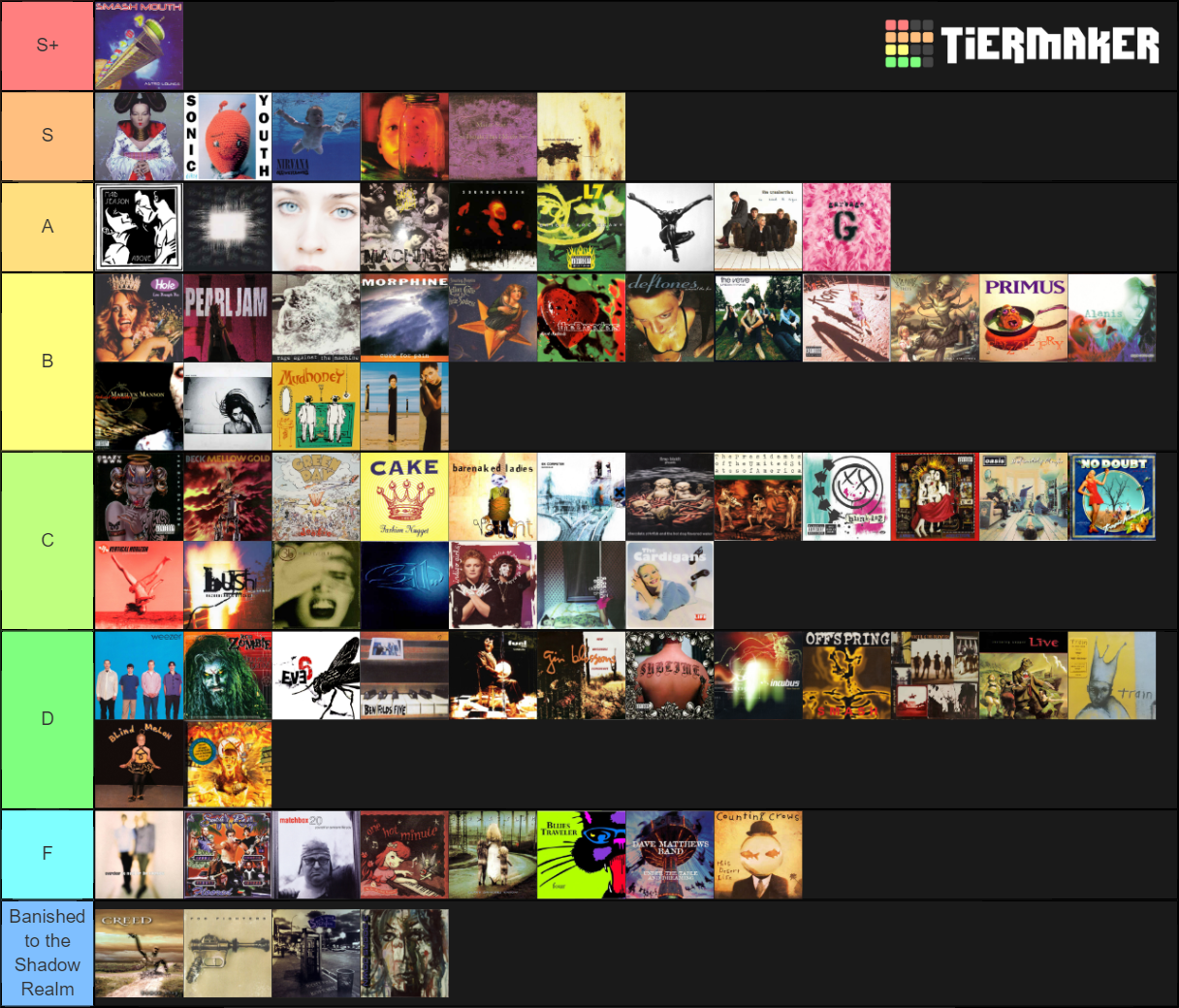
The 1990s was one of the most creatively fractured, commercially explosive, and culturally defining decades in the history of popular music, birthing subgenres that ranged from the angst-ridden underground of Seattle grunge to the polished stadium anthems of Britpop and the electronic rhythms of big beat. Navigating this vast landscape requires a structured framework, starting with a comprehensive A-to-Z overview that maps out the essential groups, explores their historical impact, analyzes their chart success, and ranks their cultural permanence across the rock, alternative, and pop spectrums.
The 1990s Musical Landscape: Context and Evolution
Before examining the alphabetical roster of artists who shaped the decade, it is essential to understand the structural shifts that occurred between 1990 and 1999. The decade began under the heavy influence of late-80s hair metal and synth-pop, but this landscape was violently upended in late 1991 with the mainstream breakthrough of alternative rock. Independent labels transformed into major-label powerhouses, college radio became a primary tastemaker, and MTV evolved from a video-broadcast utility into a dominant cultural force through programs like 120 Minutes and Alternative Nation.
Simultaneously, regional scenes developed distinct identities that resisted homogenization. The Pacific Northwest produced grunge, the United Kingdom answered with the guitar-driven optimism and social commentary of Britpop, and the industrial centers of the American Midwest and East Coast fostered aggressive electronic rock and rap-metal hybrids. Understanding these movements provides the necessary context for why certain bands achieved massive commercial saturation while others maintained cult status, both of which are reflected in the definitive rankings below.
Alphabetical A to Z Guide: Essential 90s Bands
The following directory compiles foundational groups from the 1990s, organized alphabetically. Each entry details the band's formation era, primary genre classification, key commercial milestones, and historical significance.
A to C: From Alternative Pioneers to Commercial Giants
- Alice in Chains: Emerging from Seattle, Washington, in 1987, Alice in Chains combined heavy metal sludge with dark, introspective lyricism and signature vocal harmonies between Layne Staley and Jerry Cantrell. Their 1992 album Dirt remains a cornerstone of the decade's heavy alternative sound.
- Blur: Formed in London in 1988, Blur spearheaded the Britpop movement alongside rival band Oasis. Their albums Parklife (1994) and The Great Escape (1995) captured contemporary British social anxieties with witty, art-rock-inflected instrumentation.
- The Cranberries: Hailing from Limerick, Ireland, and fronted by the late Dolores O'Riordan, the band achieved global success with their 1993 debut Everybody Else Is Doing It, So Why Can't We?, driven by O'Riordan’s distinctive yodel-inflected vocals and jangle-pop guitar hooks.
- The Cure: Although formed in the late 1970s, The Cure defined much of the 90s alternative aesthetic, releasing their critically acclaimed commercial peak Wish in 1992, featuring the global radio hit "Friday I'm in Love."
D to H: Grunge, Britpop, and Industrial Waves
- Depeche Mode: This English electronic band achieved their commercial peak in the early-to-mid 1990s, particularly with 1990's Violator and 1993's Songs of Faith and Devotion, proving that synthesizer-based music could command packed stadiums worldwide.
- Foo Fighters: Formed in 1994 by former Nirvana drummer Dave Grohl as a one-man recording project, the band evolved into one of the most reliable and commercially dominant arena-rock institutions of the late 90s and beyond, anchored by melodic post-grunge anthems.
- Green Day: Alongside fellow Californians offspring and Rancid, Green Day brought punk rock back to the Billboard charts with their 1994 major-label debut Dookie, selling over 20 million copies worldwide and inspiring a mid-90s pop-punk boom.
- Hole: Fronted by Courtney Love, Hole delivered a visceral brand of alternative rock and grunge-inflected punk, achieving critical and commercial success with 1994's Live Through This and 1998's polished rock record Celebrity Skin.
I to P: Alternative Radiowave Dominance
- Janes Addiction: Though their most influential work dropped at the very tail end of the 1980s, their creation of the Lollapalooza festival in 1991 fundamentally shaped the touring circuit and counter-culture infrastructure of the 90s alternative music scene.
- Korn: Formed in Bakersfield, California, in 1993, Korn pioneered the nu-metal genre by combining heavy, drop-tuned guitar riffs, hip-hop rhythmic pacing, and Jonathan Davis's anguished vocal delivery on their self-titled 1994 debut.
- Metallica: While achieving superstardom in the 1980s as thrash metal pioneers, Metallica dominated the 90s commercial landscape through 1991's self-titled "Black Album" and their subsequent heavy-rock releases Load (1996) and Reload (1997).
- Nirvana: The undisputed catalyst of 90s alternative rock, the Aberdeen, Washington trio led by Kurt Cobain dismantled the hair metal era with 1991's Nevermind, turning underground punk and indie rock into a global mainstream phenomenon.
- Oasis: Formed in Manchester in 1991, the Gallagher brothers led the Britpop charge with swaggering, Beatles-esque rock anthems, culminating in their blockbuster 1995 album (What's the Story) Morning Glory?.
- Pearl Jam: Another foundational Seattle band, Pearl Jam balanced massive commercial success with fierce artistic independence. Their 1991 debut Ten became one of the best-selling rock albums of all time.
- Pixies: Though inactive for much of the mid-to-late 90s, the Pixies' dynamic loud-quiet-loud song structure heavily influenced almost every major alternative rock band of the decade, from Nirvana to Weezer.
Q to Z: Post-Grunge, Trip-Hop, and Alternative Pop
- Radiohead: Transitioning from melodic alternative rock on 1993's Pablo Honey to avant-garde art rock with 1995's The Bends and the genre-redefining electronic masterpiece OK Computer (1997), Radiohead defined the artistic evolution of the decade's close.
- Rage Against the Machine: Combining heavy funk-metal riffs with radical leftist politics and Zack de la Rocha's aggressive rap-rock vocal delivery, the Los Angeles quartet released their landmark self-titled debut in 1992.
- Red Hot Chili Peppers: The Los Angeles funk-rockers achieved global superstardom in 1991 with Blood Sugar Sex Magik, later refining their melodic alternative style on 1999's multi-platinum album Californication.
- Smashing Pumpkins: Led by Billy Corgan, Chicago's Smashing Pumpkins merged gothic rock, heavy metal, and psychedelic pop on monumental records like 1993's Siamese Dream and 1995's double album Mellon Collie and the Infinite Sadness.
- Soundgarden: The third pillar of the Seattle big three, Soundgarden blended heavy metal aggression with psychedelic blues and Chris Cornell’s staggering four-octave vocal range, earning global acclaim with 1994's Superunknown.
- Tool: Formed in Los Angeles in 1990, Tool brought progressive metal into the alternative mainstream through complex polyrhythms, dark philosophical themes, and visually arresting claymation music videos.
- Weezer: Fronted by Rivers Cuomo, Weezer introduced geek-chic power pop to the alternative landscape with their 1994 self-titled "Blue Album," driven by crunchy guitars and emotionally vulnerable lyricism.
Comparative Analysis of 90s Band Tiers
To evaluate these influential groups effectively, the table below categorizes major 90s bands by their commercial reach, critical standing, and primary subgenre influence.
| Band Name | Primary Subgenre | Peak Commercial Era | Key Defining Album | Cultural Permanence Rating |
|---|---|---|---|---|
| Nirvana | Grunge / Alternative Rock | 1991–1994 | Nevermind (1991) | Maximum (Definitive 90s Icon) |
| Radiohead | Art Rock / Alternative | 1995–1997 | OK Computer (1997) | Maximum (Critical Pinnacle) |
| Pearl Jam | Arena Rock / Grunge | 1991–1996 | Ten (1991) | High (Enduring Tour Legacy) |
| Oasis | Britpop | 1994–1997 | (What's the Story) Morning Glory? (1995) | High (Cultural Phenomenon in UK) |
| Green Day | Pop-Punk | 1994–1997 | Dookie (1994) | High (Revitalized Punk) |
| Smashing Pumpkins | Alternative / Psychedelic | 1993–1995 | Siamese Dream (1993) | Moderate-High (Sonic Blueprint) |
| Rage Against the Machine | Rap-Metal / Funk Rock | 1992–1999 | Rage Against the Machine (1992) | High (Political Rock Standard) |
Key Factors in 90s Band Rankings and Critical Reception
Evaluating bands from this era involves balancing raw sales figures with long-term artistic impact. A band that dominated the charts in 1993 may not hold the same critical respect today, while cult acts that sold modest numbers often provided the foundational building blocks for 21st-century indie rock.
Commercial Saturation vs. Critical Longevity
Commercial metrics in the 1990s were measured through physical media sales (cassettes and compact discs) and radio airplay monitored by systems like Billboard and SoundScan (introduced in 1991). SoundScan revolutionized industry data by tracking actual point-of-sale numbers rather than relying on store owner estimates, revealing that alternative and hip-hop genres were selling far more records than major labels previously reported. Bands like Pearl Jam and Metallica achieved multi-platinum status across multiple continents, securing their financial legacy. However, critical longevity is often measured differently—frequently by how modern artists sample, cover, or cite these 90s groups as direct influences.
Regional Scene Dynamics
The decade was defined by geographic hubs that fostered distinct sonic signatures:
- Seattle, Washington: Incubator for grunge, characterized by dropped guitar tunings, flannel aesthetics, and themes of alienation and social displacement.
- Manchester and London, England: Centers for Britpop, which drew heavily on 1960s British invasion melodies while celebrating working-class British identity.
- Southern California: A melting pot for skate punk, funk-rock, and nu-metal, blending aggressive rhythms with sunny hedonism or suburban angst.
Common Misconceptions About 90s Music
When analyzing the musical output of this decade, several historical inaccuracies frequently surface among modern listeners and casual music historians.
- The Myth of Instant Grunge Dominance: While Nirvana's Nevermind knocked Michael Jackson's Dangerous off the top of the Billboard 200 in early 1992, hair metal bands and adult contemporary pop acts continued to dominate radio playlists for several months afterward. The transition was a gradual corporate and cultural pivot rather than an overnight revolution.
- Britpop Was Merely Oasis vs. Blur: While the British music press heavily manufactured the "Battle of Britpop" between Oasis and Blur in 1995, the movement encompassed dozens of diverse bands, including Suede, Pulp, Elastica, and Supergrass, each with distinct artistic goals.
- Alternative Rock Was Entirely Depressing: While lyrical themes frequently addressed depression, addiction, and socio-political frustration, the decade also produced massive waves of joyful, high-energy pop-punk, ska revival, and upbeat alternative rock that contrasted sharply with the stereotypical gloomy grunge narrative.
Frequently Asked Questions
What was the best-selling rock album of the 1990s?
The best-selling rock album of the decade in the United States is Alanis Morissette's Jagged Little Pill (1995), which sold over 16 million copies domestically and 33 million worldwide. Among traditional guitar bands, Metallica's self-titled 1991 album and Nirvana's Nevermind (1991) led global shipments, both selling well over 30 million copies worldwide across their lifespans.
How did SoundScan change the 1990s music industry?
Introduced in 1991, SoundScan tracked actual barcode scans at retail checkouts rather than relying on manual reports from record store managers. This technological shift instantly exposed the massive, under-reported consumer demand for alternative rock, hip-hop, and country music, forcing major record labels to sign underground and alternative acts previously ignored by corporate executives.
Which 90s bands are considered part of the "Big Four" of grunge?
The "Big Four" of the Seattle grunge movement generally comprise Nirvana, Pearl Jam, Soundgarden, and Alice in Chains. While other bands like Mudhoney and Temple of the Dog were integral to the scene's development, these four achieved the highest levels of global commercial success and cultural influence.
Why is 1991 considered such an important year in music history?
The year 1991 is widely regarded as a watershed moment because it marked the simultaneous release of several generation-defining albums that reshaped popular culture. These included Nirvana's Nevermind, Pearl Jam's Ten, Metallica's "Black Album," Soundgarden's Badmotorfinger, and Red Hot Chili Peppers' Blood Sugar Sex Magik.
Conclusion and Next Actions
The 1990s established a diverse blueprint for modern rock and alternative music, proving that raw underground expression could successfully merge with massive global distribution. To deepen your exploration of this era, consider auditing full album discographies chronologically rather than relying strictly on greatest-hits compilations, paying close attention to how production styles shifted between the analog warmth of the early 90s and the polished digital compression of the decade's closing years.