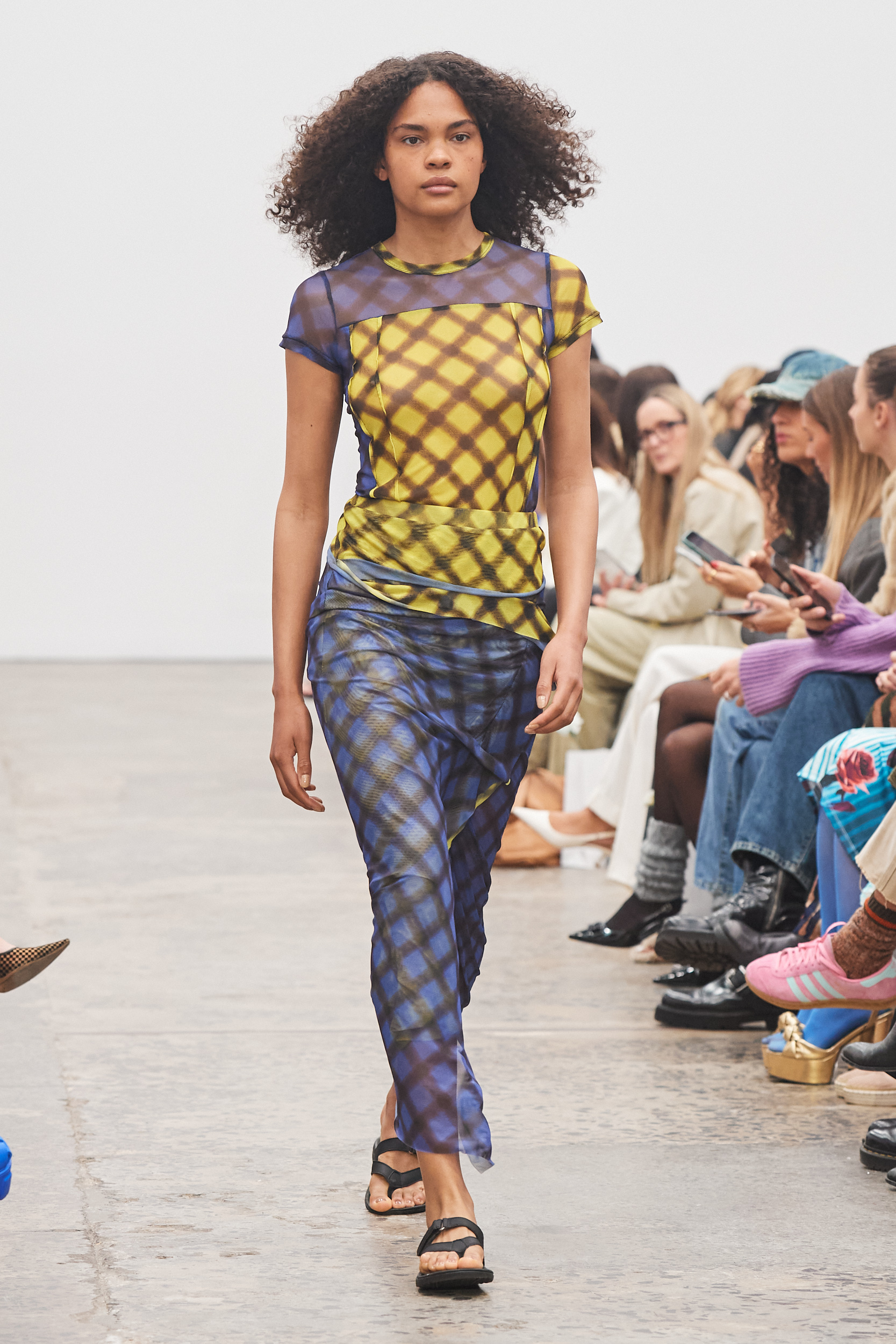
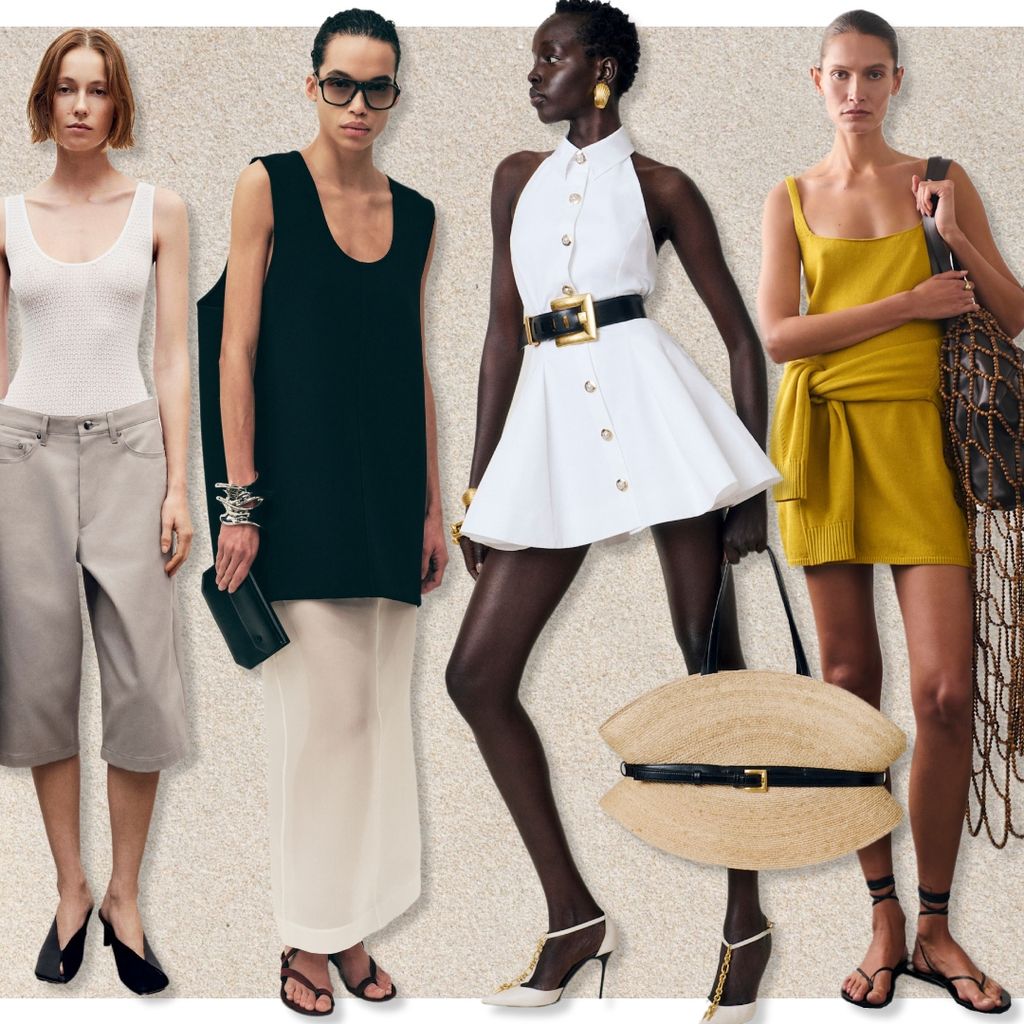
The 2025 fashion landscape represents a pivotal intersection of archival revivalism, hyper-functional utility, and material innovation. Defined by a departure from micro-trend volatility, the year prioritized longevity through "quiet luxury" silhouettes, the integration of bio-synthetic textiles, and a strategic return to structured, high-tailoring techniques that emphasize garment lifespan over rapid consumption.
The Architecture of 2025 Style
To understand the trajectory of 2025 fashion, one must first recognize that the industry shifted away from the frantic pace of the early 2020s. Where previous years were characterized by the "core-core" trend cycles facilitated by short-form video platforms, 2025 moved toward a deliberate, curated approach to personal style. This shift was largely driven by a renewed focus on "investment pieces"—garments constructed from higher-grade natural fibers (such as GOTS-certified organic cotton, alpaca, and recycled wool) designed to withstand multiple years of wear.
The structural silhouette of the year leaned heavily into oversized tailoring, characterized by strong, padded shoulders and cinched waists. This created a visual language of "power dressing" that transitioned seamlessly from office environments to casual settings. The revival of mid-century minimalism—specifically the influences of 1990s intellectual fashion—meant that neutral palettes dominated the luxury and mid-market sectors, favoring shades of slate, charcoal, espresso, and butter-cream over the high-saturation neons seen in previous cycles.
Material Science and Textile Evolution
A defining technical aspect of 2025 was the scaling of laboratory-grown and circular textiles. As sustainability regulations tightened across major markets, fashion houses and independent labels integrated materials that reduced reliance on virgin plastics.
The Rise of Bio-Synthetics
The industry saw a measurable increase in the adoption of mushroom-based leathers (mycelium) and cactus-derived materials. These were not merely experimental; by 2025, they were being produced at a scale sufficient to supply accessories lines for major global brands. The key advantage of these materials was their durability profile, which matched traditional bovine leather while maintaining a significantly lower carbon footprint during the manufacturing process.
Circularity and Upcycling Protocols
By 2025, the concept of "circularity" matured from a marketing buzzword into a standard operational requirement. Brands began implementing digital product passports—a technology that allows a consumer to scan a garment’s label to view its entire supply chain, from the origin of the raw material to the factory where it was assembled. This transparency served as a benchmark for quality and ethical labor practices, forcing manufacturers to standardize their documentation processes.
Comparison of 2025 Trend Categories
The following table categorizes the dominant fashion segments of 2025, identifying their primary features and the target consumer utility.
| Category | Primary Feature | Consumer Utility |
|---|---|---|
| Architectural Tailoring | Structured shoulders, precise fits | Professional durability and aesthetic authority |
| Utility/Tech-Wear | Modular pockets, waterproof seams | High-performance movement, weather adaptability |
| Archival Revival | 1990s/2000s silhouettes | Brand equity, nostalgic design value |
| Bio-Fabrication | Mycelium leather, recycled fibers | Ethical consumption, reduced environmental impact |
The Functional Shift: Utility and Performance
Functional clothing in 2025 shed the "gorpcore" aesthetic of the recent past in favor of refined, urban-ready utility. The main problem solved by this trend was the need for garments that functioned in both extreme urban commutes and professional environments.
Designers integrated hidden storage solutions and articulated joints into everyday blazers and trousers. This was not a move toward sportswear, but rather the elevation of technical manufacturing techniques for standard ready-to-wear items. The incorporation of water-resistant coatings on wool fabrics, for example, allowed for a garment that appeared traditional but performed in inclement weather, effectively reducing the need for multiple layers or specialized gear.
Managing the Modern Wardrobe: Practical Guidance
Developing a wardrobe aligned with the standards established in 2025 requires a strategic approach to acquisition and maintenance. The goal is to move from a volume-based wardrobe to a value-based one.
- Conduct an Inventory Audit: Assess existing items for repair potential rather than replacement. In 2025, the culture of "visible mending"—repairing garments in a way that highlights the stitch—became an acceptable and even celebrated aesthetic choice.
- Prioritize Modular Layers: Invest in base, mid, and outer layers that interact visually. A high-quality wool coat should be able to cover a structured blazer, which in turn should be able to cover a high-neck knit, creating a seamless silhouette.
- Verify Material Content: When shopping, prioritize labels that disclose the exact fiber composition. Avoid blends with high percentages of elastane or low-grade synthetics, as these significantly shorten the lifespan of the garment due to fiber degradation.
- Maintenance as Preservation: Following care labels is critical. For high-quality garments, dry cleaning should be minimized; instead, opt for professional steam cleaning or airing out garments to preserve the structural integrity of natural fibers.
Common Pitfalls in Wardrobe Curation
Many consumers in 2025 faced challenges when transitioning to this more intentional style. One frequent mistake was the attempt to force a "minimalist" aesthetic without considering individual lifestyle requirements. A wardrobe must be functional; if a person requires frequent movement, a hyper-structured garment might be impractical regardless of its visual appeal.
Another common issue was the misinterpretation of "sustainable" fashion as inherently expensive. While many high-end brands command a premium for natural materials, the secondary market (vintage and resale) grew significantly in 2025. Leveraging resale platforms allowed consumers to access high-quality archival pieces at a lower entry cost, effectively democratizing access to high-tier garments.
Frequently Asked Questions
What defined the color palette of 2025? The 2025 palette was anchored in "monochrome earth." This involved layering shades of brown, taupe, and deep charcoal. The absence of high-contrast colors allowed for easier wardrobe mixing and matching, emphasizing the importance of texture and fabric weight over color-blocking.
Is high-end fashion becoming more sustainable, or is it "greenwashing"? The 2025 industry was split. While many brands utilized vague sustainability claims, those that adopted digital product passports and third-party certifications (such as the Global Recycled Standard) provided verifiable proof. Consumers were encouraged to look for these specific certifications rather than general statements like "eco-friendly."
How did footwear change in 2025? Footwear moved toward "crossover silhouettes." This meant hybrid shoes that combined the comfort of a sneaker sole with the aesthetic of a leather loafer or boot. This trend was designed to solve the problem of urban fatigue for commuters who spend long hours on their feet.
What is the role of digital fashion in 2025? Digital fashion, while present, shifted from being a standalone product to a secondary service. Brands used digital twins to allow customers to verify authenticity, track the life cycle of a garment, and, in some cases, visualize how a piece would fit before purchase, thereby reducing return rates and shipping-related waste.
How can one start building a 2025-style wardrobe on a budget? The most effective way to start is by identifying the three essential pieces of the year: a structured blazer, a pair of wide-leg trousers, and a high-quality knit. Focus on acquiring these in neutral tones through resale markets, ensuring you prioritize natural fibers that can be tailored for a custom fit.
Recommendation for Next Steps
To successfully navigate the fashion standards of 2025, prioritize quality over frequency of purchase. Start by identifying the most frequently worn items in your current collection and replacing them, as they wear out, with versions made from more durable, higher-grade natural fibers. Seek out garments with structural integrity—meaning they can hold their shape without excessive maintenance—and focus on building a cohesive color palette that simplifies daily decision-making. By treating your wardrobe as a long-term asset rather than a consumable, you align your style with the prevailing industry movement toward longevity and functional design.