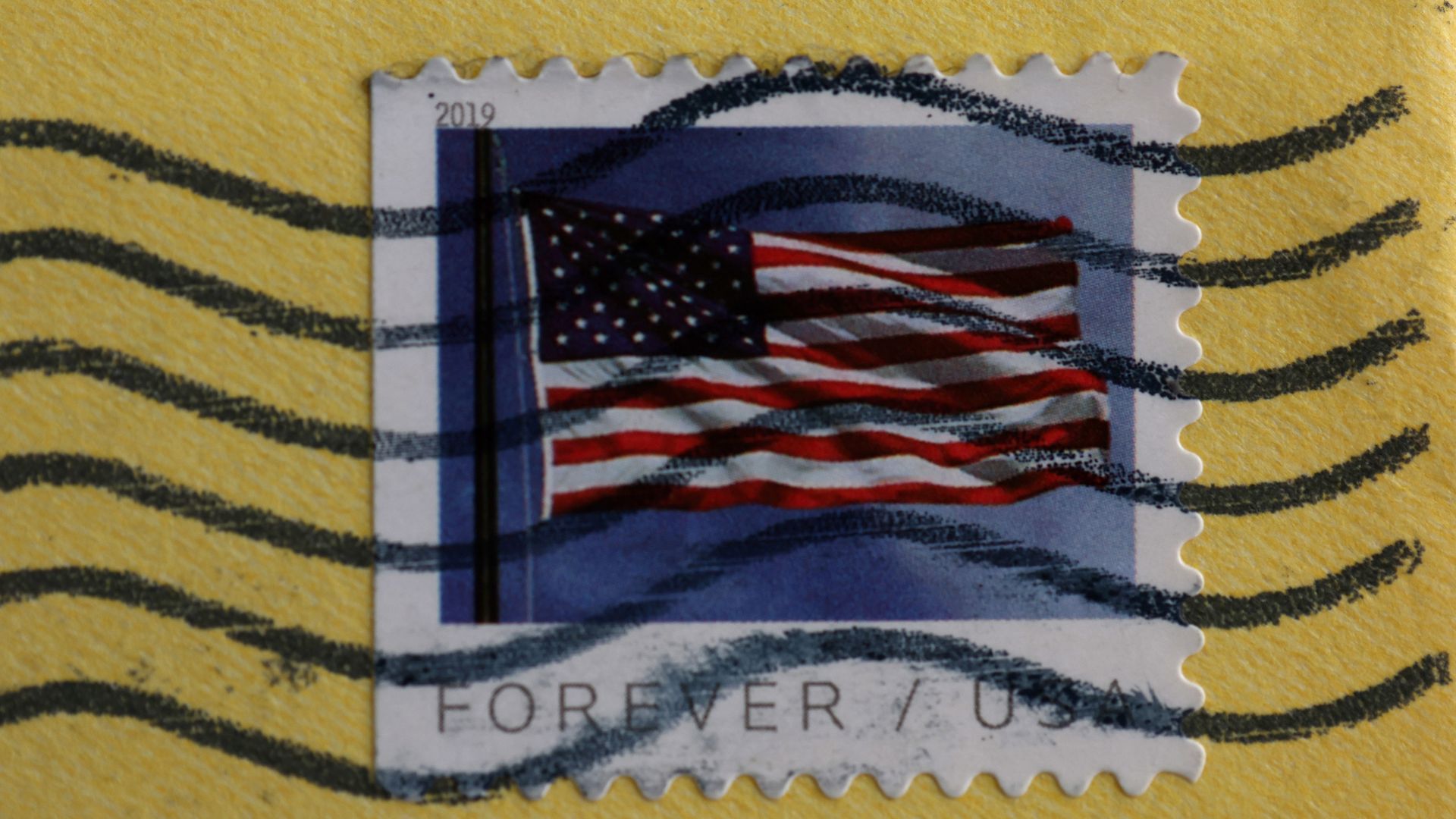
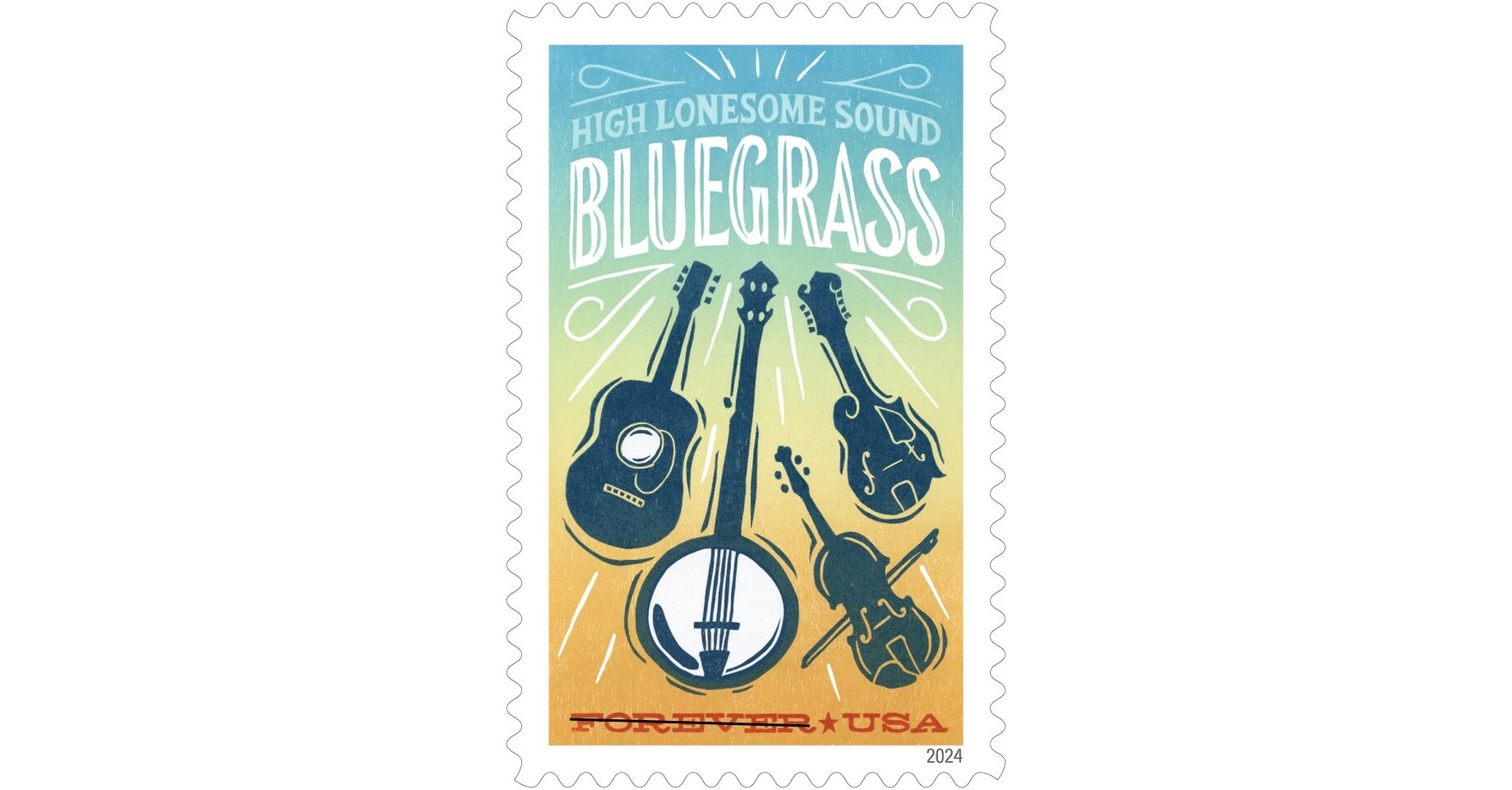
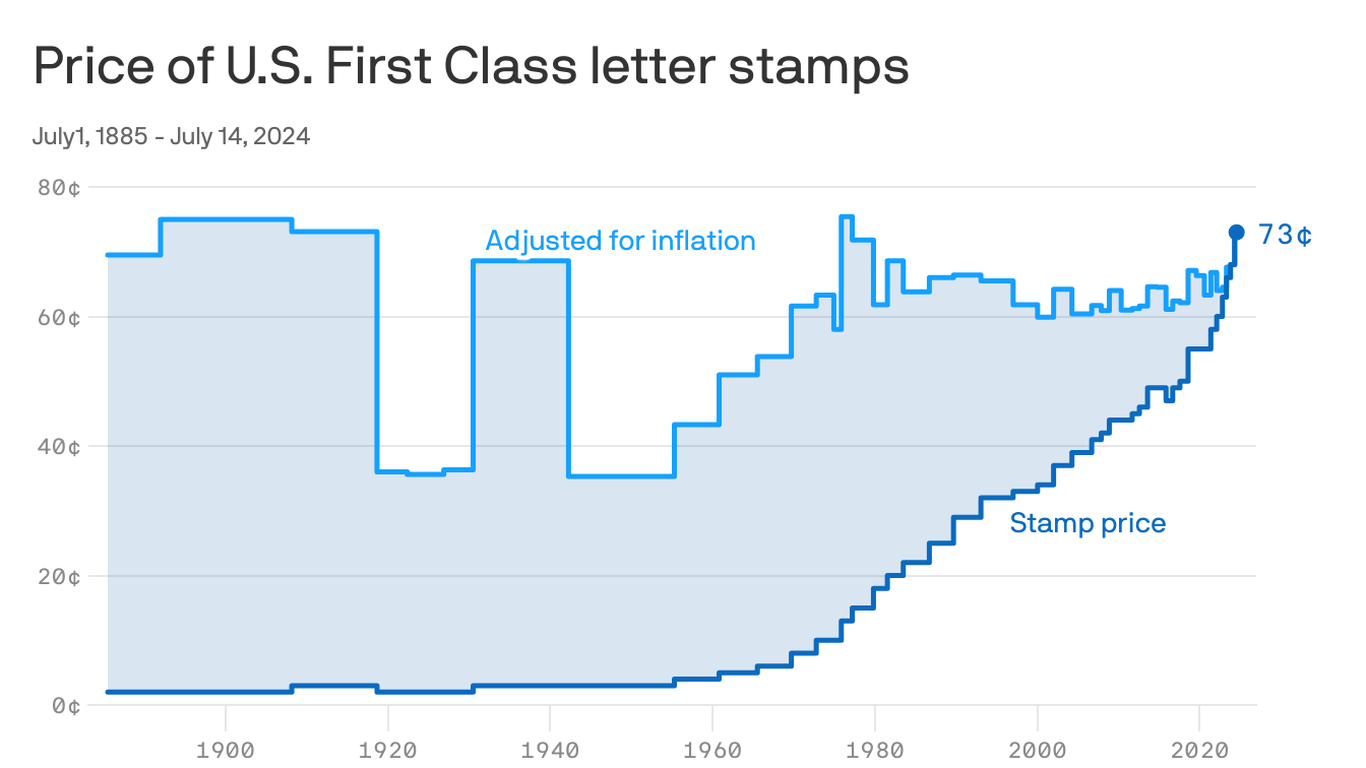
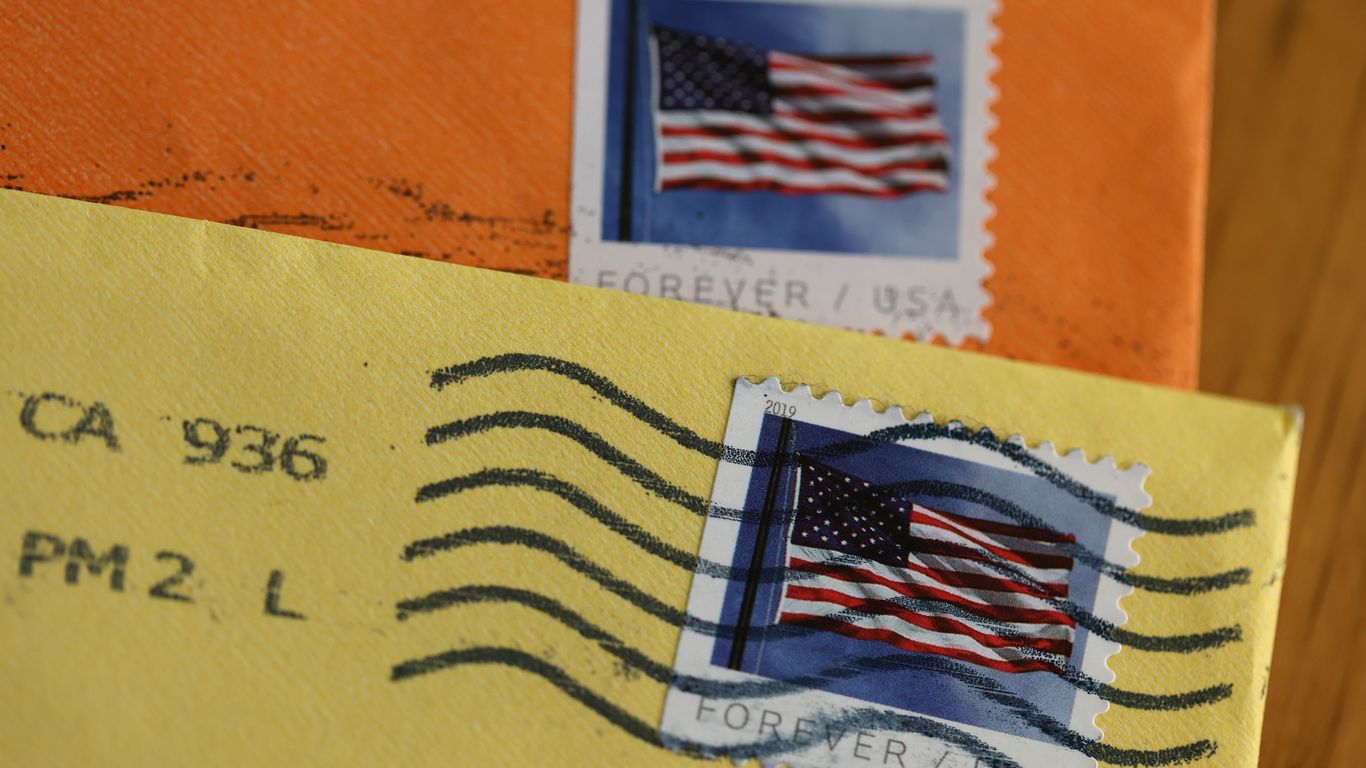
The 2024 USPS stamp increase implemented a series of upward adjustments to First-Class Mail postage rates, raising the cost of a standard Forever stamp to 73 cents. This adjustment formed part of the broader Delivering for America ten-year strategic plan managed by the United States Postal Service to achieve financial sustainability and modernize operations.
The Context and Mechanics Behind the 2024 USPS Stamp Increase
The United States Postal Service (USPS) operates as an independent establishment of the executive branch of the United States federal government, mandated to be self-funding. This self-funding requirement means the agency relies almost entirely on the sale of postage, products, and services rather than tax dollars to cover its operational costs, transportation networks, and workforce compensation. To combat long-term structural deficits caused by declining mail volumes and escalating inflation, the Postal Regulatory Commission (PRC) authorized systematic price adjustments.
Understanding the mechanics of these adjustments requires examining how the Postal Regulatory Commission regulates market-dominant products like First-Class Mail. Following the Postal Accountability and Enhancement Act, the USPS received regulatory authority to adjust prices based on formulas that account for inflation, retirement system obligations, and declining mail volume density. The 2024 increases were executed in two major phases—one in January and a subsequent, larger adjustment in July. These adjustments were designed to generate the incremental revenue necessary to maintain universal service obligations across rural and urban communities alike, despite rising labor and supply chain expenditures.
Breakdown of the 2024 Postal Rate Changes
The 2024 rate changes affected virtually every class of mail, though consumer attention centered primarily on First-Class Mail Forever stamps. The initial wave of adjustments at the start of the year introduced modest increments, but the July adjustment drew significant public scrutiny when the price of a standard retail First-Class Mail Forever stamp rose from 68 cents to 73 cents, representing a 7.4% single-step increase.
Beyond single-piece letters, the pricing structure shifted across all categories, including metered mail, international letters, postcards, and domestic package services like USPS Ground Advantage and Priority Mail. Metered mail users, who utilize postage meters or online shipping platforms rather than traditional adhesive stamps, experienced a slightly lower rate compared to stamped mail to account for the operational efficiencies they provide to the postal network. Postcards, flats, and large envelopes also absorbed proportionate increases, reflecting the labor-intensive nature of handling non-standard mail pieces that cannot be processed entirely through automated sorting machines.
| Mail Class / Product | Previous Rate (Early 2024) | New Rate (July 2024 Onward) | Percentage Increase |
|---|---|---|---|
| First-Class Mail Forever Stamp (Retail) | $0.68 | $0.73 | ~7.4% |
| Metered Mail (1 oz.) | $0.63 | $0.69 | ~9.5% |
| Domestic Postcards | $0.53 | $0.56 | ~5.6% |
| International Letters (1 oz.) | $1.55 | $1.65 | ~6.5% |
| Certified Mail Fee | $4.40 | $4.40 (or updated per fee schedule) | Varies |
Note: Individual additional ounce rates, certified mail surcharges, and registry fees also adjusted upward during the 2024 revision cycle.
Financial Impact on Households and Small Businesses
While a fraction-of-a-dollar increase on a single stamp may appear negligible to an individual consumer sending a few greeting cards per year, the cumulative financial impact on households and small businesses is substantial. Small businesses—such as boutique e-commerce shops, law firms, billing departments, and non-profit organizations that rely heavily on physical invoicing, direct marketing, and customer correspondence—faced notable increases in their operational overhead.
For a small enterprise mailing thousands of invoices or marketing flyers monthly, a five-cent increase per piece compounds quickly. A business sending 5,000 letters per month experienced an immediate cost escalation of $250 monthly solely from the stamp price change, amounting to $3,000 in additional annual expenditures. Consequently, organizations had to re-evaluate their communication strategies, accelerating the transition toward digital billing, paperless statements, and email marketing to mitigate these rising overhead costs. Meanwhile, households found themselves budgeting more carefully for holiday card seasons, bill payments, and government document submissions that still mandate physical mail delivery.
Proven Savings Tips to Offset Higher Postage Costs
Mitigating the impact of recurring postage hikes requires strategic planning and a thorough understanding of available postal discounts and alternative mailing methods. By adopting proactive measures, consumers and business owners can significantly reduce their overall mailing expenditures without compromising delivery reliability.
Purchase and Stockpile Forever Stamps Early
Because Forever stamps remain valid for postage regardless of any subsequent rate increases, purchasing large quantities of stamps before a scheduled rate hike provides an immediate, guaranteed hedge against inflation. If you buy Forever stamps at 68 cents and use them after the price rises to 73 cents, you capture a direct five-cent savings per mail piece. This strategy is entirely legal, endorsed by the USPS, and serves as one of the simplest ways for households and small businesses to lock in lower postage rates.
Utilize Commercial Pricing and Online Postage Platforms
Businesses should avoid purchasing retail stamps at post office counters whenever possible. Utilizing commercial pricing through online shipping and postage platforms—such as USPS Click-N-Ship or authorized third-party postage vendors—unlocks discounted rates that are significantly lower than retail counter prices. For instance, commercial base pricing for metered letters and package services offers built-in discounts because the customer performs the electronic data entry and barcode generation, reducing manual handling requirements for postal workers.
Optimize Mail Dimensions and Weight
Postal rates are heavily dictated by weight increments and physical dimensions. A standard First-Class letter must meet specific aspect ratios, thickness requirements, and weight limits (typically up to one ounce).
- Weigh Your Mail: Always use a digital postal scale to verify exact weights before affixing postage. Over-stamping a letter because you guessed its weight wastes money.
- Review Design and Layout: Ensure that large envelopes (flats) do not exceed thickness or rigidity thresholds that would cause them to be classified as parcels, which incur substantially higher shipping rates.
- Consolidate Mailings: Instead of sending multiple separate envelopes to the same household or corporate entity within a short timeframe, consolidate documents into a single envelope provided it remains under the weight limit for a single ounce or applicable tier.
Transition to Electronic Alternatives Where Feasible
The most effective long-term strategy for managing rising postal costs is evaluating whether physical mail is strictly necessary. Transitioning recurring billing, customer newsletters, and routine correspondence to secure digital channels eliminates postage costs entirely. However, where physical presence, tactile marketing, or legal compliance mandates paper delivery, ensure that your database is regularly cleaned and updated to prevent wasted postage on undeliverable, returned, or outdated addresses.
Frequently Asked Questions
Do old Forever stamps become invalid after a rate increase?
No. Forever stamps retain their validity for standard First-Class Mail one-ounce letters indefinitely, regardless of how many price increases occur after their purchase. You do not need to add supplementary cent stamps to a Forever stamp you bought at a lower price.
Why does the USPS increase stamp prices so frequently?
The USPS implements price adjustments to offset inflation, rising transportation expenses, escalating labor costs, and declining overall volumes of first-class mail. Because the agency is self-funded and receives no tax revenues for operational support, it relies on pricing adjustments authorized by the Postal Regulatory Commission to maintain its universal service mandate.
How can small businesses qualify for commercial postage rates?
Small businesses can access commercial pricing by setting up a business account through the USPS Business Customer Gateway or by utilizing approved commercial mailing software and online postage vendors that integrate with postal barcode sorting systems.
Are postcard rates affected differently than letter rates?
Yes, postcards have distinct pricing structures and lower weight limits than standard envelopes. While they also experienced percentage adjustments during the 2024 revision cycle, their base rate remains lower than standard letter postage, making them an economical choice for brief marketing messages.
What is the difference between retail stamp rates and metered mail rates?
Retail rates apply to stamps purchased at post office locations and affixed manually to individual letters. Metered mail rates apply to mail processed through postage meters or digital mailing systems. Metered rates are typically slightly lower because the automated application of indicia streamlines postal processing and sorting operations.
Conclusion
Navigating the 2024 USPS stamp increase requires a clear understanding of the evolving postal fee structure and the implementation of proactive operational strategies. By leveraging Forever stamps purchased ahead of rate adjustments, utilizing commercial shipping platforms, optimizing mail weight and dimensions, and shifting routine communications to digital formats where appropriate, both households and enterprises can successfully manage their mailing expenses. Review your current mailing workflows today and integrate these cost-saving measures to protect your budget against future postal adjustments.