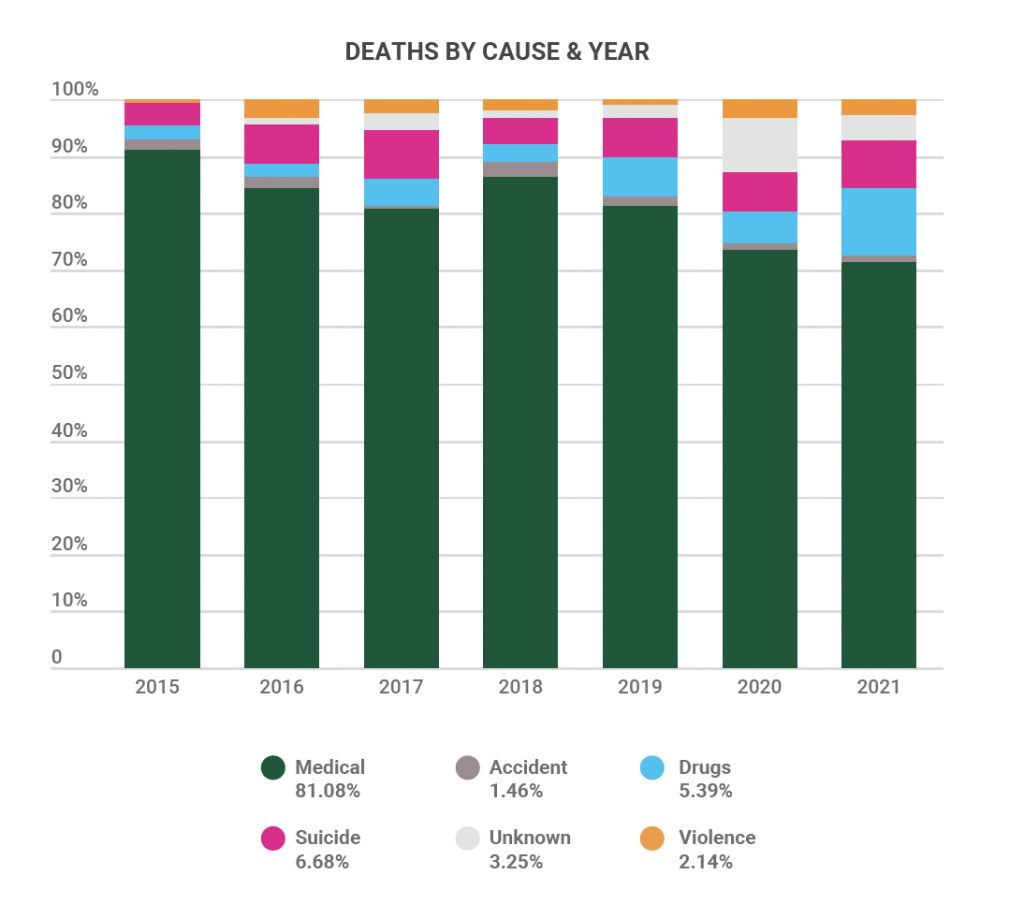
In 2021, the world experienced a significant number of deaths characterized by the passing of transformational world leaders, cultural icons, and a continued surge in global mortality due to the COVID-19 pandemic. Major figures lost included Prince Philip, Archbishop Desmond Tutu, and entertainment legend Betty White, while global health data recorded 2021 as one of the deadliest years in modern history due to record-breaking excess mortality.
Global Mortality Trends in 2021: The Demographic Impact
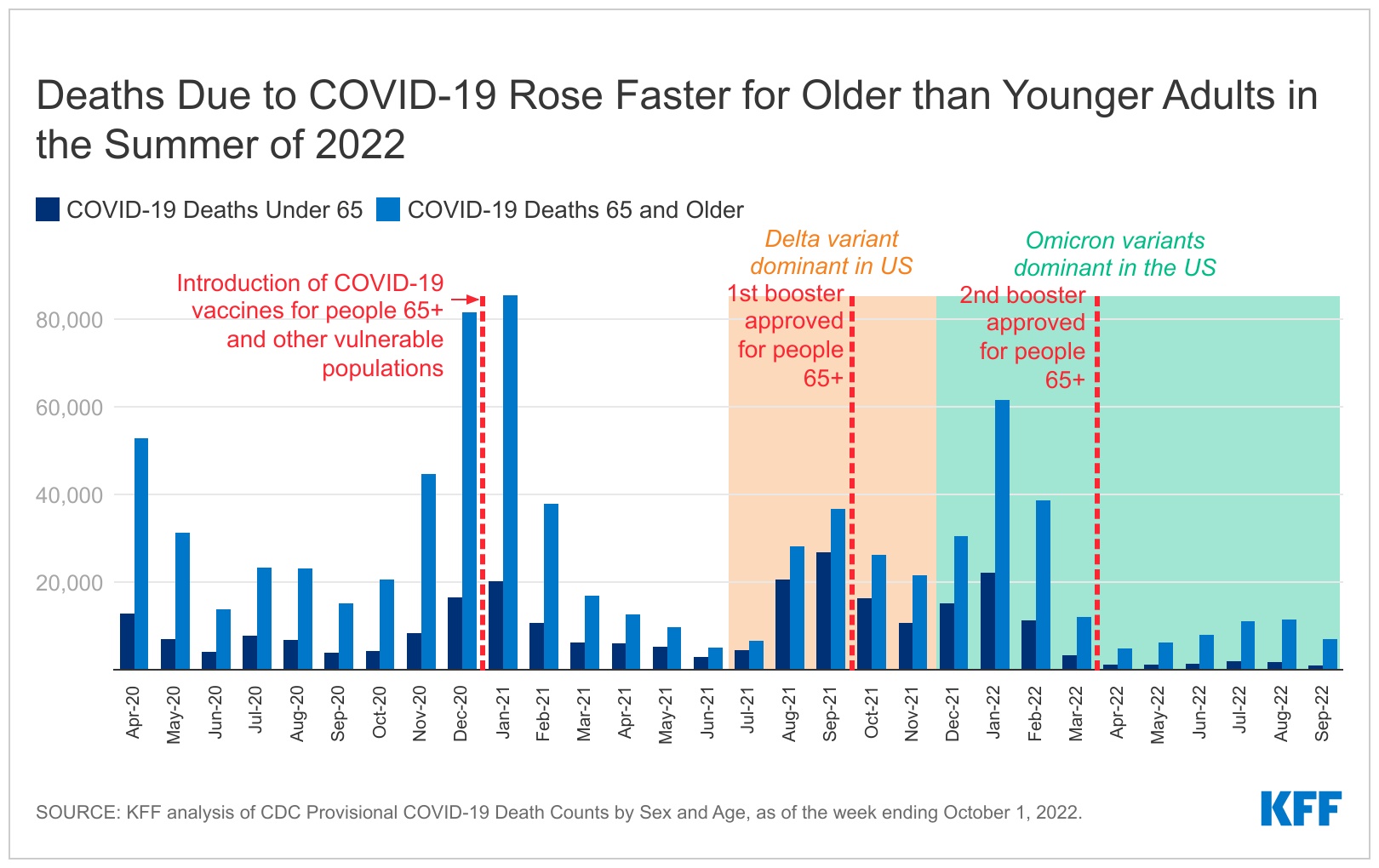
As we look back from 2026, the year 2021 remains a focal point for demographers and public health historians. While 2020 marked the beginning of the global pandemic, 2021 was the year where the full statistical weight of the crisis was realized. Despite the rollout of vaccines, the emergence of the Delta and Omicron variants led to a staggering number of fatalities worldwide.
According to data from the World Health Organization (WHO) and various national health agencies, 2021 saw more COVID-19 deaths globally than 2020. This was attributed to several factors: uneven vaccine distribution, the increased transmissibility of new variants, and the relaxation of social distancing measures in many regions. In the United States alone, the Centers for Disease Control and Prevention (CDC) reported that life expectancy dropped for the second consecutive year, a phenomenon not seen in a century.
The mortality data of 2021 also highlighted deep-seated health inequities. Low-income nations and marginalized communities within developed nations bore a disproportionate share of the death toll. This year catalyzed a shift in how international bodies approach pandemic preparedness, leading to the structured global health frameworks we see in place today in 2026.
Significant Figures in Politics and World Leadership
The political landscape of 2021 was altered by the passing of several individuals who defined the 20th and early 21st centuries. These deaths were not merely personal losses but marked the end of specific eras in diplomacy and civil rights.
Prince Philip, Duke of Edinburgh (1921–2021)
The death of Prince Philip on April 9, 2021, at the age of 99, began a period of transition for the British Monarchy. As the longest-serving consort in British history, his passing removed a pillar of stability from the House of Windsor. His legacy was defined by the Duke of Edinburgh’s Award, which has impacted millions of young people, and his early advocacy for environmental conservation. From our perspective in 2026, his death was the first of several shifts that eventually led to the modern restructuring of the Commonwealth.
Archbishop Desmond Tutu (1931–2021)
South Africa lost its "moral compass" on December 26, 2021. Desmond Tutu was a central figure in the struggle against apartheid and a Nobel Peace Prize laureate. His work with the Truth and Reconciliation Commission provided a blueprint for restorative justice that nations still study today. Tutu’s death reminded the world of the power of non-violent resistance and the ongoing necessity of advocacy for the oppressed.
Colin Powell (1937–2021)
General Colin Powell, the first Black U.S. Secretary of State and Chairman of the Joint Chiefs of Staff, passed away on October 18, 2021. Powell was a pivotal figure in American military and foreign policy for decades. His death from COVID-19 complications, despite being vaccinated (while also battling cancer), became a major talking point regarding the vulnerability of immunocompromised individuals during the pandemic.
Cultural Icons and the Arts
The arts and entertainment sectors saw the loss of several "once-in-a-generation" talents in 2021. These individuals influenced not just their respective fields, but the broader cultural fabric of society.
Betty White (1922–2021)
Perhaps no death in 2021 was felt as universally as that of Betty White, who passed away on December 31, just weeks shy of her 100th birthday. White’s career spanned the history of television itself. Her roles in The Mary Tyler Moore Show and The Golden Girls made her a household name, but it was her late-career resurgence and advocacy for animal welfare that cemented her status as a global treasure.
Stephen Sondheim (1930–2021)
The world of musical theater was fundamentally changed by the death of Stephen Sondheim on November 26, 2021. Sondheim’s work—including Company, Sweeney Todd, and Into the Woods—pushed the boundaries of the genre through lyrical complexity and psychological depth. Critics in 2026 continue to cite Sondheim as the most influential composer-lyricist of the last century, noting that his passing left a void in creative innovation that is still felt on Broadway and the West End.
Michael K. Williams (1966–2021)
The sudden death of Michael K. Williams in September 2021 robbed the acting world of one of its most emotive performers. Known for his iconic role as Omar Little in The Wire, Williams brought humanity to characters often marginalized by society. His death sparked renewed conversations about the pressures of the entertainment industry and the ongoing opioid crisis, a struggle he spoke about openly during his life.
Science, Technology, and Intellectual Pioneers
The intellectual community mourned several giants whose work laid the foundation for modern scientific understanding and technological progress.
- E.O. Wilson (1929–2021): Known as the "modern-day Darwin," Wilson was a biologist and naturalist whose work on sociobiology and biodiversity warned of the impending "sixth extinction." His advocacy for the "Half-Earth" project remains a cornerstone of conservation biology in 2026.
- Michael Collins (1930–2021): As the command module pilot for Apollo 11, Collins was the "loneliest man in history" while his colleagues walked on the moon. His death on April 28, 2021, marked the passing of one of the few remaining links to the heroic age of space exploration.
- Syukuro Manabe (Nobel Laureate, 2021): While Manabe was honored with the Nobel Prize in 2021 for his work on climate modeling, the year saw the passing of many of his contemporaries who contributed to the early understanding of greenhouse gases.
Summary of Notable Deaths in 2021
The following table provides a concise reference for some of the most influential figures lost during 2021, categorized by their primary field of impact.
| Name | Field | Primary Legacy/Role | Date of Passing |
|---|---|---|---|
| Larry King | Media | Legendary talk show host and interviewer | January 23, 2021 |
| Hank Aaron | Sports | Baseball legend and civil rights icon | January 22, 2021 |
| Cicely Tyson | Arts | Award-winning actress and trailblazer | January 28, 2021 |
| Prince Philip | Royalty | Duke of Edinburgh, Consort to Queen Elizabeth II | April 9, 2021 |
| DMX (Earl Simmons) | Music | Influential rapper and actor | April 9, 2021 |
| Donald Rumsfeld | Politics | Former U.S. Secretary of Defense | June 29, 2021 |
| Charlie Watts | Music | Drummer for The Rolling Stones | August 24, 2021 |
| Norm Macdonald | Comedy | Comedian and former SNL news anchor | September 14, 2021 |
| Desmond Tutu | Activism | Anti-apartheid leader and Archbishop | December 26, 2021 |
| John Madden | Sports | NFL coach, broadcaster, and gaming icon | December 28, 2021 |
The Lasting Legacy of 2021's Losses
From the vantage point of 2026, we can see that the deaths of 2021 were more than just a list of names; they represented a shift in the global consciousness. The loss of figures like Desmond Tutu and Prince Philip forced nations to confront their histories and the future of their institutions. The death of Stephen Sondheim led to a retrospective on the importance of arts funding, while the passing of Hank Aaron reminded a new generation of the intersection between sports and social justice.
Furthermore, the scale of mortality among the general public during 2021 fundamentally altered the labor market and family structures. The "Great Resignation" and the "shadow pandemic" of grief were direct results of the losses sustained this year. It was a year that taught the world the necessity of resilience and the importance of preserving the legacies of those who shaped our modern world.
Frequently Asked Questions
Why were there so many celebrity deaths at the end of 2021?
While it may have seemed like a cluster, the end of 2021 saw the passing of several high-profile individuals like Betty White, John Madden, and Harry Reid within the same week. This is often a matter of statistical probability, though the heightened media coverage during the holiday season can make these losses feel more concentrated. Additionally, many of these individuals were in their 80s or 90s, reaching the natural end of their lifespans.
How did 2021 mortality rates compare to previous years?
In many countries, 2021 had a higher mortality rate than 2020. This was primarily due to the Delta variant of COVID-19, which proved to be more lethal and transmissible. According to the World Health Organization, the "excess deaths" (the number of deaths above what would be expected in a normal year) remained significantly elevated throughout 2021, reflecting both direct virus deaths and indirect deaths caused by strained healthcare systems.
Who was the most influential person who died in 2021?
Influence is subjective, but in terms of global historical impact, Prince Philip and Desmond Tutu are often cited as the most significant political and social figures. In the world of arts, Stephen Sondheim and Betty White are considered to have had the most profound cultural influence. Each of these individuals left behind a body of work or a structural legacy that continues to be relevant in 2026.
Did any major sports figures pass away in 2021?
Yes, 2021 was a year of significant loss in the sports world. Beyond Hank Aaron and John Madden, the world lost legendary boxer Marvin Hagler, Formula 1 legend Sir Frank Williams, and several influential figures in European football (soccer). These deaths prompted major tributes across the sporting world, emphasizing the role these athletes played as cultural ambassadors.
How are the deaths of 2021 being commemorated in 2026?
Five years later, many of the figures who passed in 2021 are being honored through permanent memorials, foundation grants, and retrospective documentaries. For example, the 2021 global health crisis is now a standard part of educational curricula, focusing on the lessons learned from the mortality data of that year. The "Betty White Challenge" for animal shelters has become an annual tradition every January, and the Duke of Edinburgh’s Award has been successfully modernized for a new generation.
Next Actions for Researchers and Historians
For those looking to explore the demographics and biographies of 2021 in more detail, the following steps are recommended:
- Consult Official Databases: Access the World Health Organization Mortality Database for detailed 2021 statistics.
- Review National Archives: For political figures like Colin Powell or Harry Reid, the U.S. National Archives provides comprehensive records of their public service.
- Explore Cultural Archives: The Paley Center for Media offers extensive archives on the careers of media figures like Larry King and Betty White.
- Analyze Demographic Trends: Use the Human Mortality Database to compare 2021 excess deaths with historical data from the early 21st century.
By examining these sources, one can gain a deeper understanding of how the losses of 2021 continue to resonate in the socio-political climate of 2026.