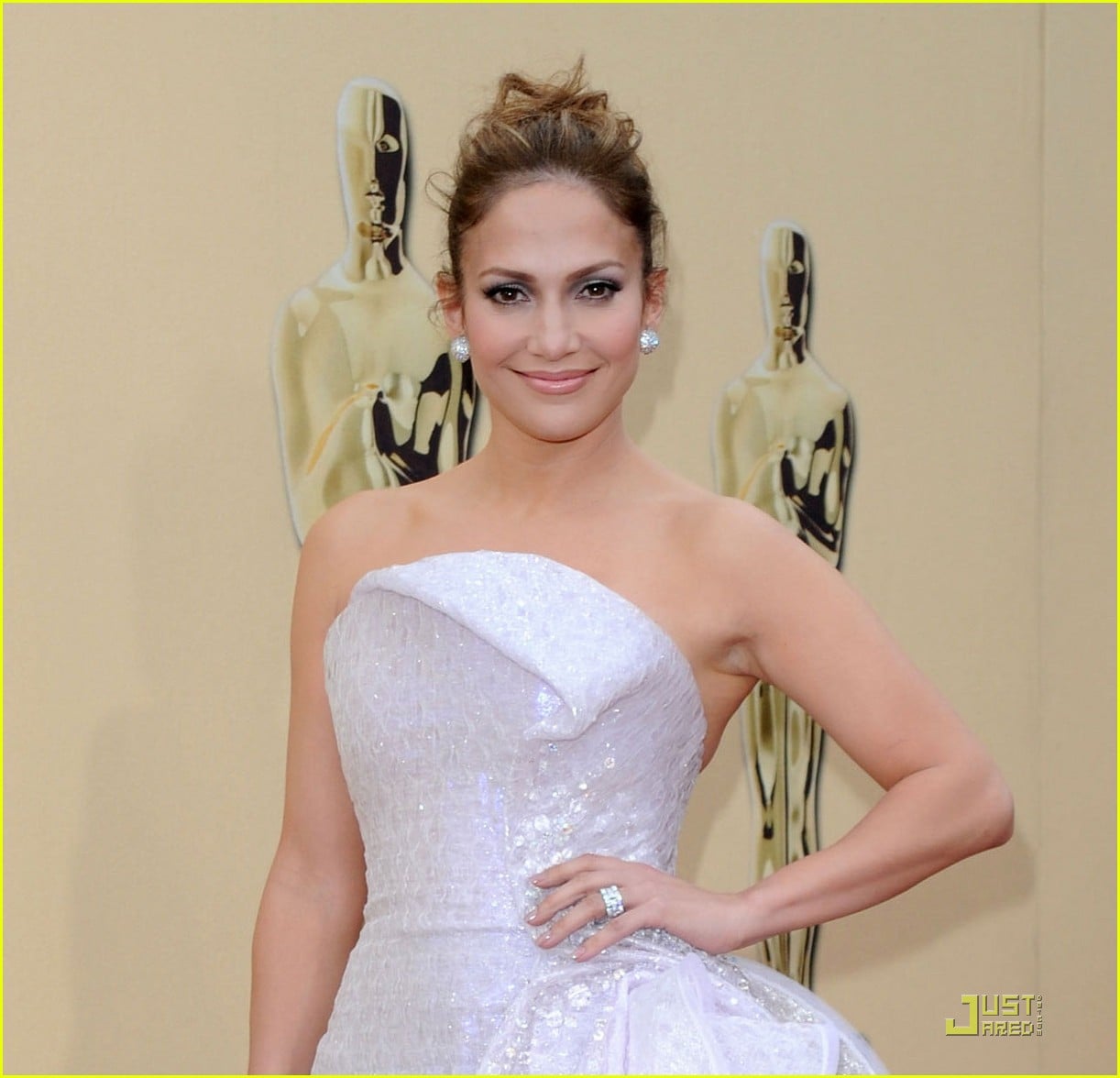
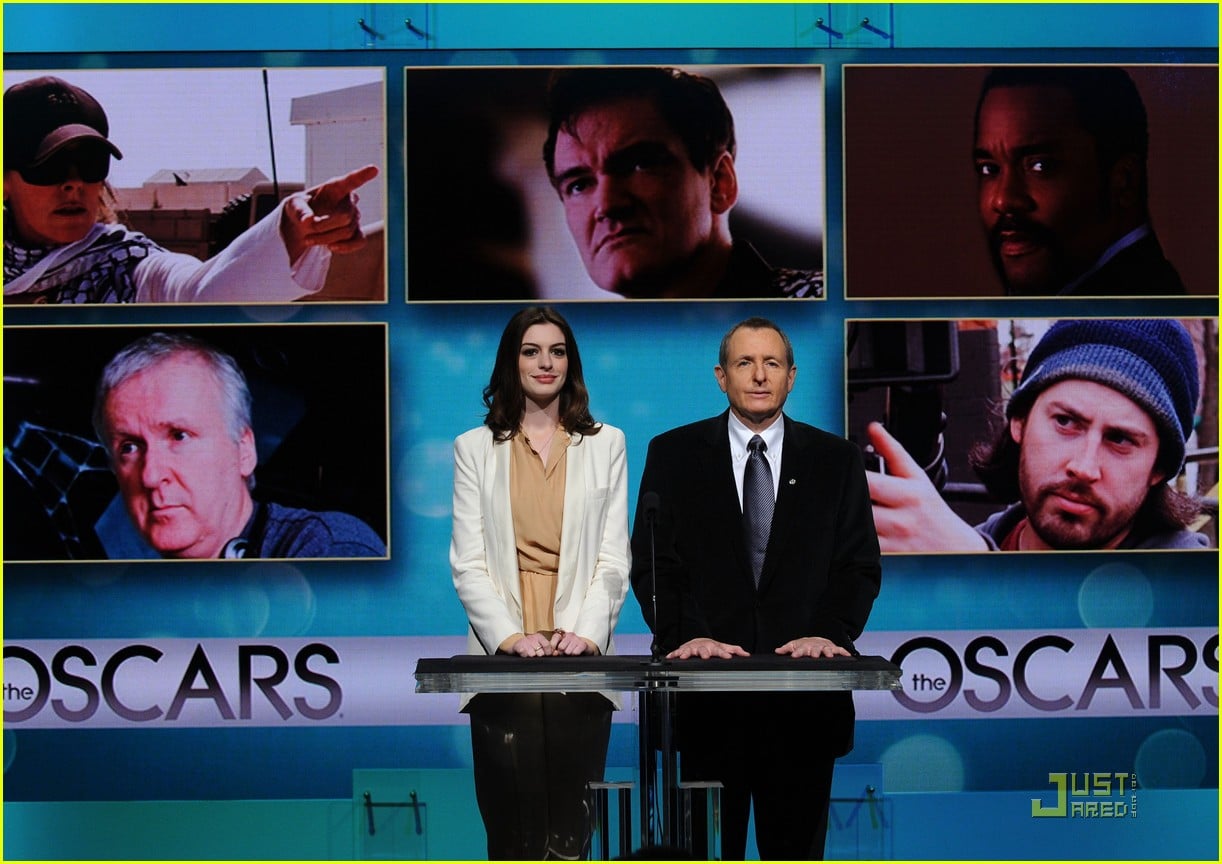
The 82nd Academy Awards ceremony, held on March 7, 2010, at the Kodak Theatre in Hollywood, marked a historic turning point for the film industry. Nominees and winners reflected a transition toward digital filmmaking, independent storytelling, and major box-office milestones, highlighted by the intense Best Picture race between Kathryn Bigelow’s war thriller The Hurt Locker and James Cameron’s sci-fi epic Avatar.
Historical Context and Cultural Background of the 82nd Academy Awards
The year 2010 occupies a fascinating transitional space in cinematic history. The film industry was grappling with the rapid expansion of digital 3D technology, the shifting economics of home entertainment, and the rising prominence of independent production houses that could compete with major Hollywood studios. The 82nd Academy Awards ceremony, produced by Bill Mechanic and Adam Shankman, sought to capture this shifting landscape while honoring cinematic excellence from the 2009 calendar year.
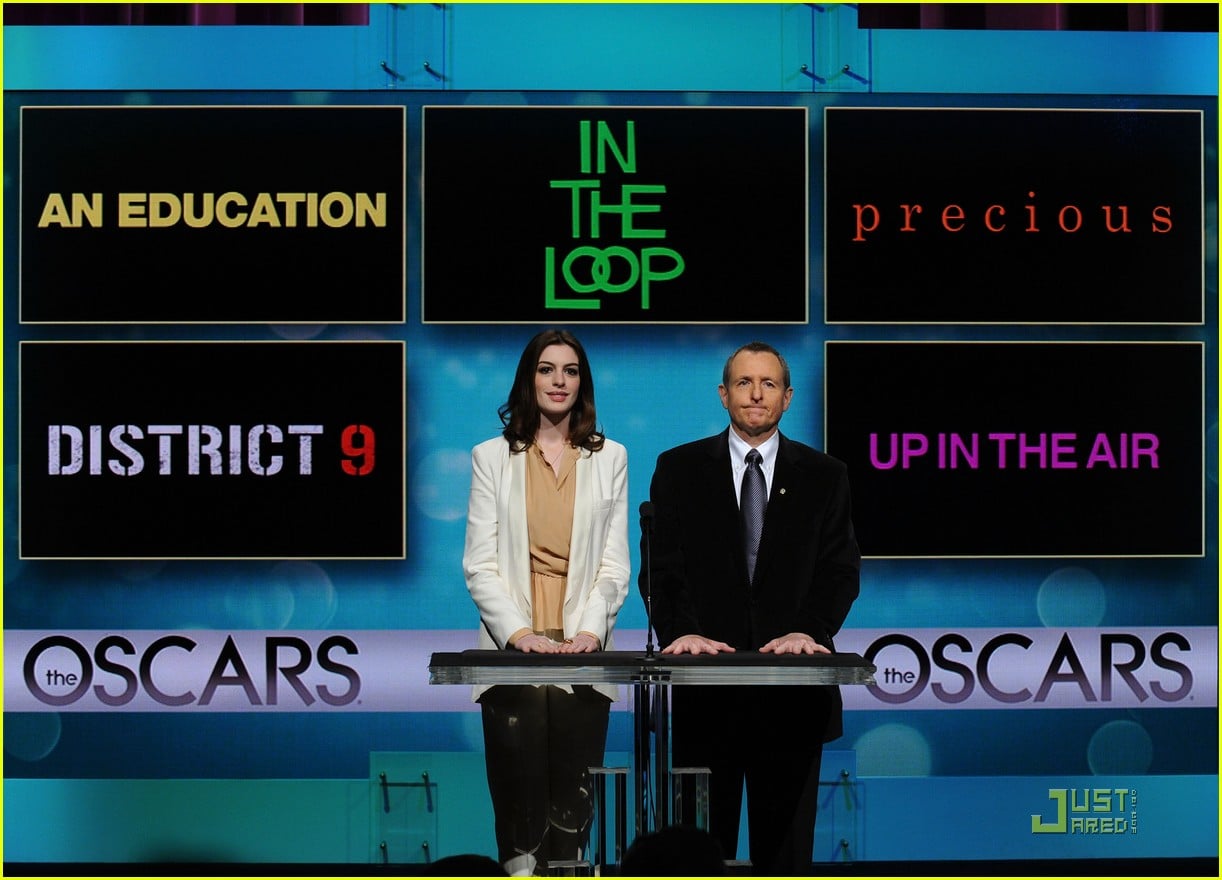
To broaden the audience appeal and reverse declining television ratings, the Academy of Motion Picture Arts and Sciences (AMPAS) instituted a major rule change for this specific ceremony: the number of Best Picture nominees was expanded from five to ten. This adjustment was designed to allow blockbuster hits and critically acclaimed commercial films to sit alongside traditional prestige dramas. Consequently, the race captured mainstream public interest in a way that previous ceremonies had struggled to achieve, setting up a high-stakes narrative that dominated entertainment media for months.
Furthermore, the ceremony was hosted by actors Alec Baldwin and Steve Martin, whose comedic chemistry provided a traditional yet lighthearted anchor for the evening. The event also carried profound social significance, most notably through the historical triumph of Kathryn Bigelow, whose win signaled a long-overdue barrier-breaking moment for female filmmakers in Hollywood's most competitive categories.
The Historic Best Picture Battle: The Hurt Locker vs. Avatar
The defining narrative of the 2010 Oscars was the direct clash between The Hurt Locker and Avatar. Beyond their artistic merits, the matchup represented a classic Hollywood dichotomy: the low-budget, gritty, independent drama versus the high-budget, technologically revolutionary blockbuster.
The Hurt Locker, directed by Kathryn Bigelow and written by former journalist Mark Boal, operated on an estimated production budget of roughly $15 million. It offered a tense, documentary-style look at an Explosive Ordnance Disposal (EOD) team operating during the Iraq War. The film relied on practical locations, hand-held camera work, and intense psychological realism, earning widespread critical acclaim and sweeping various precursor awards.
On the other side stood Avatar, directed by James Cameron—Bigelow's former husband. With a reported production budget exceeding $230 million, Avatar was a technological marvel that redefined the use of performance capture, stereoscopic 3D cameras, and virtual production environments. It went on to become the highest-grossing film in global box office history up to that point.
When the envelopes were opened, The Hurt Locker triumphed, securing six Academy Awards out of nine nominations, including Best Picture and Best Director. This victory underscored the Academy’s historical preference for narrative intensity and dramatic realism over technological spectacle, though Avatar rightfully claimed technical prizes for Best Art Direction, Best Cinematography, and Best Visual Effects.
Major Category Winners and Nominees
While the Best Picture race captured the headlines, the 2010 Oscars featured a fiercely competitive slate across all major acting and directing categories. The nominations reflected strong performances in both independent cinema and major studio releases.
Acting Categories and Performances
The acting races featured a mix of industry veterans and transformative performances. In the Best Actor category, Jeff Bridges secured his first Academy Award for his compelling portrayal of a washed-up, alcoholic country music singer in Crazy Heart. Bridges competed against strong contenders, including George Clooney for Up in the Air, Colin Firth for A Single Man, Morgan Freeman for Invictus, and Jeremy Renner for The Hurt Locker.
Sandra Bullock claimed the Best Actress trophy for her role as Leigh Anne Tuohy in the biographical sports drama The Blind Side. Bullock's win capped a unique awards season where she also won a Razzie Award for All About Steve the same weekend, famously attending both ceremonies. Her fellow nominees included Helen Mirren (The Last Station), Carey Mulligan (An Education), Gabourey Sidibe (Precious), and Meryl Streep (Julie & Julia), who extended her record-breaking number of career acting nominations.
The supporting categories similarly highlighted memorable character work. Christoph Waltz delivered a chilling, breakout performance as Nazi Colonel Hans Landa in Quentin Tarantino’s Inglourious Basterds, dominating the Best Supporting Actor category. Mo'Nique earned widespread acclaim and the Best Supporting Actress award for her harrowing, powerful portrayal of an abusive mother in Precious: Based on the Novel 'Push' by Sapphire.
Summary of Major 2010 Oscar Winners
| Category | Winner | Film |
|---|---|---|
| Best Picture | The Hurt Locker | Kathryn Bigelow, Mark Boal, Nicolas Chartier, and Greg Shapiro, Producers |
| Best Director | Kathryn Bigelow | The Hurt Locker |
| Best Actor | Jeff Bridges | Crazy Heart |
| Best Actress | Sandra Bullock | The Blind Side |
| Best Supporting Actor | Christoph Waltz | Inglourious Basterds |
| Best Supporting Actress | Mo'Nique | Precious: Based on the Novel 'Push' by Sapphire |
| Best Original Screenplay | Mark Boal | The Hurt Locker |
| Best Adapted Screenplay | Geoffrey Fletcher | Precious: Based on the Novel 'Push' by Sapphire |
| Best Animated Feature | Up | Pete Docter |
The Impact of the Expanded Best Picture Field
The decision to expand the Best Picture category from five nominees to ten remains one of the most consequential structural changes in modern Academy history. In 2010, the expanded field allowed films with vastly different scales, genres, and audience demographics to share the industry's biggest stage.
Alongside The Hurt Locker and Avatar, the ten nominees for the 82nd Academy Awards included:
- The Blind Side
- District 9
- An Education
- Inglourious Basterds
- Precious: Based on the Novel 'Push' by Sapphire
- A Serious Man
- Up
- Up in the Air
This diverse lineup demonstrated the practical effect of the rule change. Pixar’s Up became only the second animated film in history to receive a Best Picture nomination (following Beauty and the Beast in 1991), while boundary-pushing science fiction like District 9 broke into a category traditionally dominated by historical dramas and biographical pictures.
While the Academy later adjusted the nomination mechanics—moving to a complex sliding scale system to determine the exact number of nominees each year—the 2010 experiment permanently altered how films are marketed, positioned, and evaluated during awards season.
Technical Achievements and Craft Categories
Beyond the marquee awards, the 82nd Academy Awards celebrated critical advancements in sound, editing, and visual effects. The technical competition largely mirrored the broader aesthetic split between practical grit and digital innovation.
The Hurt Locker dominated the editing and sound categories, winning Best Film Editing (awarded to Bob Murawski and Chris Innis) alongside Best Sound Editing and Best Sound Mixing. These wins highlighted how pacing and audio design contributed directly to the film's immersive, anxiety-inducing depiction of urban warfare.
Conversely, Avatar showcased the apex of visual effects engineering in 2010. Led by visual effects supervisors Joe Letteri, Stephen Rosenbaum, Richard Baneham, and Andrew R. Jones, the film's technical team pushed motion-capture technology past historical boundaries, creating a fully realized alien ecosystem that established new industry benchmarks for computer-generated imagery. In the costume design and makeup categories, films like The Young Victoria and Star Trek demonstrated exceptional artisan work, proving that visual world-building remained vital across both historical drama and high-concept science fiction.
Frequently Asked Questions
Who won Best Picture at the 2010 Oscars?
The Hurt Locker won Best Picture at the 82nd Academy Awards in 2010. Directed by Kathryn Bigelow, the film chronicled an explosive ordnance disposal team in Iraq and beat out nine other nominees, including the high-grossing box-office phenomenon Avatar.
Why was the Best Picture category expanded in 2010?
The Academy expanded the Best Picture category from five nominees to ten to allow more commercial, popular, and diverse films to enter the race. The structural change aimed to boost television viewership by ensuring mainstream blockbuster hits were represented alongside traditional independent dramas.
Did Kathryn Bigelow become the first woman to win Best Director?
Yes. Kathryn Bigelow made history at the 2010 Oscars by becoming the first female filmmaker to win the Academy Award for Best Director, a milestone that stood for over a decade until Chloe Zhao won for Nomadland in 2021.
Which film received the most total nominations at the 2010 Oscars?
Avatar and The Hurt Locker tied for the most nominations at the 82nd Academy Awards, with each film earning nine nods across various technical and creative categories. The Hurt Locker ultimately won six awards, while Avatar claimed three.
Who hosted the 82nd Academy Awards ceremony?
Actors Alec Baldwin and Steve Martin co-hosted the 2010 Oscar ceremony. Their comedic partnership marked a return to a more traditional, double-hosting format designed to keep the broadcast engaging and lighthearted.
Practical Next Steps for Film Research
For researchers, students, and film enthusiasts looking to explore the 82nd Academy Awards further, primary source documentation offers deep insight into the era. Reviewing the official AMPAS database provides complete nomination tallies, acceptance speeches, and technical data sheets for every competing film. Additionally, exploring contemporary film criticism from 2010 helps contextualize the cultural debates surrounding digital 3D adoption and the evolving definition of prestige cinema.