When discussing what Astor was on the Titanic, history points primarily to Colonel John Jacob Astor IV, the wealthiest passenger aboard the ocean liner, along with his pregnant eighteen-year-old wife, Madeleine Astor. As the most prominent members of the ultra-wealthy Astor family traveling on the ship's maiden voyage, their presence encapsulated the Gilded Age luxury, tragedy, and historical fascination surrounding the disaster of April 1912.
The Astor Family Legacy and Gilded Age Society
To understand who the Astors were on the Titanic, one must first examine their standing in American society at the turn of the twentieth century. The Astor family fortune originated with John Jacob Astor I, a German immigrant who built an immense empire through the North American fur trade and subsequent aggressive real estate investments in New York City. By the early 1900s, the Astors were synonymous with elite American wealth, social prominence, and real estate supremacy, owning luxury properties such as the Waldorf-Astoria hotel.
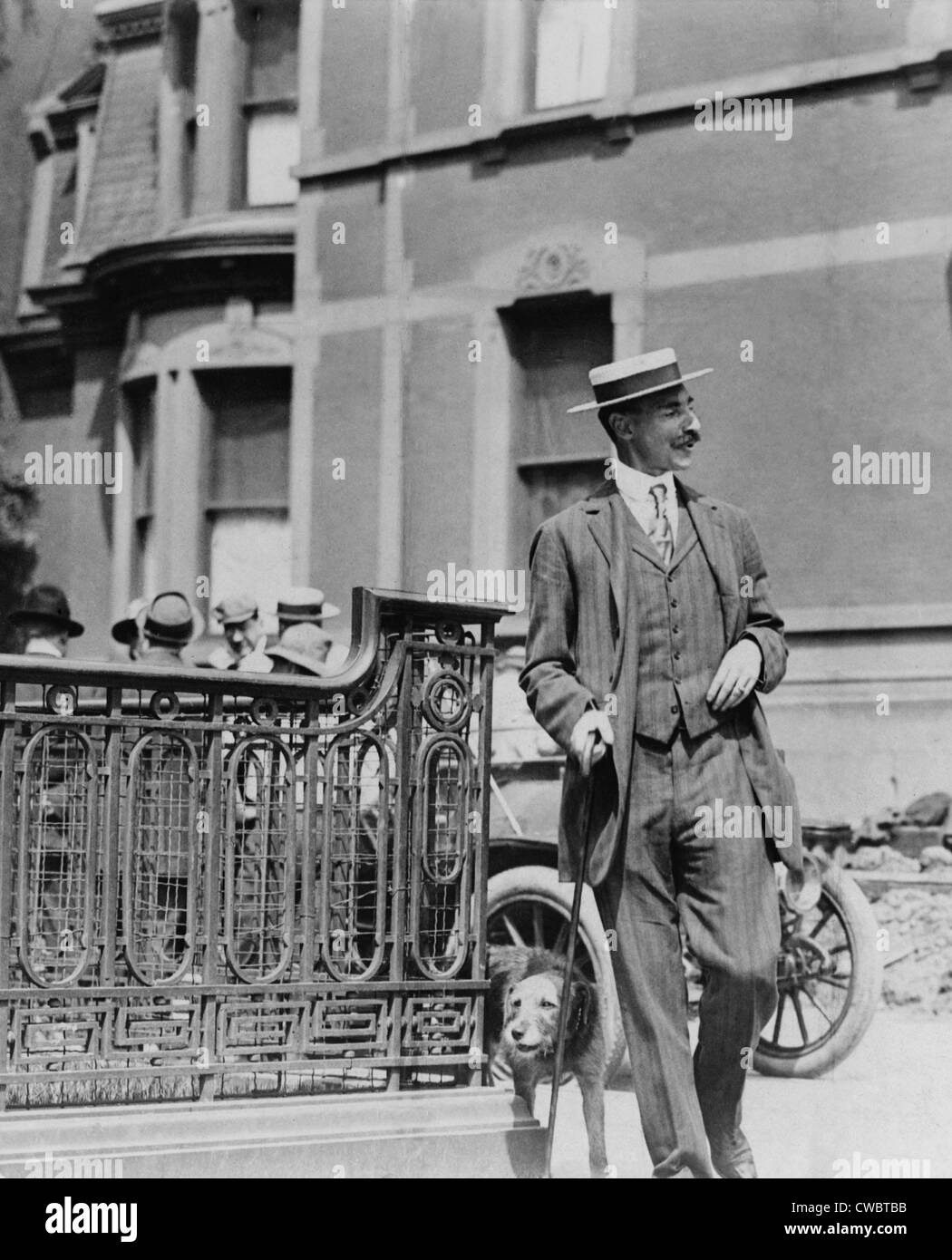
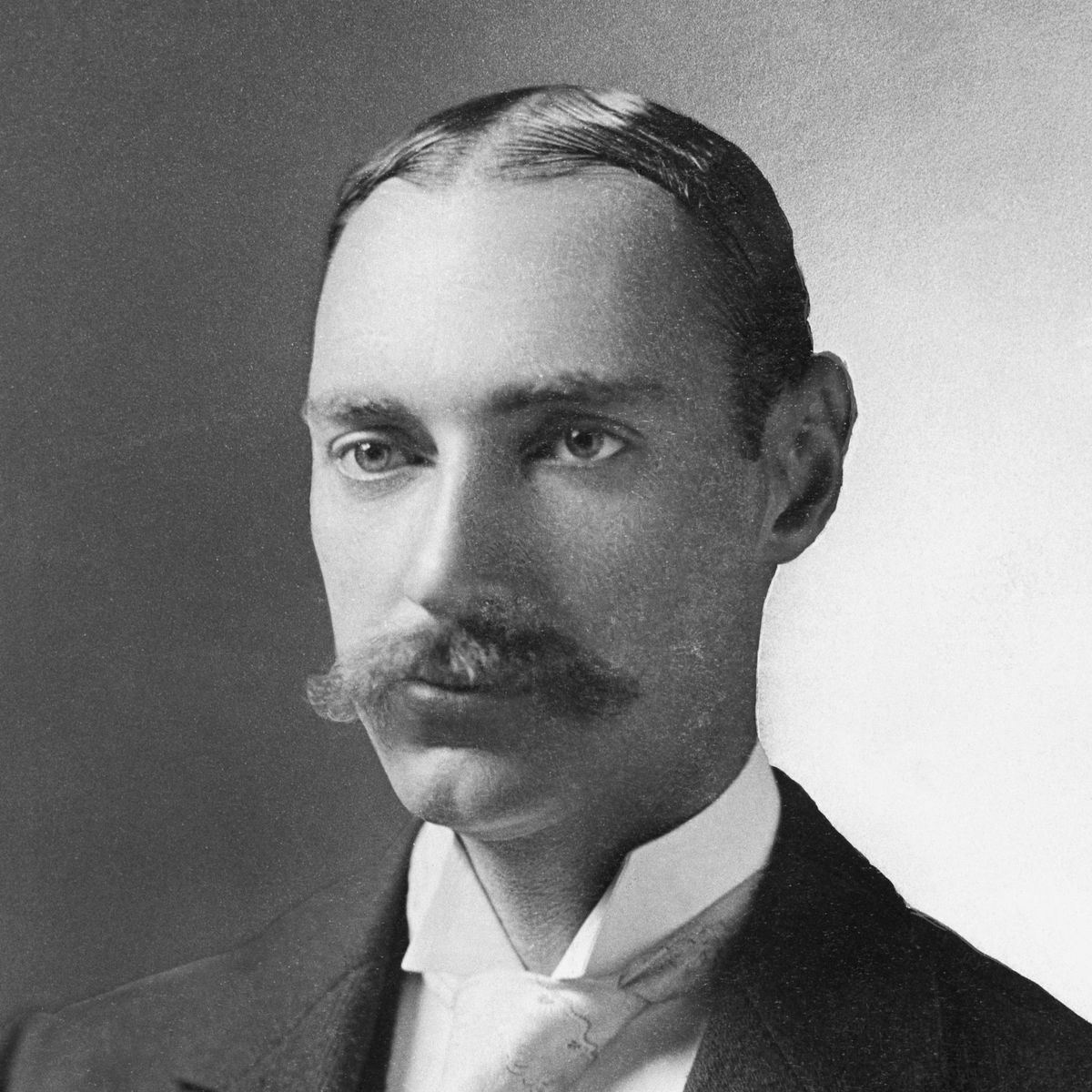
Colonel John Jacob Astor IV, born in 1864, was the great-grandson of the family patriarch. He was not merely a wealthy heir; he was a complex figure who balanced high society with entrepreneurial pursuits, military service, and invention. He attended Harvard University, managed the family's vast real estate holdings, wrote a science-fiction novel titled A Journey in Other Worlds, and patented several inventions, including a pneumatic road-cleaving machine and a bicycle brake.
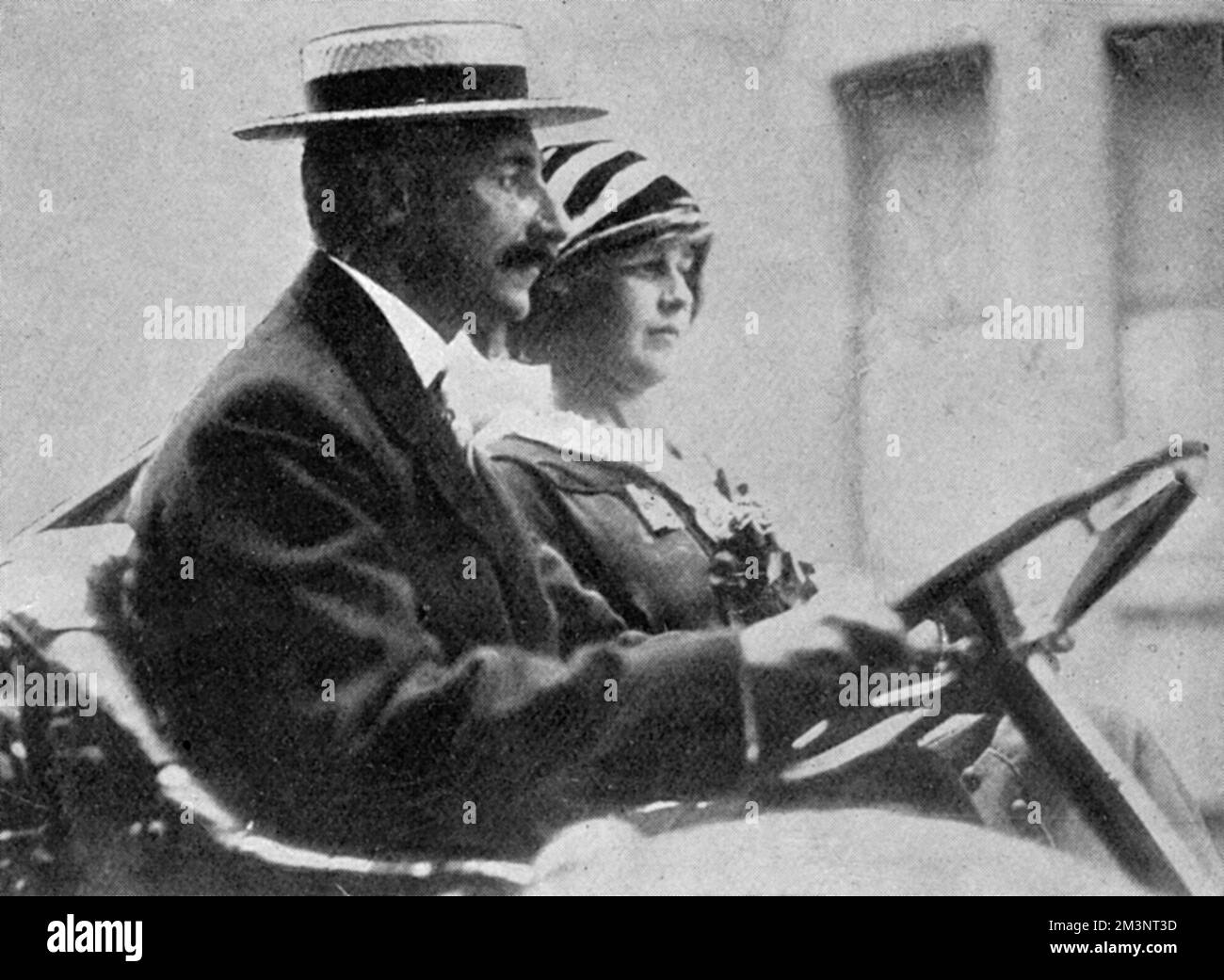
Furthermore, Astor served as a lieutenant colonel during the Spanish-American War, a title he used proudly throughout his life. His personal life, however, had also placed him under intense public scrutiny. In 1909, he divorced his first wife, Ava Willing, a social separation that caused a major scandal in Gilded Age high society. Seeking to escape the whispers and social ostracization of New York, Astor embarked on an extended honeymoon tour of Europe and Egypt with his new, much younger bride, Madeleine Talmage Force. It was the conclusion of this extended trip that brought the couple aboard the Royal Mail Ship (RMS) Titanic for their return voyage to New York.
Boarding the Titanic: Accommodations and Status
Colonel Astor and his entourage boarded the Titanic at Cherbourg, France, on April 10, 1912. Traveling with them was a carefully curated staff necessary to maintain their high-society lifestyle while crossing the Atlantic. Their retinue included Astor’s valet, Victor Robbins; Madeleine’s maid, Rosalie Bidois; and her nurse, Caroline Endres. They also brought along their pet Airedale terrier, Kitty.
First-Class Luxury Aboard the Ship
As the wealthiest passenger on the vessel, Colonel Astor occupied accommodations that represented the pinnacle of Edwardian maritime luxury. While exact suite designations and ticket costs are often romanticized, historical records and passenger manifests place the Astors in one of the most expensive parlor suites on the ship, located on the upper decks of First Class.
- The Stateroom: Their quarters featured exquisite period paneling, private promenade access, and high-end modern amenities that reflected the grandeur of a floating luxury hotel.
- Dining and Socializing: First-class passengers enjoyed access to the À la carte Restaurant, the grand staircase, the gymnasium, the squash court, and the Turkish baths. The Astors dined among other prominent Edwardian figures, mingling with industrialists, artists, and nobility.
- The Cost of Passage: While individual first-class berths varied, elite suites commanded thousands of dollars—equivalent to tens of thousands in modern currency—illustrating the stark economic stratification aboard the ship.
The Night of the Collision: April 14–15, 1912
When the Titanic struck an iceberg at 11:40 p.m. on April 14, 1912, the initial impact was subtle enough that many first-class passengers did not immediately realize the severity of the situation. Colonel Astor reportedly investigated the commotion, returning to his cabin to inform Madeleine that the ship had struck ice, but that there was no immediate danger and they should remain calm.
As water began to pool in the lower decks and officers ordered lifeboats prepared, the reality of the disaster set in. Unlike many passenger narratives from the disaster, accounts of Colonel Astor’s final hours reflect a measured, composed demeanor amidst growing panic.
The Separation of John Jacob and Madeleine Astor
As the evacuation proceeded under the maritime rule of "women and children first," Colonel Astor assisted his young wife into Lifeboat 4. Madeleine was several months pregnant, a physical condition that added urgency to her evacuation.
According to surviving accounts, Astor asked Second Officer Charles Lightoller if he might be allowed to enter the lifeboat to protect his pregnant wife. Lightoller refused, stating firmly, "No man goes in until all the women are off." Astor accepted the protocol without argument, stepped back from the rail, tossed his gloves to his wife, and famously wished her well, telling her, "The sea is calm. You'll be alright. It's just a mechanical adjustment." He asked for the lifeboat's number so he could find them later, and watched as it was lowered into the dark, frigid waters of the Atlantic.
Post-Disaster Discovery and Historical Legacy
Following the sinking of the Titanic, recovery operations were launched by vessels chartered by the White Star Line, most notably the cable ship Mackay-Bennett.
Recovery of Remains and Personal Effects
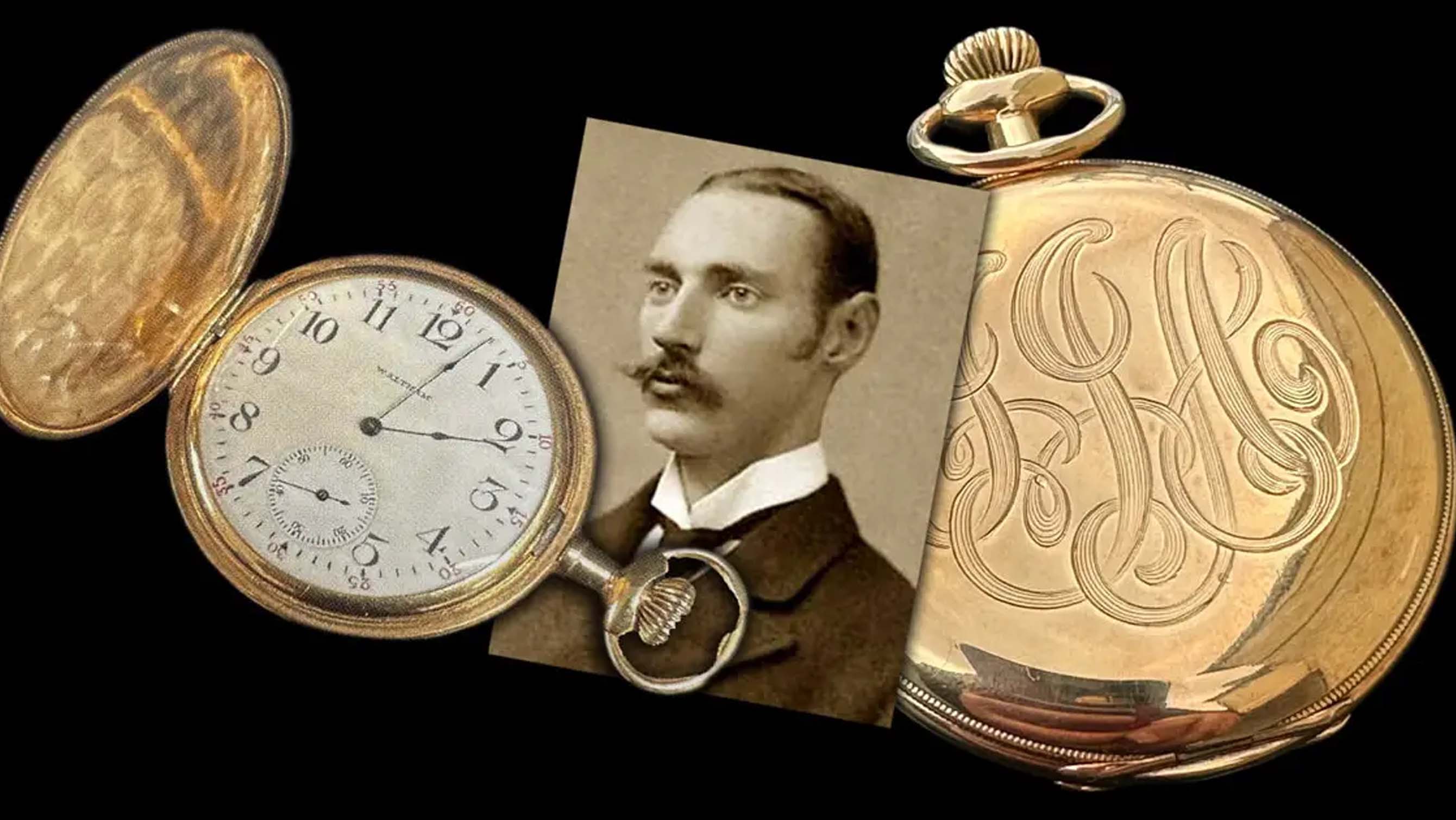
The body of Colonel John Jacob Astor IV was recovered by the Mackay-Bennett on April 22, 1912, listed as body number 124. His identity was confirmed primarily through the monogrammed initials "J.J.A." sewn into his clothing and the valuable personal items found in his pockets.
- Gold Pocket Watch: A gold Waltham pocket watch inscribed with his initials, which was later passed down through his descendants.
- Valuables and Currency: Hundreds of dollars in cash, diamond rings, gold cuff links, and a diamond shirt stud, illustrating the immense personal wealth carried casually by elite travelers of the era.
- Missing Effects: Notable items such as his wedding band and billfold were also cataloged. His remains were eventually returned to New York and buried in Trinity Church Cemetery.
Survival of Madeleine Astor
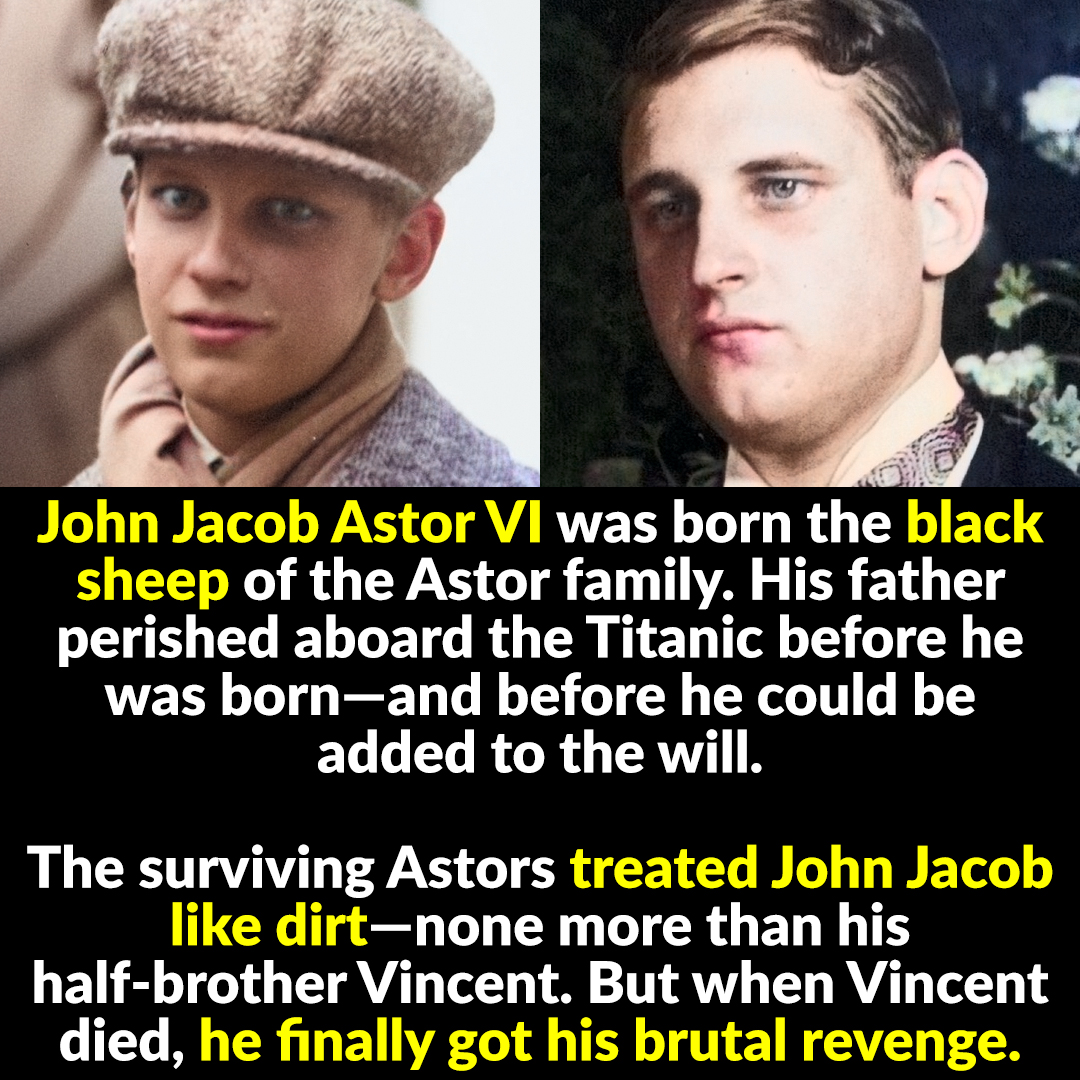
Madeleine Astor survived the sinking aboard Lifeboat 4, which was eventually picked up by the rescue ship Carpathia. She returned to New York, where she gave birth to their son, John Jacob Astor VI, in August 1912. Despite the profound trauma of losing her husband, Madeleine lived a prominent life, remarried twice in later years, and remained a fixture of high society until her death in 1940.
Summary of Astor's Profile on the Titanic
To quickly summarize the key details of the Astor family presence on the ill-fated liner, the following table outlines their status, travel details, and outcomes:
| Detail Category | Historical Fact |
|---|---|
| Primary Individual | Colonel John Jacob Astor IV (Age 47) |
| Traveling Companion | Madeleine Talmage Force Astor (Wife, Age 18) |
| Status Aboard | Wealthiest passenger on the ship; prominent Gilded Age industrialist and author |
| Class & Accommodations | First Class, luxury parlor suite |
| Staff & Retinue | Valet (Victor Robbins), maid (Rosalie Bidois), nurse (Caroline Endres), and dog (Kitty) |
| Evacuation Outcome | Madeleine survived in Lifeboat 4; Colonel Astor perished |
| Body Recovery | Recovered by the Mackay-Bennett (Body #124); buried in New York |
Frequently Asked Questions
Was John Jacob Astor IV the only Astor on the Titanic?
No, while Colonel John Jacob Astor IV was the head of the family traveling on the ship, he was accompanied by his young wife Madeleine, three household staff members, and their pet dog. No other prominent members of the extended Astor family were aboard the vessel.
How much was John Jacob Astor IV worth when he died?
At the time of his death in 1912, Colonel Astor's personal fortune was estimated to be roughly $87 million, which translates to over $2 billion when adjusted for modern inflation. This vast wealth derived primarily from real estate holdings, railroads, and industrial investments in New York City.
Did any other pets survive from the Astor suite?
No. The Astors brought their pet Airedale terrier, named Kitty, aboard the Titanic. Like almost all animals brought onto the ship by first-class passengers, the dog did not survive the sinking.
What happened to Madeleine Astor after the disaster?
Madeleine Astor was rescued by the RMS Carpathia and returned to New York. In August 1912, she gave birth to John Jacob Astor VI, the son she shared with the late colonel. She later inherited a substantial trust fund from her husband's estate, conditioned upon her remaining unmarried—a restriction she relinquished when she remarried Italian banker Enzo Fiermonte in 1916.
Why wasn't Colonel Astor allowed into a lifeboat?
During the evacuation, ship officers strictly enforced the rule prioritizing women and children. When Colonel Astor asked to join his pregnant wife in Lifeboat 4 to assist her, Second Officer Charles Lightoller denied the request because male passengers were barred from the deck boats until all available women and children had been accommodated. Astor complied without protest.
Next Actions and Further Research
For those looking to explore the history of the Astors and the Titanic further, primary source archives offer extensive documentation. Researchers can consult the official British and American Senate inquiry transcripts into the disaster, passenger manifests preserved by the National Archives, and historical biographies detailing Gilded Age industrial dynasties. Examining these original records provides an accurate, evidence-based window into the lives of those who sailed on the ship's maiden voyage.