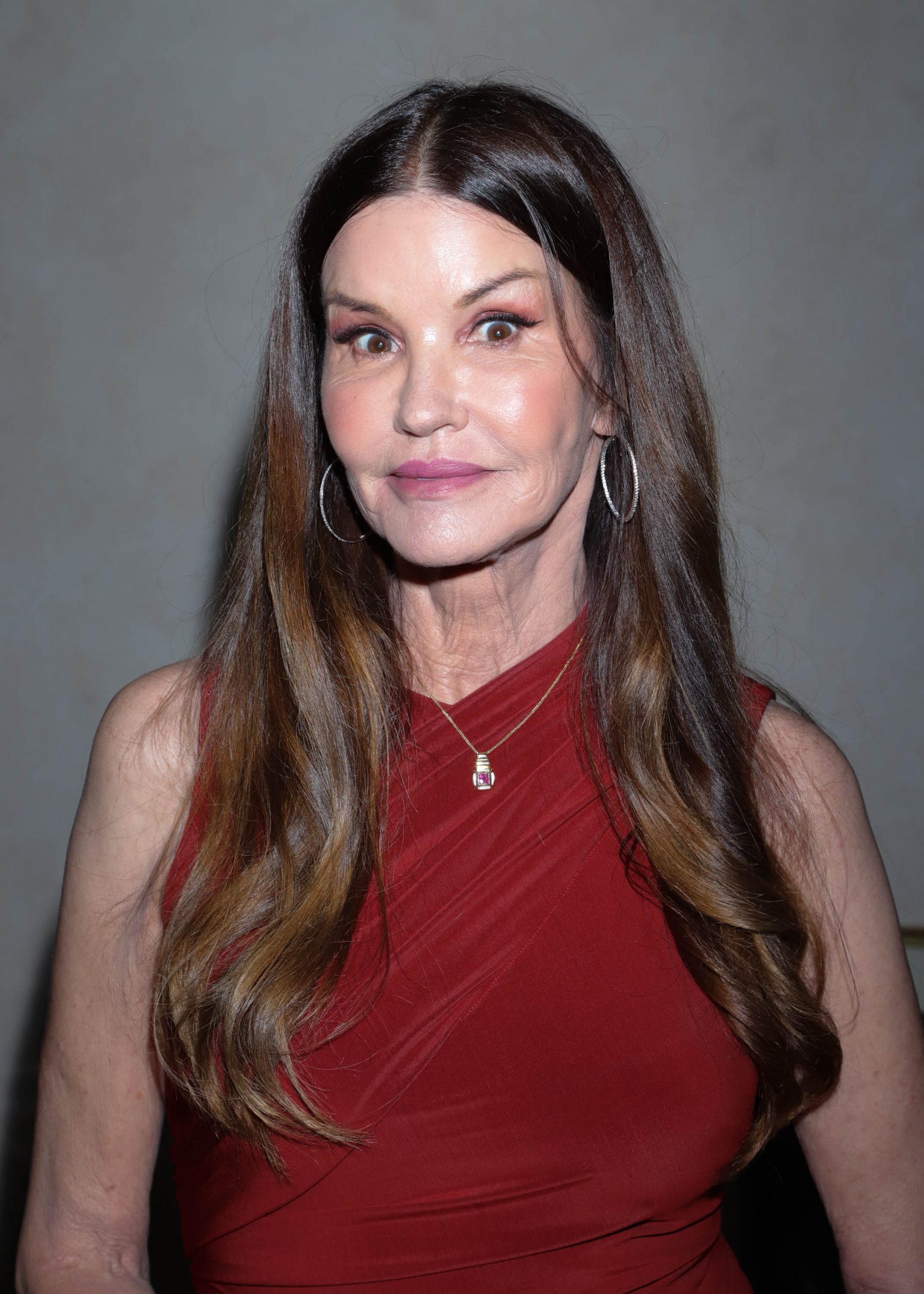
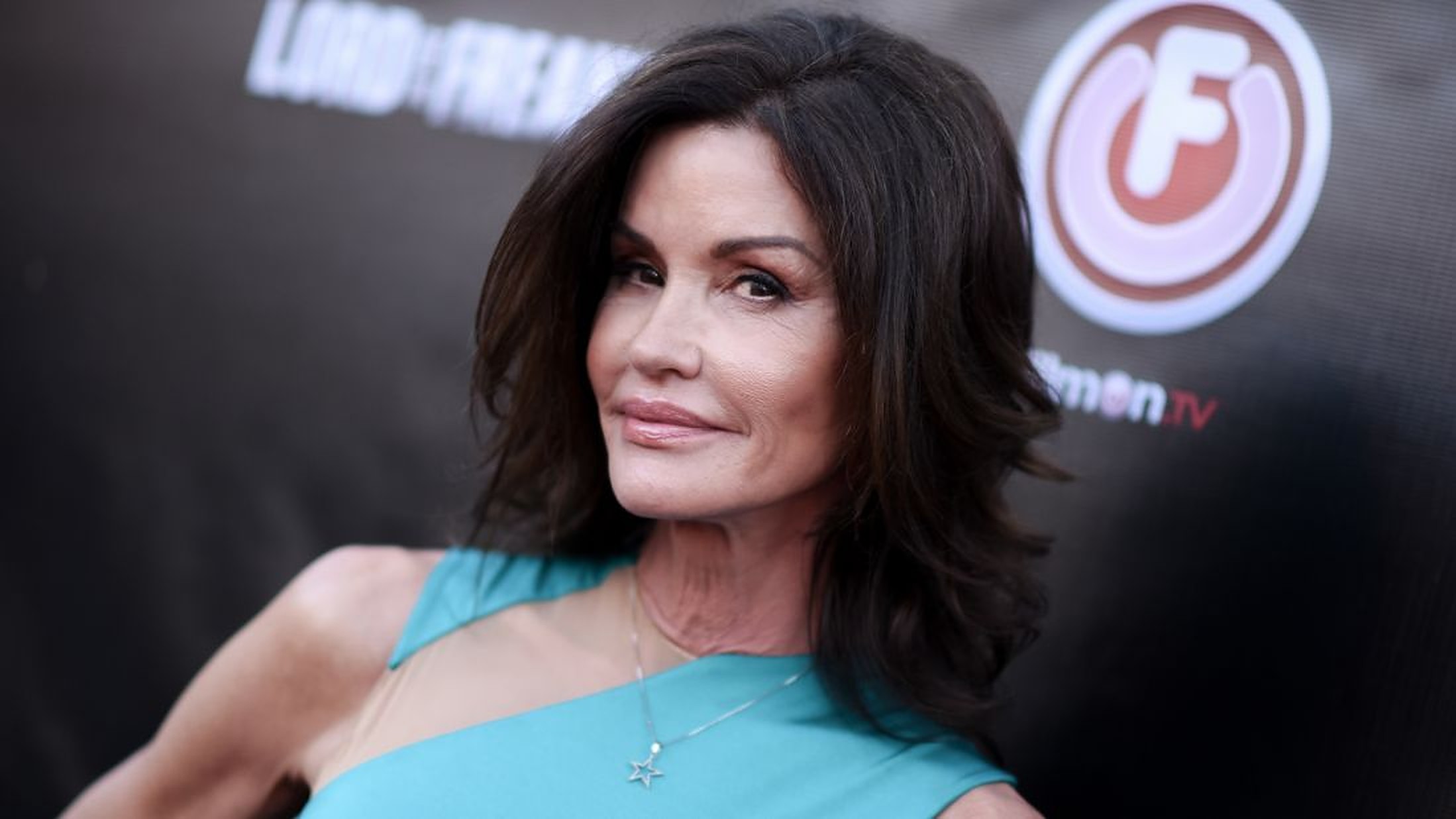
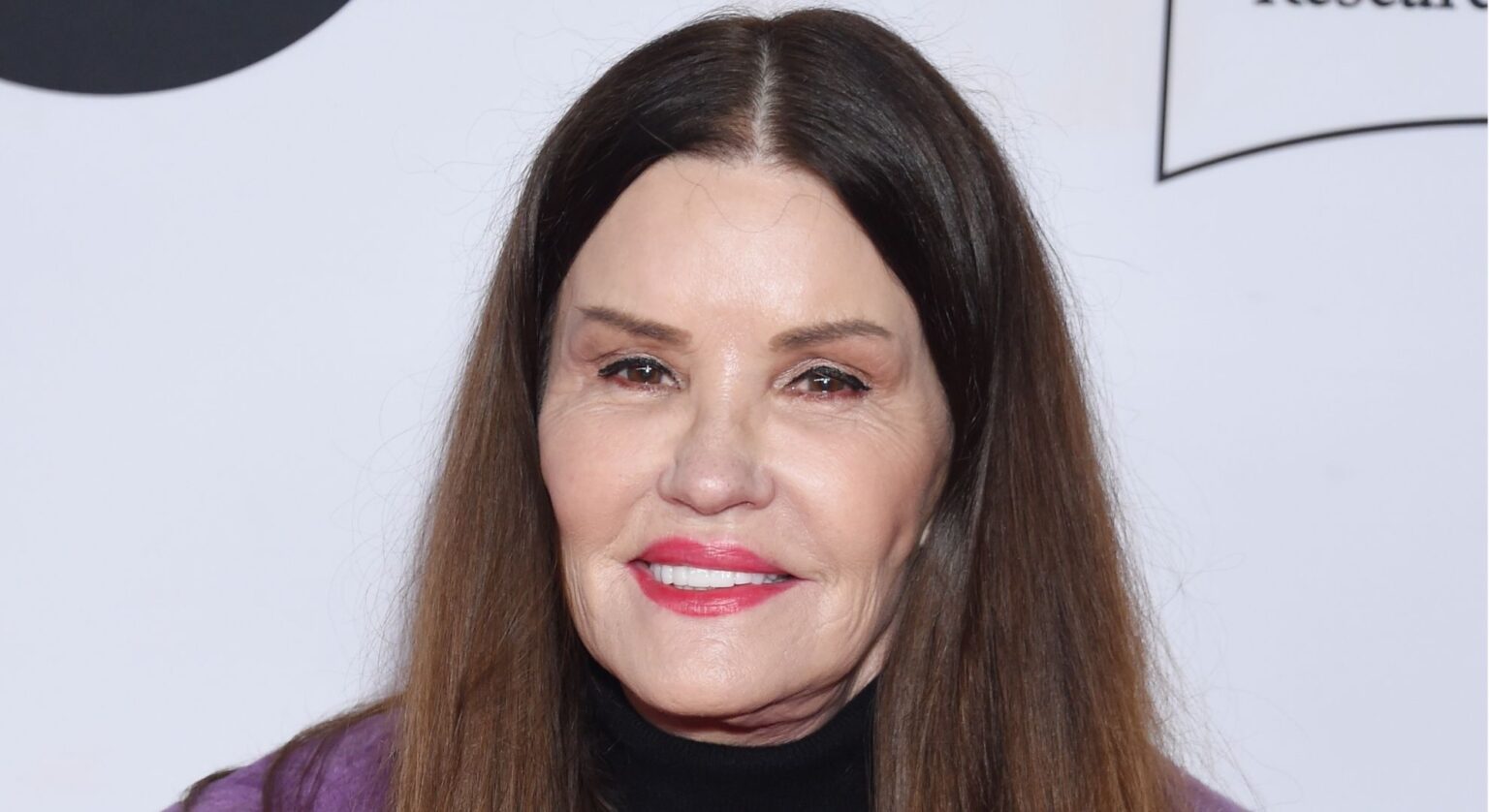
Janice Dickinson is widely recognized as the world’s first self-proclaimed "supermodel," a designation she pioneered in the late 1970s to reflect her immense commercial influence in the fashion industry. Her career spans decades of runway, editorial, and television work, during which she transitioned from a high-fashion icon to a reality television personality, entrepreneur, and outspoken cultural commentator.
The Rise of a Fashion Icon: Early Career and Modeling Success
Janice Dickinson’s entry into the modeling world in the 1970s coincided with a shift in the aesthetic of the fashion industry. After moving to New York City in the mid-1970s, she quickly secured work with high-profile photographers and designers. Unlike the softer, more conventional looks popular in previous decades, Dickinson brought a sharp, angular, and ethnically ambiguous look that allowed her to capture the attention of industry giants.
She became a staple on the covers of major international fashion magazines, including Vogue, Harper's Bazaar, and Elle. Her ability to pivot between high-fashion editorial work and mass-market commercial advertising made her one of the most bankable models of the era. It was during this period that Dickinson claims to have coined the term "supermodel" while talking to her agent, arguing that her work output and public recognition surpassed the traditional classification of a standard fashion model. This branding move cemented her status as a pioneer in how models viewed themselves as individual "brands" rather than merely vessels for designers' clothes.
Transition to Television and Reality Media
As the modeling industry evolved in the 1990s and early 2000s, Dickinson successfully translated her recognizable persona into the burgeoning world of reality television. Her most significant impact in this medium came with her role as a judge on the hit reality competition show America's Next Top Model (ANTM).
Starting in 2003, she served as a judge for the first four cycles of the series. Her role was that of the sharp-tongued, no-nonsense industry expert who provided brutal, often unfiltered, feedback to aspiring models. This role reinforced her reputation for candor and provided a masterclass in industry expectations for the show's contestants. Following her departure from ANTM, she launched her own reality series, The Janice Dickinson Modeling Agency, which documented her efforts to start her own talent management company. This project highlighted a different side of her career: that of the business owner attempting to navigate the complexities of talent scouting, brand management, and the often volatile nature of the fashion industry.
Career Milestones and Comparative Impact
To understand the scope of Dickinson's career, it is necessary to examine the evolution of the professional model from the 1970s through the mid-2020s. The following table provides a snapshot of how her career milestones align with different phases of the fashion and media landscape.
| Era | Primary Role | Key Achievement | Industry Context |
|---|---|---|---|
| 1970s–1980s | Runway & Editorial Model | Establishing "Supermodel" status | Expansion of global high-fashion influence |
| 1990s | High-Fashion Veteran | Established Agency Consultation | Transition toward celebrity-model hybrid |
| 2000s | Reality Television Judge | America’s Next Top Model | The rise of the model-as-personality |
| 2010s–2020s | Media Commentator | Published Memoirs & Advocacy | Integration of digital branding and legacy |
Business Ventures and the Modeling Agency Model
Dickinson's decision to open her own modeling agency was rooted in her decades of experience observing the power imbalances within the industry. By shifting from the person in front of the lens to the person signing the contracts, she sought to apply the lessons she learned during her peak years. The reality series centered on her agency served to demystify the process of casting, grooming, and marketing talent.
While the agency faced the typical pressures of any startup—securing clients, managing personality clashes, and keeping overhead low—it served as a platform for Dickinson to advocate for models to take more agency over their own careers. Her advice often centered on the importance of self-advocacy, understanding contract terms, and the necessity of building a professional image that is resistant to the fleeting whims of fashion trends.
The Role of Personal Brand in the Modern Media Landscape
In the 2020s, the "supermodel" designation has evolved significantly due to the advent of social media. Where Dickinson once relied on magazine covers and television appearances to maintain visibility, contemporary models leverage digital platforms to communicate directly with their audience.
Dickinson remains a relevant figure because she was one of the first to treat her personal life, opinions, and appearance as part of her "product." This approach is now standard practice, but she was a frontrunner in adopting it. By being unapologetically vocal about her experiences—including the systemic issues within the modeling world, her struggles with substance abuse, and her recovery—she opened the door for more transparent, humanized portrayals of public figures.
Navigating Industry Challenges and Controversies
No discussion of Dickinson’s career would be complete without acknowledging the turbulence that accompanied her public profile. Her candid nature often placed her at the center of media controversies. From her public feuds with other industry figures to her legal battles and disclosures regarding personal abuse, Dickinson has consistently forced the public and the media to reckon with her narrative on her own terms.
Her legal advocacy work, particularly her high-profile involvement in cases concerning sexual assault allegations against powerful figures in the entertainment industry, shifted public perception of her from that of a "reality TV villain" to a victim-advocate. This evolution of her public image demonstrates a key theme in her career: resilience. Whether facing the rejection that comes with aging in an image-conscious industry or navigating the complexities of the legal system, Dickinson has consistently maintained a public presence that demands attention.
Expert Guidance: Lessons for Aspiring Professionals
For those looking to understand the mechanics of the modeling and entertainment industry, Dickinson’s career offers several practical takeaways:
- Understand Your Value: The concept of the "supermodel" was not just a title; it was a negotiation tactic. Knowing what you bring to the table allows you to demand fair compensation.
- Adaptability is Key: Dickinson’s ability to transition from the runway to the judges' table and then to reality production shows that long-term success requires diversifying your skill set.
- Authenticity Matters: Even when that authenticity is abrasive or controversial, it creates a connection with the audience that is difficult to manufacture. In an era of curated social media feeds, raw honesty stands out.
- Advocacy and Protection: The fashion industry can be exploitative. Learning the legal and contractual side of the business is just as important as mastering the craft of modeling or performing.
Frequently Asked Questions
1. Was Janice Dickinson actually the first supermodel? While the term has been debated by fashion historians, Dickinson is widely credited with popularizing the term in the late 1970s. She positioned herself as a "super" model to reflect the intensity of her workload and her status as a cultural icon, distinct from the typical commercial models of the time.
2. How did her role on America’s Next Top Model change her career? The show introduced her to a new generation of viewers who were not familiar with her runway work in the 1970s and 1980s. It rebranded her as a sharp-witted television personality and established her as a mentor figure, albeit one with a very specific, aggressive teaching style.
3. What is the current status of her modeling agency? The Janice Dickinson Modeling Agency served as a project and reality show vehicle during the 2000s. Since then, Dickinson has shifted her focus toward media commentary, guest appearances, and public advocacy, rather than maintaining a traditional brick-and-mortar agency operation.
4. How has her approach to media changed over time? Early in her career, she relied on professional photographers and magazine editors to curate her image. In later years, she has taken full control of her public narrative through memoirs, television appearances, and social media, prioritizing her personal voice over industry-mandated aesthetics.
5. Why is Dickinson’s advocacy work significant? Dickinson’s willingness to speak publicly about sensitive personal topics, including her experiences with assault and addiction, has helped shift the conversation around accountability in the entertainment industry. She has used her platform to ensure that the voices of those who have historically been silenced are heard.
Moving Forward: The Legacy of a Trailblazer
As of 2026, Janice Dickinson remains a singular figure in the annals of fashion and television. Her legacy is defined not just by the covers she graced or the shows she led, but by the precedent she set for the celebrity-model archetype. She proved that a model could be more than a passive face—she could be a personality, a business owner, and a cultural force.
For those interested in the history of the fashion industry, studying Dickinson’s trajectory provides a clear map of how the industry moved from the traditional editorial structures of the 20th century to the personality-driven media landscape of the 21st. Her career stands as a testament to the power of self-determination in an industry that often seeks to commodify the individual. Whether through her pioneering branding or her later advocacy, she has ensured that her voice remains central to any discussion about the professional model's place in modern culture.