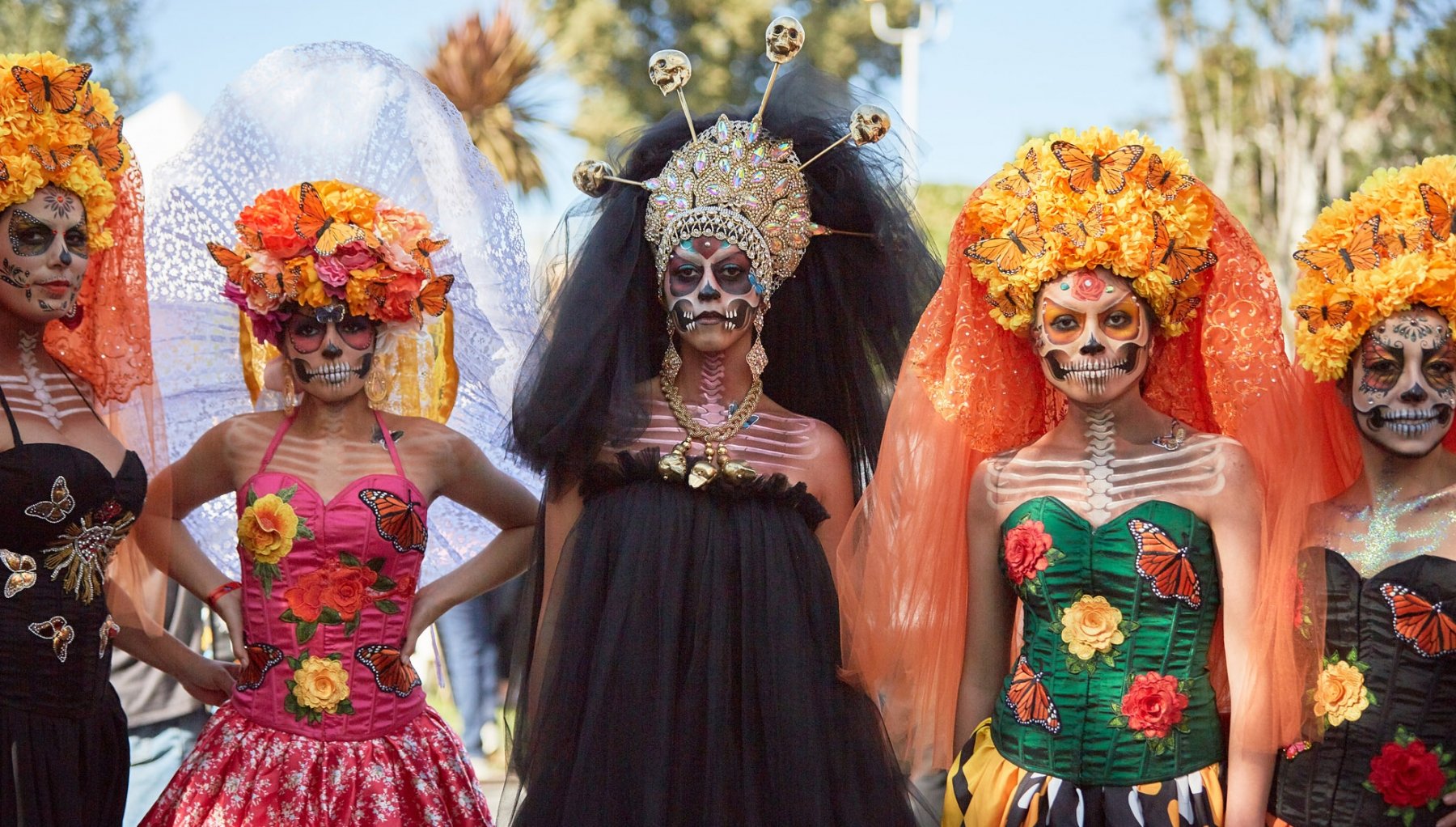
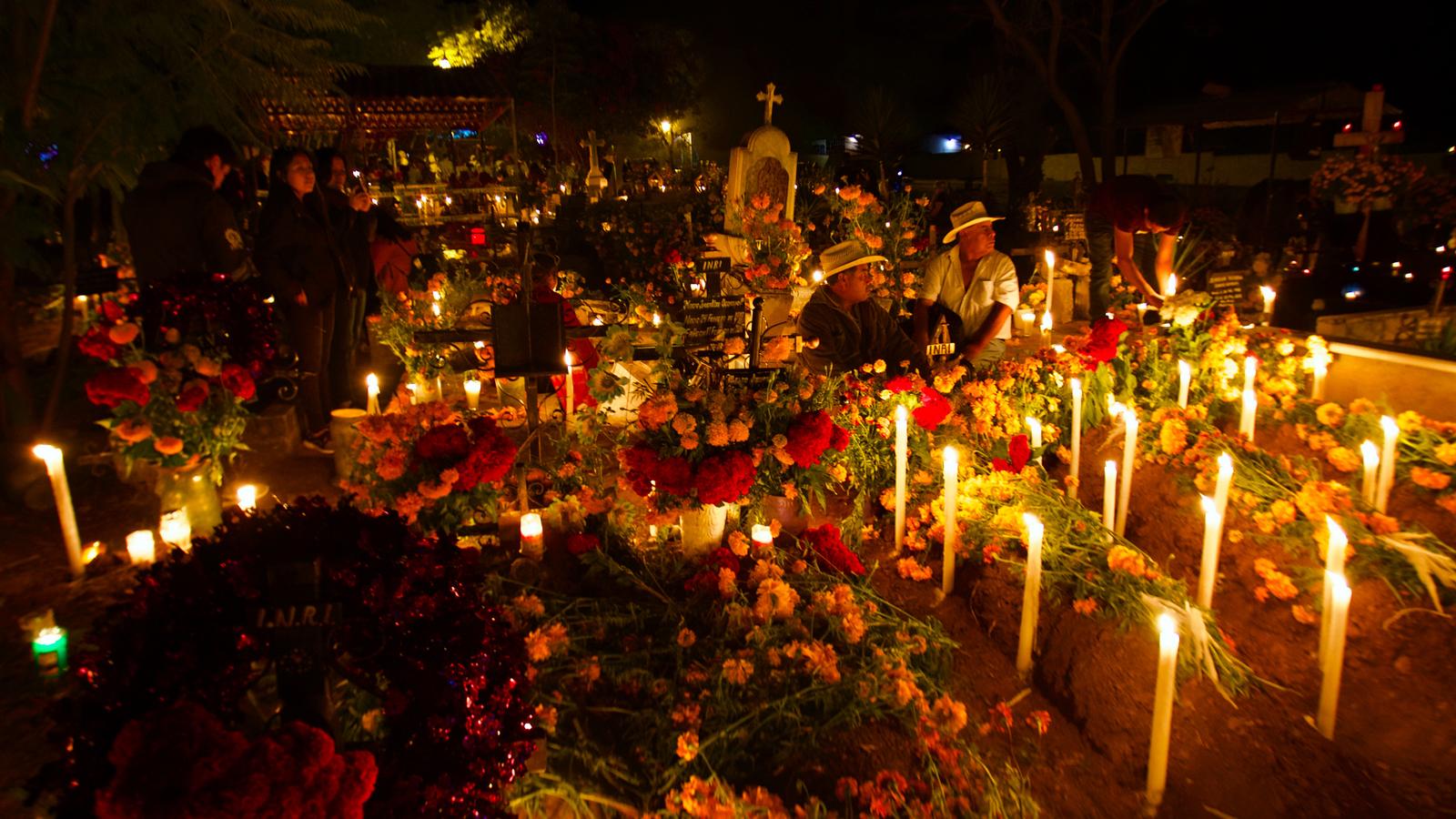
The Day of the Dead, known traditionally as Día de los Muertos, is a deeply rooted cultural celebration originating in Mexico that honors deceased loved ones through vibrant altars, food offerings, and joyful remembrance rather than mourning. Exploring this holiday reveals a rich tapestry of indigenous Aztec traditions blended with European Catholic history, offering a unique perspective on mortality, family continuity, and cultural heritage.
Introduction to Día de los Muertos and Its Global Significance
Understanding the Day of the Dead requires moving past common misconceptions. Many people outside Latin America mistakenly view the holiday as a Mexican equivalent to Halloween due to its proximity on the calendar and its imagery of skeletons and skulls. In reality, Día de los Muertos is a sacred and joyous occasion dedicated to welcoming the souls of the departed back to the earthly realm for a brief annual reunion.
The celebration spans two primary days: November 1st, often called Día de los Inocentes (Day of the Innocents), which honors deceased children, and November 2nd, which focuses on deceased adults. Far from being a morbid festival, it is an affirmation of life, a cultural expression of communal memory, and a philosophical stance that views death as a natural phase of the human continuum. Examining five fascinating facts about this tradition provides a comprehensive look at how communities celebrate, learn, and preserve this heritage.
Fact 1: Ancient Indigenous Roots Pre-Date Spanish Colonization
While the modern observance of the Day of the Dead aligns with the Catholic calendar—specifically All Saints' Day and All Souls' Day—its true origins stretch back thousands of years into pre-Columbian Mesoamerica. Long before Spanish conquistadors arrived in the 16th century, indigenous groups such as the Aztec, Nahua, and Toltec held month-long festivals dedicated to the goddess Mictecacihuatl, known as the "Lady of the Dead," and the ruler of the underworld, Mictlan.
The Evolution of Mictlan
In Aztec cosmology, death was not the absolute end of existence, nor was it divided into a binary concept of eternal heaven and hell. Instead, the destination of a soul depended on the manner of one's death. Those who died of natural causes traveled through nine challenging levels of Mictlan, the underworld, a journey that took four years.
Families would place offerings (ofrendas) along the path or at burial sites to help the deceased navigate these trials. When Spanish friars introduced Catholicism to the region, indigenous populations cleverly wove their traditional beliefs about the afterlife into the new European holy days, creating a syncretic celebration that survived centuries of political and religious shifts.
Fact 2: The Ofrenda Is a Map and a Welcome, Not a Shrine of Worship
At the heart of every Día de los Muertos celebration is the ofrenda, or offering altar, constructed in homes and public spaces. A common point of confusion is whether these altars are objects of worship. They are not; rather, they serve as welcoming waystations designed to guide wandering spirits back to the warmth of their families.
| Altar Level | Symbolic Meaning & Traditional Contents |
|---|---|
| Top Tier | Religious icons, pictures of saints, and portraits of the specific honored deceased. |
| Middle Tier | Food, water, salt, pan de muerto, and favorite items (mezcal, music, tobacco) to nourish the returning souls. |
| Bottom Tier | Copal incense, lit candles for every dead relative, and fresh cempasúchil flowers. |
Constructing an ofrenda requires careful attention to specific elements, each carrying profound symbolic weight:
- Water: Offered to quench the thirst of the traveling soul after its long journey from the spirit world.
- Salt: Symbolizes the purity of the soul and prevents the body from corrupting during its earthly visit.
- Copal Incense: The fragrant smoke purifies the surrounding area and lifts prayers directly to the heavens.
- Photographs: Placed centrally to ensure the spirit recognizes its specific family altar.
Fact 3: Marigolds and Sugar Skulls Serve Distinct Practical and Artistic Purposes
The visual aesthetic of the Day of the Dead is globally recognized, dominated by bright orange marigolds and intricately decorated sugar skulls (calaveras de azúcar). These elements are not merely decorative; they carry specific historical and sensory functions.
The Guided Path of the Cempasúchil
The flower of the dead, known scientifically as Tagetes erecta and locally as cempasúchil (marigold), possesses a pungent, unmistakable aroma. According to tradition, this strong scent acts as a sensory beacon, guiding souls from the cemetery or the spirit realm directly to the family's doorstep. Petals are frequently plucked and scattered to form golden pathways leading from the street to the base of the ofrenda.
The Origin of Sugar Skulls
The tradition of sugar skull art stems from a combination of 17th-century Italian missionary influence and abundant local sugar production. Using a technique known as alfeñique, artisans mold sugar paste into skull shapes, decorating them with vibrant icing, foil, and beads. The skull represents the acceptance of the human lifecycle, reminding the living that death is an inevitable, universal reality that should be faced with beauty rather than fear.
Fact 4: UNESCO Recognition Protected the Holiday from Cultural Erasure
By the late 20th century, globalization and the heavy cultural influence of neighboring nations threatened to overshadow traditional practices in parts of Mexico, with younger generations increasingly gravitating toward commercialized Halloween festivities.
A major turning point occurred in 2003 when UNESCO (United Nations Educational, Scientific and Cultural Organization) inscribed the Day of the Dead on its Representative List of the Intangible Cultural Heritage of Humanity.
This prestigious designation formally recognized Día de los Muertos as a masterwork of oral and intangible heritage. The recognition prompted educational institutions, cultural organizations, and local governments throughout Mexico and the diaspora to heavily invest in preserving authentic rituals. It shifted global perception, transforming the holiday from a localized folk custom into a celebrated global symbol of cultural resilience and ancestral respect.
Fact 5: Regional Variations Prove the Holiday Is Not a Monolith
A common misconception is that the Day of the Dead is celebrated identically across every region of Mexico and Latin America. In practice, the holiday features diverse local customs that reflect specific indigenous histories, geographic conditions, and community values.
- Michoacán and Lake Pátzcuaro: Celebrations here are world-famous for their solemnity and beauty. Families travel by boat to the island of Janitzio carrying candles and offerings, spending the entire night in the local cemetery vigiling by the gravesites.
- Oaxaca: Known for its elaborate comparsas (costumed parades), street music, and markets filled with specialized black pottery and floral arrangements, Oaxaca offers a vibrant, community-wide immersion into the holiday.
- Mexico City: While historically celebrated in private homes and quiet cemeteries, the capital has popularized massive public parades featuring giant skeletal puppets and elaborate floats, largely inspired by cinematic depictions in films like Spectre and Coco.
Frequently Asked Questions
Is the Day of the Dead the same thing as Halloween?
No. While both holidays occur at the beginning of November and involve themes of mortality, their origins, meanings, and practices differ entirely. Halloween has Celtic pagan roots tied to warding off ghosts, whereas the Day of the Dead is a joyous indigenous and Catholic syncretic tradition dedicated to welcoming deceased family members back home.
Why are skeletons depicted laughing and dancing on the Day of the Dead?
Depicting skeletons in joyful everyday activities—playing instruments, dancing, or riding bicycles—reflects a philosophical stance that mocks death. It emphasizes that death comes for everyone, so life should be lived with joy, humor, and a lack of fear regarding the inevitable.
What is Pan de Muerto and what does it symbolize?
Pan de Muerto is a traditional sweet bread baked specifically for the holiday. It is typically dusted with sugar and decorated with bone-shaped dough pieces. The round shape symbolizes the circle of life, while the top bumps represent bones and tears shed for the departed.
Can non-Mexican individuals participate in the Day of the Dead?
Yes, provided participation is approached with genuine respect, cultural understanding, and an appreciation for its indigenous roots. Many communities worldwide now host public altars and educational workshops that welcome cultural exchange and shared remembrance.
Practical Next Steps for Learning and Observing
For those interested in deepening their understanding of Día de los Muertos, start by exploring local cultural centers, museums, or botanical gardens that host authentic community altars during early November. Reading works by Mexican historians and poets, such as Nobel laureate Octavio Paz, provides profound insight into the philosophical relationship between Mexican culture and mortality.
When observing or participating in celebrations, prioritize educational integrity over commercial trends. Support authentic artisans who handcraft traditional sugar skulls, ceramic calaveras, and woven textiles, ensuring that the living heritage of this remarkable celebration continues to thrive.