A rigorous film analysis of 2024 cinema reveals a transformative year marked by post-strike release adjustments, the cooling of traditional superhero dominance, and the triumphant resurgence of auteur-driven spectacle, body horror, and psychological character studies. Rather than relying on rigid franchise formulas, 2024 films prioritized visceral visual language, complex moral ambiguity, and deep thematic explorations of identity, technology, and systemic anxiety.
The Macro Environment: How 2024 Reshaped Cinema
The cinematic output of 2024 cannot be accurately evaluated without understanding the industrial disruptions that preceded it. Following the prolonged Writers Guild of America (WGA) and SAG-AFTRA strikes of 2023, Hollywood studios faced delayed production schedules, reshuffled release calendars, and a recalibrated box office strategy.
Rather than signaling a decline in cinematic engagement, these structural disruptions created space for mid-budget films, independent features, and international co-productions to capture critical mindshare and commercial traction. Audience fatigue toward formulaic cinematic universes reached a turning point, accelerating a shift toward distinct directorial voices and original conceptual storytelling.
- 2024 Industrial & Artistic Shifts
- Industrial Recalibration
- Post-strike slate delays
- Superhero fatigue peak
- Space for mid-budget film
- Artistic & Thematic Shifts
- Resurgence of Body Horror
- Mythic & Political Allegory
- Subversive Genre Blending
- Industrial Recalibration
The Decline of the Assembly-Line Blockbuster
For over a decade, studio slates were anchored by serialized franchise installments built on interconnected universe building. In 2024, audience receptivity to this model declined noticeably. Except for targeted, self-referential hits like Deadpool & Wolverine, high-budget intellectual property (IP) releases frequently underperformed when they relied on audience familiarity rather than standalone artistic merit.
This shift forced studio executives and film scholars to reassess what drives theatrical engagement. Films that succeeded in 2024 offered urgent, immersive experiences that justified the communal theatrical setting through singular vision, high-contrast cinematography, and tactile sound design.
The Rise of High-Concept Originality and Auteur Spectacle
In contrast to traditional IP reliance, directors operating with strong auteur identities delivered some of the year's most commercially viable and critically acclaimed projects. Filmmakers leveraged large formats, tactile visual design, and uncompromising narratives to draw viewers back to theaters. Denis Villeneuve's Dune: Part Two demonstrated that sci-fi epics could achieve massive commercial success while maintaining uncompromising artistic integrity, complex political allegory, and formal visual rigor.
Core Thematic Currents in 2024 Cinema
A systematic analysis of 2024 films highlights several recurring thematic motifs that reflect broader cultural, technological, and existential concerns.
Dominant Thematic Currents in 2024
- The Body as a Battlefield: Physical Dysmorphia & Societal Gaze (The Substance, I Saw the TV Glow)
- Political & Mythic Allegory: Imperial Decay & Societal Collapse (Dune: Part Two, Civil War)
- Intimacy & Power Dynamics: Competitive Tension & Class Friction (Challengers, Anora, Sing Sing)
1. The Body as a Battlefield: Visceral Horror and Identity Dysmorphia
Body horror experienced an unprecedented critical and commercial resurgence in 2024. Directors used the physical form as an explicit site for exploring societal expectations, aging, media saturation, and gendered violence.
- Corpus Distortion and Societal Pressure: Coralie Fargeat’s The Substance served as a stark critique of ageism and unattainable beauty standards within modern media culture. By utilizing practical special effects, exaggerated sound design, and intense color palettes, the film turned bodily transformation into an unbearable visual dialogue on self-loathing.
- Media Saturation and Transgender Nostalgia: Jane Schoenbrun’s I Saw the TV Glow approached bodily and psychological horror through a quieter, melancholic lens. The film analyzed how media consumption can act as both a refuge and a prison for closeted identities, utilizing neon lighting, surreal set design, and deliberate pacing to evoke dysphoria and unfulfilled potential.
2. Mythic Ambition, Imperial Decay, and Political Disillusionment
Political themes in 2024 shifted away from simple ideological binaries, focusing instead on structural collapse, institutional distrust, and the dangerous appeal of charismatic authority.
- Religious Fanaticism and Empire: Dune: Part Two dismantled classic hero tropes by reframing Paul Atreides' ascension not as a traditional hero's journey, but as a cautionary tragedy regarding manufactured messiahs and imperial exploitation. The film used monumental architecture, brutalist set construction, and monochrome cinematography (notably during the Harkonnen arena sequence on Giedi Prime) to visually articulate fascist aestheticism.
- Journalistic Neutrality and Domestic Fracture: Alex Garland’s Civil War presented a dystopian view of a shattered United States. Rather than clarifying the ideological origins of the conflict, the film focused on the desensitization of photojournalists capturing atrocities. The technical emphasis on stark audio dynamics—interspersing absolute silence with deafening gunfire—stressed the visceral reality of violence over political rhetoric.
3. Intimacy, Power Dynamics, and Subversive Character Studies
Relationships in 2024 cinema were frequently depicted as transactional battlegrounds defined by class, ambition, and psychological warfare.
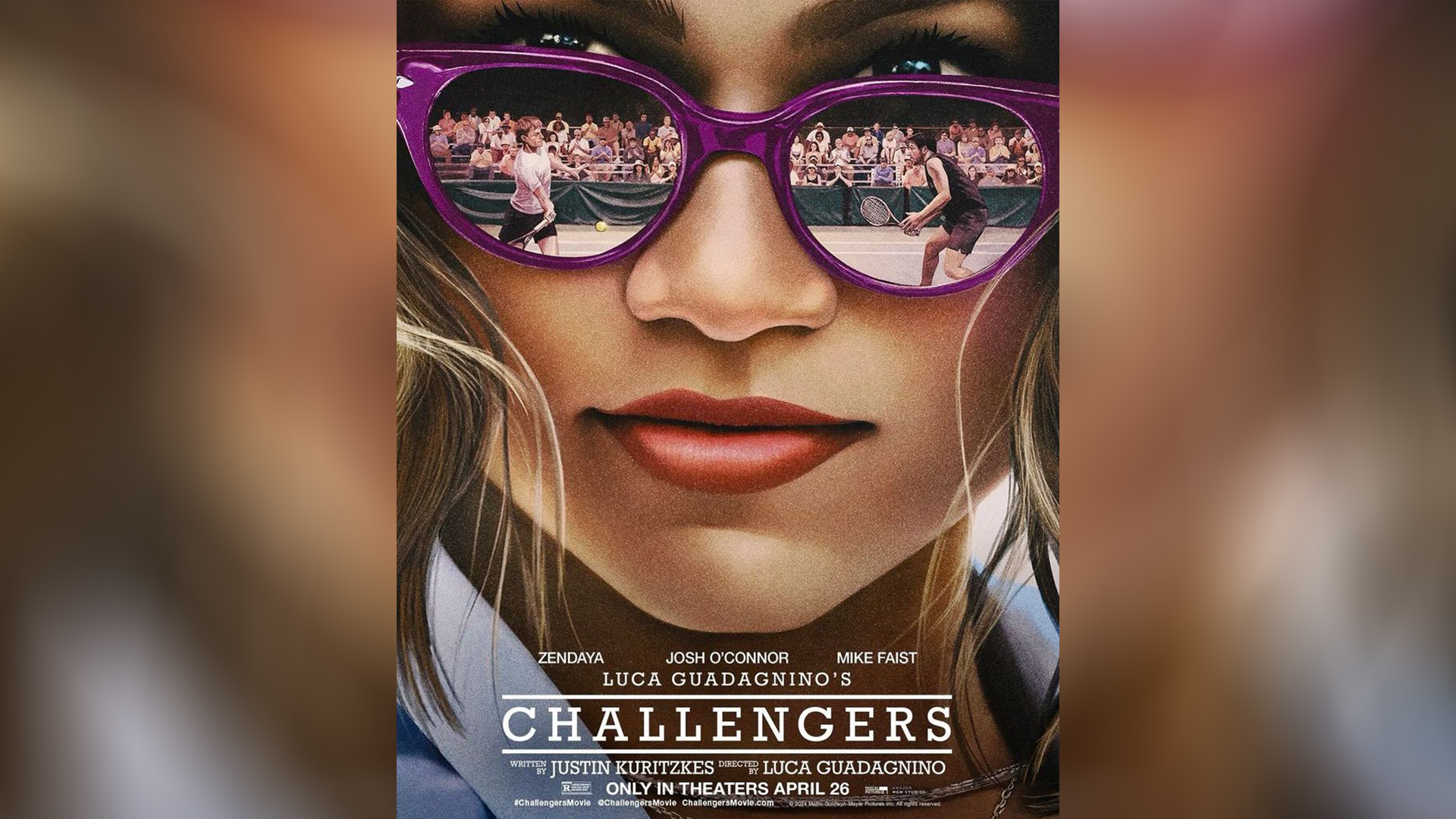
- Sensory Tension and Kinetic Editing: Luca Guadagnino’s Challengers re-engineered the sports drama into an intense trial of romantic and professional control. Through dynamic camera movements, point-of-view shots, and an electrifying electronic score by Trent Reznor and Atticus Ross, the film treated athletic competition as a direct metaphor for emotional leverage.
- Class Subversion and Economic Realism: Sean Baker’s Palme d'Or-winning Anora balanced frantic screwball comedy with tragic economic realism. Baker’s signature naturalism examined the power imbalance between marginalized sex workers and wealthy oligarchs, demonstrating how financial privilege trivializes human vulnerability.
- Artistic Empathy Within Institutional Walls: Greg Kwedar’s Sing Sing explored identity, rehabilitation, and human dignity within the correctional system. Relying on authentic performances from formerly incarcerated actors, the film stood out for its restrained camera work and deep emotional resonance, proving that quiet human observation remains one of cinema's most potent tools.
Technical and Stylistic Innovations of 2024
Visual and auditory techniques in 2024 moved away from flat digital aestheticism, prioritizing distinct textures, bold sound scapes, and unconventional editing structures.
Practical Effects vs. Digital Texture
A major visual trend in 2024 was the conscious return to tactile visual filmmaking. While computer-generated imagery (CGI) remained essential for high-budget productions, key directors integrated CGI with physical sets, miniature models, and practical prosthetics.
- Practical Prosthetics: In The Substance, practical effects created an immediate physical impact that digital visual effects rarely achieve, evoking the visceral horror classics of David Cronenberg and John Carpenter.
- Format Choices: High-profile releases favored large-format film stocks (such as 70mm and IMAX digital/analog hybrid captures). Dune: Part Two utilized specialized infrared cameras for foreign planetary environments, demonstrating how technical camera selection directly builds world-building logic.
Auditory Storytelling and Kinetic Editing
Sound design and editing choices in 2024 were designed to create sensory immersion rather than simply support the visual frame:
- Macro Sound Design: Extreme close-up audio editing—amplifying squishing, slicing, and breathing noises—was central to setting the unsettling tone of horror and suspense titles throughout the year.
- Dynamic Score Integration: Electronic, driving synthesizer scores were paired with high-speed physical actions (as seen in Challengers), converting standard dialogue scenes into high-stakes sequence rhythm.
- Subjective Camera Angles: Directors increasingly placed cameras within object viewpoints (such as a tennis ball in Challengers or a photojournalist's viewfinder in Civil War) to force audiences into immediate physical perspective with the action.
Key Comparative Breakdown of 2024 Masterpieces
The following matrix compares major films of 2024 across key analytical axes: technical methodology, thematic focus, structural tone, and critical execution.
| Film Title | Director | Dominant Genre / Style | Primary Analytical Theme | Key Visual & Auditory Hallmark |
|---|---|---|---|---|
| Dune: Part Two | Denis Villeneuve | Sci-Fi / Epic Allegory | Religious Fanaticism & Imperial Power | Infrared monochrome shots; monumental scale; tactile sound design |
| The Substance | Coralie Fargeat | Body Horror / Satire | Beauty Standards & Physical Dysmorphia | Extreme close-ups; visceral practical effects; vibrant color contrast |
| Challengers | Luca Guadagnino | Psychological Drama / Sports | Relational Power Dynamics & Ambition | Subjective POV shots; kinetic editing; driving synthesizer score |
| Anora | Sean Baker | Naturalistic Drama / Comedy | Class Exploitation & Economic Disparity | Handheld 35mm photography; real-time pacing; raw improvisational dialogue |
| Civil War | Alex Garland | Dystopian / Thriller | Desensitization & Media Neutrality | Stark audio dropouts; photojournalistic frame compositions |
| I Saw the TV Glow | Jane Schoenbrun | Surrealist Horror / Indie | Identity Dysphoria & Media Nostalgia | Neon-saturated lighting; dream-logic editing; haunting ambient score |
| Sing Sing | Greg Kwedar | Realist Drama | Institutional Humanization & Healing | Understated natural light; documentary-style intimacy; authentic casting |
Methodology: How to Conduct a Systematic 2024 Film Analysis
To perform a thorough film analysis on titles from 2024, critics, scholars, and students should apply a structured, multi-layered approach. Analyzing contemporary film requires examining narrative design alongside technical craftsmanship, industrial history, and cultural relevance.
4-Step Film Analysis Methodology
- Step 1: Structural & Narrative Deconstruction
- Map plot architecture, character arcs, and thematic subtext
- Step 2: Formal Visual & Auditory Grammar Analysis
- Evaluate lens choices, lighting patterns, color, and sound design
- Step 3: Industrial & Contextual Grounding
- Assess budget levels, distribution strategies, and studio politics
- Step 4: Theoretical & Cultural Synthesis
- Apply film theory (e.g., Auteur theory, Feminist theory, Class)
Step 1: Deconstruct Narrative Architecture and Subtext
Begin by separating the surface narrative (the plot) from the thematic subtext (what the film is fundamentally arguing).
- Identify the central conflict and evaluate whether it is internal (psychological), external (environmental), or systemic (institutional).
- Examine how character motives align with or challenge the film's overarching worldview. For instance, analyze whether a character's failure is presented as an individual flaw or the result of a corrupt environment.
Step 2: Evaluate Visual and Auditory Grammar
Do not limit analysis to screenwriting; cinema is primarily a sensory medium.
- Cinematography: Analyze framing choices. Are shots tightly framed to create claustrophobia (e.g., The Substance), or wide and expansive to convey isolation (e.g., Dune: Part Two)?
- Color Theory: Observe recurring color motifs. Note how shifted palettes indicate changes in state of mind or plot transitions.
- Editing & Pacing: Measure shot length and cut frequency. Rapid, rhythmic cuts generate physical tension, while long takes force the audience to sit with uncomfortable silence or awkward interactions.
- Sound Architecture: Assess the balance between diegetic sound (sound originating from within the film's world) and non-diegetic sound (the musical score or external narration).
Step 3: Ground the Film in Its Industrial Context
Evaluate how production constraints, distribution channels, and economic factors influenced the final artistic vision.
- Was the film designed specifically for an immersive premium format like IMAX, or optimized for digital streaming platforms?
- How did production parameters—such as indie financing versus studio backing—shape creative freedoms or structural limits?
Step 4: Apply Relevant Theoretical Frameworks
Utilize established film theories to deepen the textual critique:
- Auteur Theory: How does this work fit into the director’s broader body of work, recurring visual signatures, and ongoing thematic interests?
- Feminist and Gender Theory: How are bodies framed? Who holds the narrative gaze, and how are power dynamics expressed across gender lines?
- Marxist/Class Analysis: How are labor, financial wealth, and economic desperation depicted within the film's world?
Common Pitfalls to Avoid in Contemporary Film Criticism
When analyzing modern films, critics often fall into analytical habits that weaken the depth of their assessment.
1. Reducing Criticism to Plot Summaries
A common mistake in film analysis is spending most of the text recapping story beats rather than analyzing how and why those beats are constructed. A strong analysis assumes the reader knows the general plot or focuses on deconstructing mechanics rather than simply retelling events.
2. Conflating Box Office Performance with Artistic Quality
Equating financial performance with artistic merit leads to skewed conclusions. While box office analytics offer insight into marketing efficacy and audience trends, commercial success does not equate to cinematic quality—nor does commercial underperformance render a complex film a failure.
3. Neglecting Technical Craft
Focusing exclusively on dialogue and thematic messages while ignoring camera movement, focal length, sound design, and color grading reduces film analysis to literary critique. Cinema relies on visual and sound elements; every technical element represents a deliberate artistic choice.
Frequently Asked Questions
What defined the film industry's creative direction in 2024?
The year 2024 was defined by a pivot away from standard, assembly-line franchise cinema toward auteur-driven blockbusters, visceral body horror, and sharp, mid-budget character studies. Following industrial shifts and changing viewer habits, audiences favored distinct visual direction, bold practical effects, and high-concept original ideas over formulaic cinematic universes.
Why did body horror experience a resurgence in 2024?
Body horror gained major prominence in 2024 because it provided a direct visual framework for exploring modern anxieties surrounding aging, unrealistic physical standards, media saturation, and identity dysmorphia. Films like The Substance and I Saw the TV Glow used physical transformation and visceral practical effects to make abstract psychological distress immediately tangible to audiences.
How did 2024 blockbusters differ from previous years?
Unlike earlier eras dominated by lighthearted, heavily digitized superhero entries, 2024 blockbusters embraced darker themes, physical production techniques, and formal visual artistic control. Productions like Dune: Part Two balanced high commercial appeal with complex political commentary, serious narrative tone, and large-format cinematic composition.
What is the best framework for writing a formal film analysis of a 2024 movie?
A thorough analysis should balance four key elements: narrative deconstruction (themes, subtext, and character arcs), formal technical critique (cinematography, sound design, editing, and visual choices), industrial context (production conditions, release strategy, and studio dynamics), and film theory application (such as auteur theory or social critique).
How did post-strike delays impact film releases in 2024?
The 2023 WGA and SAG-AFTRA strikes reshuffled 2024 release calendars, forcing studios to postpone several high-profile studio projects. This disruption freed up theatrical space and audience attention for independent films, mid-budget projects, and international releases, allowing singular artistic voices to achieve greater critical and commercial visibility.
Next Steps for Film Scholars and Analysts
To apply these analytical frameworks to 2024 cinema, consider taking these structured steps:
- Select a Comparative Pair: Choose two 2024 films that address similar themes using contrasting visual styles (for example, compare the physical horror of The Substance with the psychological dysphoria of I Saw the TV Glow).
- Conduct a Scene-by-Scene Shot Deconstruction: Select a single key sequence from a chosen film. Log every shot duration, camera angle, lighting setup, and sound element to map how technical choices generate narrative tension.
- Consult Primary Production Resources: Review technical interviews with cinematographers, production designers, sound engineers, and editors in trade journals such as American Cinematographer or publications from the British Film Institute to ground your theoretical reading in verified production realities.