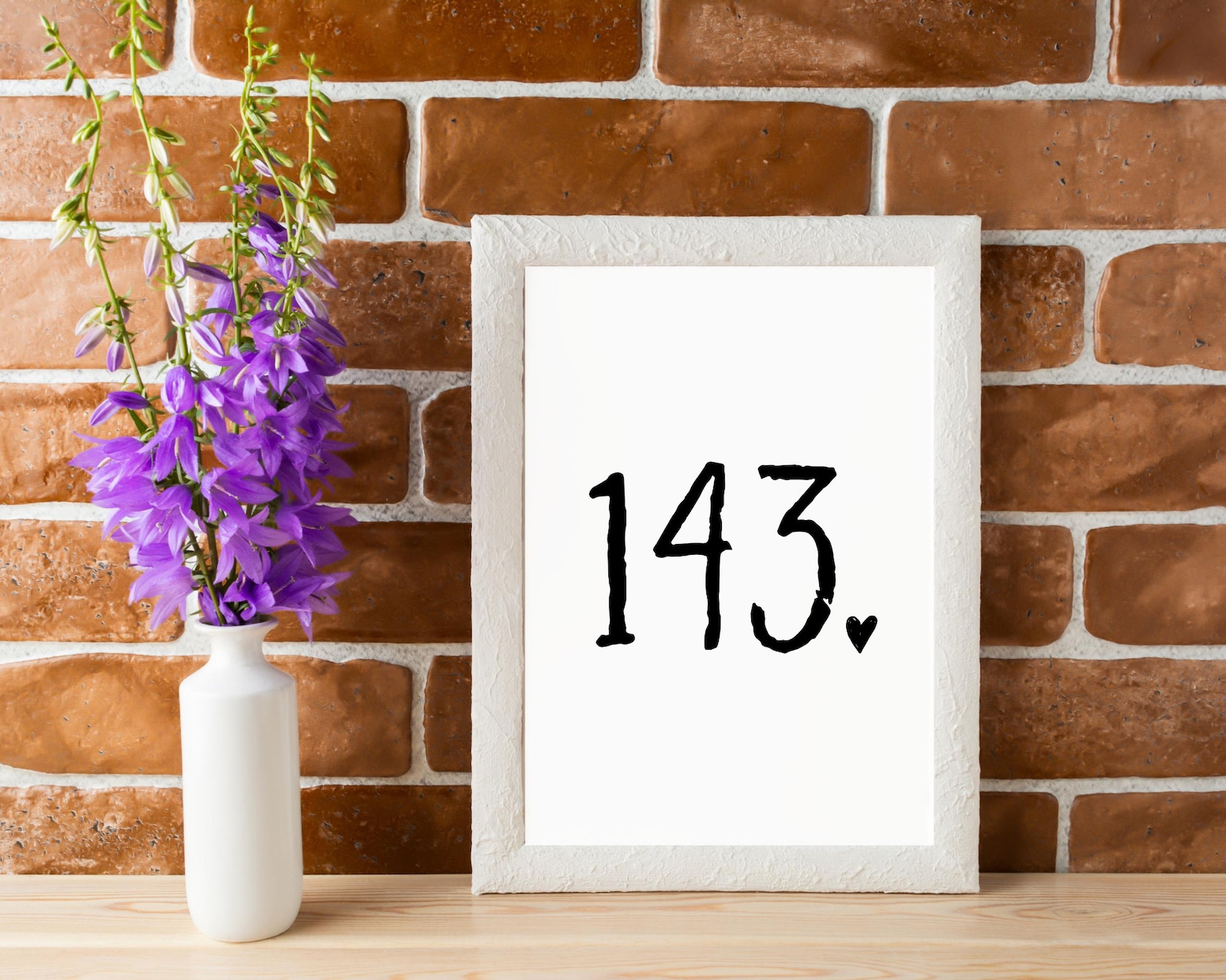
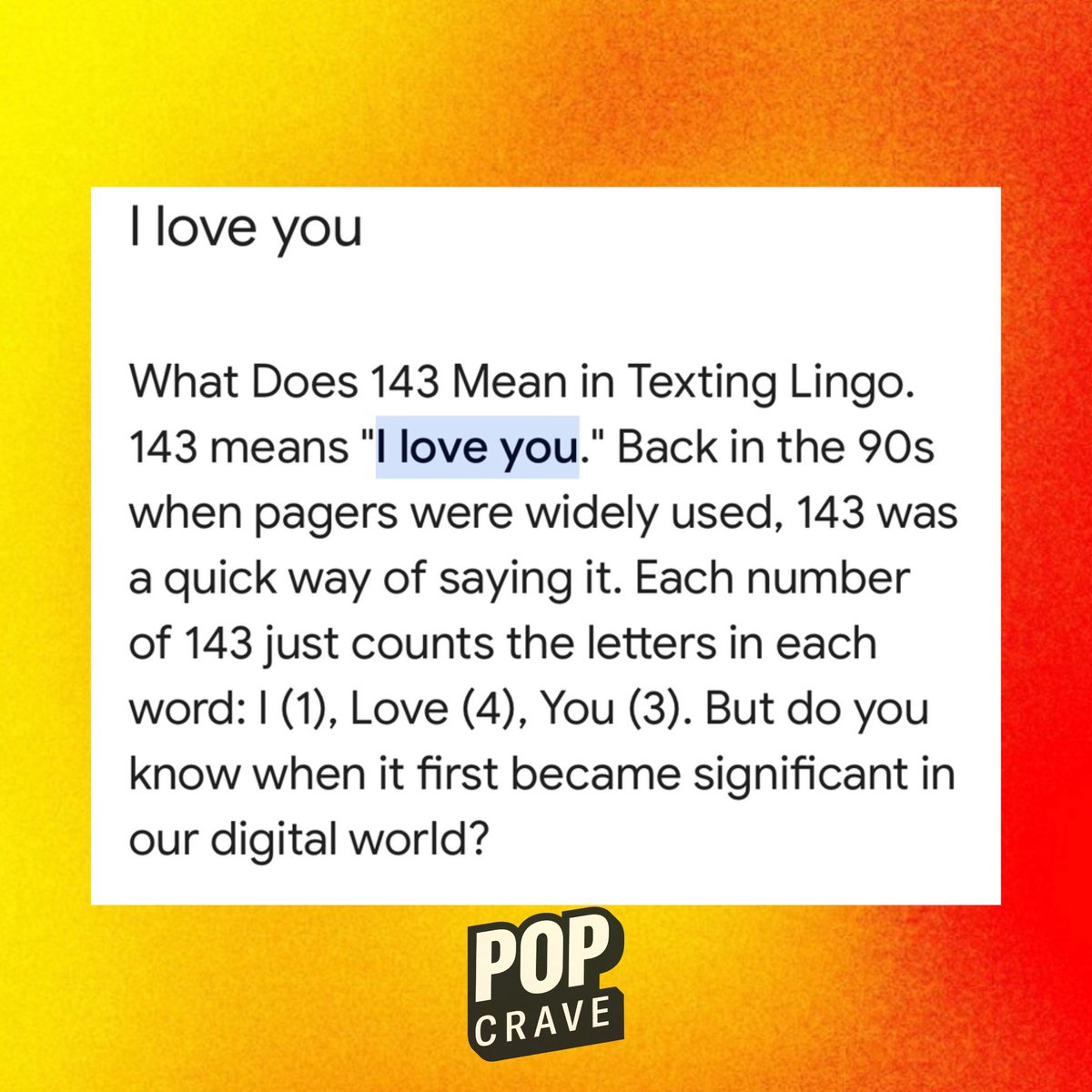
The number 143 is a widely recognized numeric shorthand for the phrase "I love you," with the individual digits representing the letter count of each word. Emerging from late-20th-century pager culture, it has evolved into a versatile symbol of affection used across text messaging, social media, and popular culture.
The Origin and Literal Breakdown of 143
To understand the core meaning of 143, one must look at how the code is constructed. Each digit corresponds directly to the number of letters in a standard English sentence expressing affection:
- 1 represents "I" (1 letter)
- 4 represents "love" (4 letters)
- 3 represents "you" (3 letters)
This numerical code is an example of digit communication—a practice born out of technical necessity rather than artistic styling. Long before smartphones featured full QWERTY keyboards and predictive text, communication technology was heavily constrained.
The Pager Era and Numeric Pagers
In the 1980s and 1990s, numeric pagers (often called beepers) were the primary mobile communication devices for teenagers, young adults, and professionals on the go. These devices could not transmit text messages; they could only display numbers.
When a user received a page, they saw a callback number on an LCD screen. However, people quickly realized they could use the numeric display to send short codes.
- 911 signaled an emergency.
- 73 (borrowed from amateur radio code) meant "best regards."
- 143 became the ubiquitous shorthand for romantic or platonic love when a quick numerical page was the only option available.
Evolution from Pagers to Modern Digital Communication
As telecommunications transitioned from numeric pagers to text-enabled devices like two-way pagers, early mobile phones utilizing SMS (Short Message Service), and eventually internet instant messaging clients (such as AOL Instant Messenger and ICQ), numerical slang evolved.
While full text typing became easier, short codes like 143 retained a distinct cultural footprint. They offered a quick, casual, or sometimes coy way to express affection without spelling it out fully. In early internet chat rooms and forums, character limits and the fast-paced nature of communication kept numeric slang relevant.
Today, 143 appears across numerous digital mediums:
- Text Messaging: Used between romantic partners, family members, or close friends as a swift sign-off.
- Social Media: Found in Instagram captions, TikTok comments, and X (formerly Twitter) posts to convey warmth concisely.
- Pop Culture: Referenced in music, fashion, and television shows as a nostalgic nod to late-90s communication trends.
Variations and Extended Numerical Codes
The popularity of 143 paved the way for a broader ecosystem of numeric codes used to convey nuanced emotional states. While 143 remains the foundational expression of affection, variations have emerged to add context, intensity, or alternative meanings.
| Numeric Code | Expanded Meaning | Context and Usage |
|---|---|---|
| 143 | I love you | Standard shorthand for affection, suitable for friends, family, and partners. |
| 1432 | I love you too | Used as a direct, reciprocal response to receiving a "143" message. |
| 14344 | I love you very much | An intensified variation adding emphasis to the base phrase. |
| 73 | Best regards / Love and kisses | An older amateur radio code occasionally adopted alongside pager slang. |
| 637 | Always and forever | Another digital-era code representing the letter counts of "always" (6), "and" (3), and "forever" (7). |
Psychological and Social Implications of Numeric Shorthand
The persistence of codes like 143 highlights how humans adapt language to fit technological constraints and social norms. Using a number instead of words introduces a layer of emotional safety. For younger demographics or those in early-stage relationships, typing "143" can feel less vulnerable or intimidating than spelling out "I love you" in full text.
Conversely, among long-term partners or families, using 143 often becomes an inside joke or a low-friction habit. It functions much like saying "love you" while hanging up a phone—automatic, comforting, and culturally understood without requiring heavy emotional elaboration.
Frequently Asked Questions About 143
What does 143 mean in text messages?
In text messages, 143 means "I love you." The numbers correspond to the letter count of each word: 1 for "I", 4 for "love", and 3 for "you". It is used as a quick, casual way to express affection.
Where did the number 143 originate?
The code originated during the pager era of the late 1980s and 1990s. Because numeric pagers could only display numbers and not text, users invented numeric codes like 143 to communicate messages quickly.
Is 143 only used for romantic love?
No. While it is frequently used between romantic partners, 143 is also commonly exchanged between family members, close friends, and peers as a general expression of care and platonic appreciation.
What is the difference between 143 and 1432?
While 143 means "I love you," adding a "2" at the end (1432) stands for "I love you too." It serves as a natural reciprocal reply in fast-paced text conversations.
Are there other numeric codes like 143?
Yes. Other common examples include 637 ("always and forever"), 459 ("I love you" based on phone keypad letters), and 823 ("thought of you today"). However, 143 remains the most widely recognized and enduring code.
Next Actions for Digital Communicators
If you encounter 143 in a message, recognize it as a friendly or affectionate sign-off rooted in digital history. You can respond with 1432 to return the sentiment, reply with a simple "Love you too," or simply acknowledge the message contextually. Understanding these historical digital idioms helps bridge generational communication gaps and provides insight into how human connection adapts to technological change.