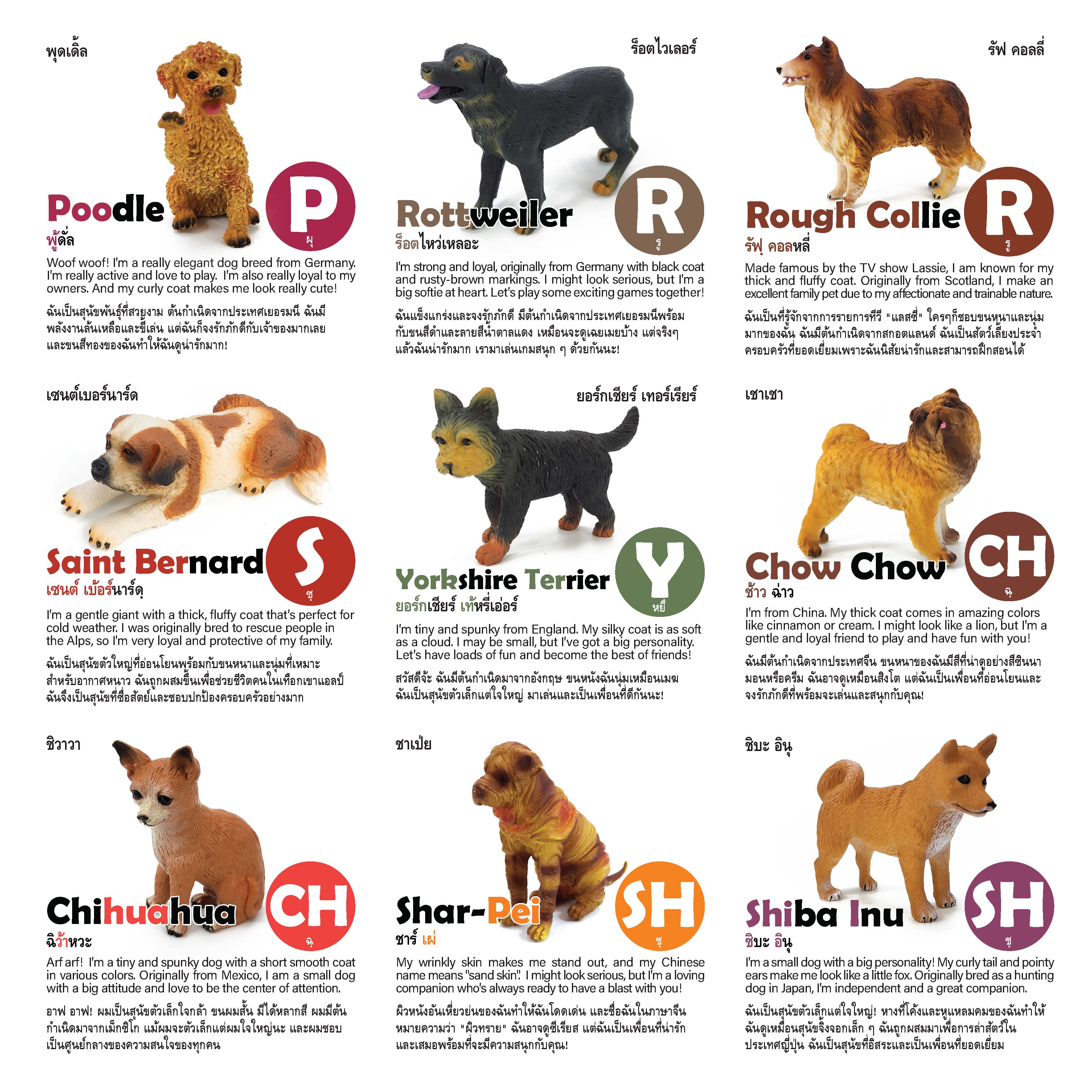
Choosing the right canine companion requires looking past initial appearances to understand historical purposes, physical traits, exercise requirements, and grooming needs. Different dog types vary significantly in temperament, healthcare considerations, and living space adaptability, making thorough research essential for prospective owners.
The domestic dog exhibits a wider variety of body shapes, sizes, and behavioral profiles than almost any other land mammal, a diversity driven by centuries of selective breeding. Canine classification systems typically group these animals into distinct types based on their original working roles—such as herding, guarding, hunting, or companionship—rather than purely genetic lineage. Recognizing these classifications helps owners anticipate behavioral instincts and fulfill physical requirements properly.
1. Labrador Retriever: The Versatile Family Companion
Labrador Retrievers consistently rank among the most popular companion animals globally due to their gentle disposition, intelligence, and adaptability. Originally developed in Newfoundland to help fishermen haul nets and retrieve fish, these dogs possess a strong work ethic and an affinity for water.
Physical Characteristics and Care Needs
Labs feature a sturdy, athletic build with a distinctive "otter tail" that acts as a rudder while swimming. Their short, dense, water-resistant double coat requires weekly brushing, though they shed heavily twice a year. Adults typically weigh between 55 and 80 pounds, depending on sex and line (American versus English types).
Behavioral Profile and Training
Renowned for their high trainability, Labs excel in obedience, agility, service work, and tracking. However, their high energy levels demand at least 60 to 90 minutes of daily physical activity. Without adequate exercise and mental stimulation, young Labradors may develop destructive chewing habits or excessive jumping due to their prolonged puppyhood, which often lasts up to three years.
2. German Shepherd: The Intelligent Guardian
German Shepherds are large, muscular working dogs developed in Germany primarily for herding sheep. Over time, their intelligence, courage, and loyalty led them to dominate roles in police work, military operations, search and rescue, and personal protection.
Temperament and Socialization Needs
A well-socialized German Shepherd is confident, courageous, and deeply loyal to the household. Because of their strong protective instincts, early and continuous socialization with diverse people, animals, and environments is vital to prevent over-protection or unwarranted suspicion.
Health and Maintenance
This breed stands between 22 and 26 inches at the shoulder and weighs from 50 to 90 pounds. They require substantial mental engagement alongside physical exertion, such as puzzle toys, tracking games, or obedience trials. Common health considerations for the breed include hip and elbow dysplasia, as well as degenerative myelopathy. Prospective owners should verify that breeding stock has been health-screened by organizations like the Orthopedic Foundation for Animals (OFA).
3. French Bulldog: The Urban Apartment Dweller
French Bulldogs, affectionately known as "Frenchies," have surged in popularity for their compact size, affectionate nature, and minimal outdoor exercise requirements. They feature large, bat-like ears and a smooth, short coat that comes in various colors, including brindle, fawn, and pied.
Living Requirements and Health Challenges
Weighing under 28 pounds and standing less than 13 inches tall, Frenchies thrive in apartments and smaller living spaces. They require only short daily walks to maintain a healthy weight.
As a brachycephalic (short-nosed) breed, French Bulldogs are sensitive to high temperatures and heavy humidity. Their anatomical structure limits their ability to cool themselves efficiently through panting, making air-conditioned indoor environments essential during hot weather. Furthermore, due to their heavy front ends and narrow hips, most Frenchies cannot swim safely and require constant supervision near water.
4. Golden Retriever: The Gentle, Eager-to-Please Athlete
Golden Retrievers share many traits with Labradors but are easily distinguished by their luxurious, water-repellent golden coats and feathery fur on their legs and tail. Bred in Scotland as gun dogs to retrieve waterfowl, Goldens possess a soft mouth designed to carry game without damaging it.
Grooming and Maintenance
The dense, water-resistant double coat requires thorough brushing two to three times a week to prevent mats and tangles, with increased brushing frequency during seasonal shedding periods. Regular ear cleaning is also necessary, as their heavy, dropped ears can trap moisture and lead to infections.
Temperament
Known for an exuberant, friendly outlook on life, Goldens maintain a playful puppy-like demeanor well into adulthood. They bond closely with humans and thrive in active households where they can participate in hiking, swimming, and interactive play.
5. Bulldog: The Sturdy, Docile Companion
Often referred to as the English Bulldog, this breed presents a distinctive heavy, thick-set, low-slung body with a massive wrinkled head and pushed-in nose. Despite a somewhat formidable historical background in bull-baiting, modern Bulldogs have been selectively bred for a gentle, dependable, and affectionate disposition.
Exercise and Care Limitations
Bulldogs require minimal exercise—a short daily walk is usually sufficient. Overexertion in warm weather must be strictly avoided due to their brachycephalic respiratory system. Owners must clean their facial wrinkles regularly with damp cloths and dry them thoroughly to prevent skin fold dermatitis caused by trapped moisture.
6. Poodle (Standard, Miniature, and Toy): The Intelligent Hypoallergenic Athlete
Poodles are recognized not only for their distinctive historical haircuts but also for exceptional intelligence that places them among the smartest dog breeds. Recognized in three size varieties—Standard, Miniature, and Toy—all share the same build, proportions, and curly, low-shedding coat.
Coat and Allergy Considerations
While no dog is completely hypoallergenic, Poodles produce fewer allergens because their continuous-growing curly coat traps dander rather than releasing it into the environment. However, this coat type requires professional grooming every four to six weeks and daily brushing to prevent severe matting.
7. Beagle: The Tenacious Scent Hound
Beagles are compact, sturdy hounds bred primarily for tracking hare and rabbit through scent. Known for their soulful expression and expressive vocalizations—often described as a mix of a bark and a howl—Beagles make delightful, mischievous companions for active owners.
Instincts and Containment
Beagles possess an extraordinary sense of smell that frequently overrides their recall training. When they catch an interesting scent, their hunting instincts kick in, and they will ignore commands. Consequently, Beagles should always be exercised in securely fenced areas or kept on a leash during walks.
8. Rottweiler: The Powerful and Loyal Protector
Rottweilers are robust, powerful working dogs with a black-and-tan coat, tracing their ancestry back to Roman drover dogs. They possess an innate instinct to guard their family and property, combining strength, endurance, and quiet confidence.
Training and Leadership
Rottweilers require firm, consistent, positive-reinforcement training from an experienced owner. Without proper socialization and structured obedience, their powerful guarding instincts can become unmanageable. Early exposure to different people, animals, and household routines ensures a balanced, stable adult temperament.
9. Dachshund: The Fearless "Sausage Dog"
Bred in Germany to tunnel underground and flush out badgers and other burrowing animals, Dachshunds feature elongated bodies and short legs. They come in two sizes (Standard and Miniature) and three coat varieties: smooth, longhaired, and wirehaired.
Spinal Health Precautions
Due to their elongated spine and short ribcage, Dachshunds are particularly susceptible to Intervertebral Disc Disease (IVDD). Owners must take precautions to protect their backs, such as discouraging jumping off beds, couches, or stairs by providing ramps, and supporting their hindquarters when lifting them.
10. Siberian Husky: The Arctic Endurance Runner
Siberian Huskies were developed by the Chukchi people of Siberia to pull heavy loads across vast, frozen expanses over long distances. Their striking wolf-like appearance, piercing blue or multicolored eyes, and thick double coat make them visually stunning.
Exercise and Escape Artist Tendencies
Huskies possess boundless energy and a high prey drive. Standard neighborhood walks are rarely sufficient; they require vigorous, sustained physical activity like running, biking, or pulling sports (skijoring). Furthermore, Huskies are notorious escape artists who can dig under fences, climb wire, or slip out of collars, requiring secure, high-walled enclosures.
11. Australian Shepherd: The High-Drive Herding Partner
Despite the name, the Australian Shepherd was developed in the United States to work on ranches, herding livestock. Known for striking merle coat patterns and heterochromia (different-colored eyes), Aussies are intensely focused workaholics.
Mental Stimulation Needs
Aussies require a "job" to stay content, whether that is participating in herding trials, agility courses, flyball, or advanced obedience training. Without sufficient mental and physical engagement, they may attempt to herd children, pets, or moving objects by nipping at heels.
12. Boxer: The Playful, High-Energy Athlete
Boxers are medium-to-large, square-headed dogs known for their boundless exuberance, clownish personality, and deep devotion to children. Developed in Germany, Boxers served as hunting and police dogs before becoming popular family pets.
Temperament and Exercise
Boxers maintain a puppy-like enthusiasm for life well into their senior years. They require vigorous daily exercise to burn off excess energy and prevent boredom-related behavioral issues. Their short coats require minimal grooming, but they are sensitive to extreme temperatures.
13. Yorkshire Terrier: The Feisty Toy Companion
The Yorkshire Terrier, or Yorkie, is a toy breed developed in nineteenth-century Yorkshire, England, by weavers working in mills, where the small dogs caught rats and mice. Despite weighing under seven pounds, Yorkies possess a bold, confident terrier personality.
Coat Maintenance
Unlike breeds with fur, Yorkies have fine, human-like hair that continuously grows. If kept in a traditional long, silky show coat, daily brushing and wrapping are required. Many pet owners choose a shorter "puppy cut" to drastically reduce daily maintenance time while keeping the dog comfortable.
14. Great Dane: The Gentle Giant
Great Danes combine immense size with a gentle, affectionate disposition. Standing 30 inches or taller at the shoulder and weighing up to 175 pounds, they tower over most other breeds while acting like lap dogs in the home.
Health and Longevity Considerations
Due to their massive size, Great Danes have a relatively short lifespan—typically six to eight years. They are also prone to gastric dilatation-volvulus (GDV), commonly known as bloat, a life-threatening emergency where the stomach twists. Owners must monitor feeding habits, avoid vigorous exercise immediately after meals, and discuss preventive prophylactic gastropexy with their veterinarian.
Comparison of Selected Dog Types and Traits
| Breed Name | Size Category | Average Weight | Coat Maintenance | Primary Exercise Need | Typical Lifespan |
|---|---|---|---|---|---|
| Labrador Retriever | Large | 55–80 lbs | Moderate (Weekly) | High (60–90 mins) | 10–12 years |
| German Shepherd | Large | 50–90 lbs | Moderate-High (Frequent) | High (90+ mins) | 7–10 years |
| French Bulldog | Small | Under 28 lbs | Low (Weekly wipe down) | Low (20–30 mins) | 10–12 years |
| Poodle (Standard) | Large | 45–70 lbs | High (Professional grooming) | High (60+ mins) | 12–15 years |
| Siberian Husky | Medium | 35–60 lbs | High (Heavy seasonal shedding) | Very High (90+ mins) | 12–14 years |
| Great Dane | Giant | 110–175 lbs | Low (Weekly) | Moderate (45–60 mins) | 6–8 years |
Frequently Asked Questions
Which dog breed is best for first-time owners?
First-time owners often benefit from breeds known for high trainability, forgiving temperaments, and moderate exercise needs, such as Labrador Retrievers, Golden Retrievers, or Papillons. These breeds tolerate training mistakes well and adapt easily to standard household routines. Conversely, high-drive working or guarding breeds like Malinois or Huskies require experienced handlers who understand complex behavioral management.
How do I know if a dog is hypoallergenic?
No dog is 100% hypoallergenic, as all dogs produce dander, saliva, and urine proteins that trigger allergic reactions. However, low-dander, single-coated, or continuously growing hair breeds—such as Poodles, Maltese, and Bichon Frises—shed significantly less hair, trapping dander against the skin rather than releasing it into household air. Prospective owners with allergies should spend time interacting with a specific breed before committing.
How much daily exercise does a high-energy dog need?
Working and herding breeds like Australian Shepherds, Border Collies, and Siberian Huskies generally require a minimum of 90 minutes to two hours of vigorous physical exercise daily, combined with mental challenges like puzzle feeders or obedience drills. Without this outlet, these dogs frequently exhibit destructive chewing, excessive vocalization, or anxiety.
What are the financial costs of owning a dog?
Beyond initial adoption or purchase fees, dog ownership involves ongoing expenses including premium food, routine veterinary care, parasite prevention, grooming supplies, and licensing. Furthermore, emergency veterinary care can introduce substantial unexpected expenses. Prospective owners should budget reliably for a minimum of 10 to 15 years of continuous animal care.
When should I start training a new puppy?
Puppy training should begin the moment the puppy arrives home, typically around eight weeks of age. Early socialization—introducing the puppy to novel sounds, surfaces, people, and other vaccinated animals between 8 and 16 weeks—is critical for preventing fear and aggression in adulthood. Positive reinforcement methods yield the fastest, most reliable results during this developmental window.
Conclusion and Next Actions
Selecting the right dog type requires an honest assessment of your living space, available free time, financial resources, and activity level. Research individual breeders or rescue organizations thoroughly, prioritize health-screened lineage, and prepare your home with appropriate supplies—such as crates, leash equipment, and veterinarian-approved nutrition—before welcoming your new companion.