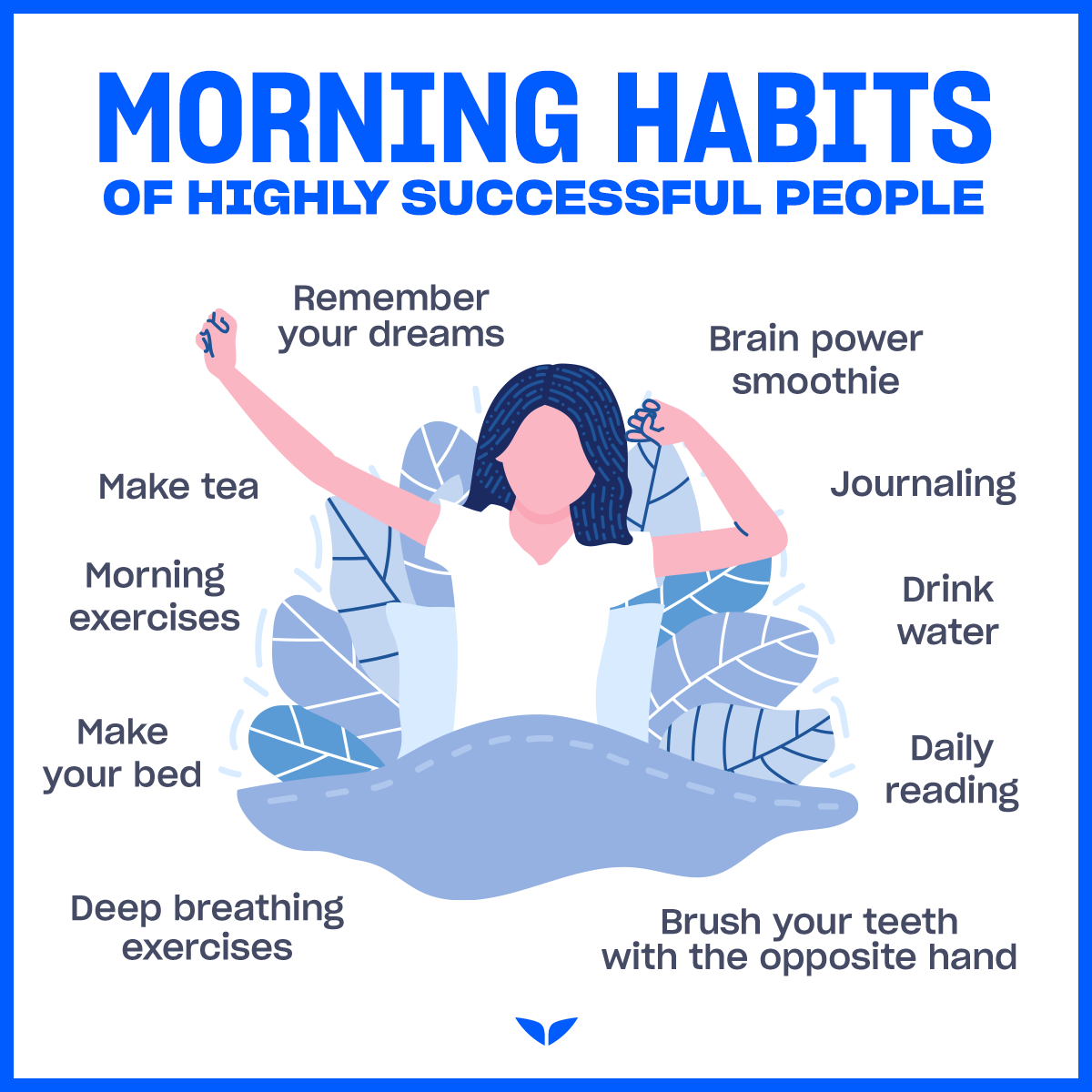
Establishing a consistent morning routine anchors your daily energy, focus, and productivity by aligning your biological clock, stabilizing blood glucose, and minimizing early cognitive fatigue. By integrating small, evidence-based practices into your first waking hour, you can optimize your metabolic rate, clear mental inertia, and set a resilient foundation for the challenges ahead.
Understanding the Morning Window and Circadian Biology
The transition from sleep to wakefulness represents a delicate biological shift. During this period, your body suppresses melatonin production while elevating cortisol—a natural phenomenon known as the cortisol awakening response (CAR). How you manage this initial window dictates your physiological baseline for the remainder of the day. Rather than reacting to external stressors like incoming emails or notifications, an intentional routine puts you in control of your neurochemistry.
Modern life often encourages an abrasive awakening: an abrupt alarm followed immediately by screen time. This pattern triggers an erratic adrenaline spike, predisposing the nervous system to chronic stress and fragmented focus. Conversely, a structured sequence of micro-habits signals safety to the autonomic nervous system, promoting steady cognitive endurance and physical vitality. The following ten habits are designed to work synergistically, addressing hydration, movement, mindset, and nutrition.
1. Delay Digital Stimulation
Reaching for your smartphone the moment you wake up hijacks your brain's dopamine pathways and forces your mind into a reactive state.
When you read emails, social media feeds, or breaking news immediately, you flood your cerebral cortex with information before it has fully transitioned from sleep spindles to active beta waves. This practice instantly spikes cortisol and fragments your attention span for the rest of the day.
How to Implement This Habit
- Establish a No-Phone Buffer: Keep your smartphone out of the bedroom, or at least across the room, forcing you to physically stand up to turn off your alarm.
- Use a Dedicated Alarm Clock: Invest in a standalone analog or digital clock to eliminate the temptation to check notifications first thing.
- Dedicate the First 30 Minutes: Reserve the opening half-hour of your day for analog activities such as stretching, journaling, or preparing breakfast in silence.
2. Rehydrate with Water Before Caffeine
During sleep, your body continues to respire and metabolize, resulting in mild nocturnal dehydration. Waking up dehydrated contributes to morning brain fog, fatigue, and sluggish cognitive performance.
Many people immediately reach for coffee, which acts as a diuretic and can further exacerbate fluid imbalances if the body is already depleted. Drinking water first thing jump-starts your metabolic rate and reactivates cellular function.
Best Practices for Morning Hydration
- The 500ml Rule: Keep a glass or reusable bottle of water on your nightstand and drink it before your feet hit the floor.
- Temperature Matters: Room-temperature or lukewarm water is generally gentler on an empty stomach than ice-cold water, which can occasionally trigger mild gastrointestinal cramping.
- Enhance with Electrolytes: If you sweat heavily during sleep or live in a dry climate, a pinch of unrefined sea salt or a trace mineral drop can optimize cellular uptake.
3. Seek Natural Sunlight Exposure
Your suprachiasmatic nucleus (SCN)—the brain’s master clock located in the hypothalamus—relies heavily on environmental light cues to synchronize your circadian rhythm.
Viewing natural sunlight within the first hour of waking triggers the suppression of residual melatonin, signals the production of daytime hormones, and sets a timer for healthy melatonin release later that evening, supporting restorative sleep.
Practical Steps for Light Ingestion
- Step Outside: Step onto a balcony, porch, or backyard for 10 to 15 minutes without sunglasses (prescription eyeglasses or contact lenses are fine).
- Embrace Overcast Days: Even on cloudy days, outdoor lux levels are exponentially higher than indoor lighting, providing the necessary photons to anchor your circadian biology.
- Window Limitations: Glass filters out much of the specific light spectrum required for circadian entrainment, so direct outdoor exposure is vastly superior to looking through a closed window.
4. Engage in Light Movement or Mobility Work
You do not need to execute a grueling high-intensity workout at 6:00 AM to reap the benefits of morning movement. In fact, heavy exertion when your spine is still fully hydrated from sleep can occasionally increase the risk of disc strain.
Instead, gentle mobility exercises, dynamic stretching, or a short walk lubricate the joints, stimulate lymphatic drainage, and increase blood flow to skeletal muscles and the brain.
Effective Morning Mobility Exercises
- Cat-Cow Stretches: Move through spinal flexion and extension to release nocturnal stiffness in the back.
- World’s Greatest Stretch: A dynamic lunge with a thoracic rotation that opens the hips, thoracic spine, and shoulders simultaneously.
- Light Walking: A 10-minute neighborhood stroll combines light movement with outdoor sunlight exposure, hitting two essential habits at once.
5. Practice Mindfulness or Breathwork
The transition from unconscious rest to conscious activity is an ideal window to cultivate cognitive resilience. Chronic mental reactivity often stems from an overactive default mode network (DMN) in the brain.
Engaging in structured mindfulness, meditation, or controlled breathwork down-regulates the sympathetic nervous system and activates the parasympathetic nervous system, fostering calm focus.
Techniques to Try
- Box Breathing (4-4-4-4): Inhale for 4 seconds, hold for 4 seconds, exhale for 4 seconds, and hold empty for 4 seconds. Repeat for 3 to 5 minutes.
- Physiological Sigh: Take two quick inhales through the nose followed by a long, slow exhale through the mouth. Doing this two or three times rapidly reduces autonomic arousal.
- Mindful Gratitude: Mentally list three specific, distinct things you appreciate before getting out of bed to prime your brain for positive pattern recognition.
6. Delay Caffeine Consumption
While coffee and tea are beloved morning rituals, consuming caffeine immediately upon waking can interfere with your body's natural alertness mechanisms.
Your body produces a natural surge of cortisol upon waking to help you feel alert. Introducing caffeine during this peak can blunt your natural cortisol response and contribute to an afternoon energy crash as caffeine competes with residual adenosine receptors.
Optimizing Your Caffeine Intake
- The 90-Minute Rule: Wait approximately 60 to 90 minutes after waking before consuming your first caffeinated beverage.
- Clear Adenosine First: Allow your body to naturally clear remaining adenosine—the sleep-promoting molecule—before introducing an adenosine receptor antagonist like caffeine.
- Pair with L-Theanine: If you drink green tea or match coffee with a supplement, L-Theanine helps smooth out the stimulant curve, preventing jitteriness and promoting calm focus.
7. Eat a Protein-Rich Breakfast
What you eat for your first meal dictates your blood glucose trajectory for the rest of the day. A high-carbohydrate breakfast—such as sweetened cereal, pastries, or sweet juices—causes a rapid spike in blood glucose followed by an insulin surge and subsequent crash, leading to brain fog and sugar cravings by mid-morning.
Prioritizing high-quality protein and healthy fats stabilizes blood sugar and supports neurotransmitter synthesis.
Protein-Forward Morning Options
- Whole Eggs and Greens: Pasture-raised eggs cooked with spinach or mushrooms provide complete amino acids and essential micronutrients.
- Greek Yogurt or Cottage Cheese: Unsweetened dairy paired with berries and chia seeds offers high protein content and gut-friendly probiotics.
- Savory Leftovers: Reject the Western construct of "breakfast foods" and opt for lean proteins like salmon, chicken, or tofu alongside vegetables.
8. Maintain a Consistent Wake-Up Time
Biological consistency is often more powerful than duration. Waking up at vastly different times between weekdays and weekends creates a phenomenon known as "social jetlag," which disrupts your metabolic health, sleep architecture, and cognitive performance.
Your internal circadian clock thrives on predictability, governing everything from hormone release to core body temperature fluctuations.
Strategies for Consistency
- Set a Fixed Anchor: Choose a wake-up time that you can realistically maintain seven days a week, varying it by no more than 30 to 45 minutes on weekends.
- Wind Down the Night Before: Consistency in the morning requires consistency at night; protect your sleep window by dimming lights 60 minutes before bed.
- Avoid the Snooze Button: Snoozing fractures your sleep into micro-fragments of low-quality rest, initiating a new sleep cycle that you cannot finish, leaving you feeling groggier than if you had simply gotten up.
9. Engage in Cognitive Activation or Learning
Once your physical body is hydrated, energized, and nourished, your brain is primed for focused intellectual engagement.
Instead of consuming passive media, feed your mind with active learning. This habit leverages your morning neuroplasticity window, making it an ideal time to acquire new information, solve complex problems, or review strategic goals.
Ways to Stimulate the Morning Mind
- Read Non-Fiction: Spend 15 minutes reading a book that challenges your perspective or expands your professional skill set.
- Journaling and Planning: Write out your top three high-leverage priorities for the day, establishing a clear map of execution so you avoid decision fatigue later.
- Language or Skill Practice: Spend a short block of time practicing a musical instrument, learning a foreign language, or working on a creative project.
10. Prepare Your Environment the Night Before
The efficiency of your morning routine is largely determined by the decisions you make the night before. Decision fatigue is a real psychological phenomenon; waking up without a pre-planned schedule forces you to make dozens of micro-decisions—what to wear, what to eat, where your keys are—depleting your cognitive reserve before the workday even begins.
Evening preparation is an act of self-care for your future morning self.
Evening Checklist for a Smooth Morning
- Lay Out Your Clothes: Set out your workout gear or work attire the night before to eliminate wardrobe friction.
- Clear the Kitchen Counter: Wash evening dishes and prep your breakfast or coffee station so you wake up to an orderly environment.
- Write Tomorrow's Task List: Brain-dump your pending tasks onto a notepad before bed so your subconscious mind can process them overnight, freeing you from anxious rumination.
Comparative Matrix of Morning Habits
To help you design a customized morning routine that fits your schedule, the following table breaks down each habit by its primary biological benefit, time investment, and difficulty level.
| Habit | Primary Benefit | Time Required | Difficulty Level |
|---|---|---|---|
| 1. Delay Digital Stimulation | Protects focus and prevents cortisol spikes | 0 minutes (passive boundary) | Moderate |
| 2. Rehydrate with Water | Reverses nocturnal dehydration and aids metabolism | 1 minute | Easy |
| 3. Seek Natural Sunlight | Entrains circadian rhythm and boosts daytime energy | 10–15 minutes | Easy |
| 4. Light Movement & Mobility | Lubricates joints and increases blood flow | 5–10 minutes | Easy |
| 5. Mindfulness & Breathwork | Down-regulates stress and centers attention | 3–5 minutes | Moderate |
| 6. Delay Caffeine | Preserves natural cortisol and prevents crashes | 0 minutes (scheduled delay) | Moderate |
| 7. Protein-Rich Breakfast | Stabilizes blood glucose and sustains focus | 10–15 minutes | Moderate |
| 8. Consistent Wake-Up Time | Eliminates social jetlag and anchors sleep biology | 0 minutes (schedule adherence) | Hard |
| 9. Cognitive Activation | Leverages morning neuroplasticity for learning | 15 minutes | Moderate |
| 10. Evening Preparation | Minimizes morning decision fatigue | 10 minutes | Easy |
Frequently Asked Questions
What if I am naturally a night owl and struggle to wake up early?
Circadian chronotypes have a genetic component, but morning alertness can be trained gradually. Rather than attempting a drastic two-hour shift, move your wake-up time 15 minutes earlier every three to four days. Pair this shift with immediate outdoor sunlight exposure upon waking to help reset your central circadian clock.
Is it necessary to do all ten habits for the routine to work?
No. Attempting to adopt all ten habits simultaneously often leads to burnout and abandonment of the routine. Select two or three foundational practices—such as drinking water, avoiding your phone, and getting sunlight—and master them consistently before layering in additional habits.
Can I drink coffee if it is mixed with protein powder or collagen?
While adding protein or collagen to coffee is better than drinking it black on an empty stomach (as it provides some amino acids to blunt glucose spikes), it still introduces caffeine to a system that may benefit from a natural cortisol rise. If you enjoy your caffeinated protein shake, experiment with delaying it by 30 to 45 minutes to assess how your energy levels respond.
What is the best way to handle mornings when I am short on time?
When time is constrained, compress your routine into a five-minute power sequence: drink a glass of water while stepping outside for sunlight, do two minutes of deep breathing, and set your top priority for the day. Quality of intention always supersedes the length of the routine.
How many days does it take to solidify a new morning habit?
Research on habit formation shows that behavioral automaticity can take anywhere from 18 to 254 days, with an average of around 66 days depending on complexity. Focus on consistency rather than perfection, and do not let a single missed day derail your long-term progress.
Conclusion and Next Actions
Building a transformative morning routine is not about achieving rigid perfection; it is about establishing a reliable launchpad that serves your physical health and mental clarity. Start small by selecting a single habit from this list—such as drinking water immediately upon waking or leaving your phone in another room—and practice it consistently for one week. Once that behavior becomes automatic, layer in a second habit, gradually constructing a personalized morning sequence that empowers you to tackle your daily goals with resilience and focus.