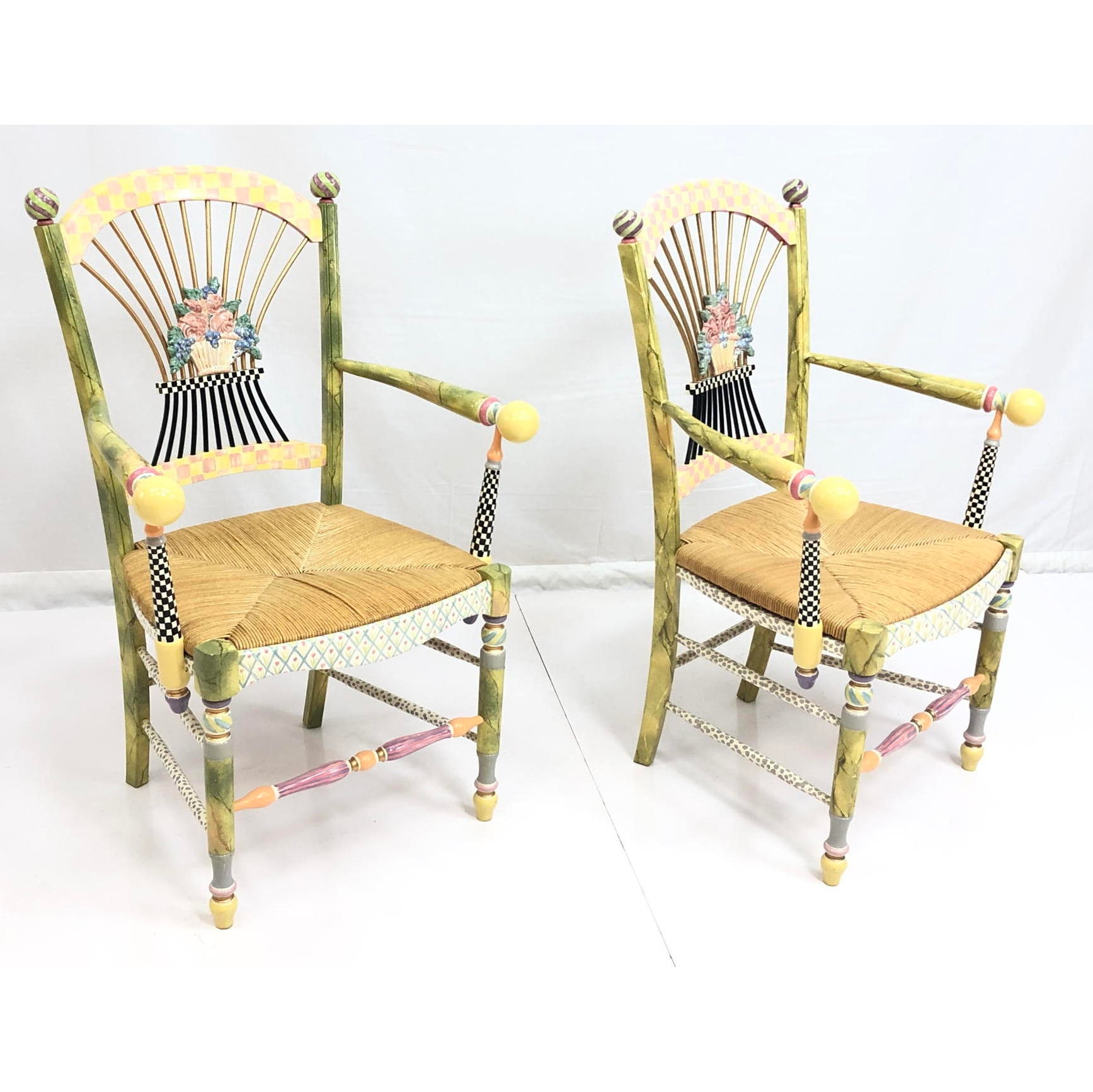
MacKenzie-Childs has not gone out of business; rather, the beloved home decor and ceramics brand has evolved through several ownership changes, corporate restructuring, and financial challenges since its founding in 1983. Today, the company continues to design and manufacture its iconic whimsical, hand-painted majolica ceramics, furniture, and home accessories from its historic headquarters in Aurora, New York, operating as a thriving upscale retail and e-commerce brand.
To understand what happened to MacKenzie-Childs, one must journey far beyond simple retail trends. The brand’s trajectory is a complex narrative of artistic genius, financial distress, corporate restructuring, bankruptcy, and eventual stabilization under private equity ownership. For decades, interior design enthusiasts have collected its signature Courtly Check patterns and vibrant, eccentric teapots. Yet, behind the whimsical facade lies a turbulent corporate history that nearly saw the brand disappear entirely.
The Origins: Victoria and Richard MacKenzie-Childs in Aurora
The MacKenzie-Childs story began in 1983 when ceramic artists Victoria and Richard MacKenzie-Childs established their studio in Aurora, New York, situated along the scenic shores of Cayuga Lake. Armed with a vision to revive traditional Victorian majolica pottery techniques, the couple transformed a former dairy farm into a sprawling, vibrant artisan community.
During the formative years of the 1980s and 1990s, the brand established a distinct aesthetic characterized by whimsical designs, bold color palettes, meticulous hand-painting, and an unapologetic embrace of maximalism. Every ceramic piece, piece of enamelware, and handcrafted furniture item reflected an artisan-driven manufacturing process. Potters, painters, and woodworkers labored on-site, turning the Aurora farm into a destination for tourists and collectors alike.
However, this labor-intensive, artisanal production model came with exceptionally high overhead costs. Hand-painting complex patterns like the famous black-and-white Courtly Check required skilled labor and extensive production times, making scaling difficult. While the brand cultivated a fiercely loyal collector base and secured placement in high-end department stores, its financial foundation remained delicate.
Financial Turbulence and the 2001 Bankruptcy
By the late 1990s, expansion efforts and mounting production costs strained the company’s finances. Seeking to scale operations and reach a broader market, the founders brought in outside investors and management. Unfortunately, strategic disagreements and cash flow problems exacerbated the situation.
In 2001, MacKenzie-Childs LLC filed for Chapter 11 bankruptcy protection. The filing sent shockwaves through the home decor community, as collectors feared the end of their favorite handcrafted patterns. The bankruptcy highlighted the fundamental tension between maintaining authentic, slow-craft artisan production and sustaining a modern, profitable retail enterprise.
The Immediate Aftermath of the Bankruptcy
Following the bankruptcy filing, the company underwent a court-supervised restructuring. Assets were reorganized, and management changed hands. Most notably, the founders, Victoria and Richard MacKenzie-Childs, departed the company during this tumultuous period, relinquishing control of the brand and the name they had built.
Although the founders eventually moved on to other artistic ventures (such as founding Victoria and Richard LLC and later Patience Brewster designs), the MacKenzie-Childs corporate entity survived the restructuring process. New financial backers stepped in to stabilize operations, streamline supply chains, and rationalize retail distribution channels while preserving the core aesthetic that customers loved.
| Era / Phase | Key Leadership | Financial & Operational Status | Production Focus | | :--- | :--- | :--- | :--- | :--- | | 1983–2000 | Victoria & Richard MacKenzie-Childs | Rapid creative growth, high overhead, leading to cash flow strain. | Hand-crafted majolica ceramics, on-site artisan manufacturing in Aurora. | | 2001–2008 | Court-appointed management / Pleasant Rowland | Chapter 11 bankruptcy, restructuring, acquisition by PleasanterWorks. | Streamlined production, preservation of signature patterns, retail expansion. | | 2008–Present | MacKenzie-Childs Leadership & Castanea Partners | Acquired by private equity, digital expansion, omnichannel retail growth. | Global distribution, diversified home decor, enamelware, and seasonal collections. |
The Pleasant Rowland Era and Stabilization
The turning point for the modern incarnation of MacKenzie-Childs arrived when creator and philanthropist Pleasant Rowland purchased the company out of bankruptcy in 2001. Rowland, best known as the creator of the American Girl doll brand, recognized the profound emotional connection consumers had with MacKenzie-Childs products.
Rowland injected vital capital into the company and implemented rigorous business disciplines while fiercely protecting its artistic integrity. Under her leadership, production methods were modernized without abandoning the hand-painted details that defined the brand. She also revitalized the Aurora campus, transforming the property—including the iconic Farmhouse—into a premier retail and tourism destination that celebrated the brand's unique heritage.
During this period, MacKenzie-Childs expanded its product catalog significantly. While ceramics remained a cornerstone, the brand grew its offerings in enamelware, glass, holiday decor, and upholstered furniture. The introduction of new patterns alongside classics like Courtly Check and Flower Market ensured that the brand could attract new demographics while keeping veteran collectors engaged.
Acquisition by Castanea Partners and Modern Operations
In 2008, Pleasant Rowland sold MacKenzie-Childs to Castanea Partners, a private equity firm specializing in consumer brands. This transition marked another milestone in the company’s evolution, shifting its operational scale from a boutique regional enterprise to a nationally recognized lifestyle brand.
Under Castanea Partners' ownership, MacKenzie-Childs accelerated its omnichannel strategy. The brand expanded its wholesale partnerships with high-end specialty boutiques, opened flagship retail stores in select cities (such as New York City), and heavily invested in a robust e-commerce platform.
Despite corporate ownership by a private equity firm, the heart of the company remained rooted in Aurora, New York. The MacKenzie-Childs Barn and Farmhouse continue to serve as working studios, tourist attractions, and the spiritual home of the brand. Artisans still hand-paint many of the ceramic and enamel items, ensuring that the distinctive artisanal quality survives in a mass-produced consumer market.
Current Status of MacKenzie-Childs
Today, MacKenzie-Childs operates as a successful, upscale home furnishings and decor brand. Far from disappearing, the company has navigated the digital retail era successfully, leveraging social media platforms, curated seasonal collections, and direct-to-consumer marketing.
The brand's survival and growth offer a fascinating case study in brand equity. Even through bankruptcy, founder departures, and multiple corporate acquisitions, the visual identity—particularly the black-and-white check pattern—remained so intensely powerful that consumer loyalty never wavered. Collectors continued to buy, trade, and display the pieces, viewing them as heirloom investments rather than disposable housewares.
Key Factors in the Brand's Resilience
- Distinct Visual Identity: The instantly recognizable patterns created a defensible market niche that competitors struggled to replicate authentically.
- Emotional Connection: Consumers view MacKenzie-Childs pieces as celebratory items tied to holidays, weddings, and family traditions.
- Geographic Anchor: Retaining the Aurora, New York campus preserved the authentic storytelling and artisan credibility essential to the brand's luxury positioning.
- Product Diversification: Expanding from fragile ceramics into durable enamelware, outdoor decor, and holiday ornaments broadened the customer base and revenue streams.
Frequently Asked Questions
Are MacKenzie-Childs products still handmade?
Yes, many signature MacKenzie-Childs items, particularly ceramics and certain enamelware pieces, continue to feature hand-painted details applied by artisans. While manufacturing processes have scaled to meet global demand, the brand maintains its commitment to artisan craftsmanship, particularly at its historic studio in Aurora, New York.
Do the original founders still own MacKenzie-Childs?
No. Victoria and Richard MacKenzie-Childs left the company following its 2001 bankruptcy and restructuring. They have since pursued independent artistic careers and other design ventures, while the MacKenzie-Childs corporate brand has operated under subsequent owners, including Pleasant Rowland and current private equity backers.
Why is MacKenzie-Childs so expensive?
The high price point reflects the labor-intensive production methods required for hand-painted ceramics and enamelware. Skilled artisans spend considerable time executing intricate patterns like Courtly Check, and the brand operates within the luxury home decor market, where design exclusivity, brand heritage, and premium materials dictate pricing.
Where are MacKenzie-Childs products made now?
While the brand's creative direction, design, and certain artisanal manufacturing steps remain rooted in Aurora, New York, global sourcing is utilized for a portion of its expanded product lines, including textiles, furniture, and certain mass-produced enamelware items manufactured overseas under strict quality controls.
Can vintage MacKenzie-Childs pieces be collected or resold?
Yes, there is a thriving secondary market for vintage MacKenzie-Childs pieces produced during the founders' era (1983–2001) as well as discontinued patterns. Collectors frequently trade older items through specialty online marketplaces, estate sales, and collector groups, often seeking out pieces bearing the original handwritten signatures of Victoria and Richard.
Next Steps for Collectors and Enthusiasts
If you are looking to purchase, verify, or care for MacKenzie-Childs pieces, start by examining the bottom stamp or signature on ceramic and enamel items, as older pieces often feature distinct markings from the founders' era. For current collections, shop directly through authorized retailers or the official MacKenzie-Childs website to ensure product authenticity and warranty eligibility. Whether you are adding to a lifelong Courtly Check collection or visiting the Aurora farm in New York, understanding the brand's resilient history deepens the appreciation of its enduring artistry.