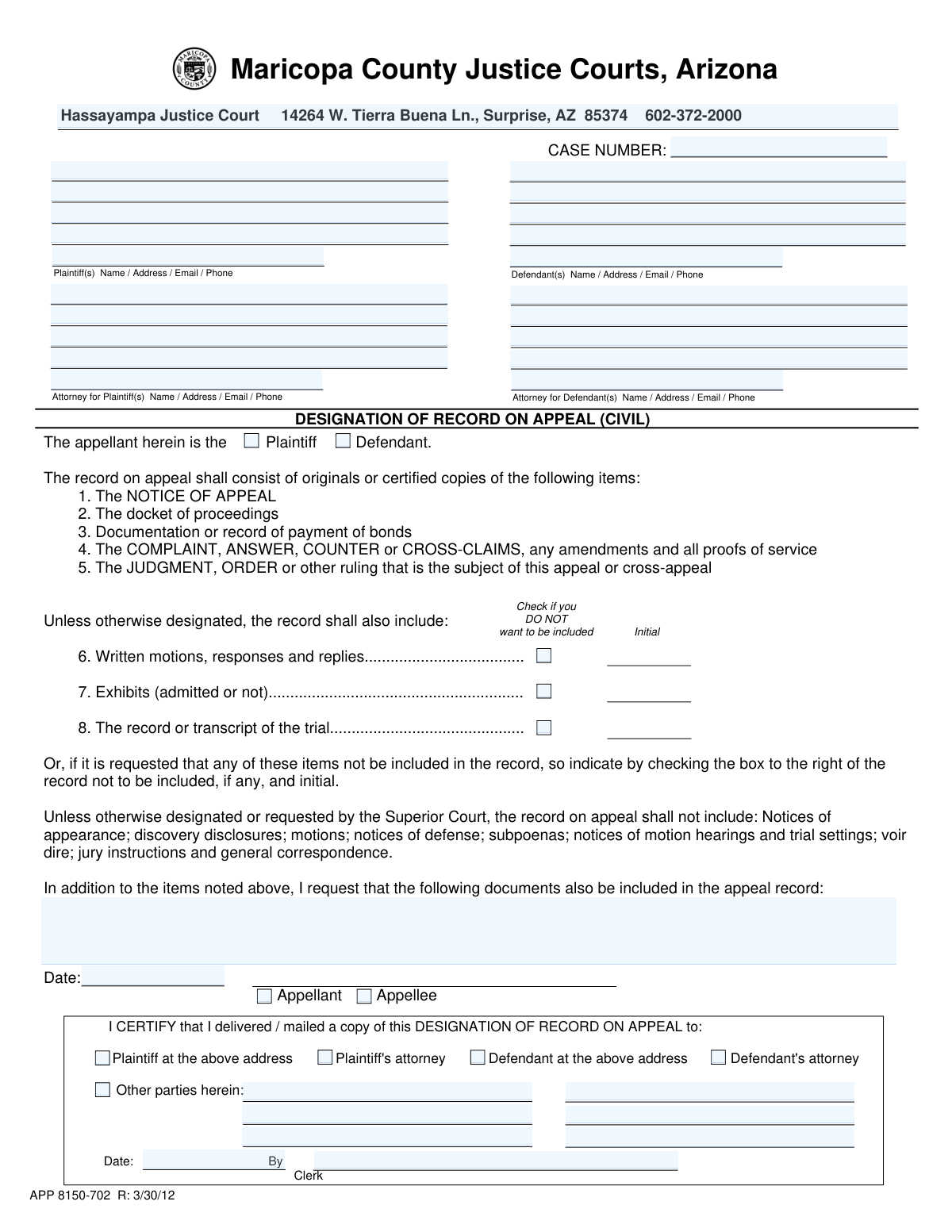
Navigating the legal system requires a clear understanding of jurisdiction, local procedures, and court protocols. For residents and legal practitioners operating within Arizona's most populous region, mastering the framework of the Maricopa County Justice Courts is essential. These limited-jurisdiction courts handle millions of citizens interacting with the judicial branch through civil lawsuits, minor criminal offenses, traffic infractions, and landlord-tenant disputes. As court administration workflows modernize through 2026, understanding how these judicial precincts operate ensures efficient case management, adherence to statutory deadlines, and successful navigation of local court rules.
Understanding Maricopa County Justice Courts Jurisdiction and Structure
The Maricopa County Justice Courts operate as part of the Arizona judicial branch, specifically functioning as courts of limited jurisdiction. Unlike Superior Courts, which handle high-value civil disputes and felony criminal matters, Justice Courts are strategically distributed across distinct geographic precincts throughout the county. Each court is presided over by an elected Justice of the Peace who serves a four-year term.
The jurisdictional thresholds and operational mandates are strictly regulated by Arizona law. In civil cases, Justice Courts have concurrent jurisdiction with the Superior Court for claims where the total damages do not exceed $10,000, and exclusive jurisdiction for small claims matters typically involving amounts up to $3,500. Furthermore, these courts process civil traffic violations, local ordinance violations, orders of protection, and misdemeanor criminal charges.
Precinct Boundaries and Venue Selection Filing a case in the correct precinct is a strict legal requirement. Selecting the wrong venue can result in immediate dismissal or costly transfer fees. Plaintiffs and petitioners must verify precinct boundaries using residential ZIP codes or specific geographic cross-streets provided by the official Maricopa County mapping tools before submitting paperwork.
Core Case Types Handled by Arizona Justice Courts
The daily docket of a Maricopa County Justice Court features diverse legal matters requiring distinct procedural tracks. Understanding the specific category of your legal issue dictates the forms you must file, the applicable filing fees, and the rules of evidence that apply during hearings.
- Civil Lawsuits: Monetary disputes involving contract breaches, property damage, or unpaid debts where the claim value falls under statutory limits.
- Small Claims Actions: Simplified, informal proceedings designed for self-represented litigants seeking resolution for disputes up to $3,500, where attorneys are generally not permitted unless explicitly authorized by the court.
- Forcible Entry and Detainer (Evictions): Landlord-tenant actions focused on lease violations, non-payment of rent, and unlawful retention of residential or commercial property.
- Traffic Violations: Civil traffic tickets issued by local law enforcement agencies, requiring either fine payment, attendance at a defensive driving school, or a formal contested hearing.
- Orders of Protection and Injunctions Against Harassment: Emergency protective orders designed to shield victims from domestic violence, stalking, or harassment.
Comparing Maricopa County Judicial Options
When facing a legal dispute in Arizona, litigants often need to understand the structural differences between filing in a Justice Court versus other judicial tiers. The following comparison highlights key operational characteristics.
| Judicial Tier | Maximum Civil Claim Limit | Attorney Representation | Typical Case Resolution Timeline | Primary Case Types Handled |
|---|---|---|---|---|
| Justice Courts | Up to $10,000 | Permitted (Optional in Small Claims) | 30 to 90 Days | Minor civil, evictions, traffic, misdemeanors |
| Superior Court | Unlimited (Exceeds $10,000) | Highly Recommended / Standard | 6 to 18 Months | Felonies, major civil, domestic relations, probate |
| Municipal Courts | N/A (Criminal/Traffic Focus) | Permitted | Varies by City Docket | City code violations, municipal traffic, local misdemeanors |
Step-by-Step Guide to Filing and Managing a Case
Initiating or defending a case within the Maricopa County Justice Courts requires strict adherence to procedural timelines and local rules. Whether you are filing an eviction notice or responding to a civil complaint, following a structured workflow prevents administrative rejections.
- Identify the Correct Precinct: Determine the appropriate court location based on where the defendant resides, where the contract was signed, or where the incident occurred.
- Prepare and Complete Legal Documents: Obtain the official court-approved forms. Fill out complaints, answers, or petitions completely, ensuring all statutory notices are attached if required (such as a 10-day or 30-day notice in landlord-tenant actions).
- File Documents and Pay Fees: Submit your paperwork to the court clerk either in person or electronically through the authorized online portal. Pay the required filing fee or submit a formal application for a fee waiver if you meet low-income indigent criteria.
- Serve Process Properly: Ensure the opposing party is formally and legally served with copies of the court summons and complaint through an authorized process server, sheriff, or certified mail where permitted. File proof of service with the court.
- Attend Hearings and Conferences: Monitor all court dates, participate in mandatory settlement conferences or mediations, and present your evidence clearly before the judge if a trial is scheduled.
Essential Practical Tips for Self-Represented Litigants
Navigating court proceedings without legal counsel requires meticulous preparation. Judges and court clerks are prohibited from providing legal advice, making it crucial to handle administrative tasks with precision.
- Always check local rules: Individual precincts may have specific scheduling preferences or unique protocols for submitting exhibits.
- Organize your evidence: Bring multiple copies of all documents, contracts, photographs, and communications. You will need copies for the judge, the opposing party, and your own records.
- Maintain professional decorum: Arrive early for all virtual or in-person hearings, dress professionally, and address the judge with standard courtroom respect.
- Keep contact information updated: Immediately notify the court clerk in writing if your mailing address, phone number, or email address changes during active litigation.
Frequently Asked Questions
What is the maximum monetary limit for a civil lawsuit in a Maricopa County Justice Court?
The maximum claim limit for general civil lawsuits filed in a Maricopa County Justice Court is $10,000, while small claims actions are capped at $3,500. Claims exceeding these amounts must be filed in the Arizona Superior Court.
Can I file my court documents online in Maricopa County?
Yes, Maricopa County provides electronic filing options and online case management tools through authorized portal systems. Litigants can submit documents, check case histories, and pay filing fees digitally without visiting a physical courthouse.
Are lawyers required to represent me in a Justice Court hearing?
Attorneys are permitted to represent parties in standard Justice Court civil and criminal cases, but they are generally not allowed to represent parties in Small Claims court hearings unless specific legal exceptions apply. Many individuals choose to represent themselves in small claims and minor traffic matters.
How do I find out which Justice Court precinct has jurisdiction over my case?
You can determine your correct precinct by utilizing the interactive precinct locator tool on the official Maricopa County Justice Courts website by entering the specific residential ZIP address or cross-streets where the dispute originated.
What happens if the defendant fails to respond to a civil complaint?
If a defendant fails to file a formal written answer or response with the court within the statutory deadline after being properly served, the plaintiff may file an application for entry of default. This can lead to the court issuing a default judgment in favor of the plaintiff.
Conclusion and Next Steps
Successfully managing legal matters within the Maricopa County Justice Courts demands careful attention to venue rules, strict adherence to deadlines, and thorough preparation of evidentiary documentation. Whether you are resolving a minor civil dispute, managing a landlord-tenant matter, or addressing a traffic infraction, understanding the framework of these limited-jurisdiction courts protects your legal rights. Review your specific case details today, verify your precinct requirements, and utilize official digital filing resources to ensure your matter proceeds smoothly through the Arizona judicial system.