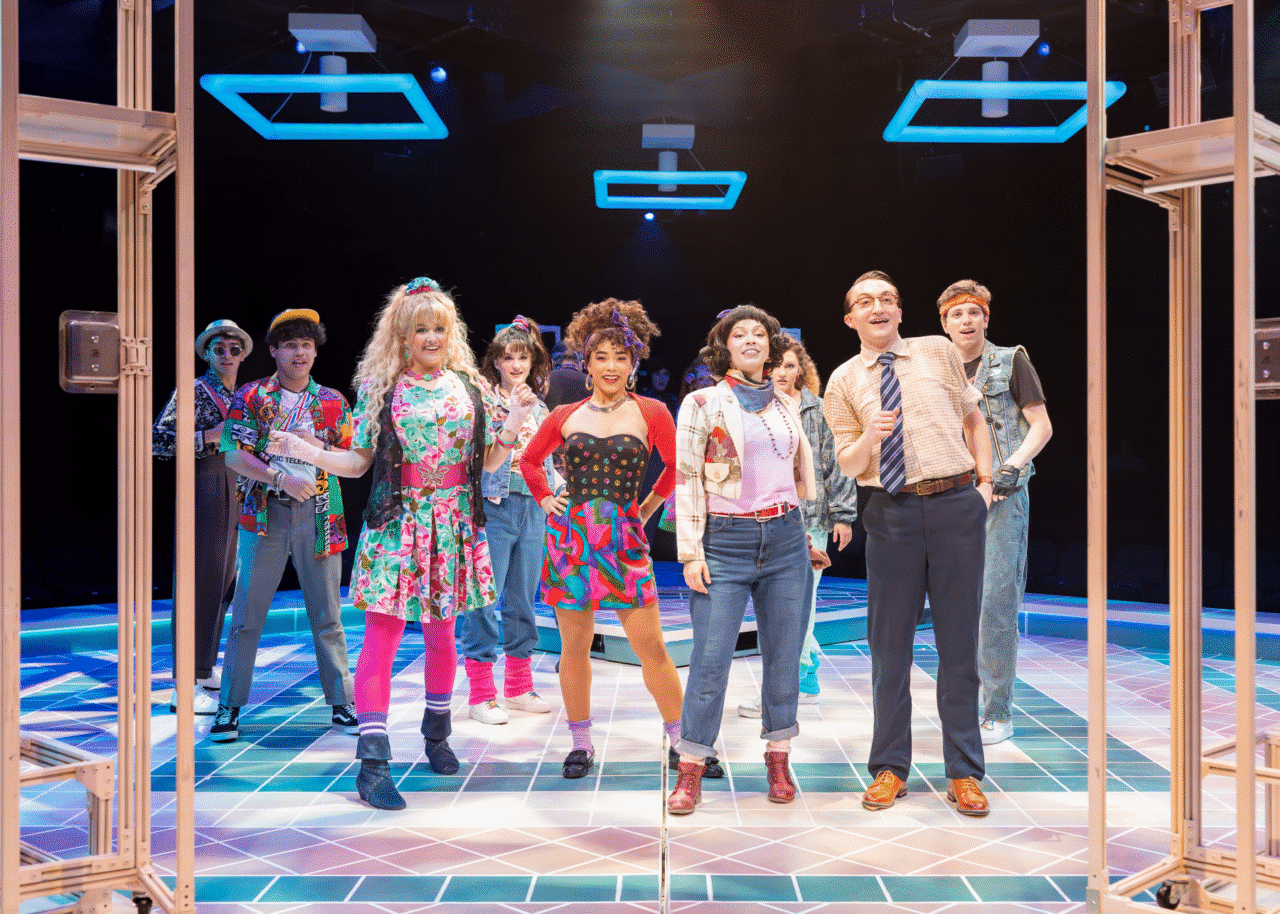
The 1980s marked a transformative decade for musical theater, defined by the rise of the British mega-musical, a shift toward massive pop-rock scores, and a transition from intimate character studies to grand, spectacle-driven productions that permanently reshaped Broadway and the West End.
The Shift from Intimate Books to the Mega-Musical
For decades, the American musical theater landscape was dominated by the structurally tight, character-driven book musicals pioneered by Rodgers and Hammerstein, Stephen Sondheim, and Hal Prince. These productions relied on narrative cohesion, witty lyricism, and psychological depth. However, by the late 1970s and early 1980s, audience tastes began to shift. The cultural appetite expanded toward grand theatrical spectacles that could fill cavernous auditoriums with staggering stagecraft, unforgettable melodies, and universal themes.
This transition birthed the "mega-musical," a genre characterized by through-composed scores (where spoken dialogue is minimized or eliminated in favor of continuous music), massive, automated stage designs, and aggressive global marketing campaigns. Producers realized that theater could function on a blockbuster scale akin to Hollywood cinema. Shows like Evita (which premiered in London in 1978 and opened on Broadway in 1979) laid the groundwork, but it was the mid-1980s influx of British imports—most notably Cats and Les Misérables—that solidified the era's aesthetic. These productions prioritized emotional grandiosity and visual awe over subtle character introspection, forever changing how theatrical producers financed, staged, and marketed their works.
The British Invasion: Cameron Mackintosh and the West End Phenomenon
The defining characteristic of the 1980s musical landscape was the dominant export of British productions to Broadway, spearheaded by visionary producer Cameron Mackintosh. Before this era, Broadway exported its hits to London; the 1980s inverted this pipeline, turning the West End into the primary incubator for global theatrical blockbusters.
At the center of this movement was the creative partnership between composer Andrew Lloyd Webber, lyricist Richard Stilgoe/Charles Hart, and director Trevor Nunn, alongside the powerhouse team of Alain Boublil and Claude-Michel Schönberg. The British mega-musical relied on unified design concepts where the set, lighting, and sound became characters in their own right. The economics of theater changed dramatically during this period. Capitalization costs skyrocketed, ticket prices rose to accommodate the massive overhead of revolving stages, falling chandeliers, and mechanized barricades, and running a show required unprecedented international marketing synchronization.
Landmark British Productions of the Decade
- Cats (1981 - London / 1982 - Broadway): Directed by Trevor Nunn with choreography by Gillian Lynne, Andrew Lloyd Webber’s adaptation of T.S. Eliot’s Old Possum’s Book of Practical Cats proved that avant-garde poetry set to a synth-pop and orchestral score could become a worldwide commercial juggernaut. It ran for nearly 18 years on Broadway, establishing the blueprint for long-run capitalization and merchandising.
- Les Misérables (1985 - London / 1987 - Broadway): Originally a massive French concept album by Boublil and Schönberg, this adaptation was transformed by Cameron Mackintosh, director Trevor Nunn, and codirector/adapter John Caird into an operatic epic. Its through-composed score and revolving stage depiction of the French Revolution demonstrated that deeply political, tragic narratives could achieve commercial blockbuster status.
- The Phantom of the Opera (1986 - London / 1988 - Broadway): Andrew Lloyd Webber’s romantic thriller combined gothic horror, a lush pop-opera score, and legendary special effects, including a crashing chandelier. It became the longest-running show in Broadway history, epitomizing the 1980s obsession with grand romanticism and technical marvels.
The American Response: Rock, Pop, and Revivals on Broadway
While the West End dominated the headlines with operatic spectacles, American musical theater creators navigated the decade by experimenting with contemporary pop and rock idioms, as well as looking back to classic forms. The early 1980s saw the twilight of several traditional styles, while nurturing daring new voices trying to bridge the gap between commercial viability and artistic innovation.
Stephen Sondheim continued to challenge audiences with intellectually rigorous works, collaborating with James Lapine on Sunday in the Park with George (1984), which won the Pulitzer Prize for Drama. Meanwhile, composer Maury Yeston and librettist Peter Stone delivered Nine (1982), a stylish, surreal exploration of artistic crisis set inside a filmmaker’s mind. However, commercial pressures made it increasingly difficult for original, mid-scale American musicals to survive against the British invasion, leading to a rise in jukebox revues and safer, nostalgia-driven programming.
| Show Title | Premiere Year | Origin | Key Composers / Creators | Defining Technical Feature |
|---|---|---|---|---|
| Evita | 1978 (West End) | UK | Andrew Lloyd Webber, Tim Rice | Cinematic projections and balcony staging |
| Cats | 1981 (West End) | UK | Andrew Lloyd Webber, T.S. Eliot | Environmental junkyard set and feline transformation |
| Dreamgirls | 1981 (Broadway) | US | Henry Krieger, Tom Eyen | Automated light towers and rapid scene shifts |
| Sunday in the Park with George | 1984 (Broadway) | US | Stephen Sondheim, James Lapine | Pointillist stage design and early use of synthesizers |
| Les Misérables | 1985 (West End) | UK | Boublil, Schönberg, Herbert Kretzmer | The iconic revolving barricade |
| The Phantom of the Opera | 1986 (West End) | UK | Andrew Lloyd Webber, Charles Hart | The descending and crashing chandelier |
Technological and Design Innovations
The 1980s musical cannot be fully understood without examining the rapid technological advancements that drove stage production. Traditional manual fly systems and simple spotlight cues were replaced by computerized lighting boards, automated motors, and advanced sound reinforcement.
- Sound Design and Synthesizers: The integration of electronic synthesizers allowed pit orchestras to simulate massive string sections, brass arrangements, and otherworldly sound effects with smaller musician counts. Concurrently, the widespread adoption of wireless body microphones for lead performers changed vocal mixing, ensuring that actors could be heard clearly over dense, amplified rock-orchestral scores without straining.
- Hydraulics and Automation: Sets became architectural engineering feats. Turntables, multi-ton bridges, and vertical lifts dominated the stage. Shows like The Phantom of the Opera required precise hydraulic programming to move boats across a misty underground lake while simultaneously managing pyrotechnics and falling props.
- Global Branding and Merchandising: The 1980s introduced the corporate-backed global brand to theater. Logo design became vital—think of the glowing yellow cat eyes or the theatrical mask intertwined with a single white rose. T-shirts, cast recordings, keychains, and souvenir programs transformed from minor lobby sales into massive revenue streams that subsidized production costs.
Cultural Impact and Enduring Legacy
The legacy of the 1980s musical remains a subject of intense debate among theater historians and critics. Detractors argue that the era initiated a commercialization wave that priced out middle-class audiences, marginalized intimate storytelling, and prioritized flashy stage engineering over narrative substance. The astronomical financial barriers to entry made producers risk-averse, favoring sure-fire global brands over original American or British works.
Conversely, proponents emphasize that the decade revitalized global interest in theater on an unprecedented scale. Millions of people who had never set foot in a playhouse bought tickets to see these international blockbusters, expanding the commercial viability of the performing arts. Furthermore, the vocal demands of 1980s scores permanently altered training standards for musical theater performers, requiring a hybrid skill set that combined classical operatic projection with belt-technique and pop-rock agility.
Frequently Asked Questions
What defined a 1980s "mega-musical"?
A mega-musical is characterized by a through-composed score with minimal spoken dialogue, massive and complex automated stage effects, global marketing campaigns, and a focus on epic, universal themes rather than intimate character studies.
Why did British musicals dominate Broadway during the 1980s?
The West End became an incubator for high-risk, high-capital productions supported by visionary producers like Cameron Mackintosh. Through unified design teams, cinematic staging, and powerful pop-opera scores, these shows achieved commercial success that resonated universally across international markets.
Did American musicals struggle during the 1980s?
While American creators faced immense financial pressure and stiff competition from British imports, the decade still produced critically acclaimed masterpieces such as Sunday in the Park with George, Dreamgirls, and Nine, which pushed artistic boundaries in different directions.
How did technology change theater sound in the 1980s?
The widespread adoption of wireless body microphones and synthesizers allowed performers to sing over heavily amplified, rock-influenced orchestrations, altering vocal performance styles and acoustic design in traditional theatrical venues.
Are any 1980s musicals still running today?
Yes. The Phantom of the Opera held the record as Broadway's longest-running show until its closing in 2023, and productions of Les Misérables continue to tour and revive worldwide, proving the enduring appeal of the era's core repertoire.
To further explore the era, research original cast recordings, examine archival prompt books housed in theater libraries, or attend regional and touring revivals of these landmark productions to witness how their structural innovations continue to influence contemporary stagecraft.