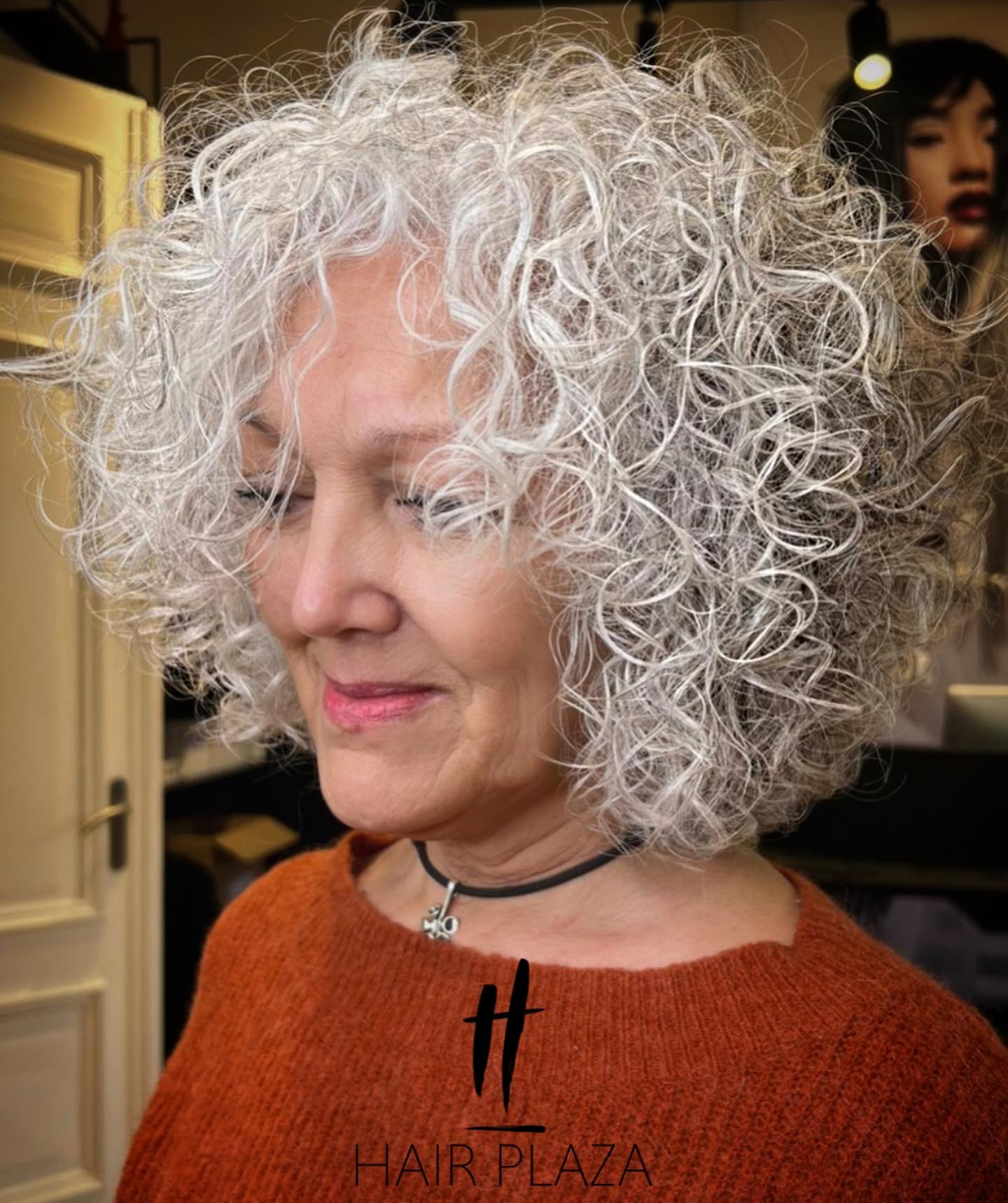
Short hair styling has evolved far beyond basic straight cuts and simple bobs. As hair technology, chemical formulations, and rod mechanics advance through 2026, getting a perm on short hair is no longer about achieving a tight, uniform poodle look from decades past. Modern perming techniques deliver incredible versatility, adding volume, texture, movement, and modern edge to crops, bobs, pixies, and lobs. Understanding the exact options available ensures you choose the right chemical treatment for your hair texture, length, and lifestyle.
Understanding Modern Perm Technology for Short Lengths
The chemistry of perming has shifted dramatically. Traditional alkaline perms have largely been replaced or upgraded with acid perms, exothermic formulas, and specialized digital or ceramic variations that protect hair integrity. When working with short hair, the structural integrity of the hair shaft is paramount because short styles sit close to the scalp and require precise directional control.
Modern chemical texturizing relies on breaking and reforming disulfide bonds within the hair cortex. Stylists wrap hair around specialized rods, rollers, or pins, applying a reducing agent (usually ammonium thioglycolate for alkaline or glyceryl monothioglycolate for acid) to soften the structure. Once the hair molds to the rod shape, a neutralizer locks the bonds back into place.
For short hair, precision is everything. A fraction of an inch can change how a curl sits against the head shape, making consultations and rod selection critical steps in the process.
Comprehensive Breakdown of Perm Styles for Short Hair
Different short haircuts require entirely different perming approaches. Selecting the wrong technique can lead to awkward sticking-out ends, unwanted volume at the crown, or a complete lack of wave pattern.
Spot Perms and Crown Lifts
Ideal for pixies, bobs with flat crowns, or bangs that refuse to cooperate, a spot perm targets only a specific zone of the head. Rather than processing the entire head, the stylist wraps only the crown or the fringe.
- Best For: Fine or thinning hair needing localized lift, short pixies with flat spots, and stubborn cowlicks.
- Rod Size: Medium to large foam or flexi-rods to ensure a natural bend rather than a tight ringlet.
- Maintenance: Low upkeep since the untreated hair grows out naturally without harsh demarcation lines.
Beach Wave and Loose Texture Perms
Beach waves bring effortless, piece-y texture to short cuts like inverted bobs, shaggy lobs, and textured crops. This style relies on wrapping hair in alternating directions and using larger rods to prevent tight curls, yielding relaxed, tousled movement.
- Best For: Adding modern grit to fine or slippery straight short hair.
- Rod Size: Extra-large rods and sometimes spiral-wrap hybrid techniques.
- Maintenance: Requires texturizing sea salt sprays and lightweight mousses to maintain the undone aesthetic.
Pin Curl and Finger Wave Perms
For retro lovers, vintage glamor, and ultra-short pixie cuts, pin curl perms offer a soft, sculpted wave pattern. Instead of rigid plastic rods, the stylist secures sections of hair with clips or pins before applying the processing solution.
- Best For: Short crops, asymmetrical bobs, and classic 1920s or 1940s-inspired short styles.
- Technique: Hand-shaped pin curls locked down chemically.
- Maintenance: Requires regular moisturizing treatments and molding creams to keep waves smooth and defined.
Spiral and Ringlet Perms for Short Lengths
While traditionally associated with long hair, tight spiral perms executed on short hair create high-impact, voluminous styles reminiscent of 80s glam rock or bouncy curly bobs. Hair is wrapped vertically around long, slender spiral rods.
- Best For: Those wanting dramatic, springy curls that maximize shrinkage and volume.
- Rod Size: Thin spiral or straw-sized rods.
- Maintenance: High maintenance; requires sulfate-free curl creams, diffusers, and regular deep conditioning.
Stacked and Wedge Perms
Stacked perms concentrate curl and volume at the nape and lower occipital bone while leaving the top layers smoother or looser. This creates an instantly voluminous silhouette for stacked bobs and graduated short cuts.
- Best For: Inverted bobs, wedge cuts, and short hair that tapers closely at the neck.
- Technique: Mixed rod sizing and placement patterns.
- Maintenance: Medium upkeep; frequent trims are necessary to maintain the precision shape of the cut.
Comparative Analysis of Short Hair Perm Techniques
| Perm Technique | Best Hair Length | Ideal Hair Texture | Maintenance Level | Primary Visual Effect |
|---|---|---|---|---|
| Spot Perm / Root Lift | 1 to 3 inches | Fine, flat, limp | Low | Targeted volume and crown lift |
| Beach Wave Perm | 3 to 8 inches | Fine to medium, straight | Medium | Tousled, effortless, piece-y movement |
| Pin Curl / Wave Perm | 1 to 4 inches | Fine to coarse | Medium | Soft, vintage, sculpted waves |
| Spiral Perm | 4 to 8 inches | Medium to thick | High | Tight, bouncy, high-volume ringlets |
| Stacked Perm | 3 to 6 inches | Straight or slightly wavy | Medium-High | Voluminous nape, structured shape |
Step-by-Step Professional Process: What to Expect in the Salon
Achieving a flawless short hair perm requires meticulous execution. Professional stylists follow a strict procedural framework to protect scalp health and ensure optimal curl formation.
- In-Depth Consultation and Strand Test: The stylist evaluates hair elasticity, porosity, and previous chemical history (such as bleach or box dye). A strand test ensures the hair can withstand the reducing agents.
- Clarifying Shampoo Wash: Hair is washed with a deep-cleansing clarifying shampoo to strip away mineral deposits, oils, and product buildup, opening the cuticle for optimal solution penetration.
- Strategic Sectioning and Wrapping: The stylist sectioning the hair precisely and wrapping it onto the chosen rods based on head shape, growth patterns, and desired end results.
- Application of Wave Solution: The chemical reducing agent is meticulously saturated onto each wrapped rod. Timing is monitored closely, ranging from 10 to 25 minutes depending on hair porosity.
- Rinsing and Blotting: The hair is thoroughly rinsed with warm water for several minutes to halt the chemical reaction, followed by gentle towel blotting to remove excess moisture.
- Neutralizer Application: The neutralizer is applied to rebuild disulfide bonds in their new coiled shape. After a designated processing time, the rods are gently removed.
- Final Rinse and Styling Prep: A final rinse removes all chemical residue, followed by the application of a balancing conditioner or protein treatment and customized styling with a diffuser.
Balancing the Equation: Pros and Cons of Short Hair Perms
Before committing to a chemical texturizing service, evaluating the structural and lifestyle impacts is essential for long-term satisfaction.
- Pros:
- Instant Volume: Eliminates the daily need for teasing, hot rollers, and heavy blow-drying.
- All-Weather Resilience: Maintains texture and shape in high humidity and moisture.
- Versatility: Transforms flat, lifeless short cuts into dynamic, textured masterpieces.
- Reduced Styling Time: Wash-and-go styling becomes a reality with the right curl-enhancing products.
- Cons:
- Chemical Commitment: Chemically altered hair cannot be easily reversed until it grows out or is cut off.
- Dryness Potential: The reduction of disulfide bonds can strip natural moisture, requiring rich conditioning regimens.
- Regular Maintenance: Short hair perms require trims every 6 to 8 weeks to manage the grow-out phase and maintain the cut's shape.
- Initial Investment: Professional chemical services require skilled labor and high-end salon products, making them an investment.
Essential Maintenance and Aftercare Protocols
Maintaining a short hair perm requires shifting your daily hair care habits to prioritize moisture retention and curl preservation.
Hydration is Mandatory: Chemically treated hair craves moisture. Incorporate a weekly deep-conditioning mask or protein-moisture balancing treatment into your routine to prevent brittleness and split ends.
Product Selection Matters: Ditch heavy silicones and drying alcohols. Switch to sulfate-free hydrating shampoos, lightweight curl creams, and hydrating mousses designed specifically for textured or chemically treated hair.
Gentle Drying Techniques: Avoid rough towel drying with standard cotton towels, which rough up the cuticle and cause frizz. Instead, use a microfiber towel or cotton t-shirt to blot moisture, and always use a diffuser attachment on a low-heat setting when blow-drying.
Frequently Asked Questions
How long does a perm last on short hair?
A perm on short hair typically lasts between 3 to 6 months, depending on how fast your hair grows and the tightness of the initial curl pattern. Because short cuts are trimmed frequently, the permed ends are often cut away progressively during regular maintenance visits.
Can you perm bleached or highlighted short hair?
Perming bleached or highlighted hair is risky and often not recommended unless a professional stylist performs a strict elasticity test and deems the bonds strong enough. Over-processed hair can experience severe breakage or melting when exposed to perm solutions.
Will a short hair perm make my hair look too puffy?
Proper rod selection and wrapping techniques prevent unwanted puffiness. Stylists use specific placement patterns and larger rods on short hair to ensure the texture lays flat and shapes the head naturally rather than creating an uncontrolled sphere of volume.
How soon after getting a perm can I wash my hair?
You must wait at least 48 to 72 hours before washing your hair after a perm. This waiting period allows the disulfide bonds to fully lock into their new shape; washing too early can relax or completely undo the curl pattern.
Are modern perms damaging to short hair?
Modern perm formulas are significantly gentler than traditional formulas used in past decades, often incorporating conditioning agents and bond-builders. However, any chemical service causes a degree of structural alteration, making proper home aftercare and professional conditioning essential.
Professional Consultation and Booking
Transforming your short haircut with a modern perm requires professional expertise and customized evaluation. To achieve the exact texture, volume, and movement tailored to your unique hair type and face shape, schedule a consultation with an experienced texture specialist today.