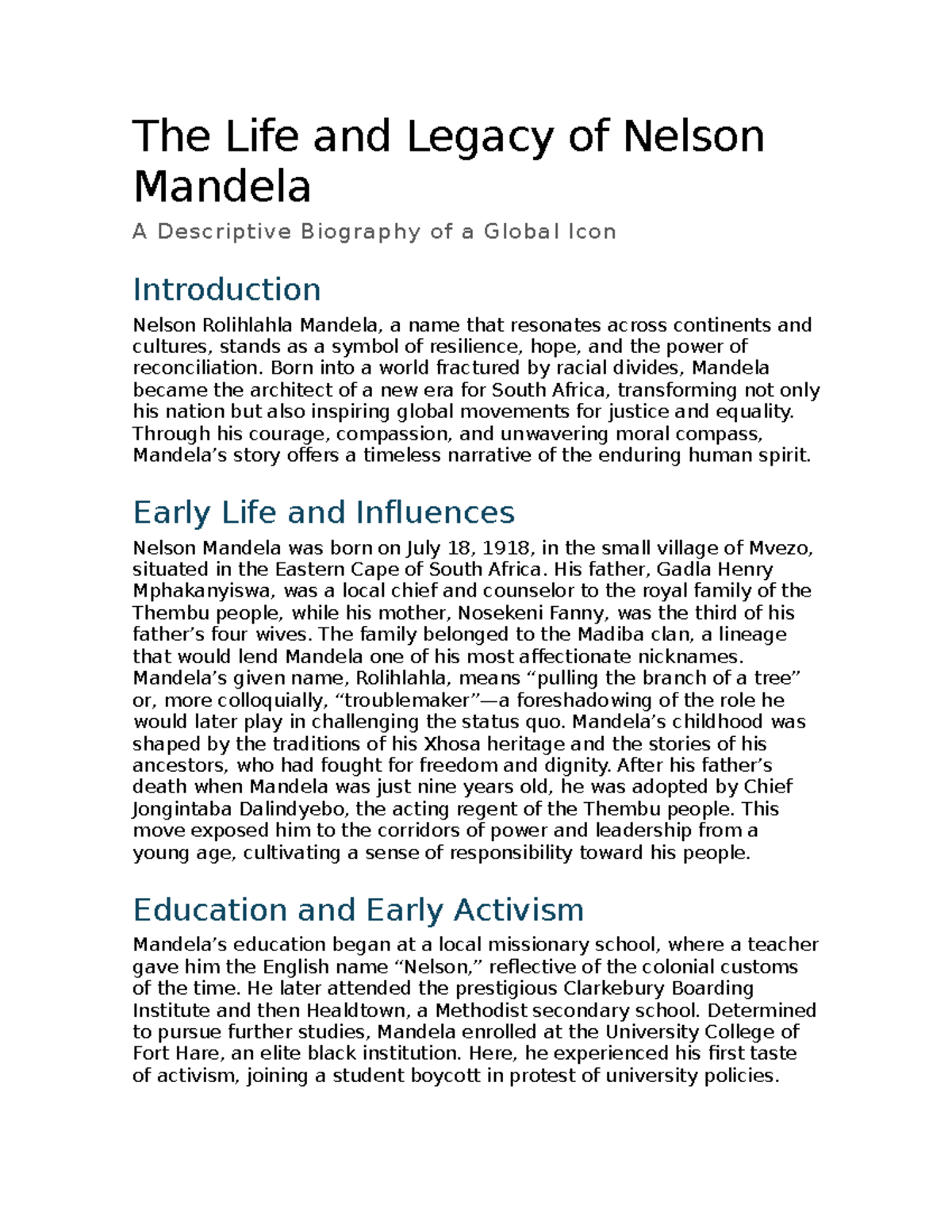
A lifestyle biography is a narrative profile that focuses on the intersection of an individual’s personal journey, their aesthetic choices, their daily habits, and the philosophies that govern their existence. Unlike a traditional chronological biography that prioritizes historical milestones and public achievements, this genre seeks to capture the "how" and "why" behind a person’s way of living. It functions as a mirror for the reader, offering a blend of human insight, aspirational guidance, and thematic storytelling.
Defining the Lifestyle Biography
The core intent of a lifestyle biography is to distill the essence of a subject’s daily life into a coherent narrative. While traditional biographies are concerned with the timeline of events—birth, education, career peak, and legacy—the lifestyle biography looks at the texture of the subject's life. It explores their living environment, their morning routines, their dietary or fitness approaches, their professional habits, and the personal values that influence their consumption and social interaction.
This genre is often found in high-end editorial publications, long-form journalism, and personal branding essays. It acts as a bridge between a simple interview and a psychological study. The reader is not just learning about what the subject did, but how they chose to live while doing it. For creators, writing such a biography requires a high level of observational skill and a focus on sensory details that characterize the subject's reality.
The Structural Framework of a Lifestyle Profile
Constructing an effective lifestyle biography requires a departure from standard journalistic structures. You must balance objective facts with the subjective atmosphere of the subject's world.
- The Hook (Atmosphere and Environment): Start by situating the reader in the subject's physical space. Descriptions of their home, workspace, or a recurring ritual provide an immediate sense of character.
- The Philosophy of Routine: Once the scene is set, pivot to the "why." If the subject wakes up at 5:00 AM, do not just list the time; explain the philosophy behind that choice. Is it for silence, for productivity, or for a connection with nature?
- The Pivot to Professional/Personal Integration: Explain how their private life informs their public output. This is where you address the primary intent: showing the reader how the subject’s choices create their current reality.
- The Synthesis of Beliefs: Conclude by summarizing what the reader can learn from the subject’s approach, grounding the narrative in a broader human truth.
Key Elements to Examine
When crafting this type of narrative, you must focus on specific dimensions of the subject's life to ensure the profile remains substantive.
| Element | Focus Area | Why it Matters |
|---|---|---|
| Environmental Context | Home and Workspace | Shows the subject's values regarding order, comfort, and aesthetics. |
| Daily Rituals | Habits and Routines | Reveals discipline, priorities, and methods for managing time. |
| Decision-Making | Values and Philosophies | Explains the logic behind significant life or career choices. |
| Influences | Sources of Inspiration | Highlights the intellectual or artistic lineage of the subject. |
| Physical/Mental Health | Wellness Practices | Demonstrates how the subject maintains stamina and clarity. |
Conducting Research for Depth
Unlike traditional biographical research, which relies on archives, public records, and historical databases, the lifestyle biography relies heavily on primary, qualitative research.
Direct Observation
If possible, spend time with the subject in their natural environment. Observe their interactions with their space. Notice the books on their shelves, the tools they use for work, or the way they interact with colleagues or family. These details provide the "color" that elevates a piece of writing from a data dump to an immersive narrative.
The Guided Interview
Your questions should steer away from "What was your biggest achievement?" and move toward "What does your ideal Tuesday look like?" Ask about the friction in their life—what is difficult for them to maintain? What are the non-negotiables in their schedule? By focusing on the struggle of maintaining a specific lifestyle, you make the subject more relatable and the biography more authentic.
Secondary Contextualization
Even when focusing on lifestyle, you must verify the external facts. If the subject claims a specific professional background, ensure that the timeline matches their stated current activity. Discrepancies here can undermine the credibility of the entire piece. Use official publications, established institutional profiles, and verifiable career milestones to ground the lifestyle elements.
Challenges in Writing Lifestyle Biographies
One of the most common pitfalls is the slide into "lifestyle marketing." It is easy to write a piece that feels like an advertisement for a specific way of living or a specific brand associated with the subject. To avoid this, you must retain an editor’s critical distance.
- Avoid Over-Romanticization: Do not present the subject’s life as perfect. Focus on the trade-offs they have made. Every choice to live a certain way comes with a sacrifice. Highlighting these trade-offs adds necessary depth and human complexity.
- Maintain Balanced Perspectives: If the subject promotes a controversial lifestyle practice, provide context or mention the alternative viewpoints. You are the narrator, not a publicist.
- Technical Depth and Authenticity: Ensure that when describing the subject’s specialized interests—whether it be high-end horology, minimalist architectural design, or extreme endurance sports—you use the correct terminology. Inaccurate jargon is a primary indicator of a superficial profile.
The Role of Aesthetics in Narrative
A lifestyle biography is heavily reliant on imagery and tone. While the words carry the weight of the information, the tone dictates the reader’s engagement. Use sensory-rich language. Describe the light in the room, the texture of the environment, and the cadence of the subject’s speech.
When writing, consider the "lived experience." If a subject describes a ritual, explain the sensation of it. Does it feel like a grounding mechanism? Does it provide a sense of control? The goal is to move the reader from observing the life to feeling it. This is why many successful profiles in this genre are accompanied by high-quality photography; the text and the images must work in a symbiotic relationship to create a holistic view of the subject.
Ethical Considerations and Subject Privacy
Because you are entering the private sphere of an individual, you must respect boundaries. A lifestyle biography is not a tabloid piece. You should clearly define with the subject what parts of their life are "on the record."
- Consent: Always be transparent about the intent of the article. If you are exploring their home life, ensure they are comfortable with the level of detail provided.
- The Privacy Buffer: Certain aspects of a life—such as financial details, family struggles, or medical history—may be irrelevant to the "lifestyle" focus. Unless these factors directly explain the subject’s current way of living in a meaningful way, they should be treated with discretion.
- Fact-Checking for Accuracy: In 2026, the reliance on verified information is greater than ever. Even if a subject provides anecdotal details about their history, verify dates and organizational affiliations against public records.
Common Questions Regarding Lifestyle Biography
What is the difference between a lifestyle biography and a standard feature story? A standard feature story usually centers on a specific news hook or an achievement. A lifestyle biography is timeless; it is about the person's character and daily patterns rather than a temporary event or project launch.
How do I handle subjects who are inherently private? A private subject requires a focus on their professional routines and their expressed philosophies rather than their home life. You can still create a compelling profile by focusing on their mental frameworks and their approach to their craft, which often reveals as much about a person as their physical surroundings.
Can a lifestyle biography be too long? Yes. The key is density, not length. If the information does not contribute to the reader's understanding of the subject’s "way of living," it should be cut. Every anecdote must serve a purpose: either to show character, illustrate a philosophy, or provide necessary context.
How do I maintain objectivity while being "close" to the subject? Maintain a clear distinction between the subject's stated opinion and your analysis of their life. Use attribution consistently. When the subject expresses a view, use phrasing like "Subject claims..." or "In their experience..." rather than stating it as an absolute truth.
Next Steps for Implementation
To begin your first lifestyle biography, start by identifying a subject whose daily life demonstrates a clear, interesting, or counter-intuitive set of values. Begin by mapping out the "pillars" of their life: their work, their environment, and their habits.
Prepare for your interviews with a structured list of questions that bridge the gap between their external achievements and their internal motivations. Once the research is complete, draft the narrative by focusing on the "Atmosphere-Philosophy-Synthesis" flow. Remember, the goal is not to document a person's life in total, but to provide a clear, instructive glimpse into how they occupy the world. By following this method, you will produce a piece that is both engaging for the reader and respectful of the subject's unique human experience.