Operating an All-Terrain Vehicle (ATV) offers recreational enjoyment and utility, but it also carries inherent physical risks that require rigorous safety protocols, proper protective gear, and an understanding of vehicle dynamics to prevent severe injuries.
All-Terrain Vehicle (ATV) safety encompasses a systematic approach to risk management, combining personal protective equipment (PPE), rigorous pre-ride inspections, age-appropriate vehicle selection, and adherence to established operational guidelines. Because ATVs can weigh several hundred pounds and are capable of high speeds across unpredictable terrain, riders face risks such as rollovers, collisions, and ejection. Mitigating these hazards requires a foundational understanding of how vehicle design, human factors, and environmental conditions intersect.
Understanding the core principles of ATV safety is essential for both novice operators and experienced riders. Regulatory bodies, safety councils, and manufacturers continually update guidelines to reflect injury data and mechanical advancements. Implementing these standards reduces the incidence of severe accidents and fosters a sustainable, responsible off-road culture.
Understanding ATV Design and Dynamics
To operate an ATV safely, one must first comprehend the mechanical and physical characteristics that distinguish these vehicles from standard automobiles or motorcycles. ATVs are designed with high ground clearance, low-pressure balloon tires, and a solid rear axle. Unlike passenger vehicles with differential steering, solid-axle ATVs do not allow the rear wheels to rotate at different speeds when turning. This mechanical trait requires the operator to actively shift their body weight to execute turns smoothly and prevent the machine from tipping over.
Furthermore, ATVs lack a protective enclosed cage or seatbelts (in traditional sit-upon models), meaning the rider serves as part of the vehicle's dynamic mass. When a rider shifts their weight forward, backward, or to the sides, it directly alters the center of gravity. Misjudging this balance on steep inclines or uneven trails is a primary contributor to rollovers. Recognizing these physical limitations forms the basis of all subsequent safety procedures, emphasizing that control relies as much on human kinetics as it does on mechanical inputs.
Essential Protective Gear and Apparel
Personal protective equipment is the first line of defense against physical trauma in the event of a collision or rollover. Wearing certified, properly fitted gear significantly reduces the severity of head, neck, and extremity injuries.
Helmets and Eye Protection
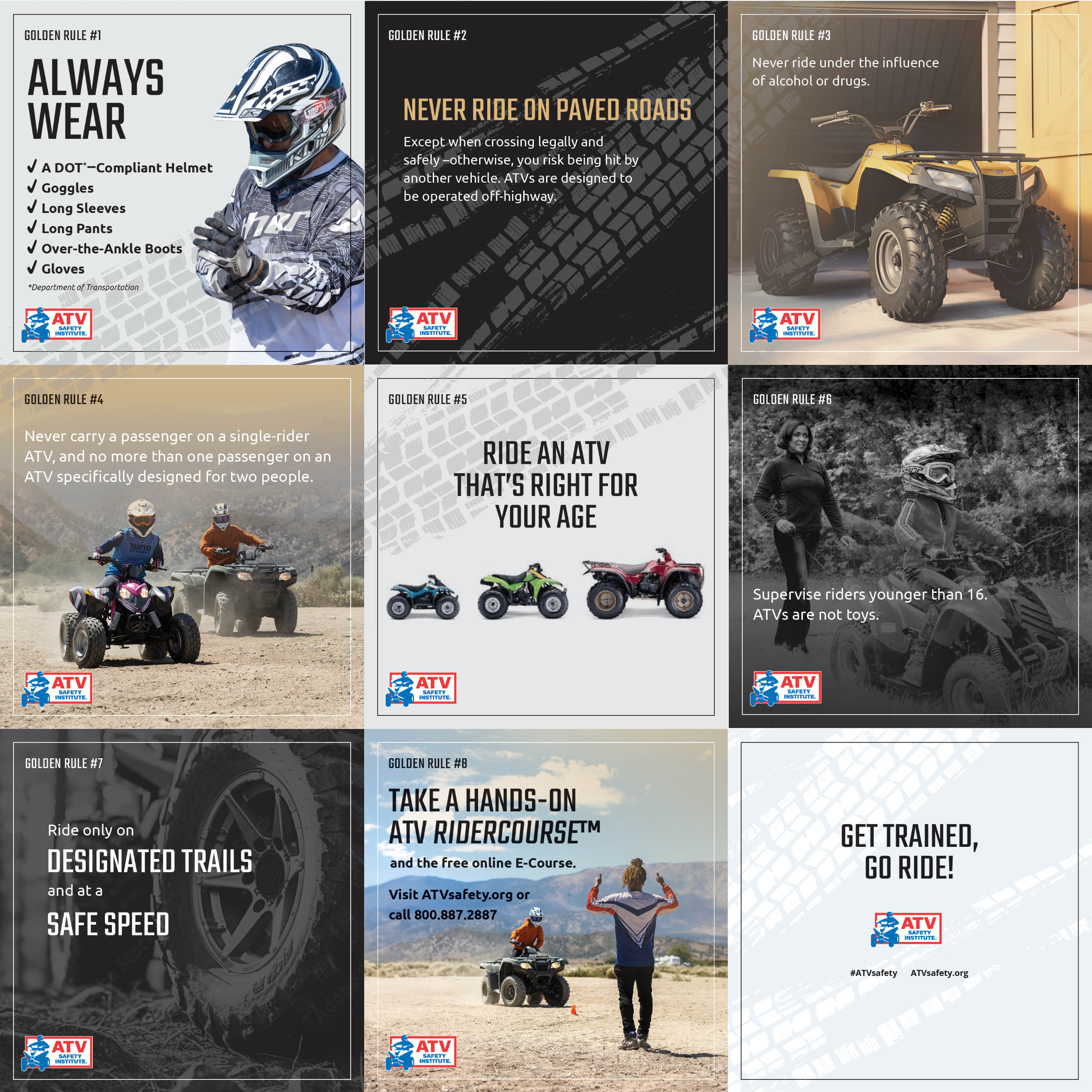
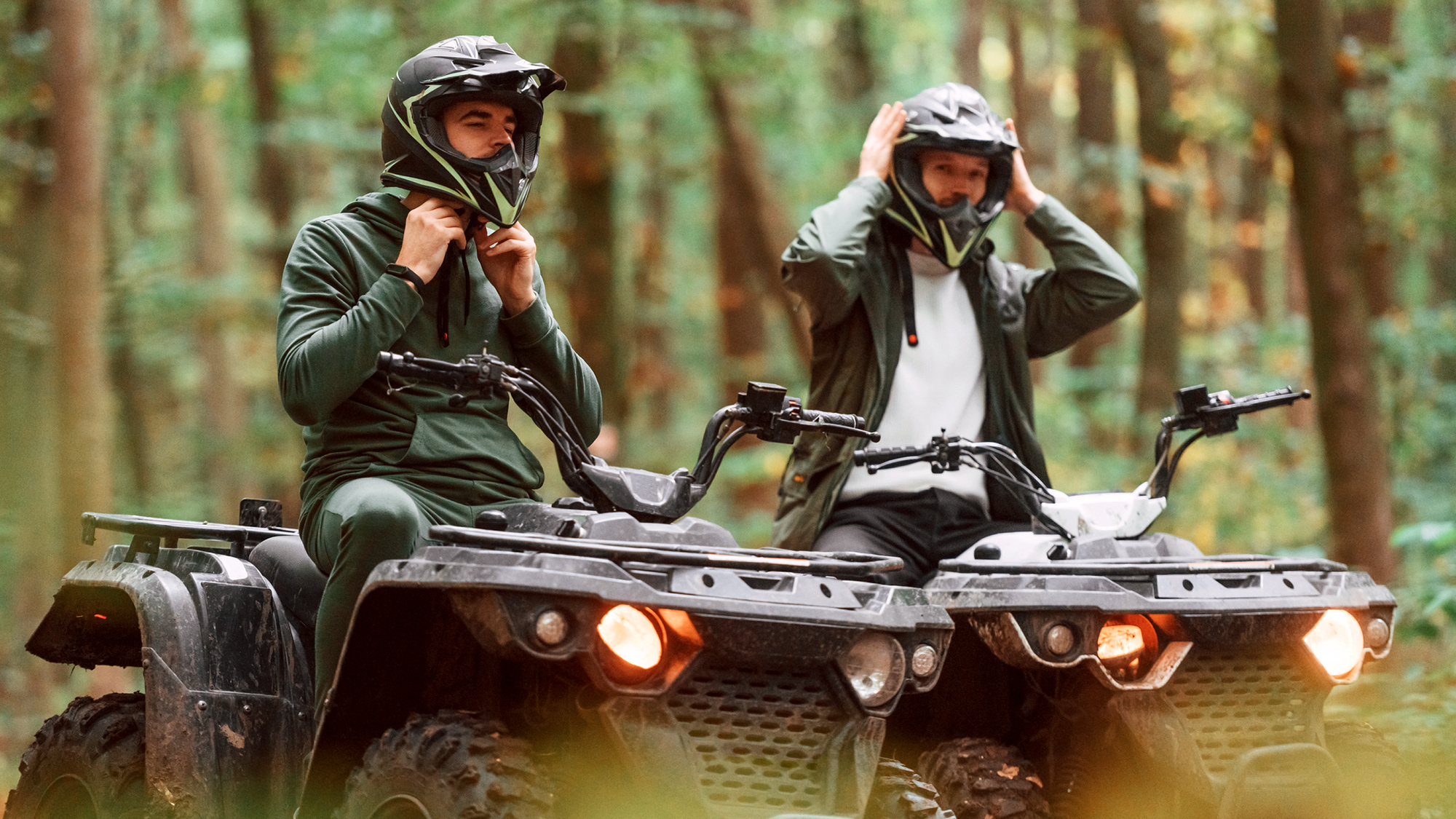
The helmet is the single most critical piece of safety equipment. Operators and passengers must wear a helmet that meets federal and international safety standards, such as those set by the Department of Transportation (DOT) or the Snell Memorial Foundation. Full-face helmets provide superior jaw and facial protection compared to open-face variants. Additionally, riders must wear shatter-resistant goggles or a face shield to prevent branches, dust, and flying debris from impairing vision.
Riding Apparel Requirements
Skin exposure on rugged terrain invites abrasions, lacerations, and burns from hot engine components. Standard ATV riding attire includes:
- Long-Sleeved Shirts and Jackets: Heavy-duty materials or specialized riding jerseys equipped with padding.
- Over-the-Ankle Boots: Sturdy, non-slip boots that protect ankles from crushing impacts and provide a secure grip on footpegs.
- Gloves: Full-fingered riding gloves that enhance handlebar grip, reduce hand fatigue, and protect against blisters and abrasions.
Pre-Ride Inspection and Maintenance
Before starting any engine, conducting a systematic pre-ride inspection ensures the machine is mechanically sound and responsive. Skipping this step can lead to sudden mechanical failures in remote areas.
| Inspection Area | Key Components to Check | Potential Hazard if Ignored |
|---|---|---|
| Tires and Wheels | Pressure, tread depth, lug nuts | Tread separation, sudden deflation, loss of steering control |
| Controls | Throttle, brake levers, clutch | Stuck throttle, inability to stop or shift |
| Lights and Electrics | Headlights, taillights, engine kill switch | Reduced visibility, inability to shut down engine in an emergency |
| Fluid Levels | Engine oil, coolant, brake fluid, fuel | Engine seizure, overheating, brake failure, fuel leaks |
| Drive Train | Chain tension or shaft drive integrity | Sudden loss of propulsion, chain whip |
Following the T-CLOC inspection method—an acronym standing for Tires and wheels, Controls and cables, Lights and electronics, Oil and other fluids, and Chassis—provides a structured framework for identifying worn components before they compromise safety on the trail.
Operational Rules and Trail Etiquette
Operating an ATV safely requires disciplined adherence to established riding rules and environmental stewardship. Safe riding habits protect the operator, passengers, and other trail users.
Fundamental Riding Rules
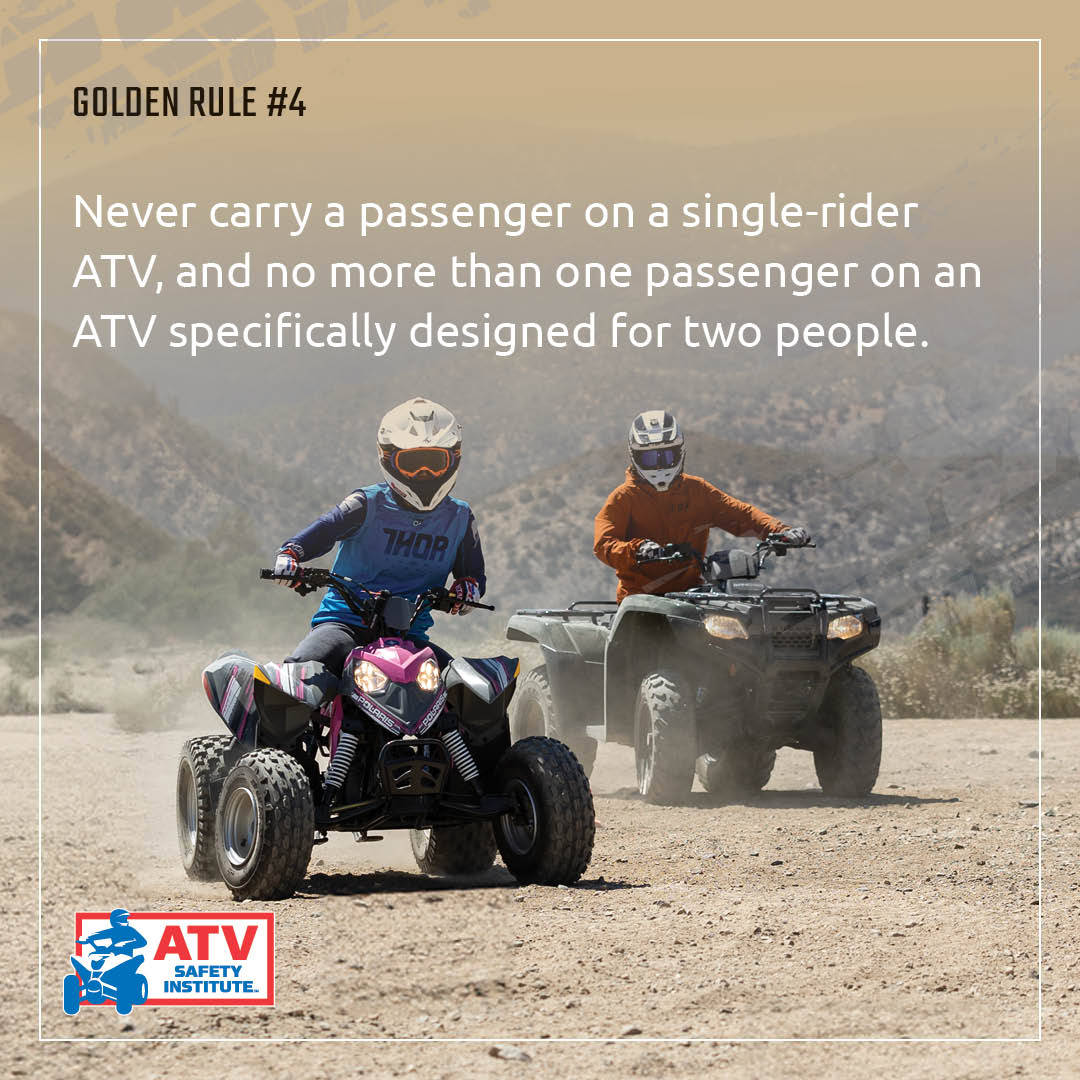
- Never Carry Passengers on Single-Rider ATVs: Most ATVs are engineered specifically for a single operator. Adding a passenger shifts the center of gravity backward, drastically impairs steering control, and increases the likelihood of a rear rollover.
- Strict Prohibition of Alcohol and Drugs: Impairment severely slows reaction time, diminishes risk assessment capabilities, and impairs motor coordination. Operating an ATV under the influence is a leading factor in fatal accidents.
- Ride According to Conditions: Adjust speed based on visibility, weather, trail surface composition, and personal skill level. Wet rocks, loose gravel, and mud require significantly longer stopping distances.
- Avoid Paved Roads: ATVs are engineered for off-road use. Their low-pressure tires do not grip asphalt effectively, making handling unpredictable and exposing riders to vehicular traffic.
Age-Appropriate Vehicle Selection and Youth Safety
Age and physical maturity play a vital role in safe ATV operation. Children and adolescents often lack the physical strength, cognitive development, and reaction times required to manage heavy, high-powered machines.
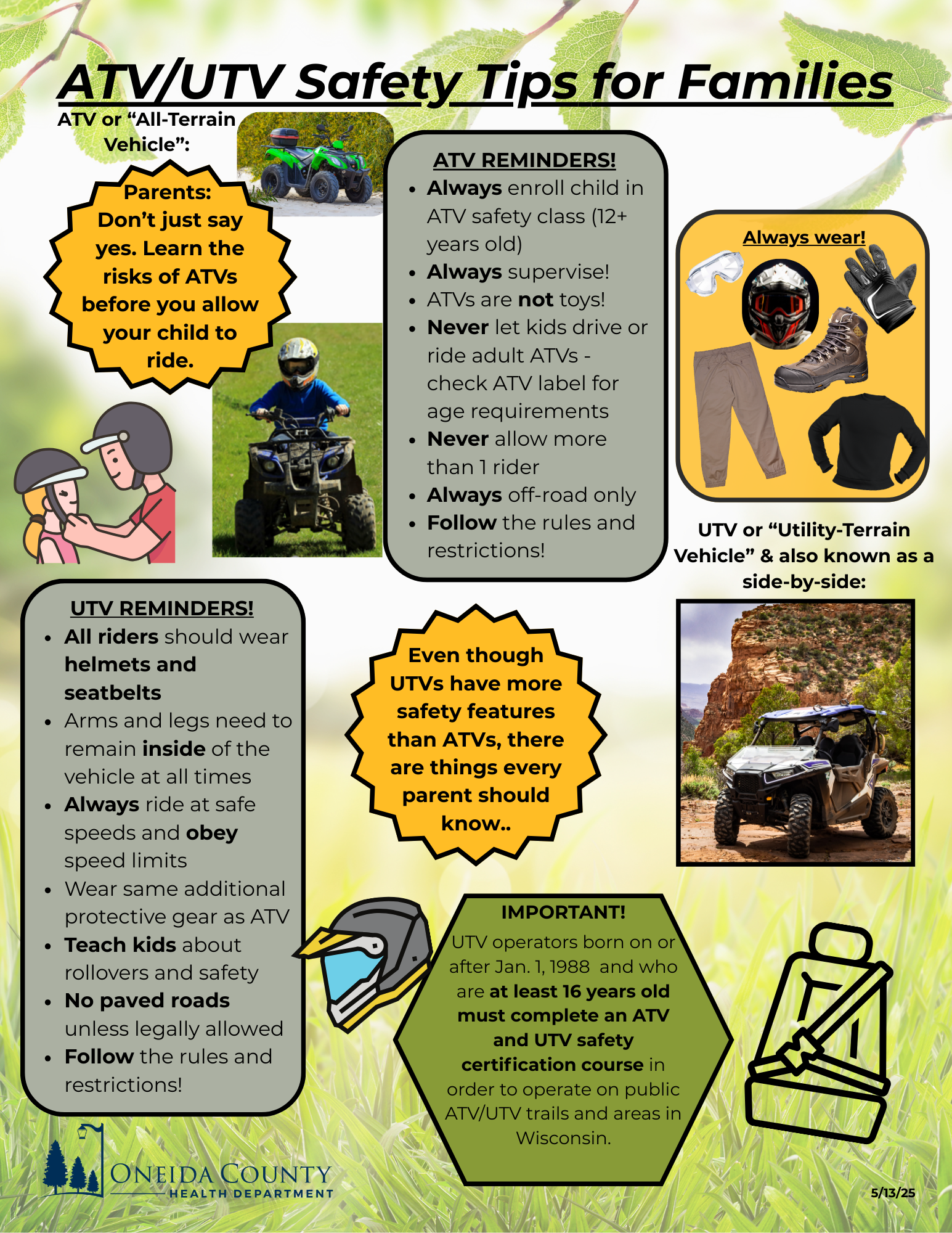
The Consumer Product Safety Commission (CPSC) and manufacturers categorize ATVs by engine displacement (measured in cubic centimeters, or cc) to match specific age brackets. Operating a vehicle outside one's designated age category significantly increases injury rates.
- Under 6 Years Old: Prohibited from operating any motorized ATV.
- 6 to 11 Years Old: Restricted to youth models with engine sizes up to 70cc, operating under adult supervision.
- 12 to 15 Years Old: Permitted to operate youth models with engine sizes up to 90cc (or slightly higher depending on specific training certifications), restricted from operating adult-sized machines.
- 16 Years and Older: Authorized to operate adult-sized ATVs (exceeding 90cc).
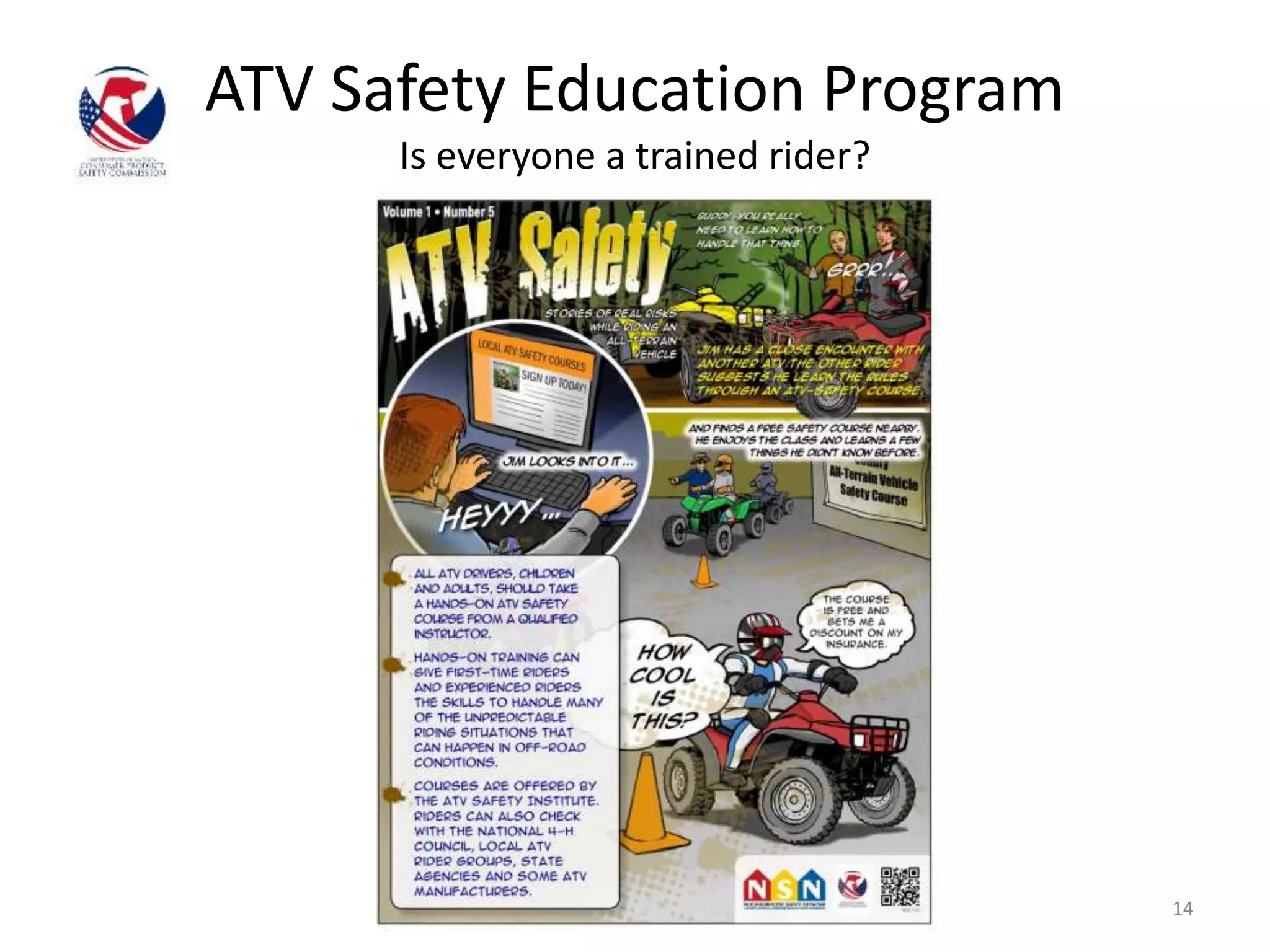
Formal training is invaluable for young riders. Organizations such as the ATV Safety Institute (ASI) offer hands-on training courses that teach proper riding techniques, obstacle navigation, and safety habits. Completing an approved safety course is strongly recommended for all beginners regardless of age.
Frequently Asked Questions
Why is active body positioning important when riding an ATV?
Active body positioning is critical because ATVs lack the self-balancing characteristics of automobiles. Shifting body weight allows the operator to maintain traction, negotiate turns safely, and counteract centrifugal forces or gravity when traversing slopes.
Are helmets legally required for ATV riders?
Legal requirements regarding helmets vary significantly by jurisdiction, state, and land ownership (public versus private trails). However, safety organizations strongly recommend wearing a DOT-certified helmet on every ride regardless of local legal mandates.
Can an ATV be driven on public roads safely?
No. ATVs are not designed for paved surfaces. Their specialized tires create instability on asphalt, and the lack of standard automotive safety features like crumple zones and seatbelts makes road riding extremely hazardous, even when local ordinances permit low-speed street access.
What should I do if my ATV starts to tip over on a side slope?
If an ATV begins to tip over, do not attempt to catch the heavy machine with your body or limbs. Instead, dismount immediately to the uphill side, pushing yourself clear of the vehicle to avoid being crushed.
How often should tire pressure be checked on an ATV?
Tire pressure should be checked before every ride using a low-pressure gauge. ATV tires operate at very low psi (pounds per square inch), and even a minor variance can drastically affect handling and traction.
Conclusion and Next Actions
Prioritizing ATV safety requires a commitment to continuous education, diligent maintenance, and disciplined decision-making on every outing. Before your next ride, inspect your machine using a structured checklist, verify that all riders are wearing certified protective gear, and ensure that vehicle engine sizes match the age and experience level of the operator. For riders seeking to elevate their competency, enrolling in a certified hands-on training course provides invaluable real-world experience and reduces the risk of accidents.