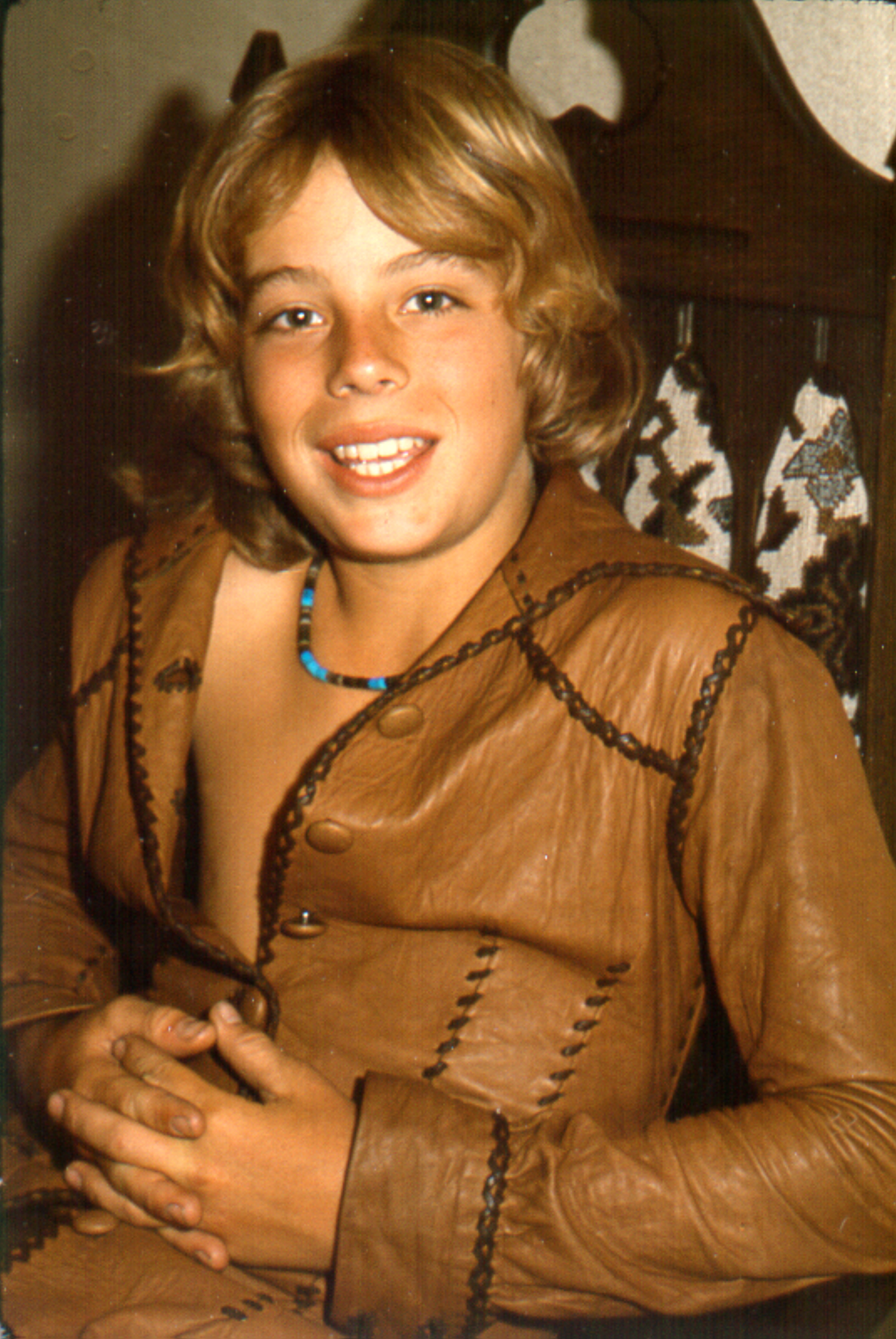
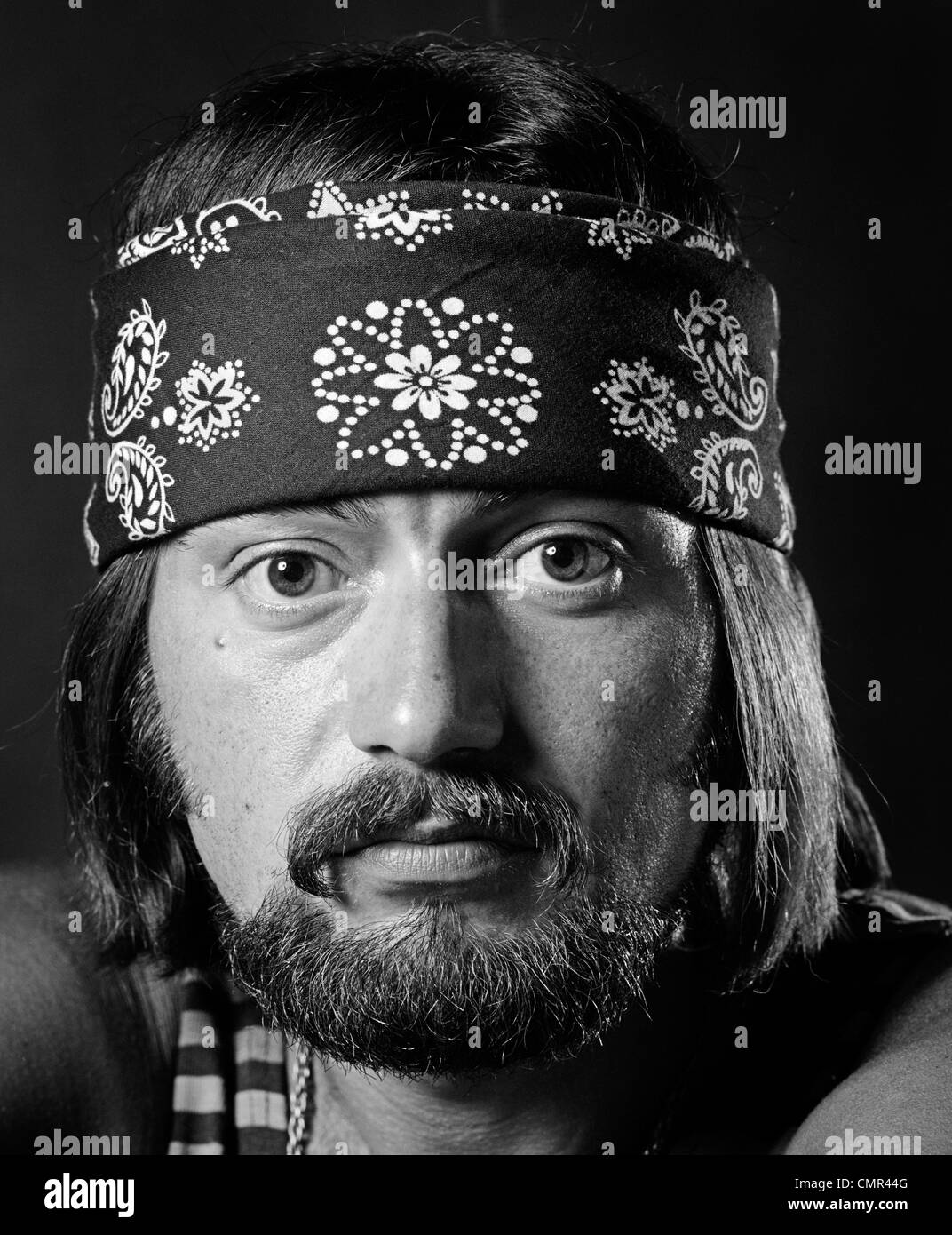
The 70s beard is characterized by a natural, often rugged, and unrefined aesthetic that prioritizes volume and length over the sharp, sculpted lines found in modern grooming. To achieve this look, you must cultivate growth that emphasizes a full mustache connected to a substantial, often rounded or "natural-growth" beard, focusing on patience and minimal structural trimming to maintain its authentic, vintage identity.
Understanding the 70s Aesthetic
The 1970s marked a significant departure from the clean-shaven professional standards of the mid-20th century. During this era, facial hair became a symbol of counter-culture, rugged masculinity, and an intentional rejection of corporate grooming norms. Unlike the "fade" or "skin-taper" styles prevalent in 2026, the 70s beard was often worn as a statement of unfiltered growth.
The primary visual markers of this style include high-density coverage across the cheeks and jawline, often featuring a heavy, sweeping mustache that flows into the beard. The edges were rarely shaved to a sharp line; instead, they were left to follow the natural contours of the face. This creates a softer, more rounded silhouette that frames the jaw rather than sharpening it.
Prerequisites for Growth
Growing a 70s-style beard requires more than just patience; it requires an understanding of your own hair growth patterns. Before attempting this style, you must allow for a "wild growth" period of at least three to four months. During this phase, you should avoid all trimming to ensure the hair reaches its maximum natural volume and density.
Genetics and Density
Not every individual has the follicular density to support a full 70s-style beard. The style relies on the connection between the mustache and the beard (the "soul patch" area and the "isthmus" between the lip and chin). If your facial hair is patchy or lacks density in the cheek regions, the 70s aesthetic—which is inherently unkempt—may appear sparse rather than rugged. Assess your growth during the first 60 days. If the bridge between your mustache and chin remains completely hairless, you may need to adjust your expectations toward a "mustache-heavy" look, which was also prominent in the era.
Essential Tools
While the goal is a "natural" look, you still require a specific set of tools to ensure the beard does not become unhygienic or visually unkempt to the point of disarray.
- Boar Bristle Brush: Essential for training hair to grow in a specific direction and exfoliating the skin underneath to prevent "beardruff."
- Wide-Tooth Comb: Used for detangling without pulling on the hair follicles.
- High-Quality Beard Oil: Vital for maintaining the health of the skin and hair, especially as the beard reaches a length of two inches or more.
- Precision Scissors: Used strictly for trimming stray hairs that grow near the eyes or inside the mouth; avoid electric trimmers for the actual shaping process to prevent accidental "stair-stepping" or thinning.
The Growth Phase: Month-by-Month Strategy
Managing the growth of a 70s beard requires a transition from neglect to subtle maintenance.
Months 1-2: The Itch Phase
This is the most critical period. As the hair follicles break the surface of the skin, itching is common. Use a high-quality beard oil containing jojoba or argan oil to soothe the dermis. During this time, do not trim. Let the hair establish its natural grain.
Months 3-4: The Shaping Period
Once you have sufficient length, you can begin the subtle shaping process. Instead of creating sharp lines with a razor, use your scissors to trim only the hairs that protrude excessively from the natural shape of your face. For the 70s look, the mustache should be left to grow over the upper lip slightly, often styled with a small amount of beard balm or mustache wax to hold it in place.
Months 5 and Beyond: Maintenance
At this point, the beard should be a permanent fixture of your appearance. Weekly maintenance involves washing with a specialized beard wash (not hair shampoo, which is too harsh) and regular brushing to distribute natural oils.
Comparing Styles: 70s vs. Modern Grooming
| Feature | 70s Beard Style | Modern 2026 Style |
|---|---|---|
| Cheek Lines | Natural, rounded, untouched | Sharp, laser-defined, faded |
| Mustache | Heavy, over-the-lip coverage | Trimmed at the lip line |
| Neckline | Natural growth, lower | High, shaved to just below the jaw |
| Overall Shape | Voluminous and organic | Geometric and symmetrical |
| Trimming Goal | Minimal, hygiene-focused | Structural and aesthetic |
The Role of the Mustache
In the 1970s, the mustache was often the centerpiece of the beard. A true 70s-style beard is incomplete without a heavy, full mustache. If you have a beard but a thin mustache, the visual balance will be off. To grow a 70s-style mustache, avoid trimming the area directly above the lip. Allow the hairs to grow downwards. If the mustache interferes with eating or drinking, resist the urge to trim it into a horizontal line. Instead, use a styling wax to brush the mustache hair outward toward the corners of your mouth. This keeps the hair out of your way while preserving the authentic, dense look of the era.
Common Mistakes and Troubleshooting
- Over-Trimming: The most common error is attempting to "clean up" the beard too early. If you trim your cheek lines or neckline in the first two months, you will lose the density required for the 70s look.
- Ignoring the Skin: As your beard grows, the skin underneath needs care. If your skin is dry, the beard will become brittle and lose its natural sheen. Use beard oil daily.
- Uneven Growth: Some men experience faster growth on one side of the face. Do not try to "match" the shorter side by over-trimming the longer side. Allow both sides to grow; the asymmetry is often part of the natural 70s look.
- Lack of Hygiene: A long, natural beard can trap food and debris. Use a dedicated beard wash every three days to ensure the beard remains clean without stripping away the essential natural oils that keep the hair soft.
Professional Advice and Limitations
While the 70s beard is a versatile style, it is important to acknowledge that professional environments in 2026 may still have specific grooming policies. If you work in a high-security or clinical environment, ensure that your beard does not interfere with the proper fit of required safety equipment or face masks. If you find that your chosen style conflicts with professional regulations, consider keeping the density of the 70s style but slightly elevating the neckline to ensure a cleaner silhouette while retaining the core volume.
Frequently Asked Questions
How long does it take to grow a full 70s-style beard?
Most individuals require approximately four to six months of uninterrupted growth to achieve the full volume and density characteristic of the 1970s aesthetic. This duration allows for the hair to fill in gaps and reach a length that creates a substantial, rounded profile.
Do I need to shave my neckline for this style?
Generally, no. The 70s look emphasizes a natural neckline. Shaving a high, defined line—common in 2026—will actively work against the intended vintage, rugged aesthetic. Only trim the very lowest, stray hairs that appear on the upper neck to prevent an overly unkempt appearance, but keep the transition from the beard to the neck soft.
Should I use beard oil or beard balm?
Use both, but for different purposes. Beard oil should be used daily on the skin and the roots of the beard to maintain health and prevent itching. Use a beard balm when you need to style the mustache or tame stray hairs on the surface of the beard, as the wax content provides a stronger hold than oil.
How do I stop my beard from looking "patchy"?
Patchiness is often a matter of length rather than lack of follicles. In the early stages, shorter hairs can highlight gaps. By allowing the beard to grow longer, the surrounding hairs will naturally cover these gaps. If after six months of growth the density remains insufficient, accept your natural growth pattern—a shorter, well-maintained version of the style is always better than a long, thin, or wispy beard.
Is the 70s beard appropriate for all face shapes?
The 70s beard is particularly effective for men with square or rectangular faces, as the rounded, natural growth helps soften harsh jawlines. For rounder faces, you may want to grow the hair on the chin longer than the sides to create an elongated effect, maintaining the vintage vibe while balancing your facial proportions.
Next Action
To begin your journey toward a 70s-style beard, stop using all trimmers and razors on your facial hair today. Commit to a 90-day "no-trim" period. Purchase a high-quality, unscented beard oil to manage the inevitable skin irritation during the first month. By the end of your 90-day growth phase, evaluate your density and length, and begin the process of using scissors only to remove excess length that hampers your daily function, rather than attempting to reshape the beard into modern, sharp lines.