To maximize your 23andMe genetic data in 2026, you must look beyond the standard dashboard by downloading your raw genotype file. This file contains hundreds of thousands of genetic variants (SNPs) that you can upload to specialized third-party tools for advanced health insights, deep ancestry tracing, and personalized wellness optimization.
The Untapped Potential of Your 23andMe Raw Data
Most 23andMe users interact only with the "front-end" of their results—the colorful maps and health risk percentages provided in the official portal. However, the actual DNA chip used for testing (currently the Global Screening Array) analyzes approximately 600,000 to 650,000 Single Nucleotide Polymorphisms (SNPs). The reports provided by 23andMe cover only a small fraction of these variants.
Unlocking your DNA secrets requires accessing the "Raw Data" file. This is a tab-delimited text file that lists your specific genotype at every location tested on the chip. By taking this data to external, specialized platforms, you can gain insights into pharmacogenomics (how you respond to medications), nutritional deficiencies, and much more granular genealogical data than the standard 23andMe interface allows.
In 2026, the landscape of personal genomics has shifted toward "interpretation-as-a-service." While 23andMe provides the biological measurement, the true "maximization" of that data happens through independent analysis. This approach allows users to bypass the limitations of FDA-cleared reports, which are often conservative in their scope to meet regulatory requirements.
How to Securely Download Your 23andMe Raw Data
Before you can use third-party tools, you must retrieve your data from the source. Given the increased focus on genomic security following major industry data breaches in previous years, the process in 2026 involves several layers of authentication.
- Identity Verification: Log in to your 23andMe account. Ensure that two-factor authentication (2FA) is active. In 2026, most genomic services require biometric or hardware-key verification for raw data access due to the sensitive nature of the information.
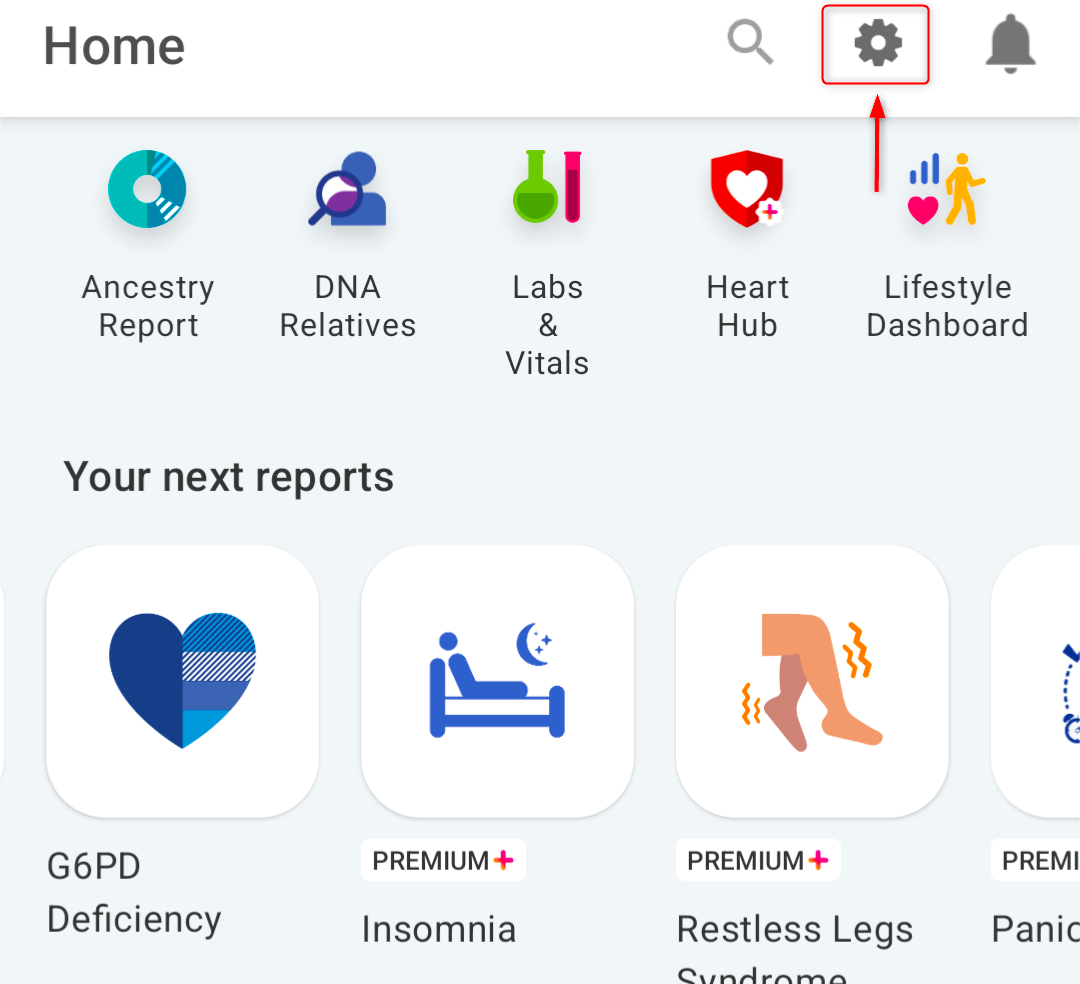
- Navigate to Settings: Go to the "Account" menu and select "Settings." From there, locate the "Your Data" section.
- Request Download: Click on "Browse Raw Data" and then select the "Download" tab. You will be prompted to acknowledge a disclaimer stating that 23andMe is not responsible for the security of your data once it is downloaded and uploaded to other services.
- Email Confirmation: 23andMe will send a secure link to your registered email address. This link is typically valid for only 24 hours.
- Secure Storage: Once downloaded, the file is usually a compressed (.zip) folder containing a text file. Do not store this file on a public cloud or unencrypted drive. Treat it with the same level of security as your social security number or financial records.
Maximizing Health Insights with Third-Party Interpretation
While 23andMe provides reports on conditions like Late-Onset Alzheimer's and Parkinson's Disease, they do not cover the vast array of SNPs related to daily wellness. Third-party interpretation tools allow you to "unlock" these secrets.
Pharmacogenomics (PGx)
One of the most practical ways to maximize your data is through pharmacogenomics. By cross-referencing your raw data with databases like PharmGKB, you can identify how your body metabolizes common medications, such as statins, antidepressants, and blood thinners. This information is invaluable for your healthcare provider when determining dosages or avoiding adverse drug reactions.
Nutrigenomics and Methylation
Tools like Genetic Genie or NutraHacker focus on the MTHFR gene and other pathways involved in methylation and detoxification. Many users find that their 23andMe data reveals a genetic predisposition for poor B-vitamin absorption or sensitivity to certain dietary fats. Maximizing your data in this context means moving from "general health advice" to "genetically informed nutrition."
Rare Variant Analysis
Platforms such as Promethease allow you to search your entire raw data file against SNPedia, a wiki-style database of genetic research. This can reveal rare variants associated with everything from caffeine metabolism to eye color and risks for less common hereditary conditions that are not included in the standard 23andMe Health + Ancestry service.
Advanced Ancestry and Genealogical Research
If your primary goal is to unlock family secrets or trace your lineage, the 23andMe "DNA Relatives" tool is only the starting point. To truly maximize your genealogical data, you must engage in chromosome mapping and cross-database comparisons.
Using GEDmatch for Deep Ancestry
GEDmatch is a powerful third-party platform that accepts raw data from various testing companies. It offers "admixture" tools that provide a different perspective on your ethnic breakdown compared to 23andMe. More importantly, it allows you to compare your DNA segments with users who tested at other companies (like AncestryDNA or MyHeritage), significantly expanding your pool of potential relatives.
Chromosome Painting and Triangulation
To solve complex family mysteries, you need to know which segments of DNA you share with matches. Tools like DNA Painter allow you to "paint" your chromosomes with segments assigned to specific ancestors. By identifying overlapping segments among three or more people (triangulation), you can confirm exactly which ancestor passed down a specific piece of genetic code.
Comparing Native 23andMe Features vs. Third-Party Tools
To decide where to spend your time and resources, it is helpful to compare the capabilities of the native 23andMe platform against the most popular third-party alternatives available in 2026.
| Feature | 23andMe (Native) | Third-Party Tools (Promethease, GEDmatch, etc.) |
|---|---|---|
| Ease of Use | Very High (Consumer-friendly) | Moderate to Low (Technical) |
| Scientific Rigor | High (FDA-cleared health reports) | Variable (Uses latest research, some unproven) |
| Number of SNPs Analyzed | ~50-100 for health reports | Up to 650,000+ |
| Ancestry Database | Limited to 23andMe users | Global (Cross-platform compatibility) |
| Cost | Included in kit / Subscription | Often Free or Low-cost ($5 - $20) |
| Privacy Controls | High (Strict corporate policy) | Variable (User must manage security) |
| Medical Utility | General wellness & carrier status | Detailed Pharmacogenomics & Methylation |
Privacy and Security: Protecting Your Genetic Secrets
Unlocking your DNA secrets comes with significant privacy risks. When you upload your raw data to a third-party site, you are often moving it from a highly regulated environment to one with fewer oversight mechanisms.
The Risks of Data Exposure
In 2026, genetic data is a high-value target for hackers and can be used for "identity synthesis." Before uploading your data to any service, read their privacy policy specifically for clauses regarding:
- Law Enforcement Access: Does the site allow police to search the database without a warrant? (e.g., GEDmatch’s opt-in/opt-out policy).
- Data Deletion: Can you permanently delete your data and the account?
- Anonymization: Does the service strip your name and identifiers from the genetic file?
Best Practices for 2026
Always use a unique, complex password for any site where you upload DNA data. If a site does not offer two-factor authentication, it is generally considered unsafe for genomic data in the current security climate. Furthermore, consider using a pseudonym if you are uploading data solely for health research and do not need to be found by relatives.
Troubleshooting Common Raw Data Issues
Many 23andMe owners encounter hurdles when trying to maximize their data. Understanding these technical nuances is key to a smooth experience.
- Incompatible File Formats: Some older third-party tools may struggle with the "V5" chip format used by 23andMe. Ensure the tool you are using specifically states support for the latest 23andMe data structure.
- Incomplete Data (No Calls): You may notice some lines in your raw data file have a "--" instead of a genotype. This is a "no call," meaning the lab could not confidently determine the variant at that location. This is normal, but a high percentage of no calls may indicate a need for a retest.
- Misinterpretation Risk: It is easy to misinterpret a "positive" finding on a site like Promethease. Many genetic variants only slightly increase risk and are influenced heavily by environment and lifestyle. Always consult a genetic counselor or a qualified medical professional before making health decisions based on third-party DNA analysis.
Frequently Asked Questions
Can I upload my 23andMe data to AncestryDNA?
No, Ancestry.com does not currently allow users to upload raw data from other companies. However, you can upload your 23andMe data to sites like MyHeritage, LivingDNA, and FamilyTreeDNA to find relatives who tested on those platforms.
Is the 23andMe+ subscription worth it for maximizing data?
The 23andMe+ subscription provides ongoing reports and access to pharmacogenomic insights within the 23andMe ecosystem. For users who prefer a curated, easy-to-understand experience, it is valuable. However, for "power users" looking to unlock every secret, the raw data file and third-party tools offer significantly more depth for a lower total cost.
How do I find the specific MTHFR gene in my 23andMe data?
Once you download your raw data, you can open the text file and search for "rs1801133" (the SNP for MTHFR C677T) or "rs1801131" (the SNP for MTHFR A1298C). Alternatively, uploading the file to a specialized methylation tool will provide a much clearer interpretation of your status.
Does 23andMe own my DNA after I download it?
No. According to 23andMe’s 2026 terms of service, you retain ownership of your genetic information. However, by using their service, you grant them a license to use your de-identified data for research if you have opted into the Research Consent program. You can revoke this consent or request account deletion at any time.
Can third-party tools tell me my biological age?
Some tools analyze your genetic data to estimate "biological age" based on specific SNPs associated with longevity and cellular aging. However, for a truly accurate biological age measurement in 2026, most experts recommend epigenetic (DNA methylation) testing, which 23andMe's standard genotype chip does not measure.
Expert Recommendation for 23andMe Owners
To truly maximize your 23andMe data in 2026, follow a tiered approach. Start by opting into the official health reports for a baseline understanding of your genetic risks. Once comfortable, download your raw genotype file and utilize Promethease for a comprehensive health overview and GEDmatch for advanced genealogy. Always prioritize security by using a dedicated, encrypted device for storing your raw DNA files and never share your raw data on social media or unsecured forums. For any significant health findings, schedule a consultation with a board-certified genetic counselor to validate the results through clinical-grade testing.