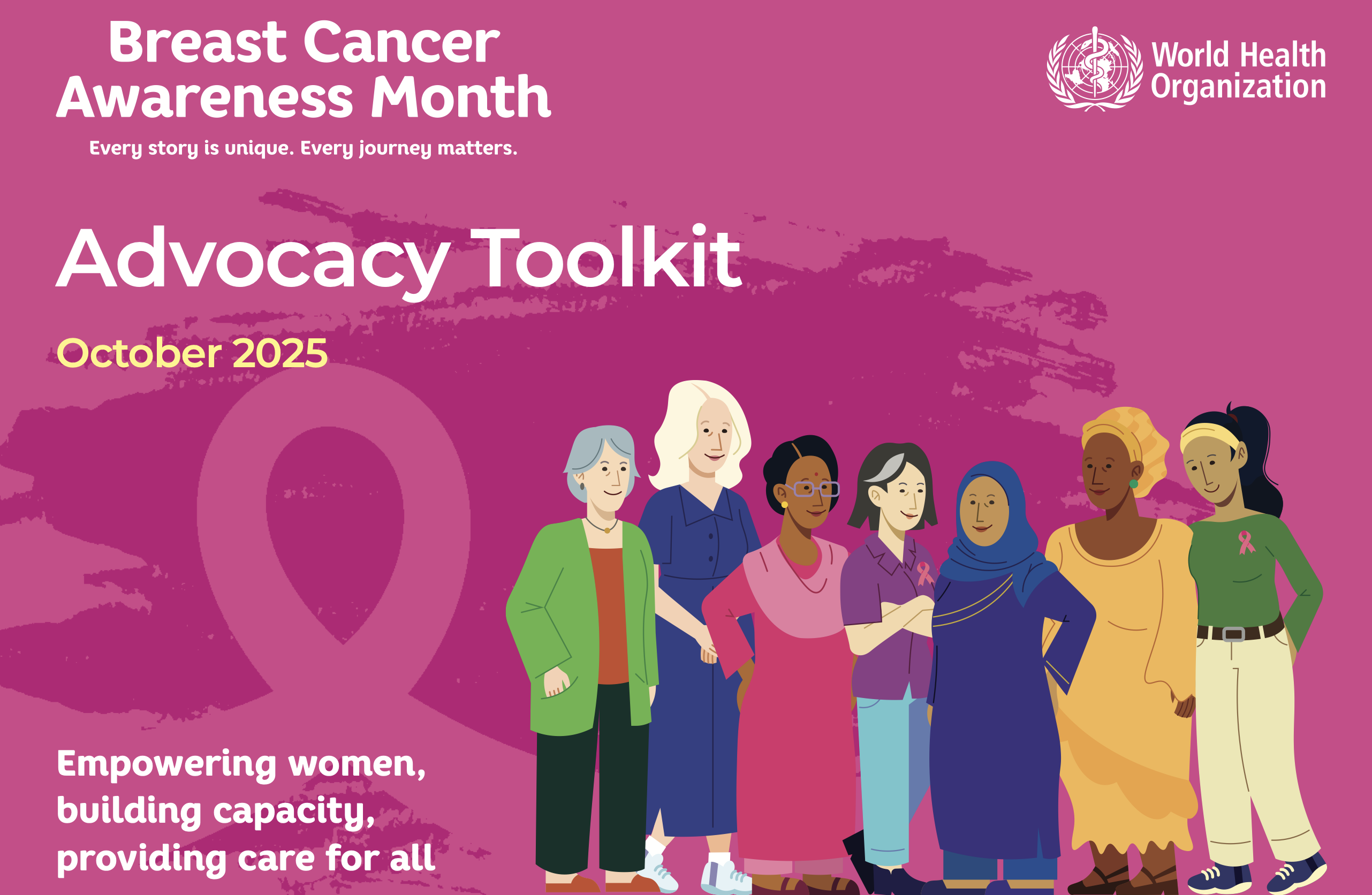
Breast Cancer Awareness Month, historically observed every October, serves as a vital global movement to increase early detection, improve patient support, and accelerate research breakthroughs. The 2025 initiative emphasized "Empowering Change, Saving Lives" by shifting the focus from generalized awareness to data-driven, personalized health actions that directly correlate with improved survival rates and long-term quality of life for survivors.
The Evolution of Awareness: Moving Toward Empowerment
For decades, Breast Cancer Awareness Month functioned primarily as a vessel for public visibility. By 2025, the focus matured into a clinical and educational framework designed to translate that visibility into tangible patient outcomes. "Empowering Change" refers to the transition from passive knowledge to active health management. This includes the widespread adoption of risk-based screening models, genetic counseling, and the democratization of data regarding emerging therapeutic options.
The "Saving Lives" component of the 2025 theme highlighted the critical necessity of closing the disparity gap. Medical researchers and patient advocacy groups prioritized reaching underserved populations, ensuring that advancements in diagnostic imaging and targeted drug therapies—such as antibody-drug conjugates—are accessible regardless of geographic or socioeconomic barriers.
Understanding the 2025 Screening Standards
The cornerstone of saving lives remains early detection. By 2025, clinical guidelines evolved to prioritize a personalized approach to screening. The "one-size-fits-all" model of annual mammography starting at age 40 remains the standard for many, but updated clinical pathways now heavily integrate breast density assessments and polygenic risk scores.
Essential Screening Components
- Mammography: Digital breast tomosynthesis (3D mammography) remains the gold standard for routine screening due to its increased sensitivity in detecting small, invasive cancers.
- Breast Density Assessment: In 2025, legislative and clinical requirements in many jurisdictions mandated that patients be informed of their breast density. Dense breast tissue can mask tumors on a standard mammogram, often necessitating supplemental screening.
- Supplemental Imaging: For individuals with dense breasts or high genetic risk factors, supplemental modalities—including abbreviated breast MRI or Automated Breast Ultrasound (ABUS)—have become more common, helping to identify lesions that might otherwise go undetected.
Clinical Advancements and Treatment Innovations
The 2025 landscape for breast cancer treatment reflects a significant shift toward precision oncology. Treatment protocols are no longer dictated solely by tumor stage but by the molecular profile of the disease.
Therapeutic Shifts
- Antibody-Drug Conjugates (ADCs): These "smart bombs" for cancer cells deliver chemotherapy directly to the tumor while sparing healthy tissue, significantly reducing systemic side effects and improving outcomes for HER2-positive and HER2-low subtypes.
- Immunotherapy Integration: By 2025, the use of checkpoint inhibitors in combination with chemotherapy became a more refined standard for specific high-risk, triple-negative breast cancer (TNBC) cases.
- De-escalation Strategies: Recognizing the importance of quality of life, clinicians are increasingly adopting treatment de-escalation for low-risk, early-stage patients, reducing the intensity of radiation or systemic therapy when evidence suggests equal efficacy.
Addressing Health Disparities in Care
The 2025 campaign underscored that empowerment is impossible without equity. Research published and highlighted during the 2025 awareness period demonstrated that while mortality rates have declined globally, the burden of mortality remains disproportionately high among marginalized communities.
Empowering change means systematically addressing the following:
- Infrastructure: Expanding the reach of mobile screening units to rural and inner-city locations where primary care access is limited.
- Culturally Competent Care: Training providers to recognize and address unconscious bias in medical settings, which often leads to delayed diagnoses for patients of color.
- Financial Toxicity: Advocacy groups in 2025 campaigned for better coverage of diagnostic follow-ups, ensuring that patients are not deterred by out-of-pocket costs after an abnormal screening result.
Comparing Diagnostic and Treatment Modalities
To understand the current standard of care, it is helpful to categorize the primary tools used in the modern clinical environment.
| Modality/Approach | Primary Purpose | Best Used For |
|---|---|---|
| 3D Mammography | Routine Screening | General population, all breast types |
| Breast MRI | High-risk Surveillance | Patients with BRCA mutations or high lifetime risk |
| Genetic Testing | Risk Assessment | Patients with strong family history |
| Targeted ADCs | Advanced Treatment | HER2+ or HER2-low metastatic disease |
| Breast Density Notification | Information/Risk | Patients with dense tissue to guide imaging choice |
Practical Steps for Proactive Health
Empowerment requires taking actionable steps. The following guidelines reflect the recommended practices established by major oncology organizations for the 2025–2026 period.
- Know Your Risk: Utilize validated risk-assessment tools in consultation with a primary care physician to determine if you meet the criteria for "high-risk" screening.
- Understand Your Breast Density: If your mammogram report mentions dense tissue, discuss with your radiologist whether supplemental screening—such as an ultrasound or MRI—is clinically appropriate for you.
- Maintain Regular Records: Keep a personal health file containing your screening dates, results, and genetic testing summaries. Continuity of care is easier when you have clear documentation of your history.
- Advocate for Your Care: If you feel symptoms—such as a persistent lump, skin dimpling, or nipple discharge—do not wait for your scheduled screening. Demand a clinical breast exam and diagnostic imaging regardless of your last clear test.
Frequently Asked Questions
Does the 2025 focus on "Empowering Change" replace the traditional goal of awareness? No. Empowerment builds upon awareness. While awareness ensures that the public knows that breast cancer exists and that screening is important, empowerment ensures that the public has the specific knowledge and access to navigate the healthcare system effectively for their unique risk profile.
Are there new screening guidelines for 2026 based on 2025 findings? While core screening recommendations for average-risk individuals remain stable, there is an increased emphasis on individualizing the "start" and "stop" ages for screening based on physical exams and family history rather than age alone. Always verify current guidelines with your regional health authority.
What is the significance of the "HER2-low" classification mentioned in recent research? This is a critical development. It identifies a group of patients who were previously classified as "HER2-negative" but who can now benefit from specific targeted therapies designed for the HER2-low spectrum, significantly expanding the pool of patients eligible for precision medicine.
How can I find affordable screening if I do not have insurance? Many national and local programs, including those supported by the CDC’s National Breast and Cervical Cancer Early Detection Program, provide low-cost or free screenings. During Breast Cancer Awareness Month, many local hospitals also host "community health days" offering reduced-cost imaging.
Is genetic testing recommended for everyone? No. Genetic testing is generally reserved for individuals with a personal or family history of breast, ovarian, or other related cancers that suggest an inherited mutation. Discussing your family pedigree with a genetic counselor is the best way to determine if testing is medically indicated.
Next Steps for Advocacy and Action
The 2025–2026 initiatives serve as a reminder that the work of saving lives is perpetual. For individuals, the most significant action is to ensure they are current on their own screening protocols based on their specific risk factors. For advocates, the mission is to continue pushing for the institutional changes—such as standardized breast density notification laws and expanded coverage for diagnostic imaging—that remove the financial and systemic hurdles between patients and life-saving care.
If you are due for a screening, take this opportunity to schedule it today. If you have concerns about your risk, reach out to a healthcare provider to request a consultation. Awareness is the starting point, but proactive engagement with your healthcare team is the action that drives outcomes.