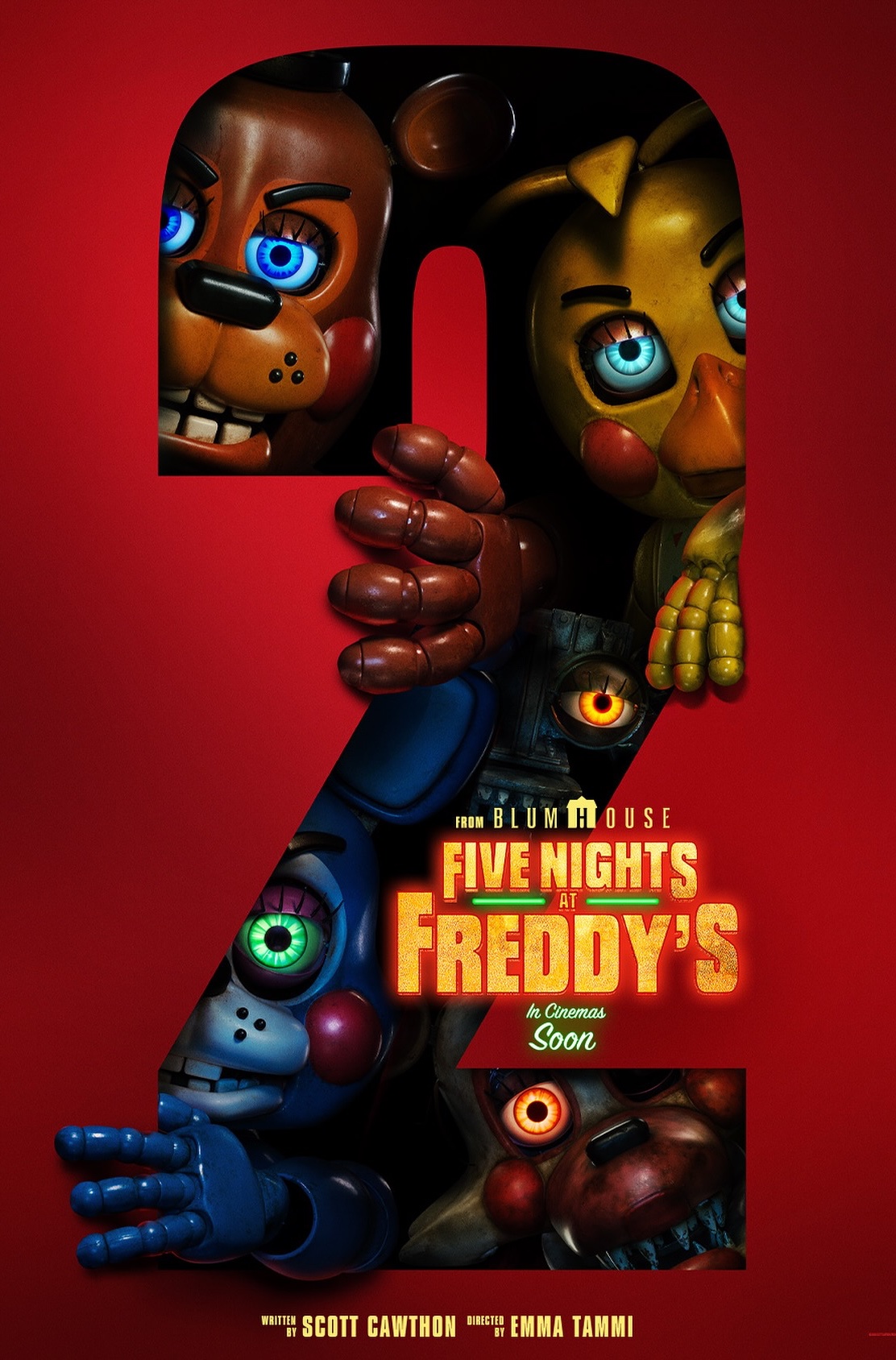
As of 2025, the Five Nights at Freddy’s (FNAF) franchise is valued at an estimated $1.2 billion to $1.5 billion in total brand equity. This valuation encompasses global video game sales, a massive merchandising empire, a highly successful literary division, and a burgeoning cinematic universe that saw a major peak with the late-2025 theatrical release of its second feature film.
The trajectory of Five Nights at Freddy’s is an anomaly in the entertainment industry. What began as a desperate "last-ditch effort" by solo developer Scott Cawthon in 2014 has evolved into a multi-media juggernaut. By 2025, the franchise has moved far beyond its "indie horror" roots, solidifying its place alongside legacy properties like Star Wars or Marvel in terms of brand recognition among younger demographics. To understand the valuation of FNAF in 2025, one must dissect the various revenue streams that contribute to its massive financial footprint.
The Evolution of an Indie Empire: From 2014 to 2025
The valuation of FNAF is built on a foundation of intellectual property (IP) that scales with remarkably low overhead compared to traditional AAA gaming franchises. In the early years, the brand's value was tied almost exclusively to game sales on Steam and mobile app stores. However, the 2020s marked a shift toward "transmedia" expansion.
By 2025, the franchise has successfully transitioned through three distinct eras of growth:
- The Indie Boom (2014–2018): Rapid-fire game releases and the explosion of "Let's Play" culture on YouTube.
- The Corporate Expansion (2019–2022): Partnerships with Steel Wool Studios for high-fidelity titles like Security Breach and the expansion of the "Fazbear Frights" book series.
- The Cinematic Era (2023–2025): The crossover into mainstream Hollywood, which drastically inflated the brand's net worth through box office revenue and renewed interest in legacy products.
Breaking Down the Revenue Streams in 2025
The $1.5 billion valuation is not a liquid cash figure but an assessment of the brand's earning power across several high-performing sectors.
Video Game Sales and Digital Revenue
While the movie often grabs the headlines, the games remain the heart of the business. By 2025, the FNAF catalog includes over a dozen core entries, spin-offs, and VR experiences. The revenue model here is diverse:
- Premium Sales: One-time purchases of titles like Help Wanted 2 and the 10th-anniversary projects.
- Mobile Porting: FNAF remains a consistent top-seller on the iOS and Android App Stores, where lower price points encourage impulse buys from a younger audience.
- Licensing for Platforms: Inclusion in subscription services like Xbox Game Pass or PlayStation Plus provides steady licensing fees that bolster the bottom line.
The Merchandising Juggernaut
Merchandising is arguably the most profitable arm of the FNAF ecosystem. Scott Cawthon’s partnership with Funko transformed the brand into a retail staple. In 2025, FNAF merchandise occupies significant shelf space in major retailers like Walmart, Target, and GameStop.
- Action Figures and Plushies: These remain the primary drivers, with "chase" variants and limited editions creating a secondary market.
- Apparel and Stationery: Licensing deals with companies like Bioworld have moved the brand into the lifestyle category.
- Estimated Annual Merch Revenue: Conservative estimates suggest the brand generates between $100 million and $200 million annually in licensed retail sales alone.
The Blumhouse Cinematic Universe
The 2023 Five Nights at Freddy’s movie, produced by Blumhouse and distributed by Universal, was a watershed moment. On a modest budget of approximately $20 million, it grossed over $290 million worldwide.
In late 2025, the release of the sequel further amplified this value. The "Blumhouse Effect" refers to the massive return on investment (ROI) that horror films generate. For FNAF, the movies serve as a massive "top-of-funnel" marketing tool, re-engaging old fans and introducing the IP to millions of new ones, which in turn spikes game and merch sales.
The Literary Division (Scholastic)
The FNAF books, including the Fazbear Frights and Tales from the Pizzaplex series, have consistently appeared on the New York Times Best Seller lists. Published via Scholastic, these books offer "lore" that is essential for the hardcore fan base. By 2025, the literary wing of the franchise is estimated to have sold over 10 million copies globally.
Estimated Valuation Breakdown (2025 Projections)
The following table provides a breakdown of the estimated annual revenue and asset valuation for the Five Nights at Freddy's brand as of late 2025.
| Revenue Stream | Estimated Annual Revenue (2025) | Asset Valuation Impact | Key Partners |
|---|---|---|---|
| Video Games | $60M - $85M | $350M | Steel Wool, Clickteam |
| Merchandise | $150M - $220M | $550M | Funko, YouTooz, Sanshee |
| Box Office/Streaming | $250M - $300M* | $400M | Blumhouse, Universal, Peacock |
| Publishing/Books | $15M - $25M | $120M | Scholastic |
| Total Brand Value | $475M - $630M (Annual) | ~$1.42 Billion | — |
*Includes 2025 film release projections and 2023 film residuals.
Why the FNAF Valuation is So Resilient
Many indie brands experience a "flash in the pan" success. However, FNAF has maintained a high valuation for over a decade. This resilience is attributed to several technical and psychological factors.
The "Lore" Economy
FNAF pioneered a specific type of community engagement often called "lore hunting." By leaving intentional gaps in the narrative, Scott Cawthon turned his audience into active participants. High-profile YouTubers like MatPat (Game Theory) built entire careers around the franchise, providing what is essentially free, perpetual marketing. This keeps the brand's search volume high even during years without a major game release.
Low Production Costs vs. High Retail Value
From a technical standpoint, the early FNAF games were incredibly inexpensive to produce. While later titles like Security Breach required larger teams and higher budgets, the profit margins remain significantly higher than those of traditional "cinematic" games like The Last of Us or God of War. This high margin increases the enterprise value of the IP because the risk-to-reward ratio is highly favorable for investors and partners.
Cross-Generational Appeal
By 2025, the children who played the original game in 2014 are now in their early 20s with disposable income. Simultaneously, the franchise continues to attract a "new wave" of primary-school-aged fans through Roblox fan games and the PG-13 rated movies. This dual-market appeal—nostalgic adults and new children—is a rare gold mine in the entertainment world.
The Role of Scott Cawthon’s Personal Net Worth
While the brand is worth over a billion dollars, it is important to distinguish this from the personal net worth of its creator, Scott Cawthon.
Cawthon has historically remained the sole owner of the IP, although he has delegated development to Steel Wool and cinematic production to Blumhouse. In 2025, Scott Cawthon’s personal net worth is estimated to be between $150 million and $200 million.
Unlike most corporate-owned IPs, Cawthon has not "sold out" the franchise to a giant like Disney or Electronic Arts. By maintaining control, he has ensured that a larger percentage of the royalties flow back to his estate, though he is also known for significant philanthropic donations, which affects his liquid net worth.
Potential Risks to the 2025 Valuation
No valuation is without risk. As we look at the landscape in 2025, several factors could impact the brand's future worth:
- Over-Saturation: With two movies and dozens of books, there is a risk of "FNAF fatigue." If the 2025 sequel is not well-received, it could signal a cooling of the cinematic wing.
- Brand Maturation: As the lore becomes increasingly complex, it may become difficult for new fans to enter the ecosystem, potentially shrinking the "new user" pipeline.
- Dependence on Third Parties: While Cawthon owns the IP, he relies heavily on Steel Wool for game development and Funko for merchandising. Any breakdown in these relationships could disrupt the revenue stream.
Comparison: FNAF vs. Other Horror Franchises
To put the 2025 valuation in perspective, it is helpful to compare FNAF to other legendary horror IPs.
- Resident Evil (Capcom): While Resident Evil has a higher total lifetime revenue (due to 25+ years of history and AAA game pricing), FNAF has a higher "merchandise-per-fan" spend and a more aggressive growth rate in the 2020-2025 window.
- It (Stephen King/Warner Bros): The It franchise saw massive spikes in 2017 and 2019, but it lacks the consistent, year-over-year digital engagement of FNAF’s gaming and YouTube ecosystem.
- Hello Neighbor: Once considered a direct competitor, Hello Neighbor failed to achieve the same cinematic or literary scale, leaving FNAF as the undisputed leader of the "Mascot Horror" genre.
Frequently Asked Questions
Is Scott Cawthon still the owner of FNAF in 2025?
Yes. Despite his public retirement from the "front-facing" role of lead developer in 2021, Scott Cawthon remains the legal owner of the Five Nights at Freddy's intellectual property. He oversees the creative direction of the movies and the lore of the games, even though third-party studios now handle the day-to-day coding and production.
How much did the 2025 movie sequel contribute to the brand's value?
The 2025 sequel is estimated to have contributed over $300 million to the brand's total equity through box office sales and renewed licensing deals. Cinematic successes often provide a "halo effect," where every other product in the franchise sees a 15-30% lift in sales during the theatrical window.
Does FNAF make more money from games or merchandise?
In 2025, merchandise is the primary revenue driver. While the games provide the "cultural relevance" and the source material, the volume of sales from toys, plushies, and apparel at major retailers far exceeds the revenue generated from digital game downloads.
Why is FNAF valued so much higher than other indie games?
FNAF’s valuation is higher because it successfully made the jump from "software" to "lifestyle brand." Most indie games remain just games; FNAF is a series of movies, a library of books, and a massive retail presence. This diversification makes the revenue much more stable and predictable.
What is the estimated total box office for the FNAF franchise as of 2025?
Including the 2023 film and the initial 2025 run of the second film, the franchise has grossed an estimated $600 million to $700 million globally. This makes it one of the most successful horror film franchises in history based on its budget-to-gross ratio.
Final Perspective: The Future of Fazbear
As we move through 2026, the Five Nights at Freddy’s franchise shows no signs of slowing down. With a valuation hovering near the $1.5 billion mark, it has transcended its origins as a small-scale jump-scare game. The franchise's ability to maintain high engagement through lore, coupled with a highly efficient licensing model, ensures that it remains one of the most valuable properties in modern entertainment. For investors and creators alike, FNAF serves as the ultimate blueprint for building a billion-dollar empire in the digital age.