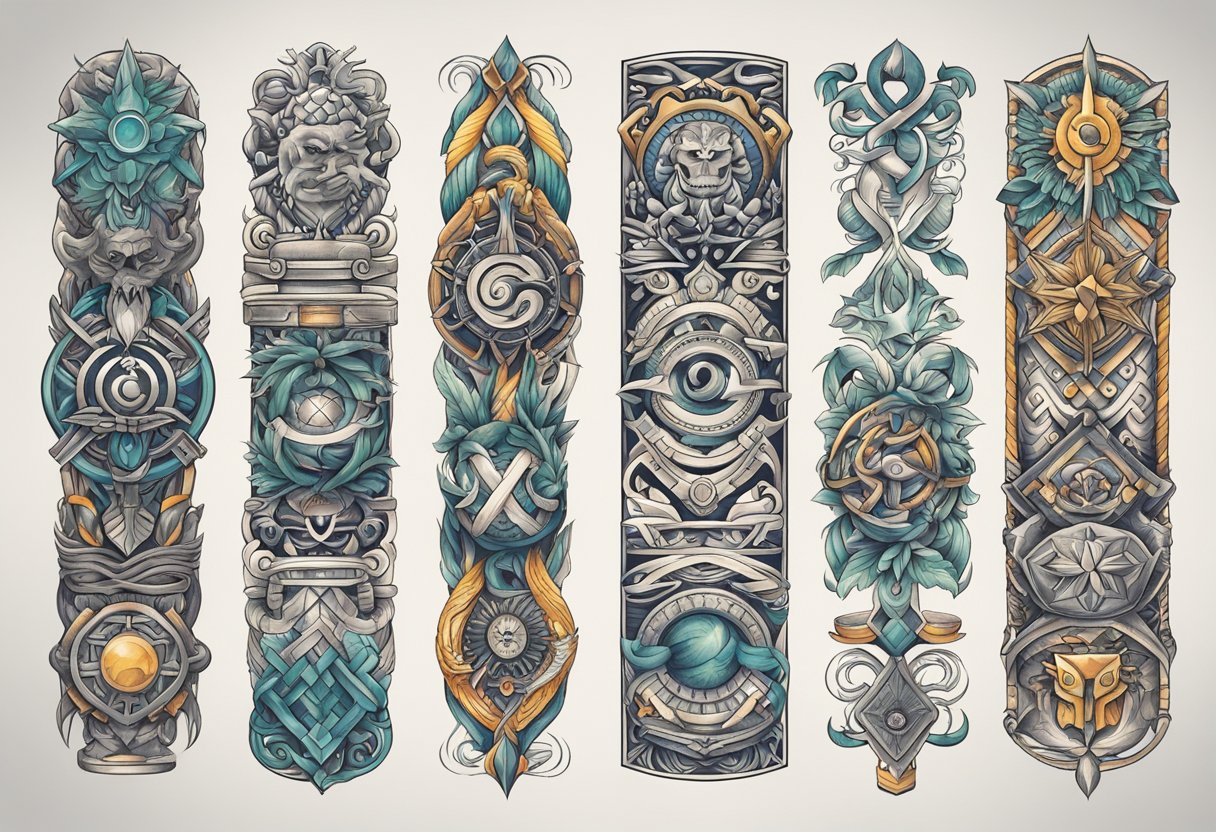
Selecting a tattoo is a permanent commitment that blends personal narrative with artistic expression. Understanding the distinct symbolism, cultural roots, and aesthetic requirements of various tattoo styles is essential for making an informed choice. This guide evaluates 70 tattoo styles and motifs, providing the necessary context to navigate the complexities of iconography, placement, and historical significance.
Decoding Tattoo Symbolism: The Intersection of Art and Identity
A tattoo serves as an external marker of internal values. Throughout history, ink has functioned as a rite of passage, a protective talisman, or a badge of affiliation. Because every design carries specific connotations—some universal and others highly localized—it is vital to research the origins of your chosen imagery.
Whether you are opting for a classic anchor representing stability or a complex geometry-based piece symbolizing the interconnectedness of the cosmos, the "meaning" of a tattoo is rarely static. It exists in the interplay between the artist’s interpretation and the wearer's intent. Before committing to a permanent design, consider how cultural appropriation, historical context, and evolving personal values might influence the longevity and relevance of the piece.
Categorizing Styles: Technical Approaches to Ink
To choose the right design, one must distinguish between the stylistic approach (how the tattoo is drawn) and the subject matter (what the tattoo depicts).
Traditional and Neo-Traditional Styles
- American Traditional: Characterized by bold black outlines, a limited color palette (red, green, gold, black), and iconic imagery like eagles, roses, and daggers. It is rooted in early 20th-century Western maritime and military culture.
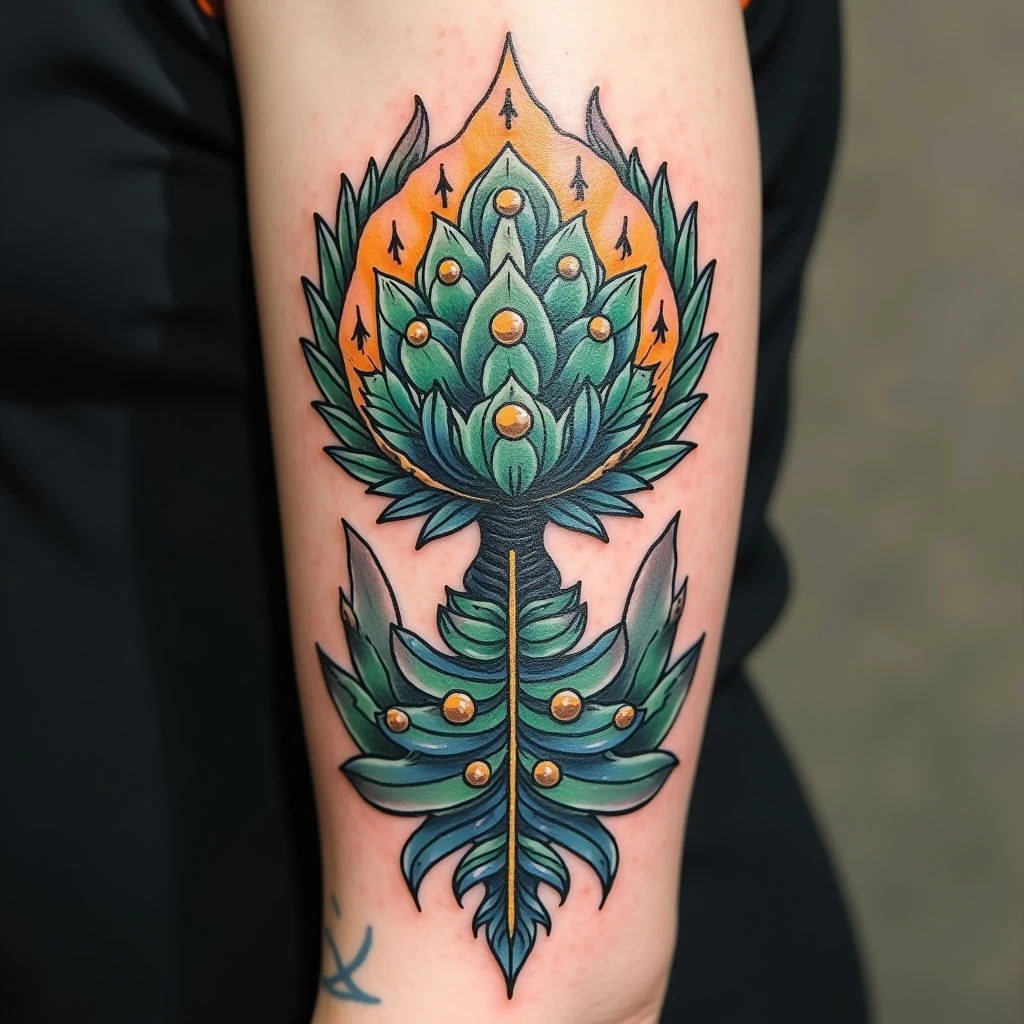
- Neo-Traditional: An evolution of the American Traditional style, introducing broader color gradients, more complex line weights, and illustrative depth, while maintaining the clear, legible structure of the original.
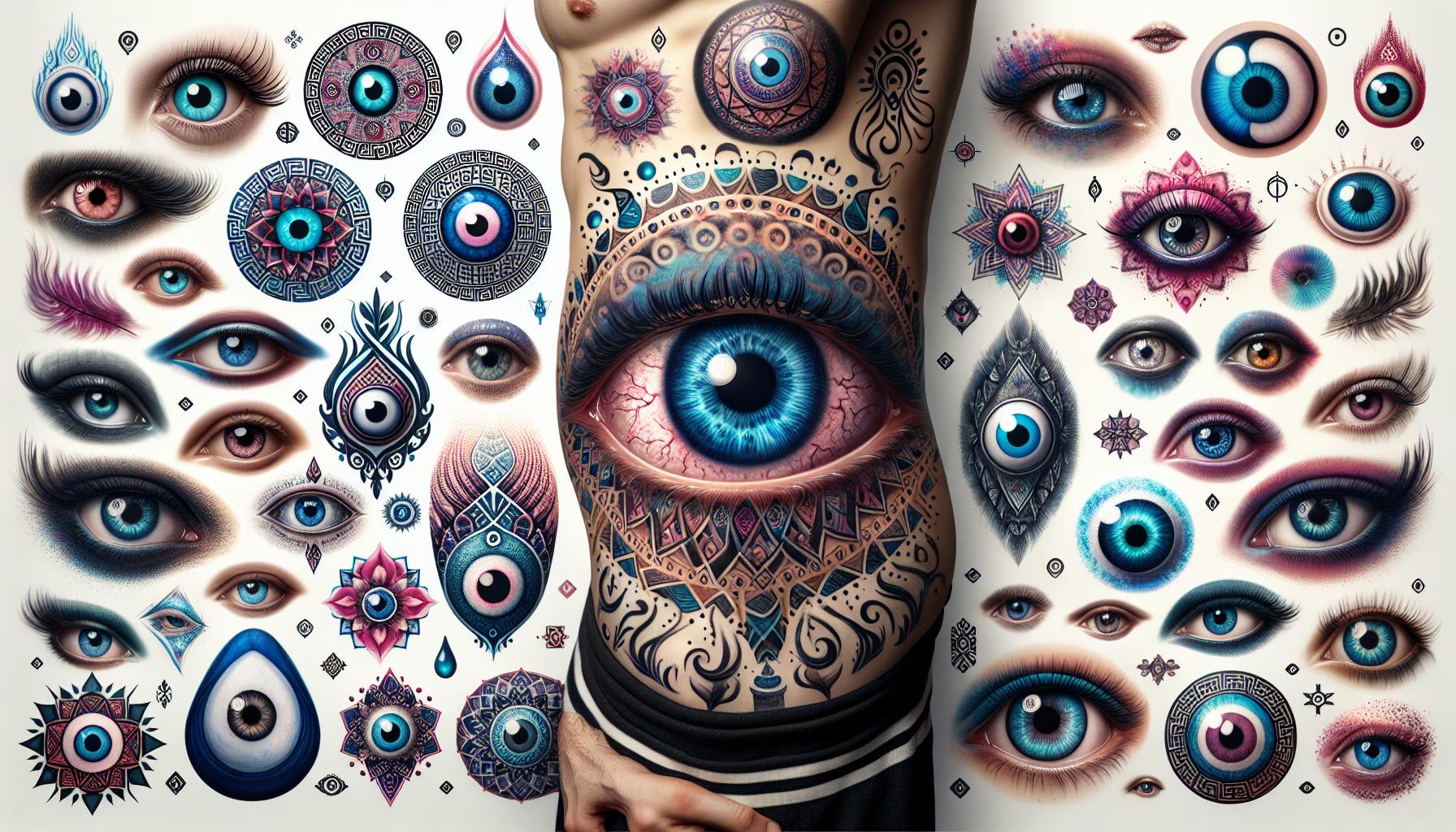
- Blackwork: A broad category focusing on heavy saturation of black ink. It ranges from intricate tribal patterns and geometric mandalas to minimalist silhouettes.
Realism and Fine Art Styles
- Portrait Realism: The attempt to recreate photographic likenesses on skin. This requires extreme technical skill, as the artist must translate complex light and shadow onto a living, breathing canvas.
- Surrealism: Designs that defy logic, combining disparate objects or environments into a single, cohesive image, often to represent dreamlike states or complex philosophical concepts.
- Watercolor: Mimicking the fluidity and transparency of paint on paper. These designs lack thick outlines, relying on color bleeding and soft transitions to create an ethereal effect.
Cultural and Historical Styles
- Irezumi (Traditional Japanese): Deeply symbolic, involving large-scale imagery such as koi fish (perseverance), dragons (wisdom), and Hannya masks (complexity of emotion). It is traditionally applied with Tebori (hand-poking).
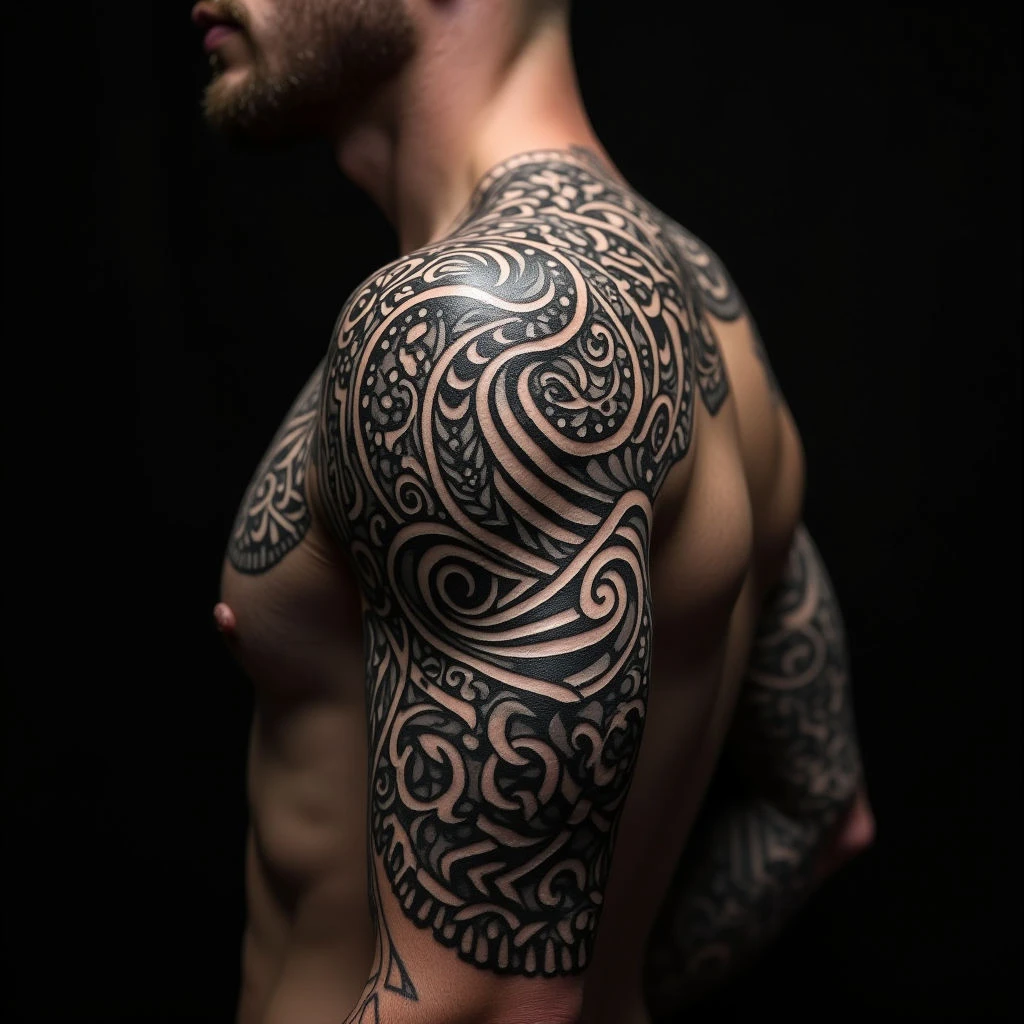
- Polynesian/Tribal: Geometric patterns that tell a story of lineage, social status, and personal history. It is highly specific to indigenous cultures and should be approached with significant cultural awareness.
- Celtic/Norse: Utilizing intricate knotwork, runes, and mythological figures (e.g., Valkyries, Yggdrasil). These designs often symbolize endurance, interconnectedness, and ancestral connection.
Comparative Overview of Tattoo Aesthetics
The following table provides a high-level comparison of common styles to help align your aesthetic goals with the technical requirements of the tattoo process.
| Style | Key Technical Feature | Primary Symbolism | Ideal Placement |
|---|---|---|---|
| American Traditional | Bold, heavy black lines | Classic Americana, strength | Bicep, Forearm |
| Irezumi | Large-scale, dense color | Mythology, discipline | Back, Torso |
| Fine Line | Extremely thin needles | Minimalism, elegance | Wrist, Collarbone |
| Realism | High-contrast shading | Commemoration, literalism | Upper Arm, Thigh |
| Geometric | Symmetrical precision | Order, cosmos, logic | Calf, Back |
Symbolic Motifs: Navigating Common Imagery
While styles provide the "how," the motif provides the "what." Many popular designs carry layers of meaning that have evolved over centuries.
Nature and Fauna
- The Butterfly: Widely recognized as a symbol of transformation and metamorphosis.
- The Wolf: Often symbolizes loyalty, guardianship, and the instinctual connection to the wild.
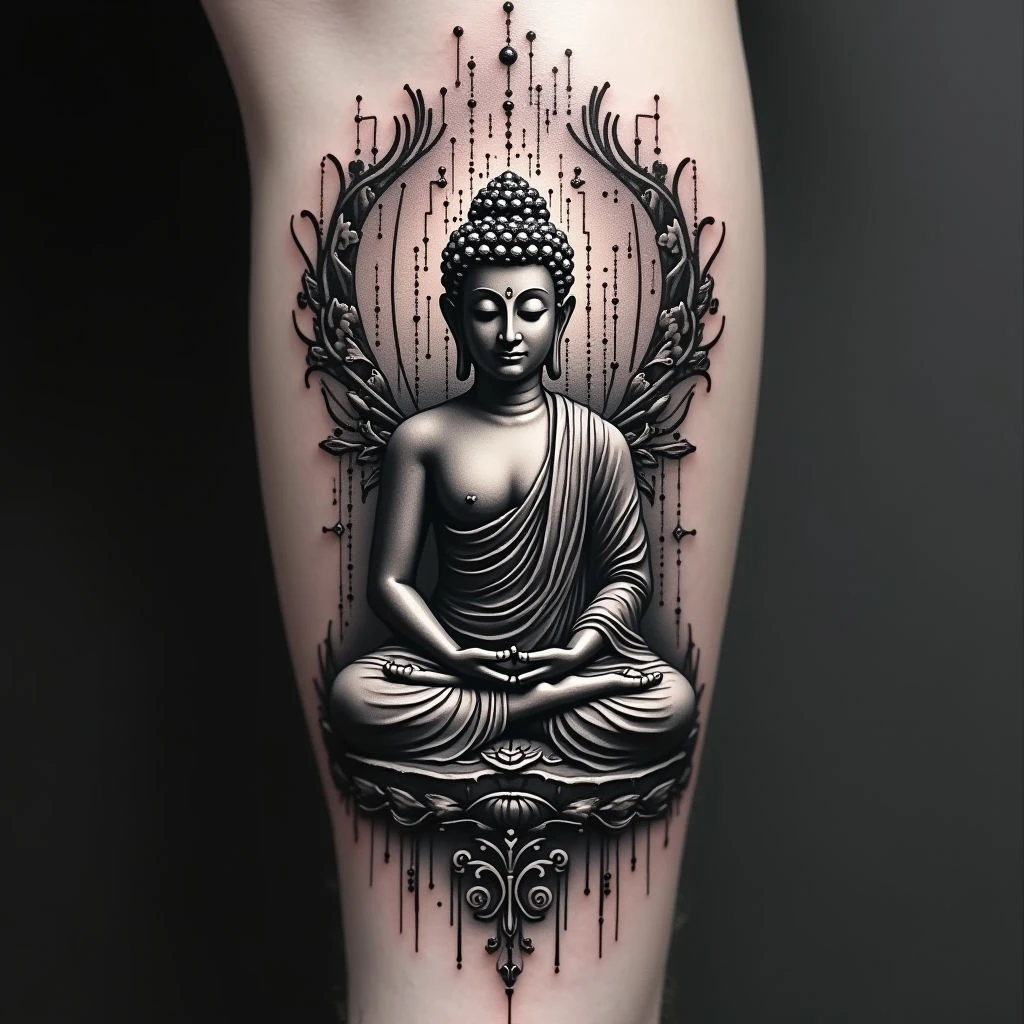
- The Lotus: In many Eastern philosophies, this represents rising above adversity or spiritual awakening, as it blooms in murky waters.
Objects and Concepts
- The Compass: Traditionally associated with sailors, today it represents a desire for direction, guidance, and the pursuit of one's purpose.
- The Hourglass: A memento mori—a reminder of the fleeting nature of time and the necessity of living in the present.
- The Key: Frequently represents the unlocking of potential, freedom, or the preservation of a secret.
Prerequisites and Practical Considerations
Before finalizing your tattoo choice, address the operational realities of the process.
- Artist Selection: Verify that your chosen artist specializes in the specific style you desire. A realism artist may not necessarily have the technical background for traditional line work.
- Skin Integrity: Ensure the area intended for the tattoo is healthy. Avoid areas with existing moles, scarring, or dermatological issues, as these can obscure the design and complicate the healing process.
- Cost and Time: High-quality, custom work is priced by the hour or the session. Do not compromise on cost, as tattooing is a form of permanent surgery. Ensure your budget covers the tattoo, required aftercare supplies, and potential touch-up sessions.
- Legal and Age Requirements: In 2026, most jurisdictions require clients to be at least 18 years of age and provide government-issued identification. Verify your local regulations regarding parental consent if under the age of majority.
Common Mistakes and How to Avoid Them
The most significant risk in tattooing is "meaning fatigue"—where a design loses its appeal over time. Avoid this by prioritizing personal significance over fleeting trends. Popular designs like script or hyper-trendy minimalist icons often lack the long-term visual weight of a well-composed, custom-designed piece.
Furthermore, ensure you understand the aging process of ink. Fine lines may spread over time, and highly intricate designs with tiny gaps may eventually blur. A reputable artist will be able to advise you on the longevity of your design, suggesting modifications to line weight or shading to ensure the tattoo looks as sharp in ten years as it does today.
Frequently Asked Questions
How do I know if a tattoo design is culturally appropriate?
Research the historical and social significance of the symbols you are considering. If the design is sacred or belongs to a specific indigenous group (such as certain Polynesian or North African motifs), it is best to consult with someone from that culture or select a design that is not tied to a closed religious or ethnic practice.
Does the placement of the tattoo change its meaning?
To some extent, yes. Tattoos placed on visible areas like the hands or neck have historically been associated with rebellion or social signaling, whereas hidden tattoos are often deeply private and sentimental. Choose placement based on your lifestyle, professional environment, and your personal relationship with the imagery.
What should I do if my artist suggests changing my design?
Listen to their professional expertise. Artists understand skin anatomy and how ink moves and fades. If an artist suggests adding bolder lines or adjusting the size, it is usually to improve the technical longevity of the piece, not to diminish your vision.
How long should I wait before deciding on a permanent design?
A common recommendation is the "six-month rule." If you still want the exact same design, in the same style, by the same artist after six months of consideration, you are likely ready to proceed. This prevents impulsive decisions driven by temporary emotional states.
Is it necessary to have a "perfect" meaning behind every tattoo?
No. While many people value symbolic resonance, a tattoo can also be purely aesthetic—an expression of your appreciation for art and color. Ensure that the design brings you satisfaction as an image, as that is the primary feature that will remain constant throughout your life.
Next Actions for Your Tattoo Journey
Once you have identified your preferred style and motif, the path to your final tattoo should be systematic. Begin by gathering reference images—not just other tattoos, but paintings, photographs, and historical references that illustrate the "vibe" you are aiming for.
Contact a studio that demonstrates the specific style you have chosen and schedule a consultation. During this meeting, present your references and be open to the artist's suggestions regarding scale, anatomical flow, and color theory. By treating the tattoo as a collaborative project rather than a static purchase, you ensure a result that is both technically sound and deeply personal.