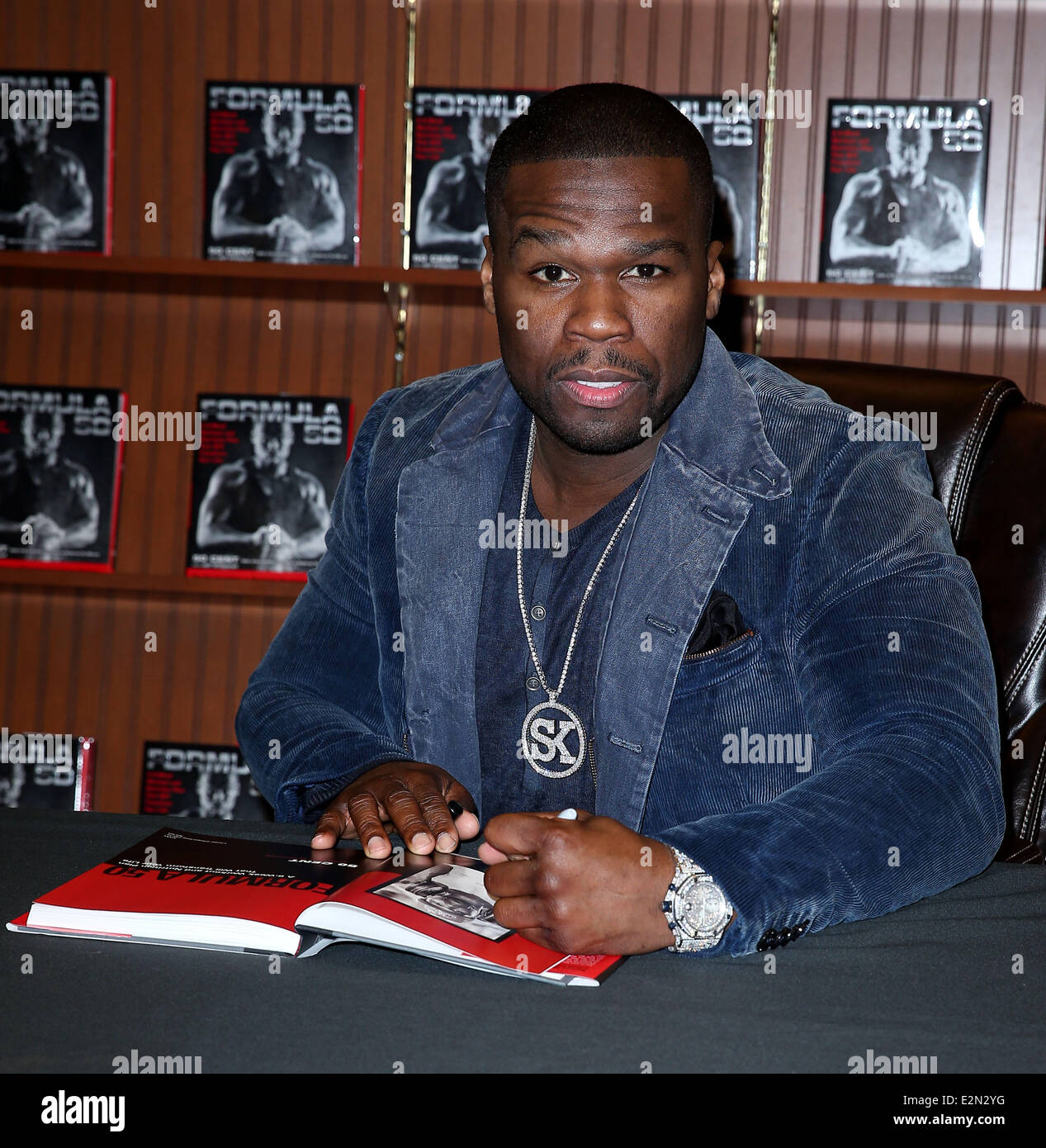
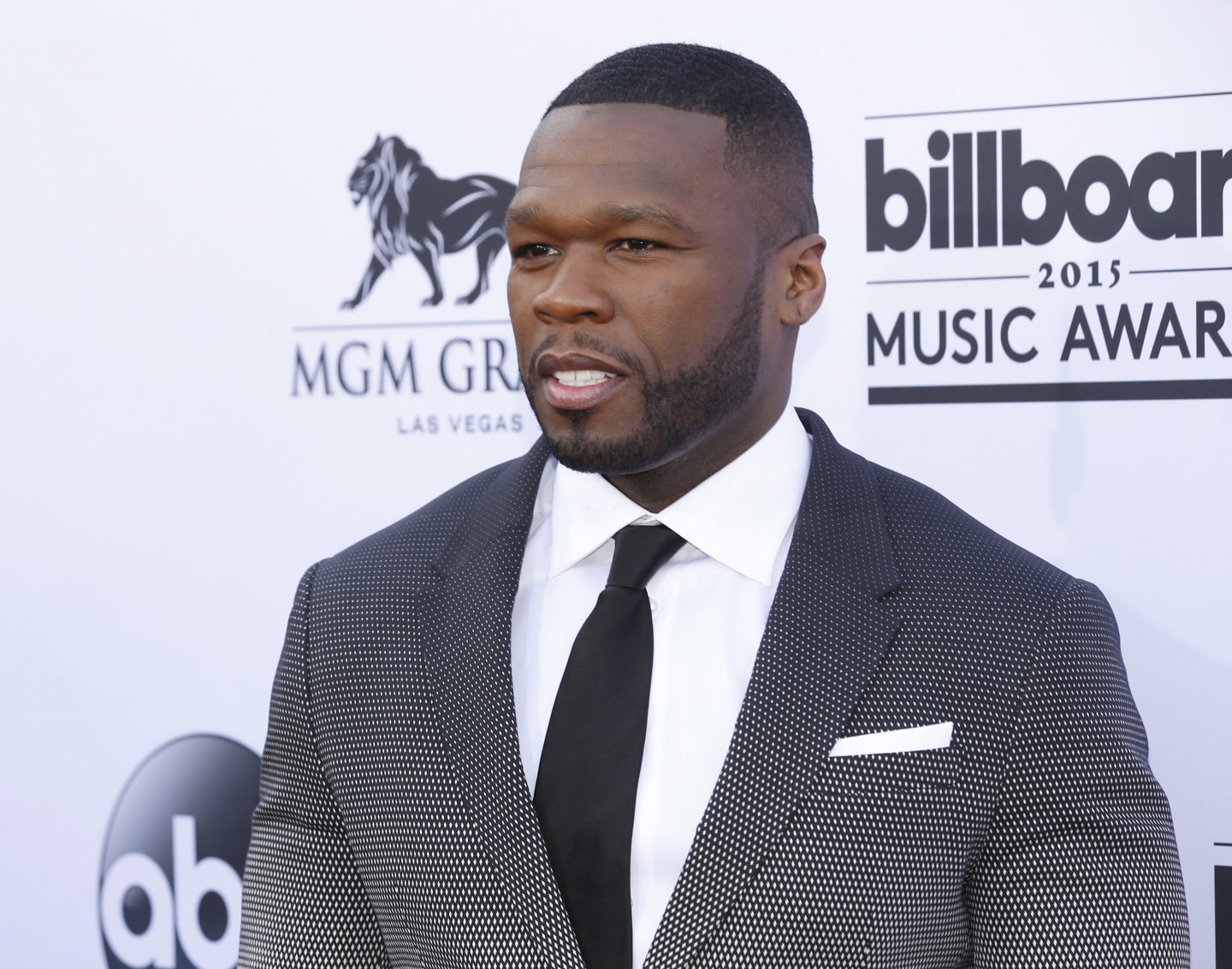
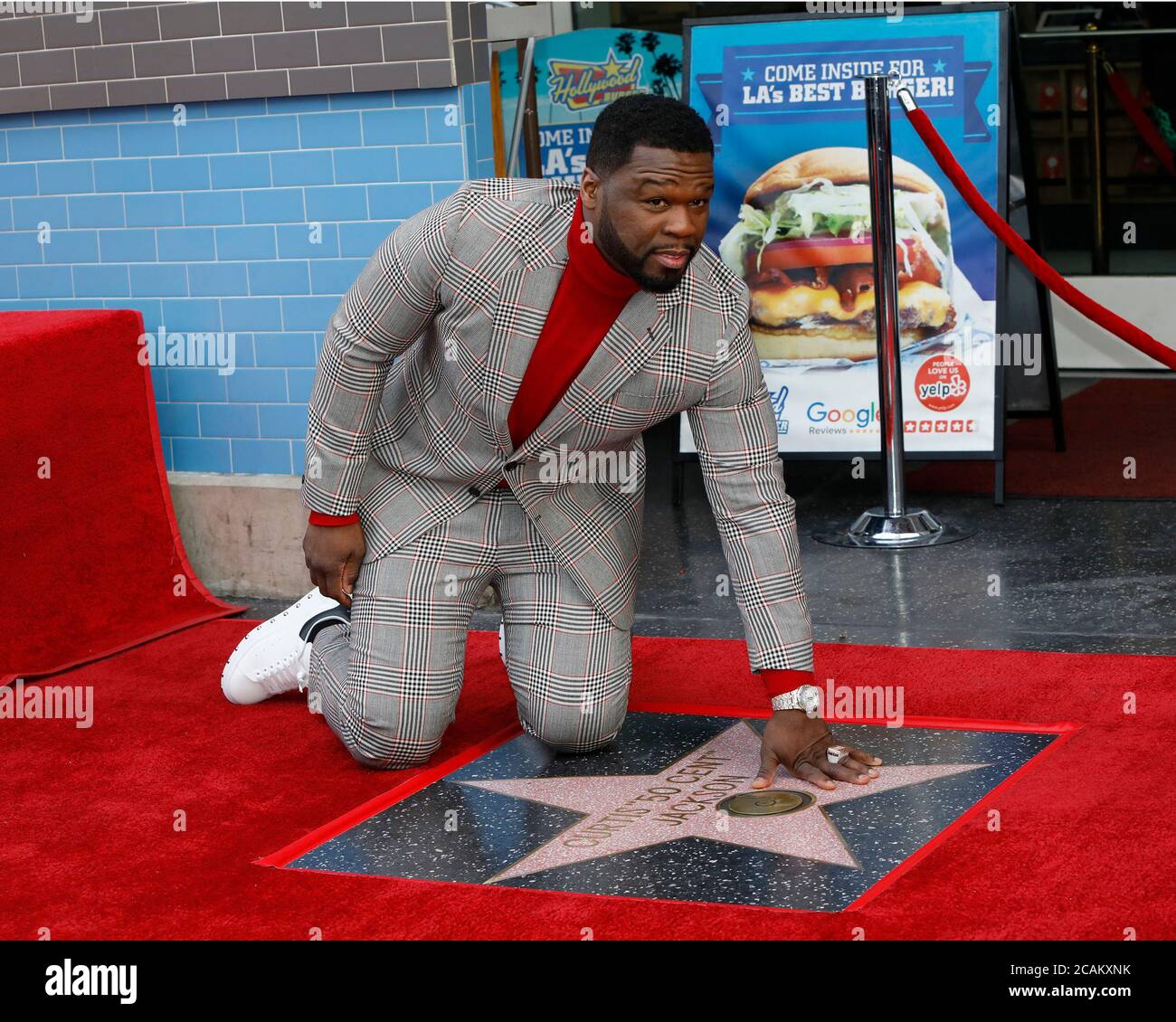
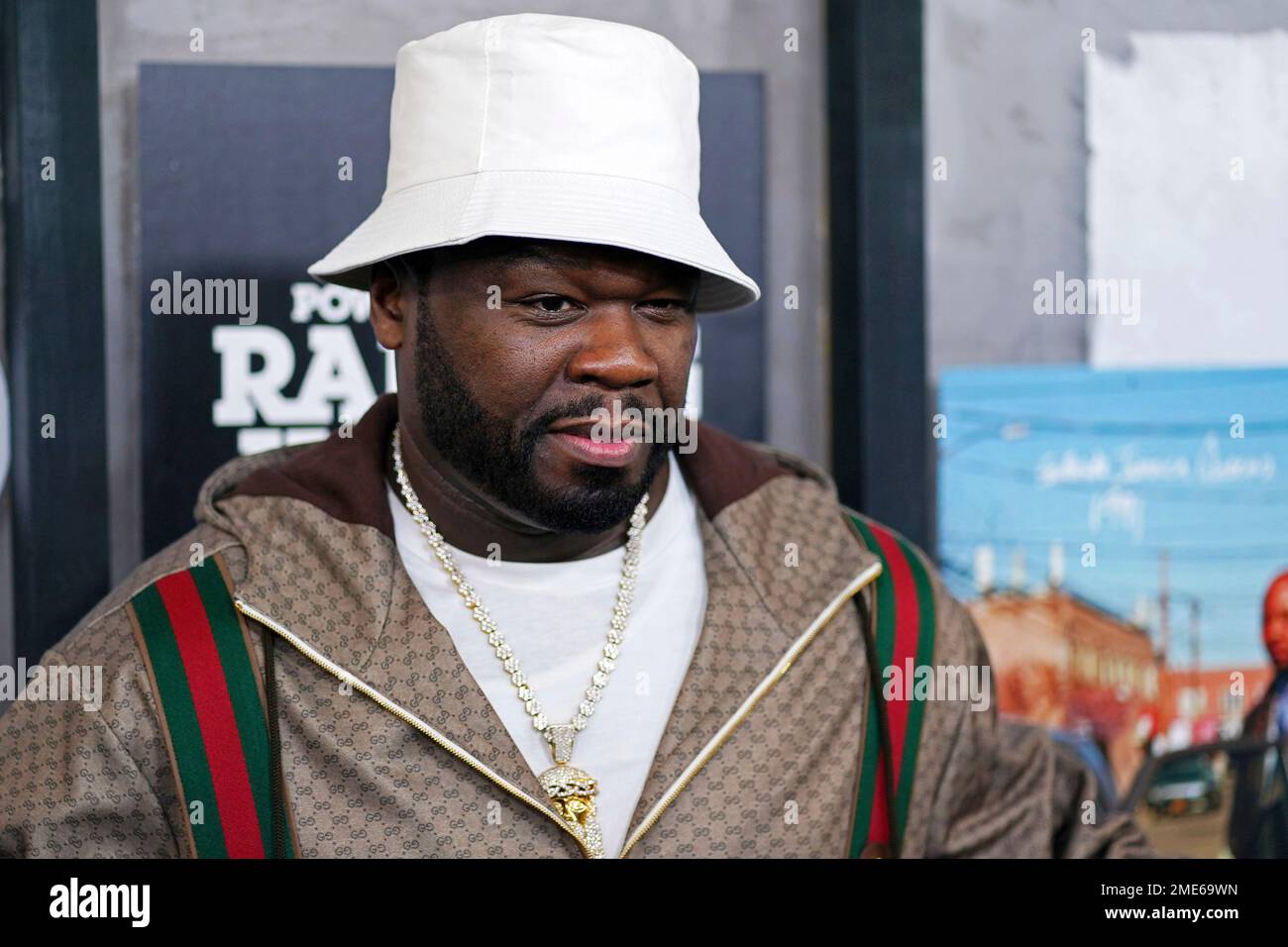
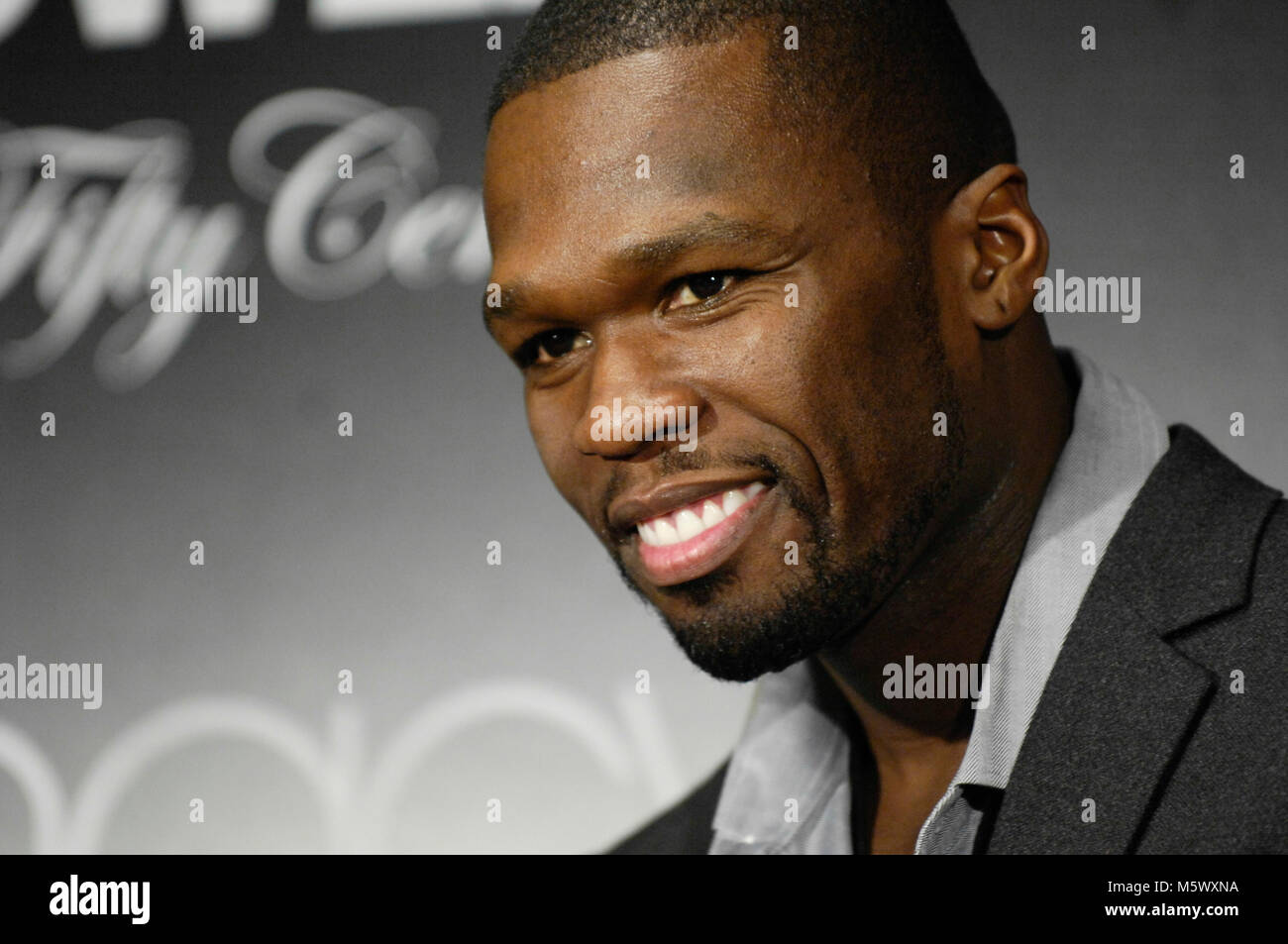
Curtis "50 Cent" Jackson is a preeminent American rapper, entrepreneur, and television producer whose journey from the crack-plagued streets of South Jamaica, Queens, to global superstardom remains one of the most resilient narratives in modern entertainment. His rise is defined by a unique transition from the music industry to a multi-billion dollar business empire.
The Early Years: Foundation of Resilience
Born on July 6, 1975, Curtis James Jackson III was raised in an environment that necessitated early maturity. His mother, Sabrina Jackson, was a drug dealer who provided for her son under the constant shadow of the New York City crack epidemic of the 1980s. After her death when Curtis was only eight years old, he was raised by his grandparents. By the age of 12, Jackson began dealing drugs himself, adopting the moniker "50 Cent" from a local Brooklyn robber named Kelvin Martin.
The name was not just a tribute; it was a mission statement. To Jackson, the name represented "change." He utilized the streets as a laboratory for business principles, learning early lessons in supply, demand, and risk management—skills he would later translate into the corporate boardroom. His transition into music began in the mid-1990s when he was discovered by Jam Master Jay of Run-D.M.C., who taught him how to structure songs, count bars, and create hooks.
The Turning Point: Nine Shots and the Rebirth
The year 2000 served as the most significant pivot point in Jackson’s life. Signed to Columbia Records at the time, he was prepared to release his debut album, Power of the Dollar. However, on May 24, 2000, outside his grandmother's house in Queens, Jackson was shot nine times at close range. The attack, which left him with a fragmented jaw and several permanent scars, resulted in Columbia Records dropping him from the label and the music industry effectively blacklisting him.
Rather than succumbing to the setback, Jackson utilized his recovery period to reinvent his sound. The injury to his jaw resulted in a unique, slightly slurred cadence that became his signature. Shut out of the traditional label system, he took his music to the underground, releasing a series of high-quality mixtapes with his group, G-Unit. These mixtapes, characterized by aggressive lyrics and high production value, bypassed the gatekeepers and went directly to the fans, eventually catching the attention of Eminem and Dr. Dre.
Global Domination: The Shady/Aftermath Era
In 2002, Jackson signed a $1 million joint-venture deal with Eminem's Shady Records and Dr. Dre’s Aftermath Entertainment. This partnership led to the release of Get Rich or Die Tryin' in February 2003. The album was a cultural phenomenon, selling over 800,000 copies in its first four days and eventually being certified 9x Platinum.
The success of Get Rich or Die Tryin' was not merely about sales; it was about the revitalization of "gangsta rap." Songs like "In Da Club" and "21 Questions" demonstrated Jackson's ability to balance raw street narratives with commercial sensibility. He followed this with the 2005 release of The Massacre, which further solidified his position as the most dominant force in hip-hop during the mid-2000s.
The Architect of the Modern Business Pivot
While his music career was at its peak, Jackson was already laying the groundwork for a transition that would redefine the "celebrity entrepreneur." He realized that music was a platform for brand building rather than a primary long-term revenue source.
The Vitaminwater Exit
Perhaps the most legendary move in Jackson’s business career was his partnership with Glacéau, the makers of Vitaminwater. Rather than accepting a standard endorsement fee, Jackson negotiated for a minority stake in the company. He worked closely with the brand to develop "Formula 50," a grape-flavored beverage. When Coca-Cola acquired Glacéau in 2007 for $4.1 billion, Jackson’s take-home pay was estimated to be between $60 million and $100 million after taxes. This deal remains a case study in business schools regarding the value of equity over cash.
Television and the Power Universe
As the music industry shifted toward streaming, Jackson pivoted toward television production. In 2014, he premiered Power on the Starz network. As an executive producer and actor, he grew the show into a massive franchise. By 2026, the "Power Universe" has expanded into multiple spin-offs, including Power Book II: Ghost, Power Book III: Raising Kanan, and Power Book IV: Force. His G-Unit Film & Television company has since expanded into true crime docuseries and major motion pictures, making him one of the most prolific producers in premium cable history.
Strategic Financial Management and Chapter 11
In 2015, Jackson made headlines for filing for Chapter 11 bankruptcy protection. To the casual observer, it appeared he had lost his fortune. However, financial analysts noted that the move was a strategic legal maneuver to restructure his debt and shield his assets following several high-profile lawsuits. By early 2017, Jackson had successfully paid back over $22 million in debt and emerged from bankruptcy with his core assets—including his television rights and music catalog—intact. This period reinforced his reputation as a "master of the pivot," capable of navigating legal and financial systems to protect his long-term interests.
Legacy and Current Status in 2026
As of 2026, 50 Cent’s influence extends far beyond the microphone. He has successfully transitioned from a controversial figure in rap to a respected elder statesman of business. His latest ventures include the opening of G-Unit Studios in Shreveport, Louisiana, a massive production hub designed to bring jobs and infrastructure to the region while expanding his media empire.
He remains a social media powerhouse, using platforms to market his champagne brand, Le Chemin du Roi, and his cognac, Branson. Jackson’s ability to remain relevant across four decades is attributed to his understanding of the "50th Law"—the philosophy of fearlessness. By embracing change and viewing every setback as a setup for a comeback, he has maintained a level of longevity rarely seen in the entertainment industry.
Key Milestones and Career Highlights
| Year | Event | Impact |
|---|---|---|
| 1996 | Discovered by Jam Master Jay | Learned the fundamentals of songwriting. |
| 2000 | Survives 9 shots in Queens | Created the "unstoppable" persona and signature sound. |
| 2003 | Get Rich or Die Tryin' Release | Redefined hip-hop commercial success; 12M+ copies sold. |
| 2007 | Vitaminwater Sale | Earned ~$100M, setting a new standard for hip-hop business. |
| 2014 | Power Series Premiere | Established Jackson as a major Hollywood producer. |
| 2015 | Chapter 11 Filing | Strategic debt restructuring that preserved his net worth. |
| 2024 | G-Unit Studios Launch | Moved media operations to a dedicated multi-million dollar hub. |
| 2026 | Legacy Status | Focus on television dominance and liquor distribution. |
Frequently Asked Questions
How many times was 50 Cent shot?
50 Cent was shot nine times at close range on May 24, 2000. The bullets hit his hand, arm, hip, both legs, chest, and left cheek. The shot to his cheek left a fragment in his tongue, which permanently altered his speaking and rapping voice, contributing to the unique cadence that helped make him famous.
How much did 50 Cent make from the Vitaminwater deal?
While the exact figure has never been publicly disclosed by Jackson himself, financial reports from the time of the Coca-Cola acquisition estimate his earnings to be between $60 million and $100 million. This was based on a 10% stake he reportedly held in the company at the time of the sale.
Is 50 Cent still involved in music?
While he transitioned his focus to television and business, Jackson remains active in music through occasional singles, collaborations, and global tours. In 2023 and 2024, he completed one of the highest-grossing hip-hop tours in history, "The Final Lap Tour," celebrating the 20th anniversary of his debut album. By 2026, he largely serves as a mentor to new artists through G-Unit Records.
Why did 50 Cent file for bankruptcy if he was wealthy?
Jackson filed for Chapter 11 bankruptcy in 2015 as a strategic financial move. This specific type of bankruptcy allows for debt reorganization. It followed a $7 million judgment in a civil case and other legal battles. The process allowed him to reorganize his finances, pay off creditors under a court-ordered plan, and protect his primary business entities from liquidation.
What is 50 Cent's most successful TV show?
Power is undoubtedly his most successful television venture. It ran for six seasons on Starz and became the most-watched show on the network. Its success birthed an entire universe of shows that continue to dominate the ratings in the urban drama category as of 2026.
Conclusion and Next Actions
The biography of Curtis "50 Cent" Jackson is a blueprint for converting adversity into equity. From his survival on the streets of Queens to his survival of the corporate boardroom, his "unstoppable rise" is a testament to the power of strategic thinking and relentless work ethic. For those looking to study his methods, his book The 50th Law (co-authored with Robert Greene) provides a deep dive into the psychological principles he used to navigate his career.
For fans and business enthusiasts alike, the next step in following Jackson’s journey is to monitor the expansion of G-Unit Studios. As he moves more of his production to Louisiana, he is expected to shift the landscape of television production away from traditional hubs like Los Angeles and New York, further proving that he is not just a participant in the industry, but a builder of it.