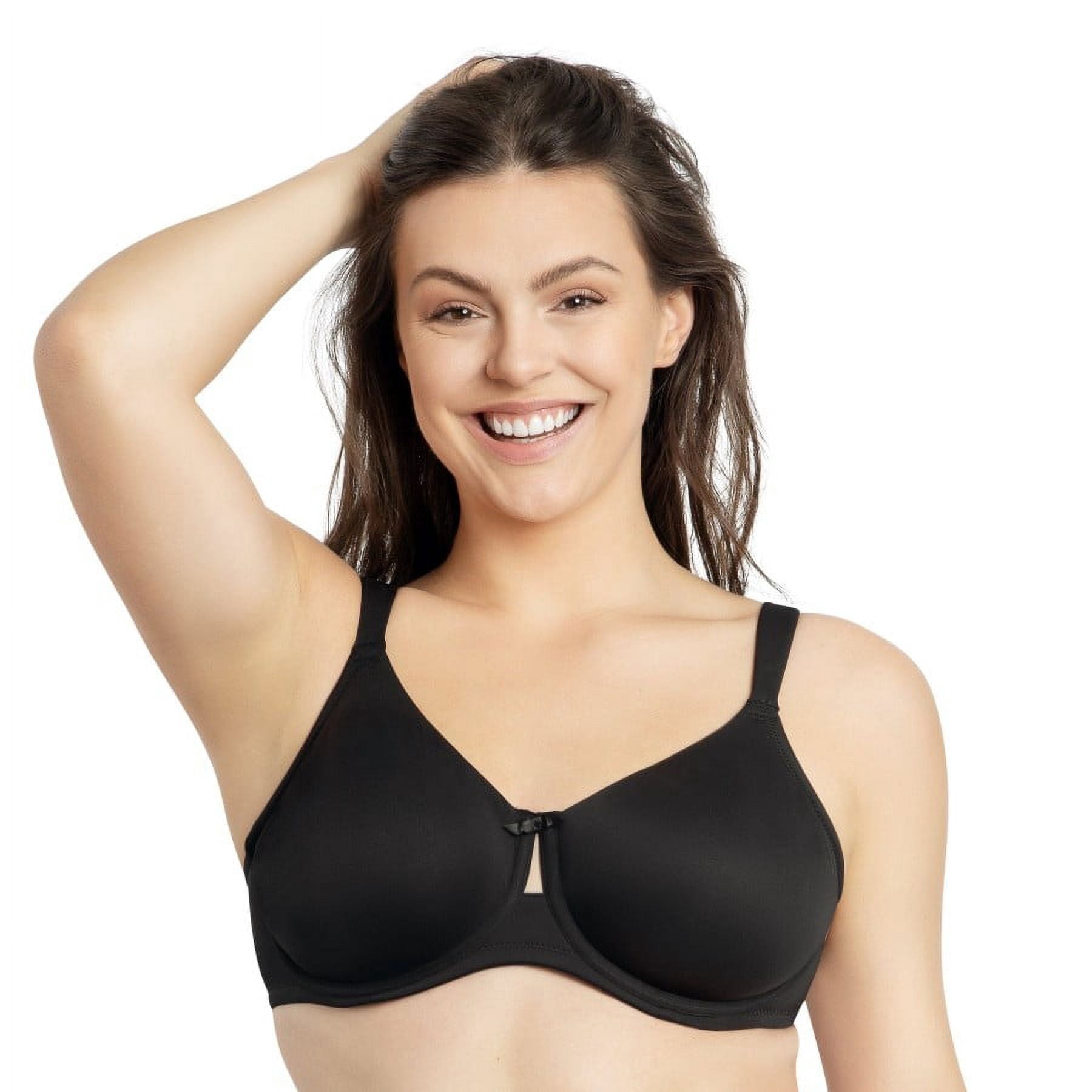
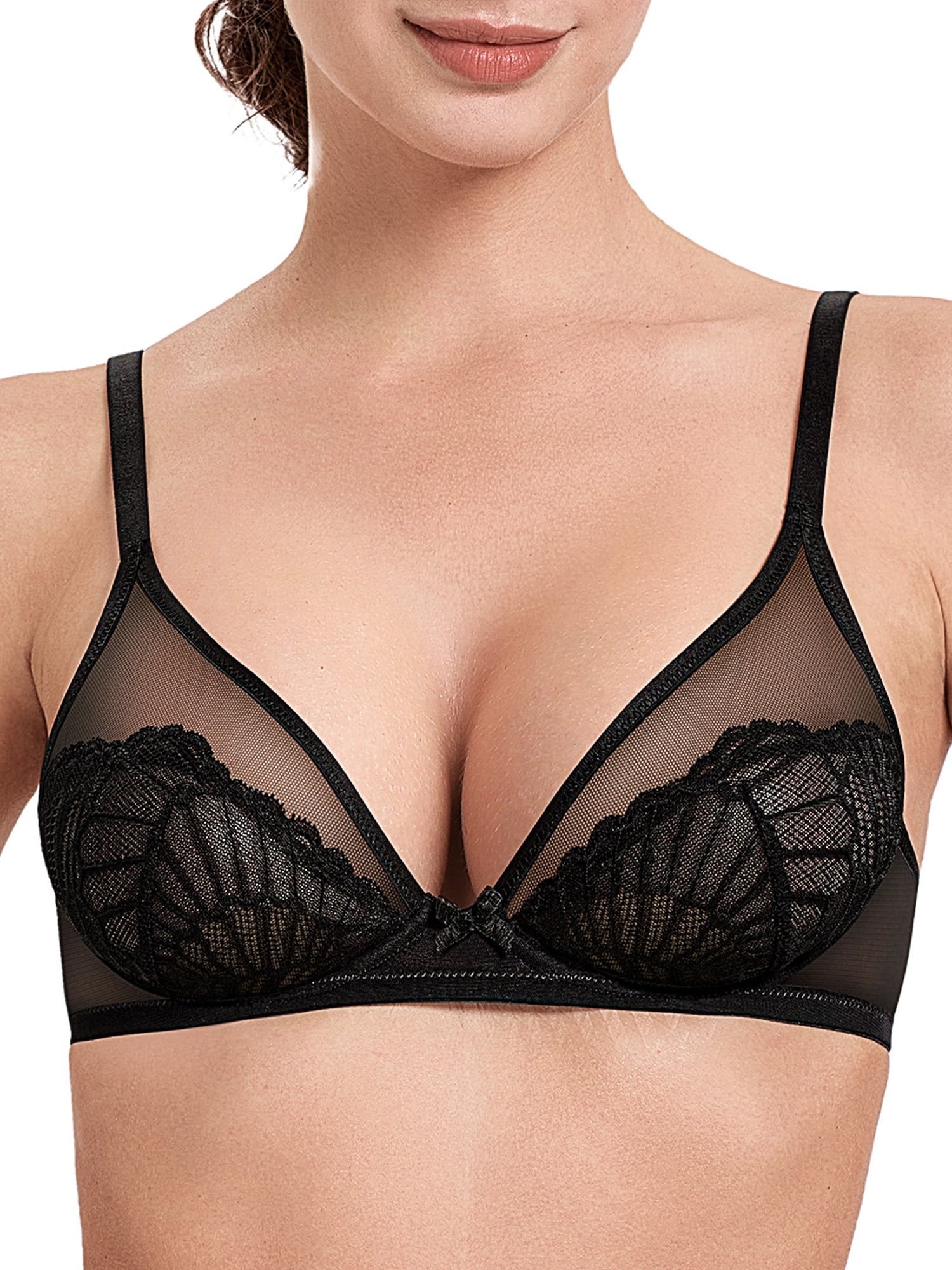
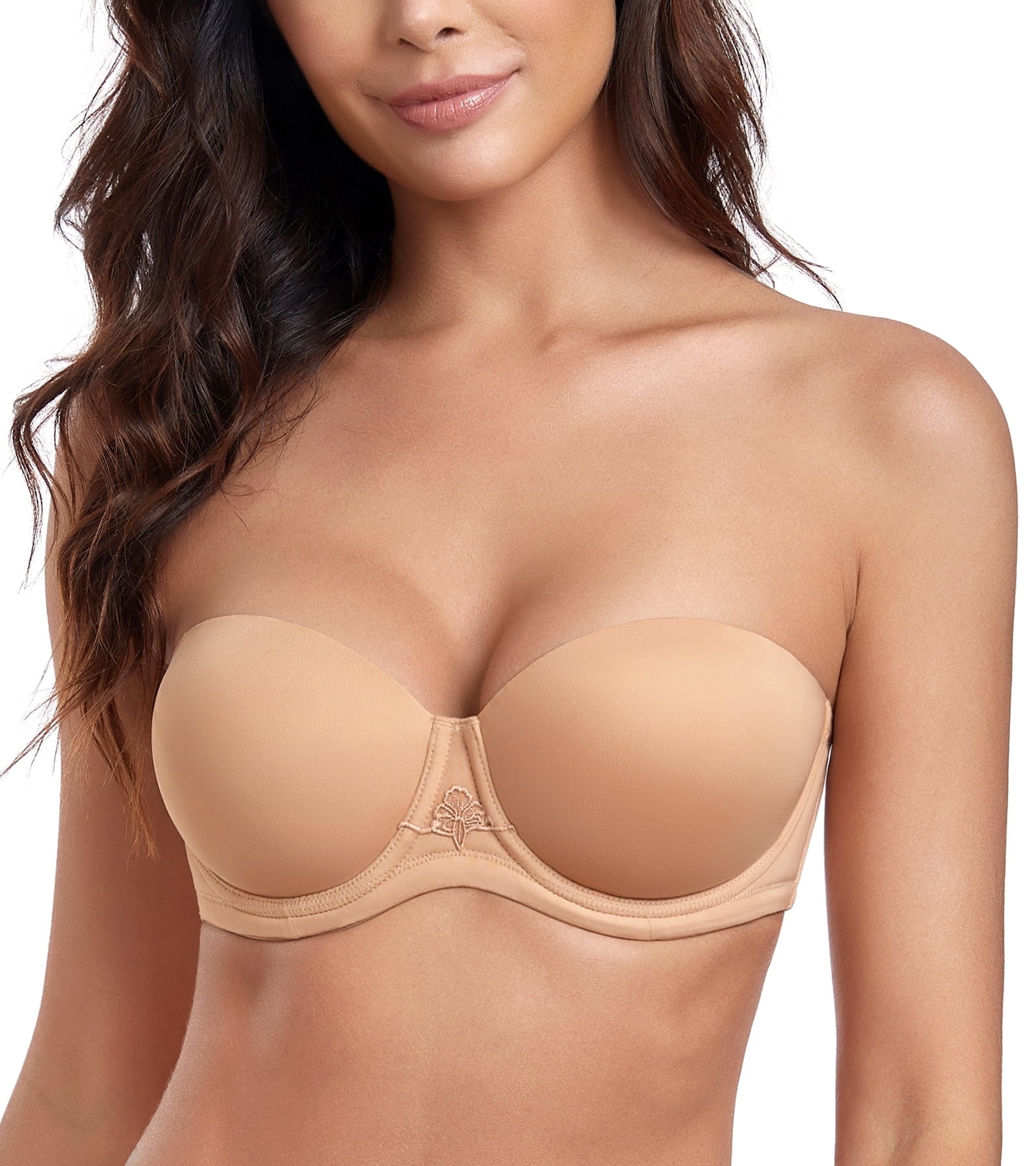
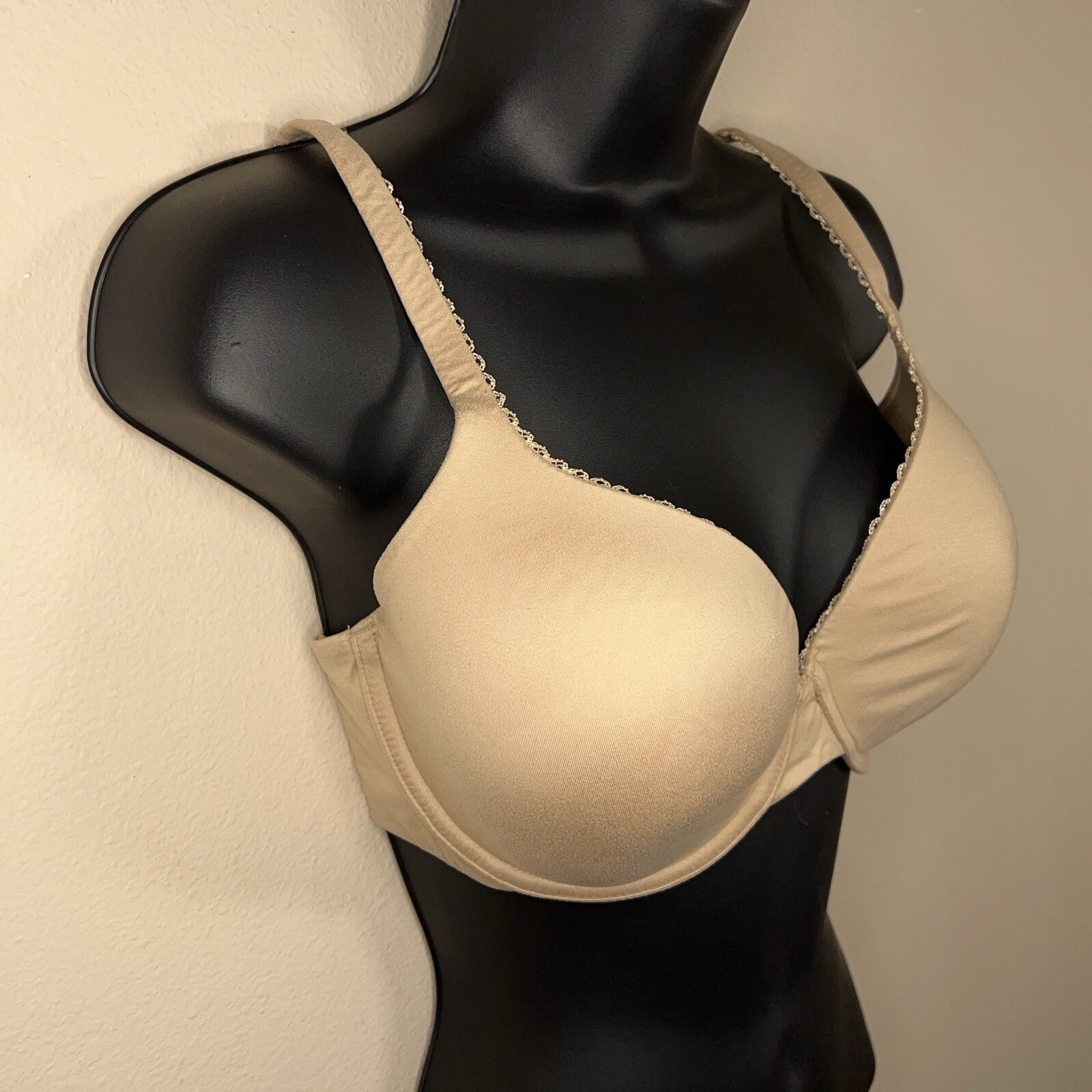
A 32DDD bra is designed for an individual with a ribcage measurement of approximately 32 inches and a bust measurement roughly 6 inches larger, totaling 38 inches. In the United States sizing convention, "DDD" is the sixth cup size, often considered equivalent to a UK "E" cup, offering significant volume on a relatively narrow frame.
Finding the right bra in a 32DDD size can be a transformative experience. For many individuals, this specific size represents a "bridge" between standard department store offerings and specialized full-bust ranges. Because a 32DDD combines a smaller-than-average band with a larger-than-average cup volume, the physics of the garment must be precision-engineered to provide support without causing shoulder strain or tissue overflow. As of 2026, the lingerie industry has significantly expanded its offerings for this size, moving beyond basic utility to include high-fashion aesthetics, advanced technical fabrics, and diverse silhouettes.
The Anatomy of a 32DDD Bra
To understand a 32DDD, one must first understand the relationship between the band and the cup. The "32" refers to the band size, which is meant to fit a ribcage that measures between 31 and 32 inches. The "DDD" indicates the cup volume. In the US sizing system, the progression usually goes A, B, C, D, DD, and then DDD.
The Physics of Support
In a 32DDD bra, the majority of the support—approximately 80%—should come from the band, not the straps. Because the cup volume (DDD) carries more weight than smaller sizes, a firm, snug 32 band is essential to anchor the bra against the torso. If the band is too loose, the weight of the breast tissue will pull the back of the bra upward, causing the straps to dig into the shoulders and the underwire to slide down the ribcage.
Underwire and Gore
The underwire in a 32DDD must be wide enough to encompass all breast tissue without poking the sensitive tissue near the armpit. The "gore"—the center piece of the bra that connects the cups—should ideally sit flat against the sternum (the breastbone). This is known as "tacking." For those with a 32DDD size, a flat-tacking gore is the primary indicator that the cup volume is sufficient and the band is tight enough to hold the wires in place.
Sizing Variations and International Equivalents
One of the most confusing aspects of shopping for a 32DDD is the variation between different countries and brands. While the US uses the "DDD" label, other regions use different lettering systems for the same physical volume.
| Sizing System | Equivalent Label for 32DDD |
|---|---|
| United States (US) | 32DDD (sometimes 32F) |
| United Kingdom (UK) | 32E |
| European (EU) | 70F |
| French (FR) | 85F |
| Australian (AU) | 10E |
As of 2026, many high-end retailers use UK sizing because UK brands like Panache, Freya, and Fantasie have historically dominated the full-bust market. If you are shopping for a 32DDD in a brand that uses UK sizing, you must look for a 32E. Buying a 32DDD in a UK brand (if they even offer it) might result in a different fit because their progression often goes D, DD, E, F, FF.
The Concept of Sister Sizing
Sister sizing is a method used to find a comparable cup volume when the band size changes. The rule is: if you go up in the band, you must go down in the cup (and vice versa) to maintain the same volume. For a 32DDD, the sister sizes are:
- 30G (US) / 30F (UK): One band size smaller, one cup size larger.
- 34DD (US) / 34DD (UK): One band size larger, one cup size smaller.
While the volume is the same, the proportions are not. A 34DD will have a wider band and wires, which may not provide enough tension for someone who truly needs a 32 band. Conversely, a 30G will be very tight and is only recommended if the 32 band feels loose even on the tightest hook.
Essential Styles for 32DDD
The 32DDD size requires specific construction features to ensure comfort throughout the day. Not all bra styles are created equal for this dimension.
Full Coverage Bras
Full coverage bras are the "workhorses" for the 32DDD wardrobe. They feature taller cups that contain the breast tissue entirely, preventing the "quadra-boob" effect (where tissue spills over the top of the cup). In 2026, these are often crafted with 3D-spacer foam, which is breathable and provides a rounded shape without adding unnecessary bulk.
Balconette and Demi Bras
For those who prefer a lower neckline, balconette bras are an excellent choice. These bras have straps that are set wider apart and cups that are cut straight across. For a 32DDD, a balconette provides significant lift from the bottom, creating a "shelf" effect. It is important to look for balconettes with "side slings"—extra panels of fabric on the side of the cup—that push the tissue toward the center.
Plunge Bras
Plunge bras feature a very low center gore, making them ideal for V-neck tops. For a 32DDD, the challenge with plunges is often "center-spillage." To counter this, high-quality 2026 plunge designs utilize reinforced mesh overlays or "J-hooks" on the straps to pull the cups closer to the body and maintain security.
Sports Bras: High Impact Needs
In the 32DDD size, the weight of the bust during exercise can lead to Cooper's ligament strain if not properly supported. "Encapsulation" sports bras—which hold each breast in its own individual cup—are generally superior to "compression" sports bras for this size. Look for wide, padded straps and a minimum of three hooks on the back closure.
How to Verify Your 32DDD Fit
Even if you have been professionally fitted, brands vary in their manufacturing tolerances. Use these five checkpoints to verify if a 32DDD is the correct fit for you:
- The Band Test: You should be able to fit no more than two fingers between the band and your back. The band should be level all the way around, not arching upward.
- The Gore Test: As mentioned previously, the center gore must touch your skin. If it "floats" or sits on top of breast tissue, the cups are likely too small.
- The Wire Test: The underwire should follow the natural crease of the breast (the inframammary fold). If the wire is sitting on the breast tissue at the sides, you need a larger cup or a different wire width.
- The Scoop and Swoop: This is a vital technique. After putting on the bra, lean forward and use your hand to pull all tissue from the side and underarm into the cup. If you spill out after doing this, a 32DDD is too small.
- The Strap Tension: Straps should be adjusted so they are firm but not digging. They should only provide about 10-20% of the total support.
Common Myths About 32DDD Bras
There are several misconceptions regarding this size that often lead to poor purchasing decisions.
Myth 1: "DDD" Means "Huge"
In reality, a DDD cup is only six inches larger than the ribcage. On a 32-inch frame, this often looks like a "medium-large" bust. Many people who wear a 36C or 34D are actually better suited for a 32DDD, as they are often wearing a band that is too large and a cup that is too small to compensate.
Myth 2: You Can't Wear Strapless Bras
Many 32DDDs avoid strapless styles, fearing they will slide down. However, a well-engineered 32DDD strapless bra relies on a very firm band with silicone "gripper" strips and wide side boning. Because the 32 band is small, it can provide the necessary tension to stay in place without strap assistance.
Myth 3: Molded Cups Are Better for Support
While molded "T-shirt" bras provide a smooth look, they are often the hardest to fit. Seamed cups (made of multiple pieces of fabric sewn together) are almost always more supportive for 32DDDs because the seams act like "girders" to provide structure and shape that molded foam cannot replicate.
Caring for Your 32DDD Bras
Since high-quality bras in this size can be a significant investment, proper maintenance is essential for longevity.
- Rotation: Never wear the same bra two days in a row. The elastic in the band needs 24 hours to "recover" and snap back to its original shape.
- Washing: Hand washing in cool water with a dedicated lingerie wash is the gold standard. If you must use a machine, use a mesh laundry bag and the delicate cycle.
- Drying: Never put a bra in the dryer. Heat destroys the spandex and elastic fibers. Lay the bra flat to dry, or hang it by the gore (not by the straps, which can stretch out).
Comparative Overview: 32DDD vs. Neighboring Sizes
| Feature | 32DDD (US) | 34DD (US) | 32DD (US) |
|---|---|---|---|
| Ribcage Fit | Snug (31-32") | Moderate (33-34") | Snug (31-32") |
| Cup Volume | ~710cc | ~710cc | ~590cc |
| Best For | Narrow frame, full bust | Average frame, full bust | Narrow frame, average bust |
| Common Issue | Hard to find in retail | Band slides up | Spillage/Quad-boob |
Frequently Asked Questions
Is 32DDD the same as 32F?
In many US brands, DDD and F are used interchangeably. However, in UK sizing, an F cup is one size larger than an E (DDD). Always check the brand's specific size chart to see if they follow the US (D-DD-DDD/F) or UK (D-DD-E-F) progression to ensure you are getting the correct volume.
Why is the 32DDD size so hard to find in stores?
Many traditional department stores stock a limited "matrix" of sizes, typically 32-38 A-DD. Because DDD requires more complex engineering and more material for the cups, it is often relegated to specialty boutiques or online retailers. Fortunately, as of 2026, many major brands have expanded their online catalogs to include 32DDD as a standard offering.
My straps always fall down; is my 32DDD the wrong size?
Falling straps are usually a sign that the band is too large, not that the straps are too loose. If the band (the 32 part) is not snug enough to stay parallel to the floor, it will ride up your back. When the back of the bra goes up, the straps lose tension and slide off your shoulders. You might actually need a 30G.
Can I wear a 32DDD if my measurement is 33 inches?
If your ribcage is 33 inches, you are between a 32 and a 34 band. Most people in this situation prefer a 32 band with a "bra extender" for the first few weeks until the elastic relaxes. A 34 band may feel comfortable initially but will likely become too loose too quickly, losing its ability to support the DDD cups.
Is there a difference between 32DDD and 32E?
In the context of US-manufactured bras, 32E is almost always just another name for 32DDD. However, in UK brands (like Panache or Freya), 32E is the standard name for that volume. If a brand offers both DDD and E, look at their specific chart; it is rare, but some brands use "E" to represent a 5-inch difference and "DDD" for a 6-inch difference.
Final Recommendation
When shopping for a 32DDD bra, prioritize the band fit and the gore tacking. Because this size carries significant volume on a compact frame, technical construction—such as three-part seamed cups and power-mesh bands—will provide a much better experience than "off-the-rack" molded styles. Start by trying a 32DDD in a reputable UK brand (labeled as a 32E) to experience the structural integrity that specialized full-bust engineering offers. If the center gore does not touch your chest, immediately move up to a 32G (US) or 32F (UK).