The year 2020 transformed the nature of endorsements from mere symbolic gestures into high-stakes instruments of social and political mobilization. The biggest shifts included the unprecedented entry of non-partisan scientific institutions into the political arena, the institutionalization of athlete activism within professional sports leagues, and a move toward digital-first celebrity endorsements that prioritized voter registration over simple brand alignment.
Looking back from 2026, the endorsement landscape of 2020 remains a watershed moment. It was the year when the boundary between "the professional" and "the political" essentially evaporated. Driven by a global pandemic, a contentious U.S. Presidential election, and a massive movement for racial justice, entities that had spent decades—and in some cases, centuries—remaining neutral felt compelled to take a stand. This analysis explores the core trends that redefined what it means to give and receive an endorsement in a hyper-polarized era.
The Scientific Break: When Neutrality Ended
One of the most significant shifts of 2020 was the abandonment of political neutrality by major scientific and medical publications. For nearly two centuries, these institutions operated under the ethos that science should remain insulated from partisan politics to maintain objective credibility. However, the handling of the COVID-19 pandemic and the administration’s stance on climate change triggered a historic reversal of this tradition.
Scientific American’s First Endorsement
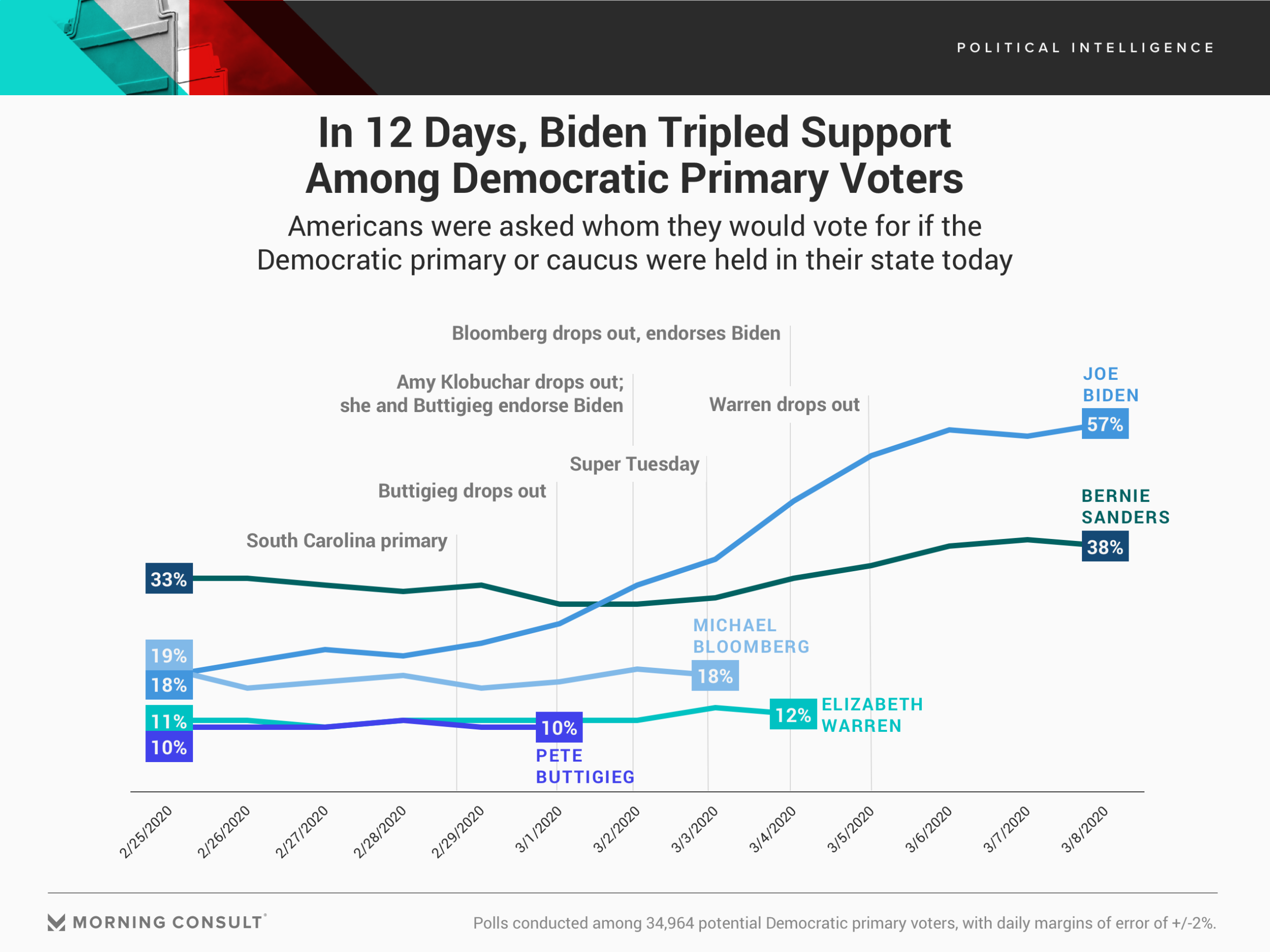
In September 2020, Scientific American endorsed a presidential candidate for the first time in its 175-year history. The editors backed Joe Biden, citing the Trump administration's rejection of evidence and public health expertise. This was not a decision made lightly; the publication argued that the "evidence and the science" themselves had been politicized, leaving them no choice but to intervene. This move signaled a trend where "expertise" became a political endorsement in its own right.
The New England Journal of Medicine (NEJM)
Following suit, the New England Journal of Medicine published an editorial titled "Dying in a Leadership Vacuum." While it did not explicitly name a candidate for endorsement, it was the first time in the journal’s 208-year history that it collectively condemned a sitting U.S. administration and called for its removal. These actions redefined the "Expert Endorsement," shifting it from technical validation to moral and political necessity.
The Celebrity Endorsement 2.0: Beyond the Red Carpet
In previous cycles, a celebrity endorsement often consisted of a photo op or a brief mention in a late-night interview. In 2020, this evolved into a sophisticated digital strategy focused on grassroots mobilization.
The "Taylor Swift Effect"
Taylor Swift’s endorsement of the Biden-Harris ticket via V Magazine was a masterclass in modern endorsement strategy. Unlike her previous years of political silence, Swift used her massive social media platform to link her endorsement to specific issues—such as LGBTQ+ rights and racial equality—and directly encouraged her fans to use mail-in ballots. This trend emphasized "the why" over "the who," providing fans with a values-based framework for their vote.
Digital Integration and Direct Access
Celebrities like Dwayne "The Rock" Johnson and Cardi B did not just issue statements; they hosted long-form interviews with candidates. Cardi B’s interview with Bernie Sanders and later her public support for Joe Biden utilized Instagram Live and YouTube to reach younger demographics who were increasingly disconnected from traditional news media. These were not scripted commercials but "conversations" that humanized candidates and allowed for deeper policy discussions, marking a shift toward authenticity in endorsements.
Athlete Activism and Collective Endorsements
The sports world in 2020 saw a shift from individual athletes taking a stand to entire leagues and teams using their collective platform as a form of endorsement for social movements.
The NBA and WNBA "Bubble" Activism
During the 2020 NBA and WNBA seasons, endorsements shifted toward movements rather than specific candidates, though the two were often linked. The WNBA, in particular, demonstrated the power of the collective endorsement. When then-Senator Kelly Loeffler, a co-owner of the Atlanta Dream, criticized the Black Lives Matter movement, the players endorsed her opponent, Raphael Warnock. By wearing "Vote Warnock" shirts, the players were credited with a significant surge in his polling numbers, eventually leading to his victory in the Georgia Senate runoff.
Institutional Support
Leagues themselves began endorsing democratic participation. The NFL, NBA, and MLB turned stadiums into polling stations. This "institutional endorsement" of the voting process itself was a reaction to concerns over voter suppression and the safety of in-person voting during the pandemic. It represented a trend where organizations endorsed the mechanism of democracy as much as any specific outcome.
The Media Evolution: Dual Endorsements and Local Decline
Traditional media endorsements also underwent a period of experimentation and decline in 2020. The most notable example was The New York Times editorial board's decision during the Democratic primary.
The New York Times Primary Experiment
In a departure from tradition, The New York Times endorsed two candidates—Elizabeth Warren and Amy Klobuchar—for the Democratic nomination. This "dual endorsement" was met with mixed reviews, as critics argued it diluted the impact of the recommendation. However, it reflected a trend of media institutions struggling to reconcile the diverse factions within political parties.
The Erosion of the Local Editorial
As local newspapers continued to decline in circulation and resources, the weight of the "local paper endorsement" hit an all-time low. Research from organizations like the Pew Research Center has historically shown that voters are increasingly skeptical of media bias, leading many editorial boards to stop endorsing candidates altogether to avoid alienating subscribers. This created a vacuum that was largely filled by social media influencers and local community leaders.
Corporate Social Responsibility (CSR) as a Proxy Endorsement
For corporations, 2020 was the year "silence was no longer an option." Following the death of George Floyd, hundreds of major brands issued statements endorsing the Black Lives Matter movement.
- Nike: Released the "Don't Do It" campaign, urging consumers not to ignore the reality of racism.
- Ben & Jerry's: Issued a detailed call to "Dismantle White Supremacy," which went far beyond the vague platitudes of other brands.
- Patagonia: Continued its trend of "activist corporate endorsements" by sewing "Vote the Assholes Out" tags into its clothing, targeting climate deniers.
These were not just brand endorsements; they were signals to consumers about the company’s internal values. The trend in 2020 moved toward "Value-Based Consumption," where a brand’s endorsement of a social cause became a primary factor in customer loyalty.
Comparing Endorsement Trends: 2016 vs. 2020
The following table highlights the fundamental shifts in how endorsements were delivered and perceived between the two most recent pivotal election cycles leading up to 2020.
| Feature | 2016 Approach | 2020 Shift | Impact/Trend |
|---|---|---|---|
| Scientific Entities | Strict neutrality; focused on data only. | Active endorsement based on policy impact. | Science became a partisan battleground. |
| Celebrity Role | Award show speeches; "Get out the vote" ads. | Deep-dive social media interviews; issue-linking. | Humanization of candidates through digital platforms. |
| Sports Leagues | Individual protests (e.g., Kaepernick). | Collective league action; stadiums as polls. | Sports became a central hub for civic engagement. |
| Corporate Stance | Neutrality to avoid "offending half the audience." | Taking explicit stances on racial and social justice. | Brand loyalty became tied to political/social values. |
| Media Influence | Traditional "Editorial Board" weight. | Experimentation with dual/no endorsements. | Decline of centralized media authority. |
The "Anti-Endorsement": The Rise of The Lincoln Project
A unique trend in 2020 was the "anti-endorsement"—groups of people endorsing a candidate specifically from the "other side." The Lincoln Project, a PAC founded by Republicans, endorsed Joe Biden with the express purpose of defeating Donald Trump.
This trend was powerful because it provided "permission" for moderate voters to cross party lines. When a lifelong Republican endorses a Democrat, it carries a different weight than a traditional partisan endorsement. In 2020, these cross-aisle endorsements were ubiquitous, including high-profile former officials like Cindy McCain and John Kasich. This trend highlighted a fragmentation within the Republican party that would continue to define the political landscape into the mid-2020s.
FAQ: Understanding the 2020 Endorsement Landscape
Did endorsements actually change many votes in 2020?
While it is difficult to quantify exact vote counts, data suggests that endorsements in 2020 served more as "mobilizers" than "converters." For example, the WNBA's endorsement of Raphael Warnock is widely credited with increasing his name recognition and fundraising, which allowed him to reach more voters. Endorsements act as a shortcut for voters; they signal that a candidate aligns with a voter's existing values, making them more likely to actually show up and vote.
Is it legal for non-profits and scientific journals to endorse candidates?
Under U.S. tax law (specifically the Johnson Amendment), 501(c)(3) non-profit organizations are prohibited from participating in, or intervening in, any political campaign on behalf of (or in opposition to) any candidate for elective public office. However, many publications and journals operate under different tax statuses or argue that their "endorsements" are editorial opinions protected by the First Amendment. In the case of Scientific American, the endorsement was an editorial decision made by the magazine's leadership.
Why did the "Expert Endorsement" become so prominent in 2020?
The prominence of the expert endorsement was a direct result of the COVID-19 pandemic. When public health became the primary concern for the electorate, the people who manage public health (doctors, scientists, and researchers) became the most relevant "influencers." Their endorsements were seen as a matter of professional survival and public safety rather than mere political preference.
What was the most effective type of endorsement in 2020?
The most effective endorsements were "unlikely" endorsements. When a traditionally non-political entity (like a scientific journal) or a member of the opposing party (like The Lincoln Project) takes a stand, it creates a "man-bites-dog" news story that breaks through the noise. These endorsements carry more weight because they imply that the situation is so dire that the endorser was forced to break their usual silence.
How did social media change the "cost" of an endorsement?
In 2020, the "cost" of an endorsement for a celebrity or brand shifted from financial to social. Previously, an endorsement might lose a celebrity fans or a brand customers. In 2020, however, failing to endorse a movement (like Black Lives Matter) often carried a higher social cost than taking a side. This "pressure to participate" was a hallmark of the 2020 digital landscape.
Final Recommendations for Evaluating Endorsements
In the years since 2020, the lessons of that era have become standard practice. When evaluating endorsements today, it is essential to look beyond the name of the person or organization. Instead, focus on the "alignment of values."
- Look for the "Why": A modern endorsement is only as good as the reasoning behind it. Does the endorser cite specific policies or data, or is it merely a personality-based support?
- Evaluate the Source's Stake: Why is this entity endorsing now? For scientific journals in 2020, it was about the integrity of their field. For athletes, it was about personal safety and civil rights. Understanding the "stake" helps you weigh the sincerity of the endorsement.
- Consider the "Anti-Endorsement": Pay close attention when someone endorses "against their own interest" or against their traditional party line. These remain the most statistically significant signals of a shift in the political or social winds.
The trends of 2020 proved that endorsements are no longer just about who you like; they are about which version of the future you are willing to stand behind.