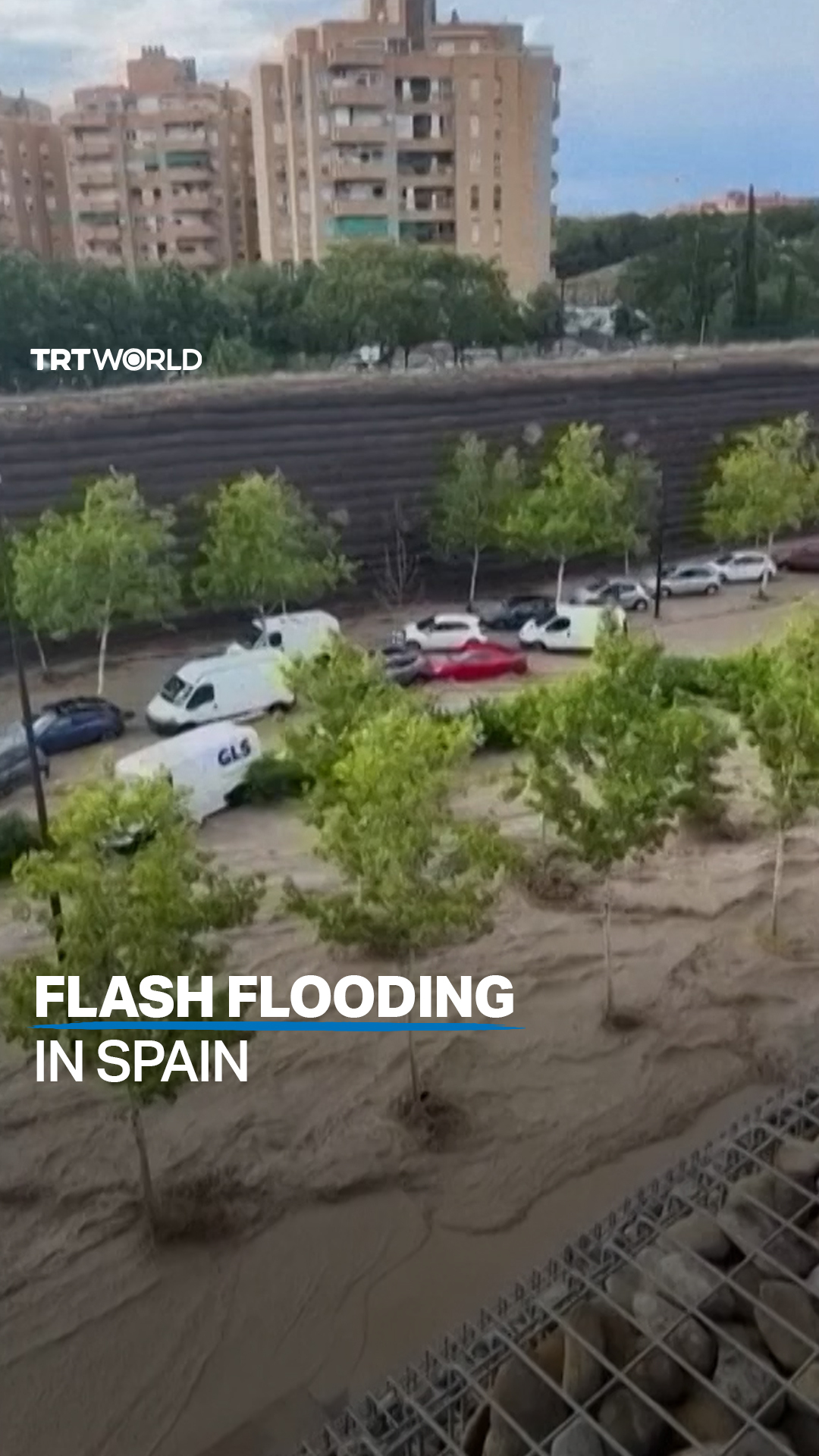
In September 2019, a catastrophic weather event known as a DANA (Depresión Aislada en Niveles Altos) triggered the most severe flooding southeast Spain had seen in over a century. The disaster resulted in seven fatalities, the evacuation of thousands, and over €1.3 billion in insured damages, fundamentally reshaping Spain’s approach to flood management and climate resilience in the years leading up to 2026.
The Meteorological Cause: Understanding the 2019 DANA
To understand the 2019 floods, one must first define the phenomenon known in Spain as "Gota Fría" (Cold Drop), technically referred to by meteorologists as a DANA. This occurs when a pocket of cold air at high altitudes breaks off from the main jet stream. When this cold air encounters the warm, moisture-laden air of the Mediterranean Sea—which in late summer 2019 was at record-high temperatures—it creates an incredibly unstable atmosphere.
The September 2019 event was particularly stationary. Unlike typical storm fronts that move quickly across the peninsula, this DANA remained stalled over the provinces of Alicante, Murcia, Almería, and parts of Castile-La Mancha for several days. Between September 11 and 15, some areas received more than 450 mm of rainfall—the equivalent of an entire year’s worth of precipitation in less than 48 hours. The city of Orihuela and the surrounding Vega Baja region recorded rainfall intensities that exceeded historical return periods of 500 years.
The Role of Sea Surface Temperatures
A critical factor identified by the State Meteorological Agency (AEMET) was the anomalous heat of the Mediterranean. Warmer water provides more fuel for storm systems. In 2019, the sea was roughly 2°C to 3°C warmer than the long-term average. This increased evaporation rates, feeding the DANA with a constant supply of moisture, which then fell as torrential rain as the system interacted with the coastal mountain ranges of southeast Spain.
Regional Impacts: From the Vega Baja to the Mar Menor
The impact of the 2019 floods was not uniform; it was characterized by flash floods in mountainous areas and slow-moving, devastating inundations in the river basins.
The Devastation of the Vega Baja del Segura
The Vega Baja, a fertile agricultural plain in the province of Alicante, suffered the brunt of the disaster. The Segura River, which drains this region, breached its banks in multiple locations, including Almoradí and Orihuela. Because the terrain is exceptionally flat, the floodwaters did not recede quickly. Entire towns remained submerged for days, with water levels reaching the second floors of residential buildings.
The Crisis in Murcia and Almería
In the Region of Murcia, the municipality of Los Alcázares became the face of the disaster. Located on the shores of the Mar Menor, the town acted as a natural drainage point for the surrounding plains. Mud and debris-filled water rushed through the streets, destroying businesses and homes. In Almería, the flooding was more sudden, leading to the tragic deaths of individuals trapped in vehicles—a common hazard during DANA events where "ramblas" (dry riverbeds) transform into raging torrents in minutes.
Infrastructure and Transportation Collapse
The flooding caused a total shutdown of regional infrastructure.
- Railways: The high-speed rail link between Madrid and the southeast was suspended, and local "Cercanías" lines were washed away.
- Roads: Over 100 regional roads were closed, isolating communities like Dolores and San Fulgencio.
- Aviation: Murcia-Corvera Airport and Alicante-Elche Airport faced significant delays and temporary closures due to visibility and runway flooding.
Socio-Economic Consequences and Damages
The financial toll of the 2019 floods was staggering. As of the latest longitudinal reviews in 2026, the event remains one of the most expensive natural disasters in the history of the Consorcio de Compensación de Seguros (CCS), the Spanish public-private entity that handles extraordinary risks.
Agricultural Losses: The "Garden of Europe"
The Vega Baja is often called the "Garden of Europe" due to its massive exports of citrus, artichokes, and leafy greens. The 2019 floods destroyed roughly 150,000 hectares of crops. Beyond the immediate loss of the harvest, the standing water caused "asphyxiation" of tree roots, meaning farmers lost years of investment as citrus groves died off in the months following the retreat of the water.
Housing and Personal Property
More than 30,000 insurance claims were filed for damaged homes and vehicles. In many cases, the mud left behind was as destructive as the water itself, containing pesticides from agricultural runoff and sewage from compromised treatment plants.
| Region | Primary Impact Type | Estimated Insured Loss (approx.) |
|---|---|---|
| Alicante (Vega Baja) | Riverine Flooding / Agricultural | €450 Million |
| Region of Murcia | Flash Floods / Urban Damage | €380 Million |
| Almería / Andalusia | Infrastructure / Flash Floods | €110 Million |
| Castile-La Mancha | Agricultural / Secondary Flooding | €60 Million |
The Aftermath: The Mar Menor Ecological Collapse
Perhaps the most enduring "aftermath" of the 2019 floods was the ecological disaster in the Mar Menor, Europe’s largest saltwater lagoon. The floodwaters didn't just carry rain; they carried millions of tons of sediment, nitrates from intensive farming, and phosphates into the lagoon.
This massive influx of nutrients triggered a process of eutrophication. Just weeks after the flood, in October 2019, the lagoon suffered a massive "anoxia" (lack of oxygen) event. Thousands of dead fish and crustaceans washed up on the shores, gasping for air. This event catalyzed a massive social movement, leading to the eventual granting of "legal personhood" to the Mar Menor in 2022—a landmark legal status that allows the lagoon to be defended in court as an entity with its own rights. By 2026, the recovery of the lagoon remains a central point of Spanish environmental policy.
Recovery and Reconstruction Efforts
The recovery process began almost immediately but took years to complete. The Spanish government, through Real Decreto-ley 11/2019, provided an initial emergency aid package to local councils and individuals.
The "Vega Renace" Plan
Specifically for the Alicante province, the Generalitat Valenciana launched the "Vega Renace" (Vega Reborn) plan. This was not just a rebuilding effort but a strategic rethinking of the region. Key initiatives included:
- Sustainable Drainage Systems (SuDS): Implementing urban designs that allow water to soak into the ground rather than running off into streets.
- Flood Laminating Basins: Creating artificial wetlands and basins to hold excess river water during peak flows.
- Riverbed Maintenance: Extensive clearing of the Segura River to remove cane and debris that obstructed water flow in 2019.
Insurance and Compensation
The Consorcio de Compensación de Seguros played a vital role. In Spain, if you have a basic insurance policy, the Consorcio covers "extraordinary risks" like Dana floods. By 2021, over 90% of claims from the 2019 event had been settled, providing the liquidity necessary for small businesses in Orihuela and Los Alcázares to reopen.
Lessons Learned and the 2026 Perspective
Standing in 2026, the 2019 floods are viewed as a turning point in Mediterranean climate adaptation. The event proved that existing infrastructure, designed for 20th-century weather patterns, was insufficient for the more volatile 21st-century climate.
Modern Forecasting Improvements
Since 2019, AEMET has integrated more sophisticated ensemble modeling to predict DANA positioning with higher accuracy. Early warning systems have shifted from generic alerts to "impact-based forecasting," telling citizens not just how much rain will fall, but what that rain will do to specific bridges or low-lying neighborhoods.
The "Room for the River" Philosophy
There has been a shift away from just building higher walls. Inspired by Dutch water management, Spanish engineers are now creating more space for rivers like the Segura to flood safely in designated agricultural zones, protecting high-density urban centers.
Frequently Asked Questions
Was the 2019 flood the worst in Spanish history?
While the 2019 event had the highest insured losses for a DANA at that time, it was not the deadliest. The 1957 Great Flood of Valencia and the 1982 Tous Dam failure resulted in higher fatalities. However, in terms of rainfall intensity in the Vega Baja, it surpassed the historic "Riada de Santa Teresa" of 1879.
How much did the insurance payout total for the 2019 floods?
The Consorcio de Compensación de Seguros eventually paid out over €450 million for the September 2019 DANA alone. When including non-insured losses, agricultural damage, and infrastructure repair, the total economic impact was estimated by regional governments to exceed €1.3 billion.
Why did the Mar Menor suffer so much after the flood?
The flooding acted as a "flush," washing decades of accumulated fertilizers from the surrounding Campo de Cartagena farmland into the lagoon. This caused an algae bloom that consumed all the oxygen in the water, leading to the mass death of marine life.
What should residents in flood-prone areas do today?
Residents are advised to maintain active insurance policies, as the Consorcio only compensates those with existing coverage. Additionally, following the 2019 event, many municipalities have updated their "Plan de Actuación Municipal ante el Riesgo de Inundaciones" (PAM), which residents should review to know evacuation routes and safe zones.
Is it safe to buy property in the Vega Baja in 2026?
While the region remains a high-risk flood zone, significant infrastructure improvements and stricter building codes implemented after 2019 have mitigated some risks. Potential buyers should consult flood maps provided by the Confederación Hidrográfica del Segura (CHS) to check the "return period" risks of specific plots.
Practical Recommendations for Flood Preparedness
If you live in or travel to southeast Spain, the lessons of 2019 dictate a proactive approach to weather safety.
- Monitor AEMET Alerts: Download the official AEMET app and pay close attention to orange and red warnings for "Lluvias" and "Tormentas."
- Verify Insurance Coverage: Ensure your home and vehicle insurance is up to date. In Spain, your "póliza de seguros" must include a contribution to the Consorcio de Compensación de Seguros to be eligible for disaster aid.
- Avoid Ramblas: Never park your car or camp in a dry riverbed (rambla). In 2019, many deaths occurred because people underestimated how quickly these channels fill.
- Emergency Kit: Maintain a basic kit with a torch, battery-powered radio, and essential documents in a waterproof container, especially during the "Gota Fría" season (September to November).
The 2019 floods were a somber reminder of the power of nature. Through the recovery efforts and the legislative changes seen since then, Spain continues to work toward a future where the "Gota Fría" is met with resilience rather than ruin.