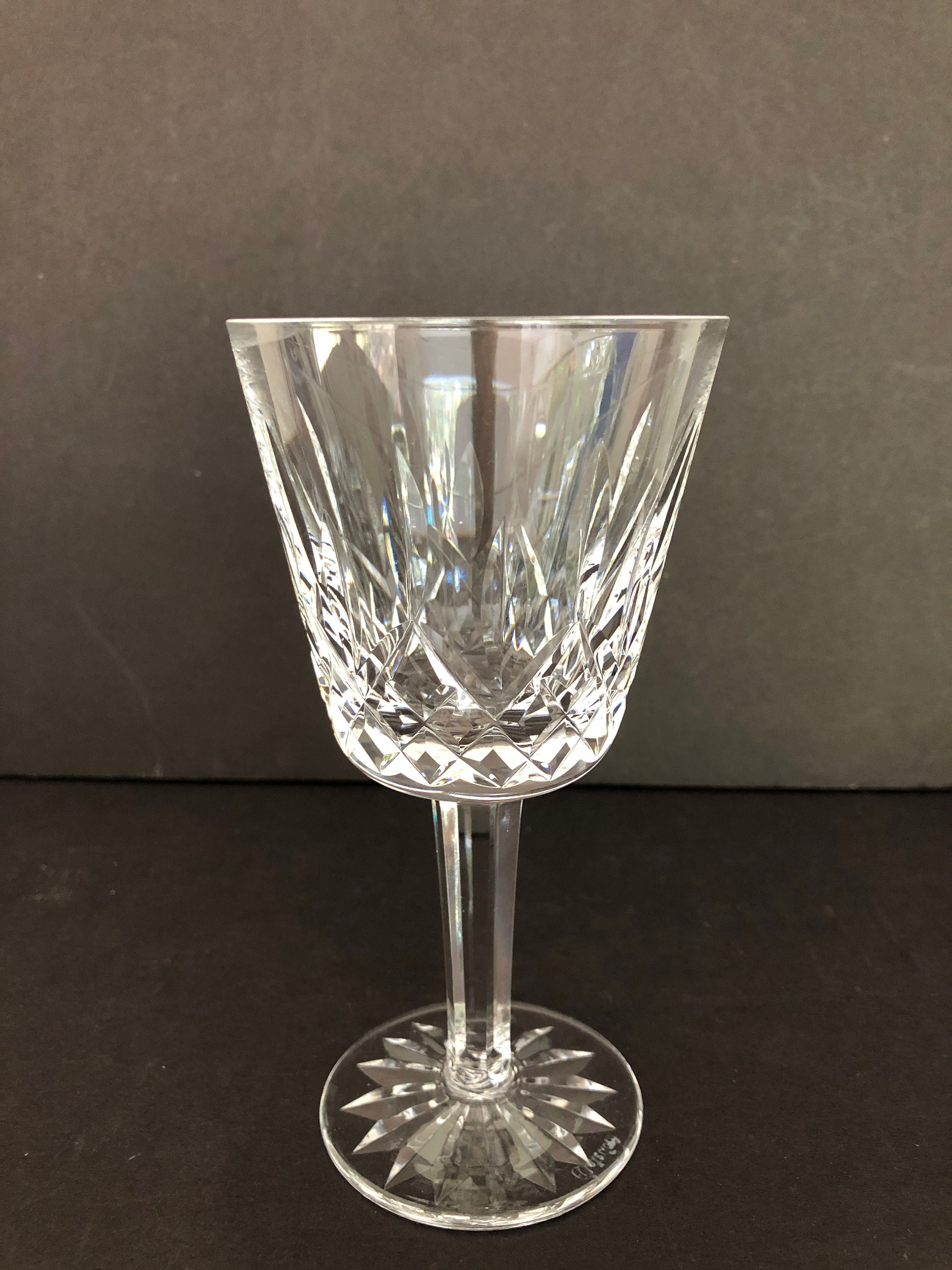
The world of luxury cut glass features few names as resonant as Waterford. Established in County Waterford, Ireland, the brand has defined high-end crystal production for centuries, creating heirloom pieces that grace formal dining tables and display cabinets worldwide. For collectors, estate liquidators, and modern homeowners curating vintage or contemporary tableware, understanding Waterford crystal patterns in 2026 is essential for valuation, authentication, and curation. Identifying these intricate designs requires an eye for detail, knowledge of historical production eras, and familiarity with specific cuts that distinguish authentic masterpieces from modern reproductions.
Historical Evolution of Waterford Cutting Techniques
The legacy of Waterford crystal is divided into two distinct operational eras: the historic period spanning from 1783 to 1851, and the modern revival period beginning in 1947 under the ownership of the Waterford Glass Company (later Waterford Wedgwood). Examining the trajectory of these eras reveals how manufacturing shifts directly influenced pattern design and glass chemistry.
During the historic period, Irish glassmakers utilized a high lead content formula combined with wood-fired furnaces, resulting in a distinct grayish-blue tint and heavy weight. Patterns from this era were primarily hand-blown and hand-cut using sandstone wheels, producing softer, wider mitre cuts with rounded edges. Common motifs included basic flat diamonds, sparse vertical fluting, and simple star bottoms. Because these early pieces lacked acid-etched signatures—a marking technique invented much later—authentication relies entirely on physical weight, pontil mark characteristics, and microscopic analysis of the glass surface.
The modern era, which heavily influences contemporary collection markets in 2026, introduced rigorous standardization, brilliant clarity, and deep diamond-wheel cuts. Master cutters employed steel and diamond-impregnated wheels to achieve razor-sharp geometric intersections and blinding light refraction. This technological leap allowed for the creation of iconic, highly complex motifs that remain the cornerstone of secondary market evaluations today.
Cataloging Classic and Contemporary Waterford Crystal Patterns
Navigating the vast portfolio of Waterford designs requires categorizing them by visual motifs, depth of cut, and historical introduction dates. Below is a comparative breakdown of the most sought-after patterns in the 2026 collector market.
| Pattern Name | Introduction Era | Primary Visual Characteristics | Typical Market Availability |
|---|---|---|---|
| Lismore | 1952 (Modern) | Diamond cuts on the upper bowl intersecting with vertical uprights on the lower stem. | Abundant (Most popular pattern globally) |
| Colleen | 1960 (Modern) | A distinctive diamond-cut border framed by horizontal bands and a multi-notched stem. | Moderate to High (Highly collected) |
| Kinsale | 1970s (Modern) | Deep vertical cuts combined with fan-shaped motifs along the rim. | Moderate (Valued for minimalist aesthetic) |
| Glengarriff | 1950s (Modern) | Bold crisscross diamond cuts interspersed with olive-shaped cuts. | Scarce (Discontinued, rising collector demand) |
| Old Ross | 1980s (Modern) | Intricate sunburst panels paired with fine cross-hatching. | Rare (Sought after by specialized collectors) |
| Ashling | 1977 (Modern) | Deep, sweeping oval cuts that create a fluid, window-like visual effect. | Moderate |
Step-by-Step Authentication and Pattern Identification Methodology
Determining the exact pattern and authenticity of a Waterford piece involves a systematic inspection process. Follow these structured steps to evaluate any item:
- Locate and Analyze the Signature: Examine the base or foot of the item under magnification. Modern pieces manufactured after 1947 typically feature the gothic "Waterford" acid-etched mark or the seahorse logo introduced in later decades. Pieces produced between 1986 and 2000 often feature the Old Gothic script.
- Inspect the Pontil Mark: Look at the bottom center of the piece for the pontil scar—the rough spot where the glassblower's rod was detached. On authentic hand-cut vintage and antique pieces, this scar should be ground down and polished flat, though a slight depression or texture usually remains.
- Analyze the Cut Geometry: Run your fingers lightly across the surface. Authentic modern cuts feature sharp, clean ridges with precise 90-degree or acute intersections. If the cuts feel rounded, melted, or smooth to the touch, the item may be a pressed glass imitation rather than true cut crystal.
- Evaluate Weight and Clarity: Waterford crystal contains a high percentage of lead oxide (traditionally 33%), making the glass noticeably heavy for its size. Hold the piece up to natural light to check for absolute clarity without bubbles, streaks, or a yellowish tint.
- Perform the Acoustic Test: Tap the rim of the glass gently with a fingernail. Authentic Waterford produces a clear, resonant, bell-like chime that sustains for several seconds. A dull thud indicates inferior glass composition.
Evaluating Condition Grades and Valuation Factors
When assessing Waterford crystal for personal acquisition or resale in 2026, condition is the primary driver of market value. Even rare patterns lose significant value if they exhibit structural flaws. Collectors evaluate pieces across four distinct tiers:
- Mint Condition (Pristine): The piece appears brand new, retaining its original foil label, box, and paperwork. There are zero scratches, chips, cloudiness, or fleabites along the rim or base.
- Collector Grade (Excellent): Light shelf wear may be visible on the very bottom base from placement on tabletops, but the body, stem, and rim are entirely free of damage, retaining full optical brilliance.
- Display Grade (Good): Minor cosmetic imperfections are present, such as faint scratches on the interior or exterior body, but no structural chips or cracks exist. These pieces are suitable for display or careful functional use.
- Damaged Grade (Poor): Features chips, deep scratches, "sickness" (cloudy calcium deposits from improper dishwashing), or cracked stems. These items hold little to no value outside of specialized glass repair or repurposing projects.
Care, Maintenance, and Preservation Protocols
Preserving the brilliance of Waterford crystal requires adherence to strict maintenance protocols to prevent permanent chemical and thermal damage.
Best Practices for Crystal Care
Hand Washing Only: Never submerge Waterford crystal in an automatic dishwasher, as the high heat, harsh detergents, and water pressure will cause permanent clouding (glass sickness) and micro-chipping along delicate rims.
Thermal Shock Prevention: Avoid exposing crystal to extreme temperature fluctuations. Never pour boiling liquid directly into a chilled glass decanter or vase, and do not place crystal in a microwave or freezer.
Safe Drying Techniques: Wash pieces individually in lukewarm water using a mild, non-abrasive liquid soap. Dry immediately with a lint-free linen or microfiber cloth to prevent water spots, holding stemware by the base or bowl rather than twisting the stem.
Storage Safety: Store stemware upright on stable shelving. Avoid stacking glasses inside one another, as the pressure can fracture delicate rims and handles.
Frequently Asked Questions About Waterford Crystal Patterns
How can I identify a Waterford crystal pattern if there is no name stamped on the piece?
Match the visual motifs—such as specific diamond shapes, fan cuts, and stem notches—against digital pattern archives, or consult authenticated collector catalogs and reference books by matching the piece's height, bowl shape, and cut layout.
Are all Waterford crystal pieces marked with a signature?
No. Items produced during the historic period (1783–1851) and certain early twentieth-century pieces were unsigned because acid-etching signatures had not yet been adopted, requiring physical attribute analysis for authentication.
What causes cloudy white stains inside Waterford vases or decanters?
Cloudiness is typically caused by mineral deposits from hard water or residual moisture left trapped inside sealed vessels over long periods, which can sometimes be dissolved using a mixture of vinegar and raw rice.
Does the Waterford seahorse logo indicate a specific time period?
Yes, the seahorse logo was introduced in 1999 as a replacement for the traditional Gothic script mark to signify the brand's heritage and modern corporate identity.
Why do some Waterford pieces feel heavier than others?
Weight variations depend on the specific collection type, as heavy-bottomed tumblers and oversized decanters utilize significantly more lead crystal mass than delicate wine stems or dessert bowls.
Can chipped Waterford crystal be repaired professionally?
Minor rim chips can often be ground down and re-polished by a professional crystal restoration specialist, though extensive structural damage to stems or handles will permanently diminish collector value.
Curating Your Collection
Building or maintaining a Waterford crystal collection requires patience, an eye for authenticity, and adherence to proper care standards. Whether you are hunting for vintage Lismore cordials or modern commemorative pieces, understanding the nuances of cuts, signatures, and condition grading ensures that your investment retains its elegance and value for generations to come.