The debut of Sesame Street on November 10, 1969, represented a seismic shift in the landscape of children’s television, blending professional pedagogy with high-level production values. As we evaluate the series from the vantage point of 2026, the original cast remains the gold standard for integrated, representational casting and parasocial educational development. This analysis explores the technical and cultural contributions of the foundational human performers and Muppeteers who established the "Street" as a global benchmark for early childhood education.
The Architectural Foundation: The Human Cast of 1969
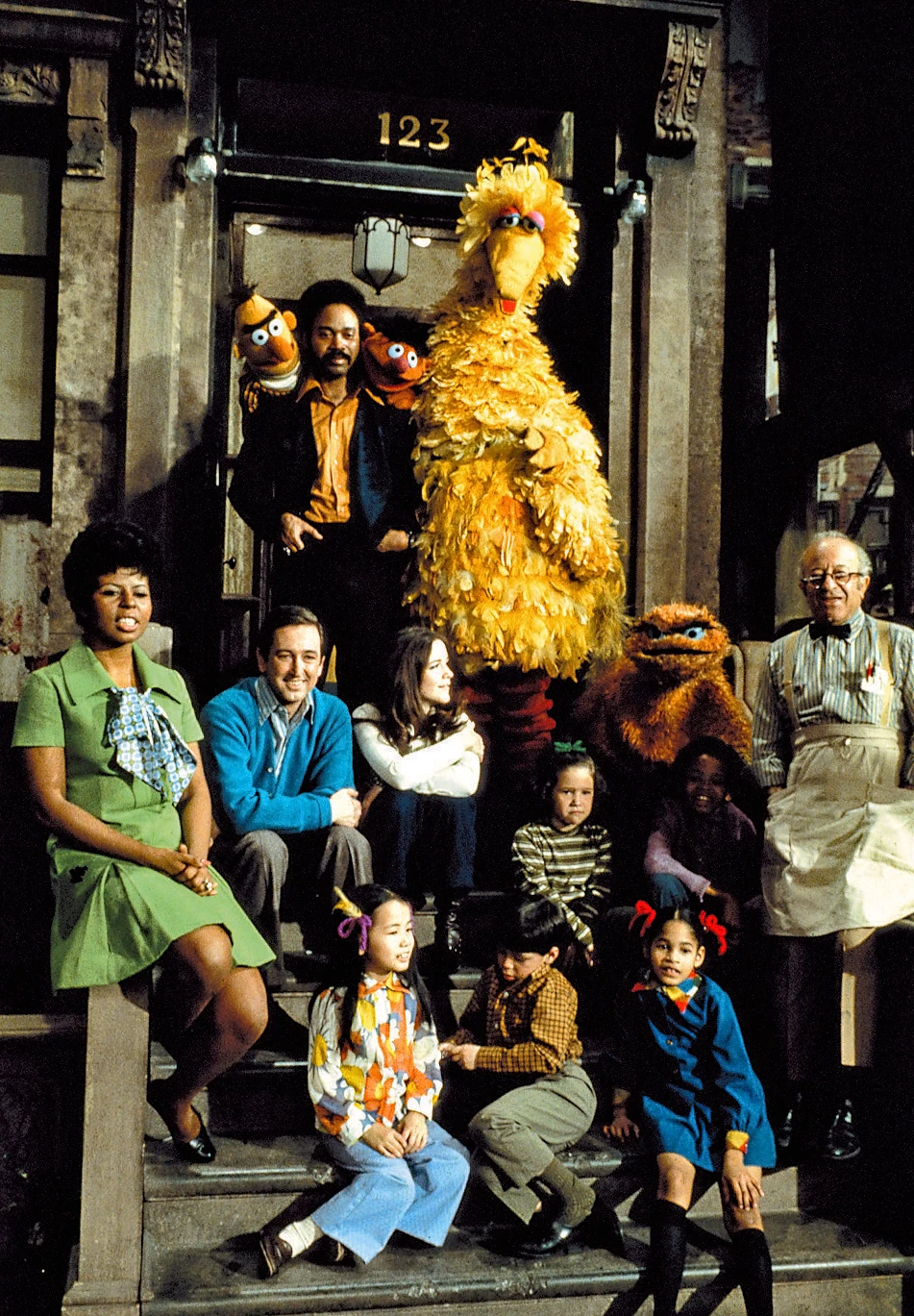
The original human cast was not merely a group of actors; they were carefully selected icons designed to reflect an idealized yet gritty urban reality. In the late 1960s, the Children’s Television Workshop (CTW) sought to create a "neighborhood" that felt authentic to inner-city children while remaining welcoming to all. The original four human leads—Bob, Susan, Gordon, and Mr. Hooper—served as the emotional and social anchors for the Muppets’ chaotic energy.
The Role of Gordon Robinson: A Catalyst for Representation
Matt Robinson, the original Gordon, was instrumental in shaping the show’s approach to African American identity. Beyond his on-screen role, Robinson was a producer and a writer who fought for the inclusion of Roosevelt Franklin, a Muppet designed to reflect Black culture and language. While the role of Gordon would later be played by Hal Miller and most famously by Roscoe Orman, Matt Robinson’s 1969 debut established the character as a strong, intelligent, and nurturing father figure who broke prevailing television stereotypes of the era.
Susan Robinson: The Grounding Force of the Neighborhood
Loretta Long’s portrayal of Susan provided a vital maternal presence that evolved alongside the feminist movements of the 1970s. Initially appearing as a traditional housewife, Susan’s character was intentionally transitioned into a working professional (a nurse) to reflect changing societal norms. In the context of 2026 media studies, Long is cited as one of the first television personalities to successfully maintain a multi-decade "educational persona" while simultaneously earning a doctorate in education, bridging the gap between performance and academia.
Bob Johnson: The Musical and Emotional Educator
Bob McGrath brought a professional music background to the series, which allowed Sesame Street to integrate high-quality vocal performances into its curriculum. His character emphasized the "People in Your Neighborhood," a segment that reinforced social studies concepts for preschoolers. McGrath’s tenure, which lasted until 2016, remains a case study in performer longevity and the importance of consistency in early childhood development environments.
Mr. Harold Hooper: The Bridge Across Generations
Will Lee’s Mr. Hooper was the original proprietor of the neighborhood’s general store. His character was essential for teaching children about intergenerational relationships and work ethics. The technical decision to keep Mr. Hooper slightly "grumpy" yet deeply kind added a layer of realism to the show. The eventual handling of Will Lee’s death in 1982 remains the definitive television standard for teaching children about grief and loss, a curriculum point that remains central to the Sesame Workshop mission in 2026.
Comparison of the Foundational Human Cast (1969-1972)
The following table outlines the core human cast members who established the show's baseline during its first three seasons.
| Performer | Character Name | Role in the Neighborhood | Educational Primary Focus |
|---|---|---|---|
| Matt Robinson | Gordon | Science Teacher / Father Figure | Social Identity & Ethics |
| Loretta Long | Susan | Nurse / Community Anchor | Health & Interpersonal Skills |
| Bob McGrath | Bob | Music Teacher | Arts & Social Integration |
| Will Lee | Mr. Hooper | Store Owner | Math & Intergenerational Bonding |
| Emilio Delgado | Luis (Joined 1971) | Fix-it Shop Owner | Bilingualism & Hispanic Heritage |
| Sonia Manzano | Maria (Joined 1971) | Fix-it Shop Owner | Cultural Representation & Literacy |
The Muppet Pioneers: Technical Mastery Behind the Felt
While the humans provided the reality, the Muppeteers provided the imagination. In 1969, the technical demands of Muppet performance were revolutionary. Performers had to monitor their movements through "return" monitors on the floor, effectively performing in reverse while maintaining eye contact with human actors.
- Jim Henson (Ernie, Kermit the Frog): Henson’s primary contribution was the "Muppet Style" of television performance—focusing on the camera lens rather than the live audience. This created an intimate connection between the viewer and the character.
- Frank Oz (Bert, Grover, Cookie Monster): Oz’s technical genius lay in character chemistry. The Bert and Ernie dynamic remains the most analyzed duo in children’s media for its depiction of friendship between opposites.
- Caroll Spinney (Big Bird, Oscar the Grouch): Spinney’s role was perhaps the most physically demanding. Playing Big Bird involved wearing a heavy costume while holding the head up with one arm and reading a script taped inside the suit. Big Bird was designed to be a "stand-in" for the preschool viewer—a 6-year-old surrogate who learns through trial and error.
The 2026 Perspective on Media Preservation and AI Restoration
As of 2026, the original episodes of Sesame Street have undergone significant digital restoration. The "Sesame Street Heritage Project" has utilized advanced neural networks to upscale the original 1969-1970 broadcast tapes from NTSC 480i to 4K resolution, preserving the intricate textures of the Muppet fur and the subtle facial expressions of the human cast that were previously lost to analog degradation.
For researchers and parents today, these original episodes serve as a historical archive of New York City's urban aesthetic in the late 1960s. The technical specifications of the original set—designed by Charles Rosen—emphasized a "non-sanitized" version of the city, complete with trash cans, cracked sidewalks, and laundry hanging from windows. This was a deliberate choice to ensure children in urban environments saw their own lives reflected as something worthy of educational focus.
Analyzing the "Street" Model: Pros and Cons
When comparing the original 1969 casting model to modern 2026 educational programming, several distinct advantages and disadvantages emerge.
Advantages of the Original Model
- Multicultural Authenticity: Unlike many contemporary shows that feel "diverse by committee," the original Sesame Street cast was born out of genuine community activism and a desire for social justice.
- Adult-Child Interaction: The original cast treated the Muppets (and by extension, the child audience) with a level of intellectual respect rarely seen in 2020s-era "high-energy" digital content.
- Slow-Paced Pedagogy: The 1969 episodes utilized a "magazine" format that allowed for moments of quiet reflection, which many 2026 developmental psychologists argue is superior for cognitive retention compared to the hyper-fast editing of modern streaming media.
Disadvantages and Limitations
- Production Constraints: Early episodes suffered from lighting inconsistencies and audio "bleed" between the human set and the Muppet stages.
- Gender Imbalance: While Susan was a strong character, the early Muppet cast was heavily male-dominated, a technical and creative gap that wasn't fully addressed until the introduction of characters like Abby Cadabby and Prairie Dawn in later decades.
A Guide to Accessing Original Cast Archives in 2026
For those looking to explore the foundational years of Sesame Street, the following steps are recommended for the most comprehensive experience:
- The Sesame Workshop Digital Vault: Access the primary source of restored Season 1-5 episodes. These versions include the "Original Cast Commentary" tracks recorded by surviving crew members and historians.
- The American Center for Children and Media: Located in Washington D.C., this facility offers an immersive VR experience where users can virtually walk through the 1969 set and interact with digital recreations of the original cast.
- Academic Metadata Analysis: For researchers, the "Project 1969" database provides a breakdown of every educational "bit" performed by the original cast, categorized by the Harvard-designed curriculum goals of the era.
FAQ: Key Questions About the Original Cast
Who were the four original human cast members in 1969? The original four human leads were Matt Robinson (Gordon), Loretta Long (Susan), Bob McGrath (Bob), and Will Lee (Mr. Hooper). These performers were chosen to represent a diverse, friendly urban community.
Is any of the original 1969 cast still on the show in 2026? By 2026, all members of the original 1969 human cast have either retired or passed away. However, their legacy is maintained through digital archives and the "Legacy Character Program," where new actors occasionally fill these roles for historical specials or animated segments.
How did the original cast handle the death of Mr. Hooper? When Will Lee died in 1982, the producers made the technical and ethical decision not to recast him. Instead, they filmed "Episode 1839," where the human cast explained to Big Bird that Mr. Hooper had died and wasn't coming back, marking a milestone in educational television history.
Why did the original Gordon, Matt Robinson, leave the show? Matt Robinson left in 1972 to pursue other creative endeavors in film and television production. He felt that his work in establishing the character and the show’s cultural tone was complete, leading to the casting of Hal Miller and eventually Roscoe Orman.
What was the role of the Muppeteers in the original cast? While the humans provided the social structure, Muppeteers like Jim Henson, Frank Oz, and Caroll Spinney provided the "curriculum delivery." Characters like Big Bird and Oscar the Grouch were technically part of the "original cast" and were designed to represent the various psychological stages of childhood.
The Enduring Influence of the 1969 Pioneers
The original cast of Sesame Street did more than just teach the alphabet; they proved that television could be a tool for social equalization. In 2026, as we move further into an era of AI-driven and personalized education, the human-centric, empathetic model established by Bob, Susan, Gordon, and Mr. Hooper remains the essential blueprint. Their ability to foster a sense of belonging in a fictional neighborhood has had a documented impact on over three generations of learners, making them perhaps the most influential "faculty" in the history of global education.