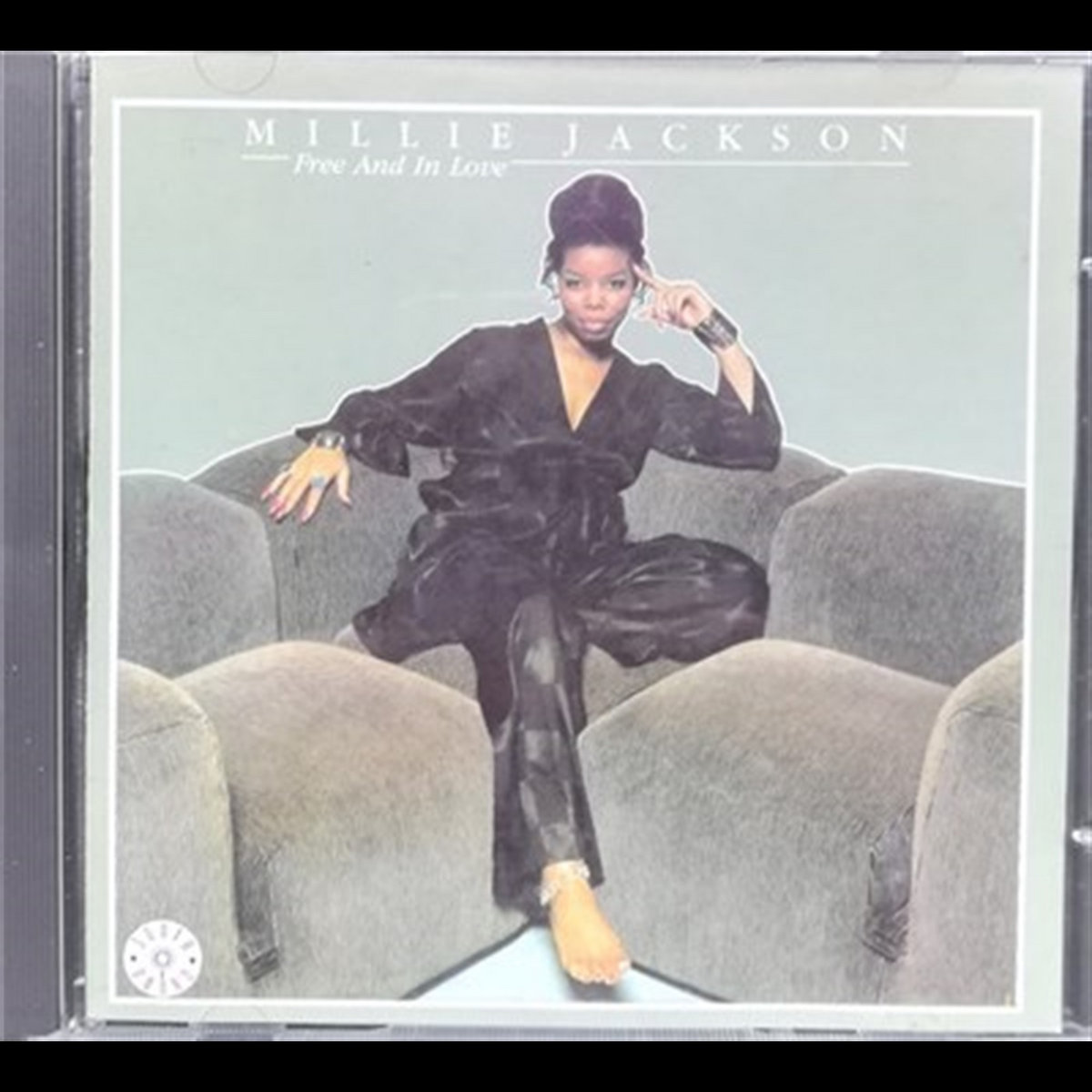
Despite sharing one of the most famous surnames in music history and rising to prominence during the golden era of R&B and soul, Millie Jackson and Michael Jackson are not biologically related. They represent two distinct branches of American musical excellence: Millie as the "Mother of Soul Monologues" and Michael as the "King of Pop."
The Clarification of Family Ties: Myth vs. Reality
One of the most persistent questions in music history concerns the potential kinship between Millie Jackson and the famous Jackson family of Gary, Indiana. However, genealogical records and biographical histories confirm there is no blood relation between the two.
Millie Jackson was born Mildred Jackson on July 15, 1944, in Thompson, Georgia. Her upbringing was rooted in the deep South before she moved to Newark, New Jersey, and later Brooklyn, New York, as a teenager. Her family background was independent of the entertainment industry, and she began her career through a chance performance at a Harlem nightclub.
Conversely, Michael Jackson was the eighth of ten children born to Joe and Katherine Jackson in Gary, Indiana. The Jackson family’s lineage is well-documented, beginning with the Jackson 5 and branching into the solo careers of Michael, Janet, Jermaine, and their siblings. While the "Jackson" name is common, the geography and family trees of Millie and Michael never intersect. The confusion often stems from their overlapping peak years in the 1970s and 1980s, when both were dominating the R&B charts, albeit with vastly different styles and target audiences.
Millie Jackson’s Career Path: The Architect of the Soul Monologue
Millie Jackson’s career is defined by her boldness, her gravelly vocal delivery, and her pioneering use of spoken-word storytelling within music. Often cited as an influence on modern hip-hop and female empowerment in R&B, her path was one of grit and creative autonomy.
Early Beginnings and the 1970s Breakthrough
Millie's career began in 1964 at the Palm Cafe in Harlem. Following a dare from a friend, she entered a talent contest and won. This led to her first recordings with MGM Records, but it wasn't until she signed with Spring Records in the early 1970s that she found her voice. Her 1972 hit "Ask Me What You Want" reached the R&B Top 10, but her 1973 single "It Hurts So Good" (featured in the film Cleopatra Jones) cemented her status as a powerhouse vocalist.
The Concept Album Era: Caught Up
In 1974, Jackson released Caught Up, a revolutionary concept album that explored the complexities of an extramarital affair from the perspectives of both the wife and the "other woman." This album introduced her signature "raps"—extended spoken-word monologues that were often humorous, raunchy, and brutally honest. This format allowed her to connect with female audiences on a level few other artists of the time could match.
Transition to Radio and Legacy
As the musical landscape shifted toward disco and eventually contemporary R&B, Millie Jackson transitioned her persona into a successful career as a radio host. For over a decade, she hosted a popular afternoon show on WBLS in New York City. By 2026, her legacy is viewed through the lens of a woman who refused to be silenced, paving the way for artists like Salt-N-Pepa, Lil' Kim, and Cardi B by proving that women could be sexually assertive and outspoken in their lyrics.
Michael Jackson’s Career Path: The Global King of Pop
Michael Jackson’s career followed a trajectory of unprecedented global scale. From his debut as a child prodigy to his transformation into a multi-platform brand, his path changed the mechanics of the music industry.
From Gary to Motown
Michael’s career began in the mid-1960s with the Jackson 5. Under the strict tutelage of his father, Joe Jackson, and the refined polishing of Berry Gordy at Motown Records, Michael became the youngest artist to ever top the Billboard Hot 100 with "I Want You Back." His early solo work at Motown, including "Got to Be There" and "Ben," showed a maturity that hinted at his future independence.
The Epic Records Transformation
The pivotal moment in Michael’s career came when the Jackson siblings moved to Epic Records (later Sony Music). Partnering with producer Quincy Jones for Off the Wall (1979), Michael reinvented himself as a sophisticated adult solo artist. This was followed by Thriller (1982), which became the best-selling album of all time. Jackson’s career path was not just about music; it was about the integration of visual media (music videos), fashion, and dance, such as the iconic moonwalk debuted during the Motown 25 special.
Business Acumen and Global Influence
Beyond the stage, Michael was a shrewd businessman. His 1985 purchase of the ATV Music Publishing catalog—which included the rights to the majority of The Beatles' songs—was one of the most significant financial moves in entertainment history. By the 1990s and 2000s, despite personal controversies, his career path focused on global humanitarian efforts and large-scale world tours that reached audiences in markets previously untapped by American pop stars.
Net Worth Analysis: 2026 Perspective
In 2026, the financial legacies of Millie Jackson and Michael Jackson are vastly different in scale, reflecting their different markets and business strategies.
Millie Jackson’s Financial Standing
As of 2026, Millie Jackson’s net worth is estimated to be between $2 million and $5 million. Her wealth is primarily derived from:
- Royalties: Continued play of her classic 1970s hits on soul and R&B stations.
- Radio Career: Income from her long-running tenure as a radio personality.
- Legacy Performances: Occasional appearances and festival bookings for R&B heritage events.
- Sampling: Modern R&B and hip-hop artists frequently sample her spoken-word segments, providing a steady stream of licensing revenue.
Michael Jackson’s Estate and Net Worth
The Michael Jackson Estate remains one of the most lucrative entities in the entertainment world. Following his death in 2009, the estate transformed from being deeply in debt to a multi-billion-dollar empire. By 2026, the estate’s valuation is estimated to exceed $2.5 billion.
The 2024 landmark deal, where Sony Music Group acquired half of Michael Jackson's publishing and recorded music masters for a reported $600 million or more, significantly boosted the estate's liquidity. Ongoing revenue streams include:
- The MJ Catalog: Half-ownership and management of his massive hits.
- Mijac Music: Rights to songs by other artists (like Sly and the Family Stone) that Michael acquired during his lifetime.
- MJ: The Musical: The global success of the Broadway show and its international touring companies.
- Posthumous Ventures: Documentary deals, digital avatars, and merchandise.
Comparative Overview: Millie Jackson vs. Michael Jackson
| Feature | Millie Jackson | Michael Jackson |
|---|---|---|
| Birthplace | Thompson, Georgia | Gary, Indiana |
| Primary Genre | R&B, Soul, Comedy | Pop, R&B, Rock, Dance |
| Signature Style | Spoken-word "raps" and grit | Precise choreography and vocal range |
| Peak Fame | 1973 – 1985 | 1969 – 2009 (and posthumous) |
| Major Accolades | Multiple Gold albums, Grammy noms | 13 Grammys, Best-selling album of all time |
| 2026 Status | Retired/Legacy Icon | Deceased (Estate managed by trustees) |
| Estimated Net Worth | $2M - $5M | $2.5B+ (Estate Valuation) |
The Cultural Impact of the "Jackson" Moniker
While they were never related, both artists shared a common struggle: navigating a music industry that often attempted to pigeonhole Black artists.
Millie Jackson challenged the "respectability politics" of the 1970s. She refused to be the demure soul singer, instead opting for a persona that was loud, proud, and uncompromising. This path ensured that while she never reached the "bubblegum" pop success of the Jackson 5, she maintained a fiercely loyal cult following that remains active in 2026.
Michael Jackson, on the other hand, sought to transcend all boundaries—racial, musical, and geographic. His career path was a deliberate attempt to be "everything to everyone," a feat he largely achieved through the 1980s. The financial disparity between the two is less a reflection of talent and more a reflection of their chosen business models: Millie’s niche, adult-oriented R&B versus Michael’s mass-market, global pop.
Frequently Asked Questions
Are Millie Jackson and Michael Jackson related?
No. Despite having the same last name and both being prominent in the soul/R&B scene, they are not related by blood or marriage. Millie Jackson is from Georgia, while the Michael Jackson family is from Indiana.
Did Millie Jackson ever record a song with Michael Jackson?
There is no record of a collaboration between Millie Jackson and Michael Jackson. Their musical styles were significantly different—Millie focused on adult-themed R&B and comedy monologues, while Michael’s catalog was largely centered on pop, rock, and dance music designed for a general audience.
How does Millie Jackson’s net worth compare to the Jackson family?
Millie Jackson’s net worth is modest compared to the larger Jackson family. While she has a comfortable net worth in the low millions, the combined wealth of Michael’s estate, Janet Jackson’s career, and the other siblings’ ventures totals in the billions.
Is Millie Jackson considered the first female rapper?
While she is not a rapper in the modern sense of the genre, she is widely considered a pioneer of the "rap" or monologue style in soul music. Her spoken-word segments on albums like Caught Up directly influenced the storytelling aspects of early hip-hop.
What is the primary source of the Michael Jackson Estate’s wealth in 2026?
The primary sources are music publishing (Mijac Music), the 50% stake remaining in his own masters/publishing following the Sony deal, and the massive revenue generated by "MJ: The Musical" and the Cirque du Soleil show Michael Jackson ONE.
How has Millie Jackson’s career influenced modern artists?
Millie’s influence is seen in any artist who uses humor and raw honesty to discuss relationships and sexuality. Artists like Erykah Badu and Megan Thee Stallion have often been compared to her in terms of their unapologetic stage personas and vocal independence.
Final Recommendation for Fans and Researchers
To truly understand the impact of these two icons, one must look beyond the shared surname and delve into their respective discographies. For those interested in the roots of modern storytelling in R&B, listening to Millie Jackson’s Caught Up (1974) is essential. For those studying the evolution of global pop and the music business, Michael Jackson’s Thriller and the subsequent history of his estate's financial management offer a masterclass in brand longevity. In 2026, both artists remain essential pillars of American music history, each having carved a path that required immense bravery and business foresight.