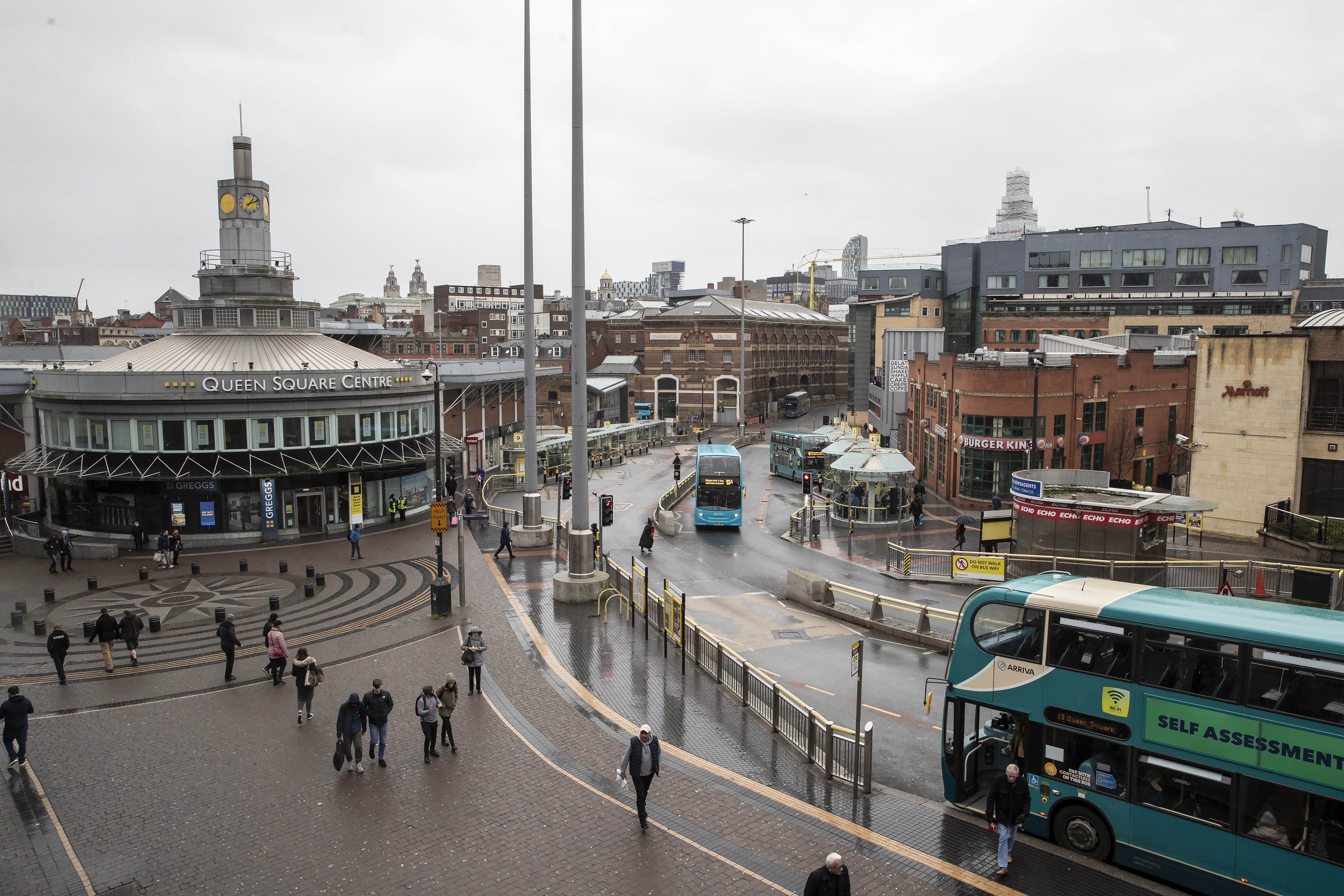
Liverpool’s bus network represents the backbone of the city's integrated transport infrastructure, providing essential connectivity across the Liverpool City Region (LCR). As of 2026, the network has transitioned further into the LCR Bus Franchising model, prioritizing standardized service levels, integrated ticketing, and decarbonized fleet operations. This guide focuses on public transport bus services provided by regional operators under the oversight of Merseytravel and the Liverpool City Region Combined Authority.
Strategic Overview of the Liverpool Bus Network in 2026
The bus network in Liverpool is characterized by its high-density radial routes originating from the city center, primarily converging on hubs like Queen Square Bus Station, Liverpool ONE Bus Station, and Sir Thomas Street. The 2026 infrastructure emphasizes the "Bus First" policy, designed to reduce private vehicle dependency through dedicated bus lanes and signal priority systems that mitigate peak-hour congestion.
Major operators currently licensed to run services include Stagecoach Merseyside and South Lancashire and Arriva North West. While these companies manage the day-to-day operations, the franchising system introduced in previous years ensures that the Liverpool City Region Combined Authority dictates routes, frequencies, and ticket pricing structures. Passengers now benefit from a unified fare system that facilitates seamless transfers between bus, Merseyrail, and the Mersey Ferries.
Understanding Fare Structures and Ticketing Technology
The 2026 fare system is centered on the MetroCard and contactless payment integration. The City Region has phased out complex multi-operator paper ticketing in favor of digital-first solutions.
- Single Fare Cap: All single journeys within the LCR are capped to ensure affordability, currently indexed against the 2026 regional transport budget.
- Tap-and-Go Payments: Contactless bank cards and mobile wallets (Apple Pay, Google Pay) are accepted on all franchised routes. The system automatically calculates the lowest possible fare based on daily travel thresholds.
- Multi-Modal Passes: The Solo ticket remains the standard for unlimited bus travel, while the Trio ticket provides combined bus, rail, and ferry access.
- Concessionary Travel: Senior citizens and eligible disabled passengers continue to utilize the Merseytravel-issued concessionary passes, which grant free off-peak travel across the entire region.
Essential Operational Data for Frequent Commuters
Understanding the operational differences between routes is vital for commuters. The following table highlights the core metrics for standard service categories in 2026.
| Service Category | Peak Frequency | Operational Scope | Ticketing Compatibility |
|---|---|---|---|
| Core Trunk Routes | Every 5-8 Minutes | City Center to Suburbs | Full Integrated (Solo/Trio) |
| Orbital Services | Every 15-20 Minutes | Suburb to Suburb | Full Integrated (Solo/Trio) |
| Night Bus Services | Every 60 Minutes | Major Arterial Roads | Full Integrated (Solo/Trio) |
| Rural/Link Services | Every 30-60 Minutes | Outlying Boroughs | Full Integrated (Solo/Trio) |
Operational Standards for 2026
Service Reliability and Real-Time Data The integration of the LCR-wide real-time information system ensures that arrival predictions are available via the official Merseytravel app, digital bus stop displays, and third-party transit APIs. Accuracy levels are audited monthly to meet the 95 percent punctuality target set by the Combined Authority. Passengers are encouraged to report service disruptions directly through the official feedback portal to assist in the real-time adjustment of resource allocation during unplanned roadworks or infrastructure maintenance.
Navigating Major Bus Interchanges
Liverpool’s connectivity relies on three primary hubs. Knowing which hub serves your destination is critical for minimizing travel time.
- Queen Square Bus Station: The primary hub for services heading north and east, including major routes toward Bootle, Crosby, and the M62 corridor. It is located adjacent to Lime Street Railway Station, facilitating easy inter-modal transit.
- Liverpool ONE Bus Station: The central hub for southern and southwestern routes, including services to Allerton, Garston, and Speke. It offers a climate-controlled waiting environment and direct access to the retail district.
- Sir Thomas Street: Serves as a high-frequency boarding point for cross-city services and specific commuter routes that bypass the larger stations.
Sustainability and Fleet Decarbonization
By 2026, a significant percentage of the Liverpool bus fleet has been transitioned to zero-emission technology. The implementation of hydrogen-powered and electric buses is a key pillar of the city's Climate Action Plan. These vehicles are quieter and produce zero tailpipe emissions, contributing to improved air quality in the city center. Passengers will note the distinct aesthetic of the new fleet, often marked by "Zero Emission" branding, which also offers onboard USB charging and enhanced high-speed Wi-Fi connectivity as a standard requirement for all new contracts.
Troubleshooting Common Travel Issues
- Lost Property: Items left on a bus should be reported to the specific operator (Stagecoach or Arriva) rather than Merseytravel. Most operators maintain a 14-day hold policy before transferring unclaimed items to the local council.
- Missed Connections: Under the franchised model, if a service is cancelled or delayed significantly, commuters can access real-time status updates via the Merseytravel website. In cases of extreme disruption, the authority often coordinates replacement rail or shuttle services.
- Accessibility Requirements: All modern buses operating in Liverpool are low-floor and wheelchair-accessible. Drivers are trained to deploy ramps and assist passengers with mobility aids. It is recommended to use the front-entry boarding process for those requiring driver assistance.
Frequently Asked Questions
Are bus services in Liverpool 24 hours? No, Liverpool does not operate a fully integrated 24-hour bus network, but it does offer a limited night bus service on key arterial routes. These services typically operate between midnight and 5:00 AM, specifically targeting major commuter corridors and university districts.
Can I use a contactless card for all bus services in Liverpool? Yes, every franchised bus in the Liverpool City Region accepts contactless payment cards, including Visa, Mastercard, and digital wallets. This method is the preferred way to pay as it ensures you are charged the correct fare and benefit from daily price capping.
How do I track my bus in real-time in 2026? You should use the official Merseytravel website or the regional transit app, which aggregates GPS data from every bus in the fleet. These tools provide live departure times, service alerts, and map-based tracking to reduce waiting times at stops.
Is there a specific pass for students or young people? Yes, the MyTicket scheme is available for those under the age of 19, allowing for unlimited all-day travel across the city region. This is the most cost-effective option for students and young residents to commute to schools or colleges.
What should I do if a bus fails to stop? If a driver does not stop for you, record the bus registration number (often found on the front or side of the vehicle), the route number, the time, and the exact location. You can lodge a formal complaint via the Merseytravel online portal, which tracks operator performance against service level agreements.
Optimizing Your Travel Strategy
For the most efficient transit experience in 2026, download the official Merseytravel mobile application prior to your journey. The application provides dynamic routing, ensuring you are directed to the nearest stop with the shortest wait time. Always ensure your contactless card or mobile device is charged before traveling, as digital payment is the standard expectation for all regional bus services.