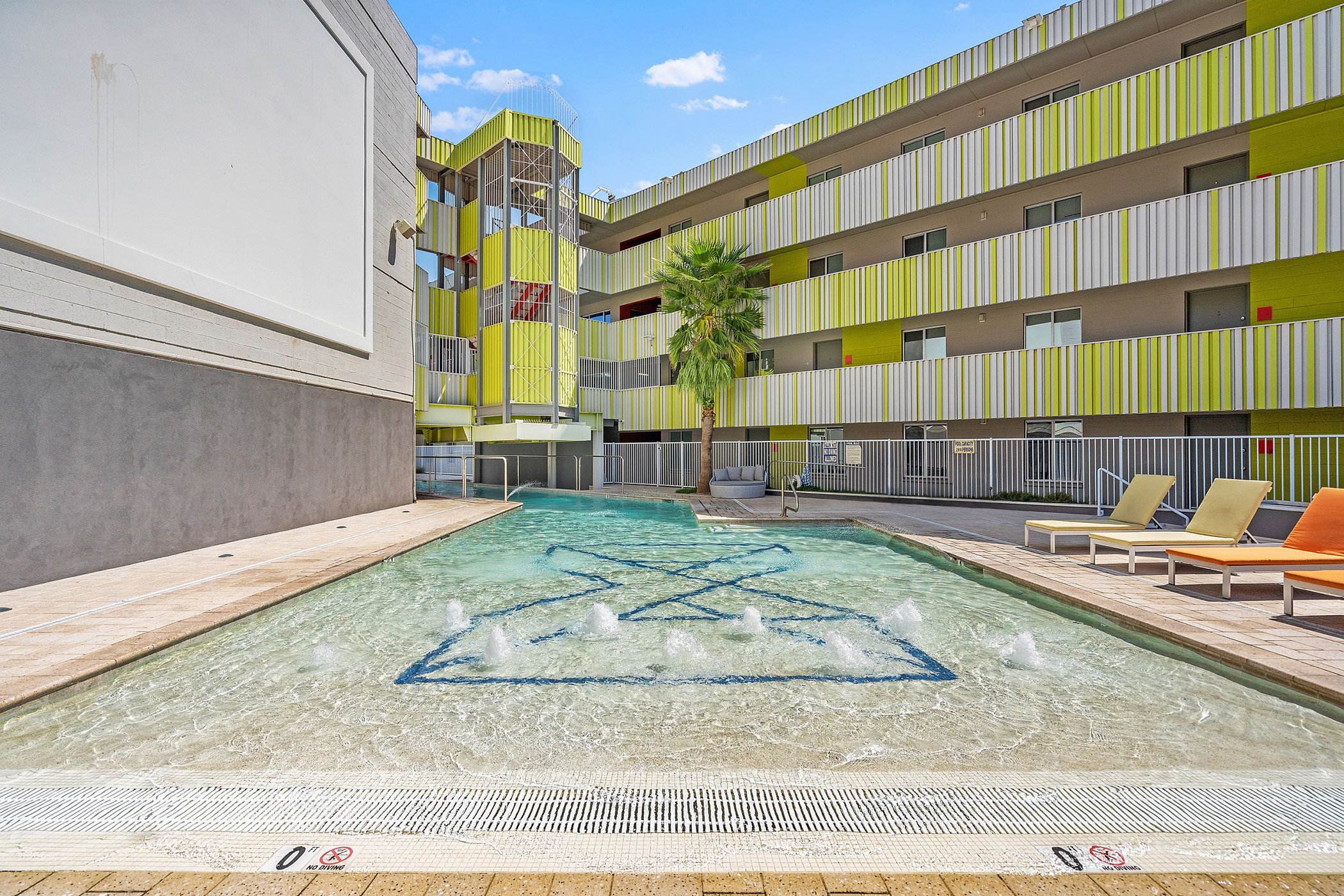
Navigating Arizona State University housing for the 2026 academic year requires a strategic approach, given the institution's multi-campus footprint across the Phoenix metropolitan area. Whether you are an incoming freshman bound for the Tempe campus, an upperclassman eyeing a downtown high-rise, or an international scholar seeking family-friendly accommodations, understanding the inventory, housing rules, and application timelines is essential for securing your ideal living space.
Understanding the ASU Housing Landscape Across Four Campuses
Arizona State University operates on a unique design-model university structure spanning four distinct campuses: Tempe, Downtown Phoenix, Polytechnic, and West Valley. Each campus features tailored residential communities managed by University Housing in collaboration with Student Life. Selecting the right campus community impacts your daily commute, access to major-specific academic resources, and overall campus integration.
- Tempe Campus: The historic and largest hub, featuring traditional residence halls, suite-style complexes, and massive residential colleges like Barrett, The Honors College. It sits adjacent to Mill Avenue, providing instant access to urban amenities and light rail transit.
- Downtown Phoenix Campus: Centered around healthcare, journalism, and public service programs. Housing consists primarily of high-rise urban facilities such as Taylor Place, offering a true metropolitan living experience in the heart of Arizona's capital.
- Polytechnic Campus: Located in Mesa, this campus emphasizes engineering, technology, and business. Residential spaces focus on community-centric, apartment-style living surrounded by desert landscaping and modern maker spaces.
- West Valley Campus: Situated in Glendale, this location offers intimate, neighborhood-style residential halls with a strong liberal arts and educational focus, featuring close-knit faculty and student interactions.
2026 Housing Rates, Room Types, and Financial Planning
ASU housing rates for the 2026 academic year vary significantly depending on room configuration, building age, and amenities. Living on campus includes high-speed Wi-Fi, utilities, air conditioning—a vital necessity for the Arizona climate—and 24/7 security.
| Room Configuration Style | Typical Occupancy | Estimated 2026 Academic Year Cost Range | Target Student Demographic |
|---|---|---|---|
| Traditional Shared Room | Double or Triple | $7,500 - $8,800 per student | First-year undergraduate students |
| Modern Suite-Style | Double or Single bedrooms | $9,000 - $11,500 per student | Upperclassmen and select first-years |
| Barrett Honors College Pods | Single or Double | $10,500 - $13,200 per student | Barrett, The Honors College members |
| Apartment-Style Units | Single bedrooms (2-4 bed units) | $10,000 - $14,000 per student | Upperclassmen and transfer students |
Students must also factor mandatory meal plans into their financial planning. ASU requires most first-year students living on campus to enroll in an unlimited or high-tier meal plan, ranging from $5,500 to $6,800 annually, granting access to dining halls, campus markets, and retail food chains.
Step-by-Step Housing Application Process for 2026
Securing housing at ASU follows a structured, milestone-driven workflow. Missing a priority deadline can shift your housing assignment from a top-choice residence hall to a waitlist status.
- Admission and Deposit: Secure your official admission to Arizona State University and pay your enrollment deposit through your My ASU portal. You must be fully admitted before accessing the housing portal.
- Housing Portal Access: Log into the official housing portal using your ASURITE ID. Review and electronically sign the ASU Housing License Agreement, which is a legally binding contract for the entire academic year.
- Pay the Housing Fee: Submit the non-refundable housing application fee. This step timestamps your application, which is the primary metric used for room selection priority.
- Profile Building and Roommate Matching: Complete your roommate matching profile by detailing sleep schedules, study habits, and cleanliness preferences. Use the university's matching algorithm or search manually for compatible roommates.
- Select Room and Meal Plan: During your designated selection window in late spring, log back in to pick your specific room, bed space, and mandatory meal plan tier.
- Move-In Preparation: Monitor your ASU email throughout the summer for move-in appointment scheduling, parking passes, and packing lists tailored to desert living.
Essential ASU Housing Policy Note
First-Year Housing Requirement: Arizona State University enforces a live-on requirement for incoming first-year undergraduate students. Exceptions are granted primarily for students commuting from the primary residence of a parent or legal guardian within the Phoenix metropolitan area, married students, or veterans. Ensure you submit an exemption request early if you qualify.
Pros and Cons of Living On-Campus Versus Off-Campus
Choosing where to live during your tenure at ASU involves weighing community benefits against financial and lifestyle considerations.
On-Campus Advantages
- Academic Success: Institutional data consistently shows that students living on campus during their first year achieve higher grade point averages and retention rates due to proximity to tutoring centers and study groups.
- Built-In Community: Immediate access to student organizations, intramural sports, community directors, and Residence Hall Association events prevents isolation.
- All-Inclusive Billing: Predictable monthly or semester costs covering rent, high-speed internet, electricity, water, and trash removal without separate utility setup hurdles.
On-Campus Challenges
- Cost: On-campus rates often exceed the cost of splitting an off-campus apartment with multiple roommates.
- Strict Regulations: Compliance with community standards, guest policies, and prohibition of certain appliances can limit personal autonomy.
- Contract Constraints: Breaking a housing license agreement outside of approved university criteria (such as graduation, study abroad, or academic withdrawal) incurs steep financial cancellation fees.
Off-Campus Alternatives
- Value and Space: Off-campus housing in Tempe, Scottsdale, or Mesa often provides larger square footage and private bedrooms for lower relative costs.
- Independence: Greater freedom regarding lease terms, pet policies, and culinary choices without mandatory meal plan enforcement.
- Commuter Logistics: Requires managing a vehicle, paying for campus parking permits, or navigating the Valley Metro Light Rail and bus systems during peak desert heat.
Expert Insider Tips for Navigating ASU Housing
Maximizing your housing experience requires insider knowledge of the system's nuances. Implement these tactical strategies to optimize your living arrangements:
- Prioritize the Timestamp: Because room selection queues are generated strictly by the date and time you complete your housing application and pay your deposit, do not delay these steps upon committing to ASU.
- Invest in Climate Adaptation: Desert summers and early autumns demand reliable cooling. Bring heavy-duty surge protectors, blackout curtains to manage afternoon solar heat, and a personal fan for supplemental airflow.
- Utilize Living-Learning Communities (LLCs): When selecting your hall, look into LLCs specific to your major (e.g., Ira A. Fulton Schools of Engineering communities). Living alongside peers taking the exact same rigorous coursework creates built-in study networks.
- Understand Roommate Mediation: If conflicts arise, do not suffer in silence. ASU employs trained Community Assistants (CAs) and Hall Directors who facilitate roommate success agreements and mediate disputes before they escalate.
Frequently Asked Questions About ASU Housing
Can incoming freshman choose their exact roommates at ASU?
Yes, incoming freshmen can mutually request each other in the housing portal as long as both students have completed their housing applications, paid their deposits, and selected the same campus and residential college community.
Is ASU housing guaranteed for all four years of undergraduate study?
No, university housing is prioritized for incoming first-year students and Barrett, The Honors College members. While upperclassmen can apply for on-campus apartments, availability is limited, prompting many juniors and seniors to transition to off-campus housing near the Tempe or downtown campuses.
What happens if I need to break my housing contract mid-year?
Breaking a housing license agreement requires submitting a contract release request through the housing portal. Approved reasons typically include graduation, studying abroad, an approved academic internship outside the Phoenix area, or complete withdrawal from the university, subject to cancellation fees.
Are residential halls air-conditioned?
Yes, 100% of ASU residential facilities feature centralized, climate-controlled air conditioning, which is a mandatory standard given the extreme summer and early fall temperatures in the Sonoran Desert.
How do meal plans work with dietary restrictions?
ASU Dining accommodates various dietary needs, including vegan, vegetarian, halal, kosher, and gluten-free diets. Registered dietitians are on staff to consult with students individually to map out safe, customized dining options across campus dining halls.
Secure Your Space Today
To begin your housing selection for the upcoming term, log into your My ASU student portal, complete your admissions enrollment steps, and navigate directly to the housing and residential life application portal. Early action ensures the widest selection of room types and campus locations.