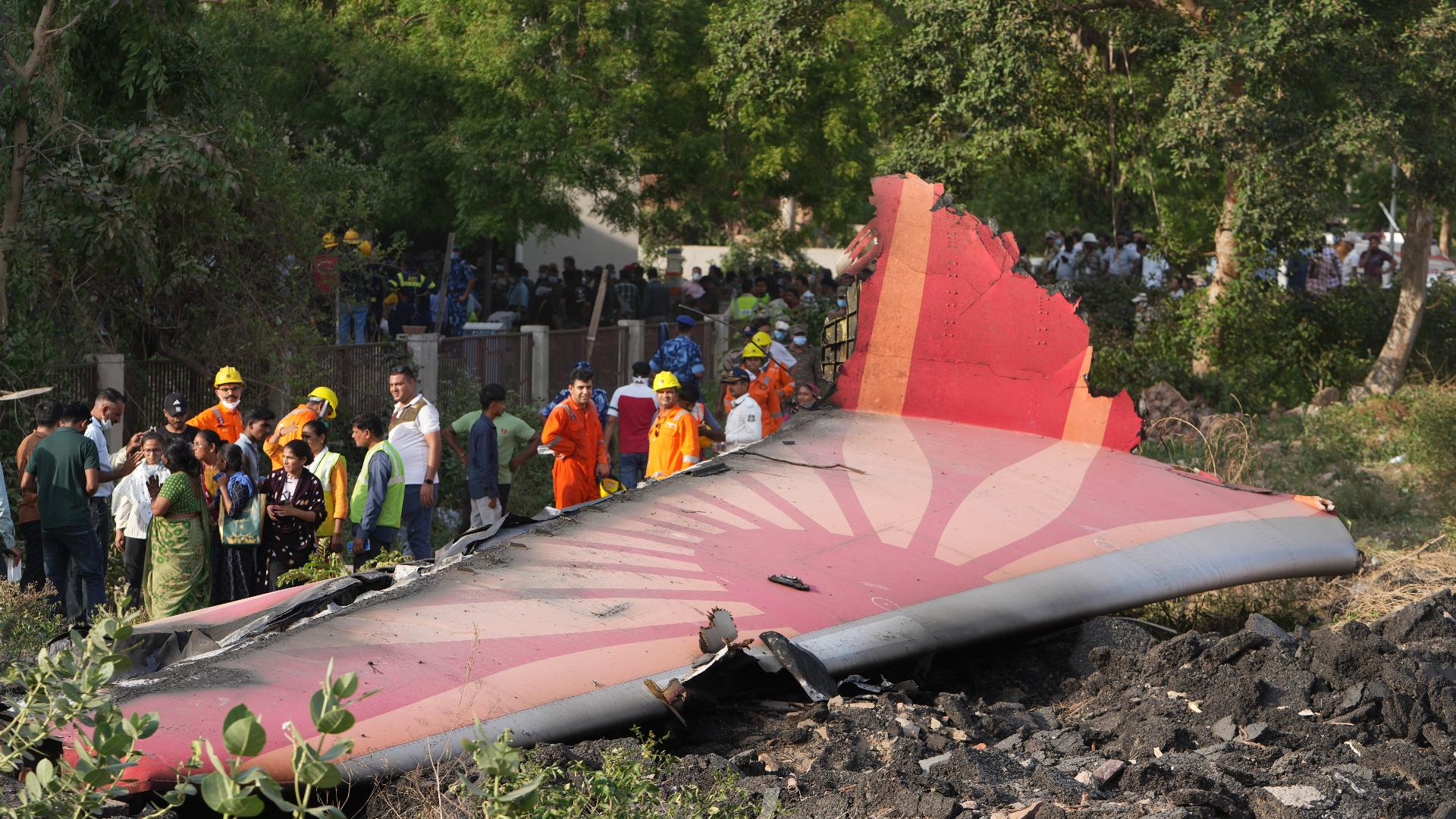
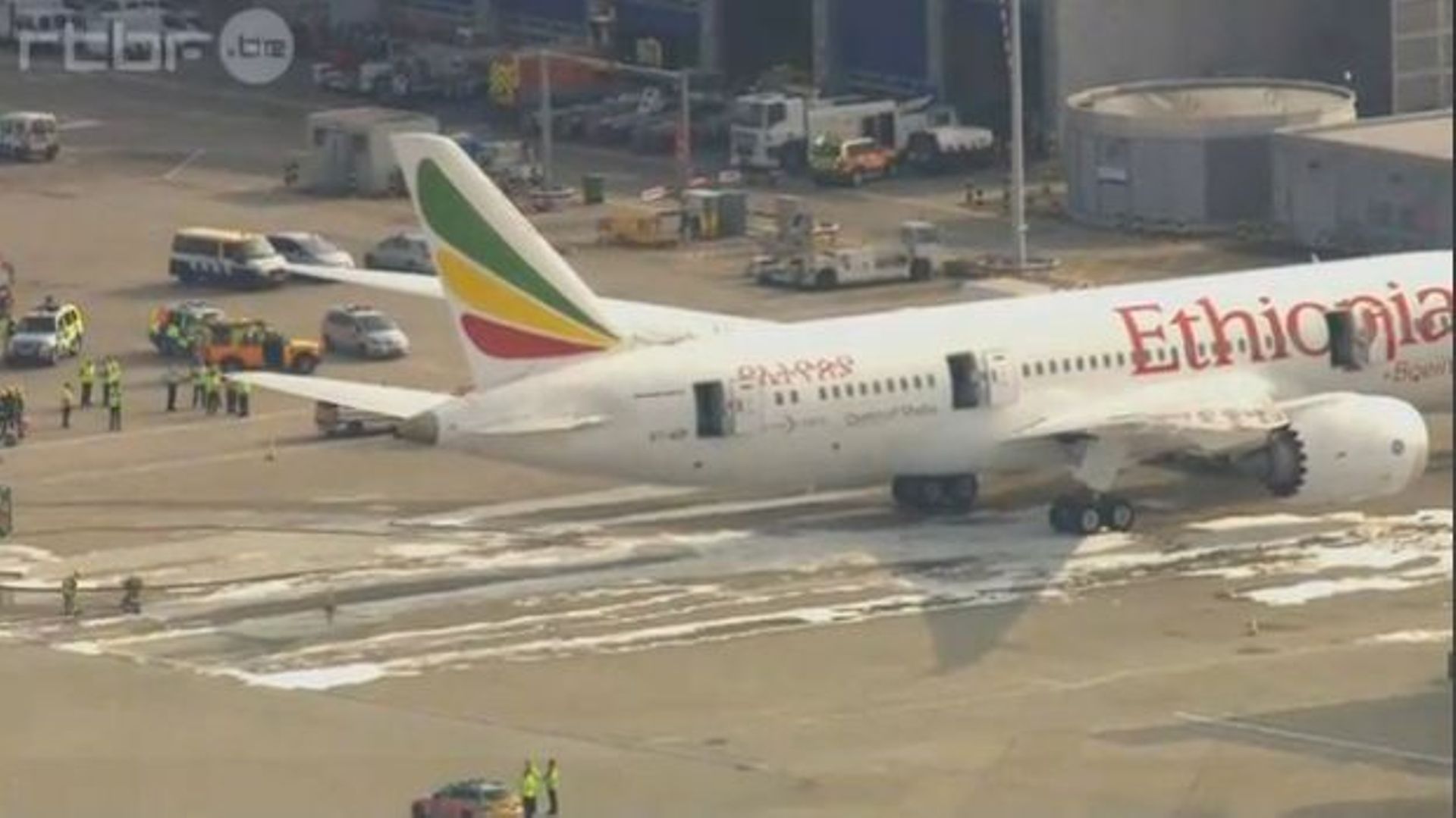
The Boeing 787 Dreamliner has maintained a remarkably strong overall safety record since entering commercial service in 2011, though its operational history includes a series of notable high-profile incidents, manufacturing quality investigations, and regulatory scrutiny involving electrical systems, fuselage assembly tolerances, and flight control software.
The Boeing 787 Dreamliner represents a technological leap in commercial aviation, utilizing composite materials, advanced fly-by-wire flight controls, and highly efficient engines to reshape long-haul travel. However, like any complex aerospace platform, its service history features notable technical anomalies, quality control lapses, and regulatory interventions. Understanding 787 incidents requires a thorough examination of early electrical architecture challenges, subsequent manufacturing quality investigations, and the rigorous oversight applied by global aviation authorities such as the United States Federal Aviation Administration (FAA) and the European Union Aviation Safety Agency (EASA).
Overview of the Boeing 787 Fleet and Safety Philosophy
The Boeing 787 Dreamliner family—comprising the 787-8, 787-9, and 787-10 variants—was designed to offer unprecedented fuel efficiency and passenger comfort. Central to its design philosophy is the extensive use of carbon-fiber-reinforced polymer (CFRP) composites for the fuselage and wings, which allows for higher cabin humidity, larger windows, and lower structural weight.
Despite these engineering advancements, the introduction of novel technologies frequently introduces unforeseen integration challenges. The aircraft relies heavily on more electric architecture (MEA), shifting traditional bleed-air and hydraulic loads to high-power electrical systems. This foundational design shift directly influenced several prominent early incidents, forcing both the manufacturer and regulatory bodies to reevaluate failure modes in high-density lithium-ion battery installations and complex power distribution nodes.
Early Service Challenges and the 2013 Battery Grounding
The most critical period in the history of 787 incidents occurred shortly after the type’s introduction, culminating in a global fleet grounding in January 2013. This unprecedented action followed two separate thermal runaway events involving lithium-ion auxiliary power unit (APU) batteries within a span of two weeks.
The Incidents
On January 7, 2013, a Japan Airlines Boeing 787-8 parked at Boston Logan International Airport experienced a severe battery fire originating in the main electrical compartment, which destroyed the battery housing and caused extensive smoke damage. Just nine days later, on January 16, 2013, an All Nippon Airways (ANA) 787 made an emergency landing in Takamatsu, Japan, after flight deck instruments indicated a battery error and smoke was detected in the cabin, accompanied by a distinct chemical odor.
Investigation and Root Cause Analysis
The U.S. National Transportation Safety Board (NTSB) and the Japan Transport Safety Board (JTSB) launched exhaustive investigations into the thermal runaway events. The inquiries revealed that internal short-circuiting within a single battery cell could trigger an uncontrolled cascading temperature increase, ultimately resulting in venting, smoke, and fire. Investigators noted that the original design and testing protocols did not fully anticipate the propagation characteristics of multi-cell lithium-ion battery failures under extreme operating conditions.
Corrective Actions and Fleet Return to Service
In response, the FAA issued an Emergency Airworthiness Directive grounding all U.S.-registered Boeing 787s, prompting global civil aviation authorities to follow suit. Boeing was required to redesign the battery installation system. The comprehensive fix included:
- Introducing enhanced insulation between individual battery cells.
- Installing a robust stainless-steel containment enclosure designed to vent any smoke and gases directly overboard.
- Improving electronic monitoring systems to detect voltage anomalies and preemptively shut down the battery before a thermal runaway could progress.
Following rigorous flight testing and regulatory validation, the global 787 fleet resumed commercial operations in April 2013.
| Incident / Year | Primary System Involved | Regulatory Response | Resolution |
|---|---|---|---|
| 2013 Battery Events | Electrical / APU Lithium-ion Batteries | Global Fleet Grounding (FAA/JTSB/NTSB) | Redesigned containment, cell insulation, and monitoring. |
| 2019-2024 Fuselage Gaps | Manufacturing Quality / Assembly Tolerances | Enhanced FAA Audits and Delivery Pauses | Stricter inspections, verification of shimming, and production slowdowns. |
| 2024 LATAM Flight 800 | Flight Deck Seating / Electromechanical Switch | Emergency Airworthiness Directives (FAA) | Flight deck seat switch inspections and cap installations. |
Manufacturing Quality and Assembly Investigations
In the years following the battery grounding, the focus of 787 incidents shifted from core engineering design to manufacturing quality assurance, assembly tolerances, and supply chain consistency. These concerns prompted intense oversight by the FAA, particularly regarding structural joins in the composite fuselage.
Structural Gaps and Shim Verification
Beginning around 2020, delivery of newly manufactured Boeing 787s experienced significant interruptions due to identified discrepancies in fuselage manufacturing. Investigations revealed that certain fuselage barrel sections exhibited microscopic gaps exceeding engineering specifications, or lacked proper shimming during the joining process. Because the 787 utilizes massive one-piece composite barrels rather than traditional aluminum sheets riveted to frames, maintaining exact structural tolerances is critical to prevent fatigue and stress concentration.
Regulatory Delivery Stoppages
The FAA exercised stringent oversight, requiring Boeing to inspect hundreds of in-service and undelivered aircraft. This led to prolonged delivery halts spanning multiple years, during which Boeing undertook extensive rework programs. These inspections involved non-destructive testing (NDT) techniques, including ultrasonic and X-ray imaging, to verify skin flatness and structural integrity at major structural join lines.
Operational Incidents and Flight Deck Factors
While major structural failures remain absent from the 787's record, operational incidents continue to provide valuable lessons for airline operators and flight crews. A notable example occurred in March 2024, involving a LATAM Airlines Boeing 787-9 operating flight LA800 between Sydney and Auckland.
The LATAM Flight 800 Event
During the flight, the aircraft experienced a sudden, uncommanded nose-down pitch excursion, causing a rapid loss of altitude that injured dozens of passengers and crew members who were not secured by seatbelts. Preliminary investigations by Chilean civil aviation authorities (DGAC), supported by the NTSB and Boeing, focused on the flight deck environment.
Investigators examined whether inadvertent movement of the motorized captain's seat switch could have pushed the pilot forward against the control yoke, inadvertently commanding the autopilot to disengage and pitch the nose down. While the investigation remains ongoing under international protocols (ICAO Annex 13), the event prompted immediate industry-wide attention.
Immediate Safety Recommendations
In response to the preliminary findings of the LATAM incident, the FAA issued an Emergency Airworthiness Directive (AD 2024-06-51) mandating that operators of Boeing 787 aircraft inspect flight deck crew seats for missing or loose switch cap covers. The directive outlined procedures to disable or temporarily cap the motorized seat back switches to prevent accidental actuation during flight.
Technical Specifications and Redundancy Systems
The resilience of modern widebody aircraft relies on sophisticated redundancy, ensuring that single-point component failures do not compromise overall flight safety. Understanding 787 incidents requires examining the safety systems designed to mitigate technical anomalies.
Flight Control Redundancy
The Boeing 787 utilizes a triplex digital fly-by-wire flight control system supported by secondary analog backups and independent hydraulic architectures. If an anomaly occurs in one channel—such as sensor discrepancies or autopilot disconnects—the system is engineered to isolate the faulty channel, alert the flight crew via the Electronic Flight Instrument System (EFIS), and seamlessly transfer authority to redundant computing channels.
Electrical Generation and Distribution
Following the 2013 battery modifications, the 787 electrical generation system incorporates variable frequency starter generators (VFSGs) driven directly by the engines. These supply high-voltage power to primary distribution centers, which step down power for cabin and avionics use. Multiple independent power sources, including a Ram Air Turbine (RAT) that deploys automatically in the event of total engine failure, ensure that flight-critical avionics and hydraulic pumps maintain continuous power.
Maintenance, Troubleshooting, and Operator Guidance
For airline operators, maintenance engineers, and safety personnel, managing 787 assets requires strict adherence to manufacturer maintenance planning documents (MPD) and FAA airworthiness directives.
Key Maintenance Protocols
- Non-Destructive Testing (NDT): Periodic inspections of composite fuselage joins using advanced ultrasonic scanning to detect internal delamination or fastening anomalies.
- Electrical System Diagnostics: Regular resistance checks and software calibration of power distribution units and battery monitoring systems to prevent thermal anomalies.
- Cabin and Flight Deck Ergonomics: Compliance with mandatory service bulletins regarding seat switch integrity, control column clearance, and cockpit door security.
Troubleshooting Common Fault Codes
When electronic centralization systems report faults, maintenance teams utilize centralized fault display systems (CFDS) to isolate LRUs (Line Replaceable Units). Technicians must strictly follow fault isolation manuals (FIM), avoiding field modifications or unscheduled component substitutions that could invalidate aircraft type certification standards.
Frequently Asked Questions
Is the Boeing 787 Dreamliner safe to fly?
Yes. The Boeing 787 Dreamliner has an extensive commercial service history encompassing millions of flight hours. Regulatory agencies including the FAA, EASA, and global civil aviation authorities continuously monitor the fleet, issuing directives and mandating modifications whenever safety risks are identified.
What caused the 2013 Boeing 787 grounding?
The 2013 grounding was prompted by two separate thermal runaway incidents involving lithium-ion auxiliary power unit batteries. Investigations by the NTSB and JTSB led to redesigned battery housings, enhanced cell insulation, and improved electronic monitoring systems before the fleet returned to service.
How did Boeing resolve fuselage manufacturing gaps?
Boeing instituted comprehensive rework and inspection programs in cooperation with the FAA. These involved using advanced non-destructive testing tools to measure assembly tolerances, verifying correct shimming at structural join lines, and temporarily pausing deliveries until quality standards were fully met.
What immediate actions were taken after the 2024 LATAM flight incident?
Following an uncommanded pitch event on LATAM Flight 800, the FAA issued an Emergency Airworthiness Directive requiring airlines to inspect flight deck seats for loose or missing switch cap covers and to implement procedures preventing inadvertent activation of motorized seat controls.
How do composite materials affect 787 durability?
Composite materials such as carbon-fiber-reinforced polymers provide high strength-to-weight ratios and resistance to corrosion and fatigue cracking compared to traditional aluminum. However, they require specialized inspection techniques, such as ultrasonic NDT, to verify structural integrity following heavy stress or impact events.
Conclusion and Next Actions
The operating history of the Boeing 787 demonstrates the aviation industry's capacity for continuous safety improvement through rigorous investigation, regulatory intervention, and engineering adaptation. For aviation professionals, regulatory compliance officers, and airline operators, maintaining vigilance requires staying informed of active airworthiness directives, adhering strictly to updated maintenance schedules, and implementing recommended structural and ergonomic inspections. Continued transparency between manufacturers, regulators, and operators remains essential to ensuring long-term fleet safety.