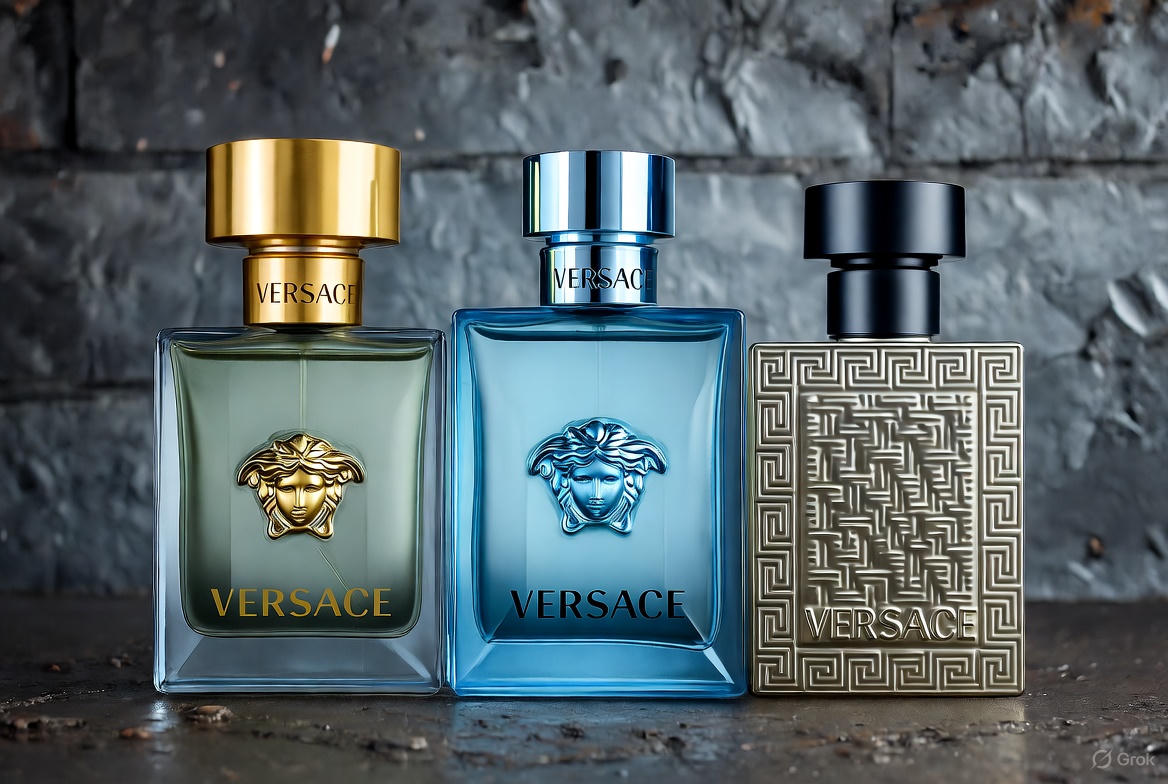
Gianni Versace S.r.l., commonly known as Versace, stands as one of the most iconic symbols of Italian luxury, extravagance, and high-fashion innovation. Founded in 1978 by Gianni Versace alongside his brother Santo and sister Donatella, the brand revolutionized the global fashion landscape by fusing pop culture, classical art, and unbridled glamour. This comprehensive guide explores fifty definitive facts about the house of Versace, covering its historical origins, architectural inspirations, legendary runway moments, corporate evolution, and enduring cultural impact.
Foundations and Origins
The story of Versace began long before the brand's official launch in Milan, shaped by the rich cultural tapestry of Southern Italy and a deep family heritage in tailoring.
- Southern Italian Roots: Founder Gianni Versace was born on December 3, 1946, in Reggio Calabria, Italy. His mother, Francesca, worked as a dressmaker, exposing Gianni to textiles, dressmaking, and fashion design from early childhood.
- The 1978 Debut: Gianni Versace presented his first women's collection under his own name in March 1978 at the Palazzo della Permanente in Milan, marking the official commercial birth of the brand.
- Family-Run Enterprise: From the outset, the business was a true family collaboration. Gianni focused on creative design and artistic direction, his older brother Santo managed the financial and business operations, and their younger sister Donatella served as Gianni’s muse, critic, and eventual creative successor.
- The Medusa Logo: The brand’s unmistakable logo features the head of Medusa, a Gorgon from Greek mythology. Gianni chose Medusa because she represented fatal attraction, beauty, and authority—qualities he wanted his fashion house to project, noting that once people fell in love with Versace, they could not turn away.
- Graeco-Roman Inspiration: Growing up in Calabria, Gianni was constantly surrounded by ancient Greek ruins and artifacts. This early exposure deeply influenced his aesthetic, resulting in frequent use of Greek key motifs (meanders), classical friezes, and baroque flourishes across his designs.
- The First Boutique: The first Versace boutique opened in 1978 on Via della Spiga in Milan, instantly establishing the street as a premier luxury shopping destination.
- The Miami Connection: Beyond Milan, the brand developed a profound affinity for Miami, Florida, culminating in Gianni’s acquisition of the historic Casa Casuarina on Ocean Drive in 1992, which served as his extravagant sanctuary and ultimate design canvas.
Design Philosophy and Aesthetic Innovations
Versace challenged the understated minimalism of the 1990s with unapologetic maximalism, vibrant prints, and groundbreaking textile engineering.
- Metalmesh (Ortonz): In 1982, Versace introduced Auri, a signature lightweight, fluid metallic mesh material that draped like fabric while shimmering like liquid gold. It became a staple for evening gowns and red-carpet garments.
- Baroque and Pop Art Prints: Versace pioneered the digital textile printing of loud, contrasting motifs, combining 18th-century French baroque flourishes with vibrant, Andy Warhol-inspired pop art imagery.
- The Marriage of Art and Fashion: Gianni frequently collaborated with contemporary artists, most notably Andy Warhol, and drew inspiration from Renaissance painters and classical sculpture, treating garments as wearable canvases.
- Bridging Rock and Haute Couture: Versace was among the first luxury houses to consciously bridge the gap between high-fashion couture and rock-and-roll culture, designing tour wardrobes for musicians and incorporating leather, studs, and denim into luxury collections.
- Bold Color Palettes: Eschewing the muted earth tones and strict blacks of traditional Italian tailoring, Versace championed electric blues, hot pinks, sunny yellows, and rich jewel tones.
- Sensuality and Empowerment: Versace’s garments were engineered to celebrate the female form through high slits, corsetry, deep necklines, and bias-cut tailoring that emphasized physical strength and confidence.
- Men’s Fashion Innovation: Gianni elevated men’s runway shows from staid, predictable presentations into theatrical events, experimenting with printed silk shirts, leather trousers, and vibrant tailored suits for men.
The Supermodel Era
Versace is widely credited with inventing the modern "supermodel" phenomenon, transforming runway models from anonymous hangers into global celebrity icons.
- Birth of the Supermodel: In the early 1990s, Gianni bypassed the traditional practice of rotating unknown models, instead booking a select group of rising stars—including Naomi Campbell, Cindy Crawford, Linda Evangelista, and Christy Turlington—and paying them unprecedented fees.
- The Freedom! '90 Moment: At the Autumn/Winter 1991 show, Gianni sent Campbell, Crawford, Evangelista, and Turlington down the runway arm-in-arm, lip-syncing George Michael’s hit song "Freedom! '90." This cultural milestone cemented their status as a unified cultural force.
- Exclusive Romances: The supermodels were fiercely loyal to Versace, often walking exclusively for the house during Milan Fashion Week and appearing in every major advertising campaign photographed by masters like Richard Avedon and Irving Penn.
- The 2018 Milan Reunion: Celebrating the twentieth anniversary of Gianni’s passing, Donatella Versace reunited original supermodels Carla Bruni, Claudia Schiffer, Naomi Campbell, Cindy Crawford, and Helena Christensen for the closing sequence of the Spring/Summer 2018 show, dressed in gold metalmesh gowns.
Pop Culture and Celebrity Endorsements
Versace’s cultural footprint extends far beyond the runway, deeply intertwining with cinema, music, and global superstardom.
- Elizabeth Hurley’s Safety Pin Dress: In 1994, a relatively unknown British actress named Elizabeth Hurley accompanied her then-boyfriend Hugh Grant to the premiere of Four Weddings and a Funeral wearing a black Versace silk dress held together by oversized gold safety pins. The garment instantly became a global media sensation and launched Hurley to international stardom.
- Madonna as Muse: Madonna became the face of Versace multiple times, starting in 1995, cementing a lifelong friendship between the singer and Gianni. Their collaboration fused high fashion with provocative pop music imagery.
- Michael Jackson and Prince: Both music legends relied on Versace for iconic stage costumes, public appearances, and album cover art throughout the 1980s and 1990s.
- Princess Diana: Diana, Princess of Wales, was a close friend of Gianni Versace and famously appeared on the cover of Harper’s Bazaar in 1997 wearing a crisp, pale blue Versace dress, symbolizing her post-royal independence.
- Hip-Hop Culture: Versace was embraced by the hip-hop community in the 1990s, referenced in countless rap lyrics and worn by artists like Tupac Shakur, who famously walked the runway for Versace in Milan in 1996.
- Super Bowl Halftime Show: Jennifer Lopez’s iconic plunging green tropical-print Versace dress worn at the 2000 Grammy Awards generated so many search queries that it directly inspired the creation of Google Images. Nearly two decades later, Lopez walked the runway in an updated version of the dress at Milan Fashion Week.
- Met Gala Dominance: Versace remains a perennial fixture on the Met Gala red carpet, designing custom gowns for A-list celebrities that push the boundaries of themed haute couture.
Tragedy and Transition
The history of the fashion house was forever altered by tragedy in 1997, leading to a profound leadership transition and a new chapter for the brand.
- The Death of Gianni Versace: On July 15, 1997, Gianni Versace was shot and killed outside his Miami mansion, Casa Casuarina, by serial killer Andrew Cunanan. The murder shocked the global fashion community and plunged the company into deep mourning.
- Donatella Takes the Helm: Following Gianni’s tragic death, Donatella Versace assumed the role of Artistic Director, while Santo Versace continued as CEO. Stepping out of her brother's immense shadow, Donatella had to prove her creative vision while maintaining the brand's core DNA.
- The 1998 Comeback Collection: Just three months after Gianni's death, Donatella debuted her first solo ready-to-wear collection in Milan. It received critical acclaim for showing restraint while honoring the house's signature glamour.
- Sale of Casa Casuarina: The family eventually sold the Miami mansion in 2000. It has since operated as a luxury boutique hotel and event space, retaining many of the original custom mosaics and Versace-designed interiors.
- Allegra’s Inheritance: Upon Gianni’s death, his beloved niece Allegra Versace (Donatella’s daughter) inherited a 50 percent stake in the company upon turning eighteen, securing the family's majority ownership for years to come.
Corporate Evolution and Global Expansion
As the fashion industry modernized, Versace transitioned from a strictly family-owned atelier to a globally integrated luxury enterprise.
| Era | Key Business Milestone | Strategic Focus |
|---|---|---|
| 1978–1996 | Foundation & Rapid Growth | Establishing haute couture, ready-to-wear, and global boutiques under Gianni Versace. |
| 1997–2010s | Post-Tragedy Stabilization | Navigating leadership under Donatella Versace; expanding fragrance, home, and hotel lines. |
| 2014 | Blackstone Acquisition | Selling a 20 percent minority stake to private equity firm Blackstone to fund retail expansion. |
| 2018–Present | Capri Holdings Acquisition | Integrating into Capri Holdings (alongside Michael Kors and Jimmy Choo) for multi-brand global scale. |
- Blackstone Investment: In 2014, the private equity firm Blackstone acquired a 20 percent stake in Versace for 210 million euros, valuing the company at over one billion euros and preparing it for broader international expansion.
- Capri Holdings Acquisition: In late 2018, Versace was acquired by Capri Holdings Limited (formerly Michael Kors Holdings) in a deal valued at approximately 1.83 billion euros.
- Retail Footprint: Today, Versace operates hundreds of luxury boutiques worldwide in premier shopping districts such as Fifth Avenue in New York, Via Montenapoleone in Milan, and Bond Street in London.
- Diversification into Hospitality: The brand expanded into luxury hospitality with the development of the Palazzo Versace hotels, launching properties in the Gold Coast of Australia and Dubai, featuring custom Versace furnishings, tableware, and interior design.
- Versace Home: Launched in 1992, the Versace Home collection translates the brand’s opulent textile prints and baroque aesthetics into luxury furniture, porcelain dinnerware, wallpaper, and home accessories.
Perfumes, Cosmetics, and Diffusion Lines
Versace built a vast lifestyle empire spanning fragrances, accessories, and accessible luxury diffusion lines.
- First Fragrance Launch: The house introduced its debut women’s fragrance, Gianni Versace, in 1981. It was followed by legendary scents like Versus, Blonde, and Blue Jeans.
- Bright Crystal and Eros: Modern fragrance blockbusters like Bright Crystal (launched in 2006) and Eros (launched in 2012) remain global top-sellers, generating substantial revenue for the brand's licensing portfolio.
- Versus Versace: Launched in 1989 as a creative laboratory and younger, more avant-garde diffusion line, Versus focused on edgy streetwear, youth culture, and experimental tailoring, often helmed by guest designers like Anthony Vaccarello and M.I.A.
- Eyewear Partnership: Versace holds a long-standing licensing agreement with the Luxottica Group to design, produce, and distribute luxury sunglasses and optical frames characterized by prominent Medusa hardware.
- Watchmaking: Through strategic manufacturing partnerships, Versace produces Swiss-made luxury timepieces featuring iconic brand motifs, including the Greca border and three-dimensional Medusa heads on dials.
Cultural Impact and Sustainability
As the fashion industry enters the mid-2020s, Versace balances its rich heritage of unbridled luxury with modern corporate responsibility and contemporary cultural relevance.
- Fur-Free Policy: In March 2018, Donatella Versace announced that the brand would no longer use real animal fur in its collections, aligning with a broader luxury industry shift toward ethical and sustainable sourcing.
- Archival Revival: The brand frequently taps into its legendary 1990s archives, reissuing classic prints, tailoring silhouettes, and vintage accessories to satisfy surging consumer demand for archival fashion.
- Digital Innovation: Versace embraced digital runways, virtual reality showrooms, and immersive e-commerce experiences to engage younger, digitally native luxury consumers.
- Museum Exhibitions: Gianni and Donatella’s contributions to fashion have been celebrated in major museum retrospectives globally, including exhibitions at the Victoria and Albert Museum in London and the Metropolitan Museum of Art in New York.
- Pop Culture Immortalization: The tragic events of 1997 and the inner workings of the Versace family were dramatized in the acclaimed 2018 television series The Assassination of Gianni Versace: American Crime Story, which won multiple Emmy Awards.
- Philanthropy and AIDS Research: Throughout its history, the Versace family has been a generous supporter of charitable causes, notably funding AIDS research organizations like amfAR and supporting Elton John’s AIDS Foundation.
- LGBTQ+ Advocacy: Long before corporate inclusivity became standard practice, Gianni and Donatella Versace consistently championed LGBTQ+ rights, casting diverse models and celebrating fluid gender expressions on the runway.
- Artistic Collaborations: Versace continues to partner with unexpected contemporary brands and artists—such as the 2021 "Fendace" swap with Fendi—creating buzzy, cross-brand capsule collections that captivate the fashion press.
- Global Workforce: Headquartered in Milan, Italy, Versace employs thousands of artisans, tailors, retail professionals, and corporate strategists dedicated to upholding Italian craftsmanship standards.
- Enduring Legacy: More than four decades after its founding, Versace remains an undisputed titan of luxury, proving that bold maximalism, familial passion, and uncompromising glamour hold a permanent place in the global fashion lexicon.
Frequently Asked Questions
What does the Versace logo mean?
The Versace logo features the head of Medusa from Greek mythology. Gianni Versace chose it because, according to myth, once people fell in love with Medusa, they could not turn away from her. He intended the logo to evoke that same irresistible, fatal attraction to his fashion house.
Is Versace still a family-owned company?
No. While the Versace family owned the company outright for decades—with Donatella Versace serving as Artistic Director and Allegra Versace holding a major ownership stake—the brand was sold to Capri Holdings Limited in late 2018. Donatella Versace remains actively involved as the Chief Creative Officer.
What was Gianni Versace's first major design success?
Gianni's first major commercial success was his March 1978 women's ready-to-wear collection in Milan. However, his breakthrough into global cultural consciousness was fueled by his innovative use of lightweight metalmesh (Auri) in the early 1980s and his pioneering role in creating the supermodel era.
How did Elizabeth Hurley make Versace famous in 1994?
Elizabeth Hurley wore a black Versace silk evening gown held together by oversized gold safety pins to the London premiere of Four Weddings and a Funeral. The daring dress became an instant global media sensation, catapulting both Hurley and the Versace brand into mainstream pop-culture history.
Does Versace use real fur in its collections?
No. Versace officially went fur-free in March 2018. Donatella Versace announced that the brand would no longer source or utilize animal fur in any of its ready-to-wear collections or accessories, reflecting a commitment to ethical luxury.
Next Actions for Fashion Enthusiasts
To deepen your exploration of the house of Versace, consider studying Gianni Versace's original photography books, visiting archival fashion exhibitions when they tour international museums, or exploring the brand's verified historical collections at the Milan headquarters and authorized flagship boutiques worldwide.