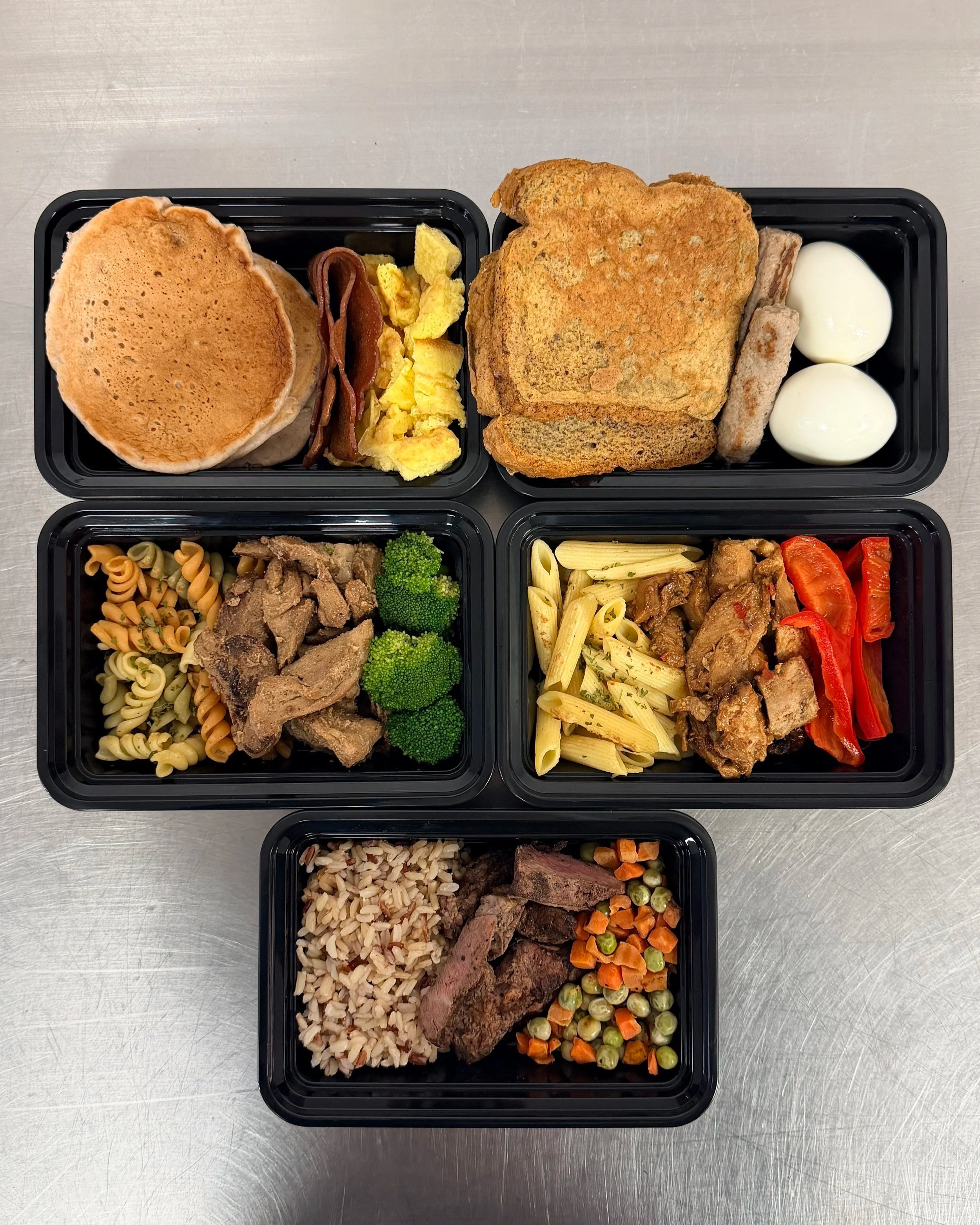
A 5-meal-a-day plan is a nutritional strategy that replaces the traditional "three large meals" approach with five smaller, nutrient-dense eating occasions spaced throughout the day. By consuming food every three to four hours, individuals aim to stabilize blood sugar levels, manage hunger hormones, and maintain consistent energy, though caloric control remains the primary driver of weight management.
The debate between eating three large meals versus five or six smaller ones has persisted for decades. As we navigate the nutritional landscape of 2026, the consensus among dietitians emphasizes that meal frequency is a tool for behavioral management as much as it is a physiological one. For many, the "5-meal" approach provides a structured framework that prevents the metabolic "crashes" associated with long gaps between eating, which often lead to overconsumption during dinner hours.
Understanding the Philosophy of the 5-Meal Structure
The core philosophy of the 5-meal plan is often referred to as "grazing," though a more accurate term is controlled frequent feeding. Unlike mindless snacking, this approach requires intentionality. Each of the five eating occasions is treated as a "mini-meal" that includes a balance of macronutrients—proteins, healthy fats, and complex carbohydrates.
In a traditional three-meal system, the body often experiences significant fluctuations in blood glucose. After a large meal, insulin levels spike to manage the influx of sugar; several hours later, as glucose drops, the body signals hunger, often accompanied by irritability or fatigue. By shifting to five meals, the objective is to flatten these peaks and valleys. This creates a "steady state" environment for the body, which can be particularly beneficial for individuals with active lifestyles or those managing early-stage insulin sensitivity issues.
Furthermore, the 5-meal plan addresses the psychological aspect of dieting. Many people struggle with restrictive diets because the "wait" between meals feels like a test of willpower. Knowing that the next scheduled meal is only three hours away can reduce the anxiety associated with caloric restriction and decrease the likelihood of impulsive eating.
Metabolic Mechanisms: Does Frequency Actually Boost Metabolism?
One of the most persistent claims regarding the 5-meal plan is that it "speeds up" the metabolism. To understand this, we must look at the Thermic Effect of Food (TEF). TEF is the energy expenditure required to process and store the nutrients we consume. While it is true that eating triggers TEF, the total energy burned is generally proportional to the total caloric and protein intake, rather than the frequency of meals.
However, the 5-meal plan offers distinct metabolic advantages in other areas:
- Muscle Protein Synthesis (MPS): For those focused on muscle maintenance or growth, protein timing is critical. The body can only utilize a certain amount of protein for MPS at one time (typically 20–40 grams depending on the individual). By spreading protein intake across five meals, you provide a consistent supply of amino acids to the muscles, maximizing the "anabolic windows" throughout the day.
- Hormonal Regulation: Frequent feeding influences ghrelin (the hunger hormone) and leptin (the satiety hormone). Consistent intake can keep ghrelin levels from skyrocketing, which prevents the "emergency hunger" that leads to choosing high-calorie, low-nutrient convenience foods.
- Cortisol Management: Long periods of fasting can be perceived by the body as a stressor, potentially increasing cortisol levels. In some individuals, elevated cortisol is linked to increased abdominal fat storage. Frequent meals can help maintain a more stable internal environment.
Designing a Balanced 5-Meal Schedule
Implementing a 5-meal-a-day plan requires more than just splitting your current dinner in half. It requires a redistribution of your Total Daily Energy Expenditure (TDEE). If your daily caloric goal is 2,000 calories, each meal should average approximately 400 calories. Alternatively, many prefer a "3-2" split: three meals of 500 calories and two snacks of 250 calories.
Recommended Timing and Composition
A typical 2026 schedule for a standard workday might look like this:
- 07:30 – Meal 1 (Breakfast): Focus on high fiber and protein to break the overnight fast. Example: Scrambled egg whites with spinach and a side of steel-cut oats.
- 10:30 – Meal 2 (Mid-morning Mini-meal): Focus on healthy fats and micronutrients. Example: Greek yogurt with a handful of walnuts and blueberries.
- 13:30 – Meal 3 (Lunch): A balanced meal with lean protein and complex carbohydrates. Example: Grilled chicken breast with quinoa and roasted vegetables.
- 16:30 – Meal 4 (Afternoon Energy Boost): A lighter meal to bridge the gap to dinner. Example: An apple with almond butter or a small protein shake.
- 19:30 – Meal 5 (Dinner): Focus on lean protein and high-volume, low-calorie vegetables to ensure satiety before sleep. Example: Baked salmon with a large serving of steamed broccoli and cauliflower.
Comparison of Common Eating Patterns
Choosing the right meal frequency depends on your goals, schedule, and medical history. Below is a comparison of the 5-meal plan against other popular strategies.
| Feature | 5-Meal-a-Day Plan | Traditional 3 Meals | Intermittent Fasting (16:8) |
|---|---|---|---|
| Primary Focus | Blood sugar stability | Convenience & Tradition | Insulin sensitivity & Autophagy |
| Hunger Management | Constant satiety | Moderate gaps | High during fasting window |
| Muscle Preservation | High (constant protein) | Moderate | Moderate to High (with timing) |
| Difficulty Level | High (requires prep) | Low | Moderate (requires discipline) |
| Energy Levels | Stable / Consistent | Fluctuating | High (once adapted) |
| Best For | Athletes, "Hangry" eaters | General population | Weight loss, busy professionals |
Logistics and Meal Prep: The Key to Success
The most significant barrier to the 5-meal plan is the logistical challenge. Preparing five distinct meals can be time-consuming. To succeed, one must adopt a "batch-cooking" mindset.
Strategic Prep Tips:
- Standardize Portions: Use uniform containers to ensure each "mini-meal" is visually and calorically consistent.
- The "Proteins First" Rule: Cook large batches of chicken, tofu, or lean beef at the start of the week. These can be easily divided into five portions per day.
- Portable Options: At least two of your five meals should be "grab-and-go" friendly. Items like hard-boiled eggs, pre-cut vegetables with hummus, or overnight oats are essential for the mid-morning and afternoon slots.
- Hydration Integration: Use the intervals between your five meals to focus on water intake. Often, the body confuses thirst with hunger. Drinking 16 ounces of water between Meal 2 and Meal 3 can help confirm true satiety.
Potential Drawbacks and Considerations
While the 5-meal plan is highly effective for many, it is not a universal solution. One major risk is caloric creep. If each of the five meals is slightly too large, it is easy to exceed daily caloric needs. Five 600-calorie meals equal 3,000 calories—a surplus for most sedentary adults.
Another consideration is the digestive system's rest period. Some researchers argue that the "Migrating Motor Complex" (MMC), which acts as a "housekeeper" for the small intestine, needs periods of fasting (3–4 hours) to function optimally. Constantly eating may interfere with this process in some individuals, potentially leading to bloating or digestive discomfort.
Furthermore, for individuals with severe Type 2 diabetes or advanced metabolic syndrome, constant insulin stimulation—even from healthy meals—might not be as beneficial as the periods of low insulin provided by Intermittent Fasting. It is essential to consult with a healthcare provider before shifting to a high-frequency eating schedule if you have underlying metabolic conditions.
Troubleshooting Common Issues
"I'm still hungry after a mini-meal." This usually occurs if the meal is too high in simple carbohydrates. Ensure every meal has at least 20 grams of protein and a source of fiber. Fiber slows gastric emptying, keeping you full longer.
"I don't have time to eat five times at work." If a full meal isn't possible, a liquid meal (protein shake with blended greens) can count as one of your five. The goal is the nutrient timing, not necessarily a "sit-down" experience every time.
"I feel bloated." You may be consuming too much fiber too quickly or not drinking enough water. When increasing meal frequency, ensure your water intake scales accordingly to help the digestive tract process the constant load.
The Role of 5 Meals in 2026 Sports Nutrition
In 2026, the use of 5-meal protocols is standard among endurance athletes and bodybuilders. For these groups, the 5-meal plan isn't just about weight management; it's about glycogen replenishment. Athletes training multiple times a day require a constant influx of carbohydrates to keep muscle glycogen stores topped off.
A 5-meal structure allows for "nutrient partitioning," where carbohydrates are centered around the workout window (Meal 2 and Meal 3, for example), while the remaining meals focus on recovery and fats. This level of precision is difficult to achieve with only three eating opportunities.
Frequently Asked Questions
Does the 5-meal plan help with weight loss?
Weight loss is fundamentally determined by a caloric deficit. The 5-meal plan helps weight loss indirectly by preventing extreme hunger, which often leads to binging. If you consume fewer total calories across five meals than you would in three large ones, you will lose weight.
Can I drink coffee between these meals?
Yes, black coffee or tea generally does not interfere with the 5-meal plan's objectives. However, be cautious with high-calorie creamers and sugars, as these can turn a "zero-calorie" gap into an unplanned sixth meal, disrupting your caloric targets.
Is it okay to skip one of the five meals if I'm not hungry?
While occasional skipping is fine, the goal of the plan is consistency. If you find yourself consistently not hungry for one of the meals, your portions for the other meals may be too large, or the timing may need adjustment.
Should I eat five meals on weekends too?
For best results in habit formation and blood sugar stability, consistency is key. Drastic changes to eating patterns on weekends can lead to "metabolic jet lag," making it harder to return to the routine on Monday.
What if I work night shifts?
The 5-meal plan is highly adaptable to shift work. Simply shift the "Breakfast" (Meal 1) to whenever you wake up and space the subsequent four meals 3–4 hours apart. The biological clock (circadian rhythm) prefers consistency over specific "clock times."
Practical Recommendation for Getting Started
If you are currently eating three meals a day, do not switch to five overnight. Start by introducing a structured afternoon snack between lunch and dinner. Once that feels routine, divide your breakfast into two smaller portions eaten three hours apart.
Monitor your energy levels and hunger for two weeks. Use a tracking app to ensure your total calories haven't increased despite the increased frequency. The 5-meal plan is most effective when it feels like a sustainable lifestyle change rather than a restrictive "diet." Focus on whole foods, lean proteins, and consistent timing to unlock the full metabolic benefits of this approach.