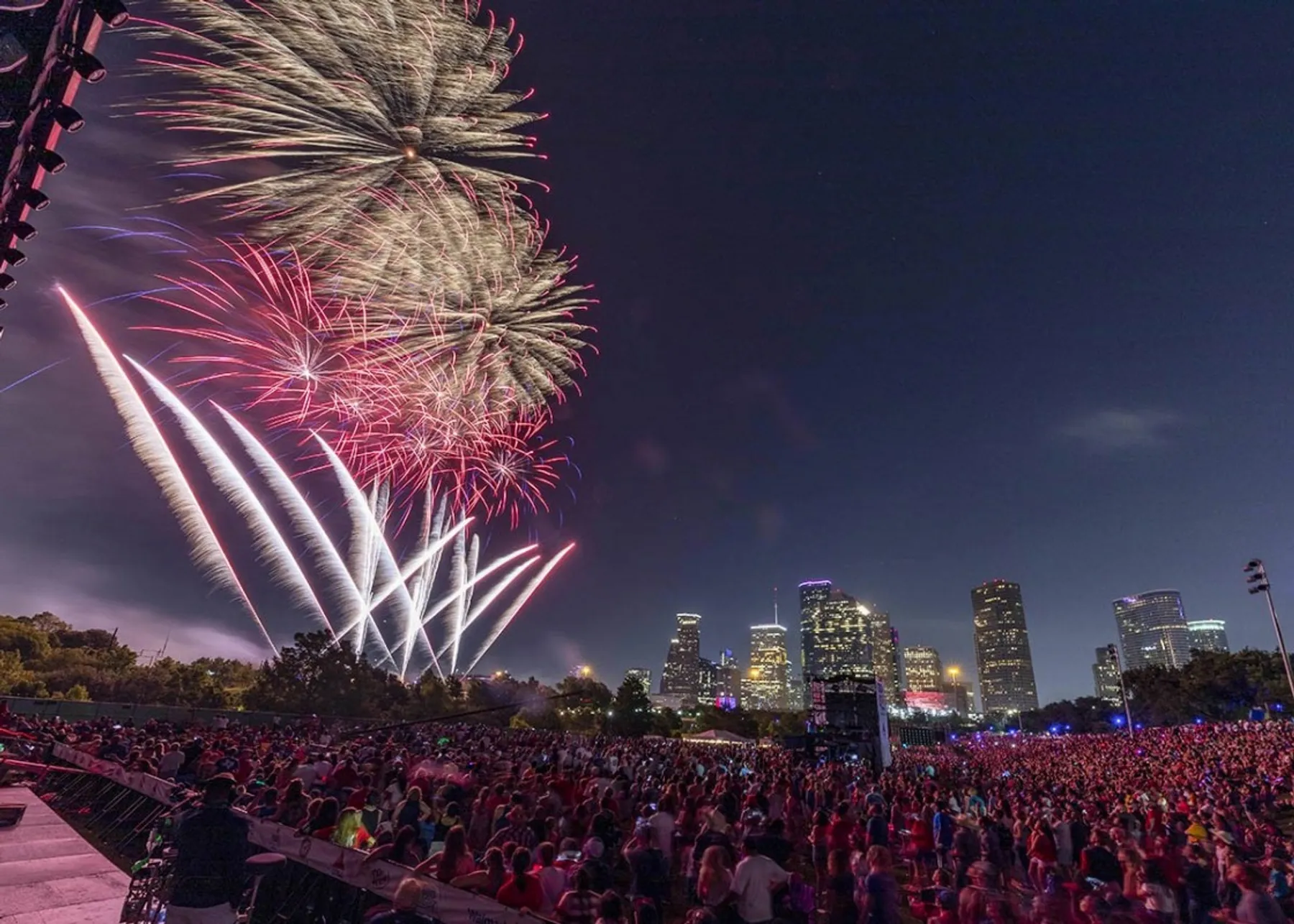
The 4th of July brings communities together across the United States through backyard barbecues, patriotic home decor, and public fireworks displays, requiring careful planning around menu creation, safety regulations, and festive hosting essentials.
Understanding the Spirit of Independence Day
The 4th of July, or Independence Day, marks the adoption of the Declaration of Independence on July 4, 1776, establishing the United States of America. Modern celebrations combine historical reflection with summer festivities, parades, and family gatherings. Observing this holiday successfully involves balancing traditional customs with modern entertaining practices, ensuring that food, decor, and entertainment align for a memorable holiday experience.
Planning a seamless 4th of July celebration requires understanding the logistical elements that make outdoor gatherings successful. From sourcing locally grown seasonal produce for the menu to verifying municipal fire codes for pyrotechnics, preparation is the key to managing a safe and enjoyable event. Whether hosting a small family dinner or a neighborhood block party, organizing your schedule weeks in advance prevents last-minute stress.
Festive Recipes for a Patriotic Menu
Food serves as the centerpiece of American Independence Day celebrations. Traditional menus lean heavily into classic summer comfort foods, featuring grilled proteins, fresh sides, and red, white, and blue desserts.
The Ultimate Backyard Barbecue Menu
A classic American menu typically centers on grilled meats and plant-based alternatives. Burgers, hot dogs, and barbecue ribs remain staples, but contemporary gatherings often feature grilled corn on the cob, marinated chicken skewers, and portobello mushrooms.
- Main Courses: Smoked brisket, classic beef cheeseburgers, grilled bratwurst, and barbecue chicken thighs glazed in regional sauces (such as Kansas City sweet or Carolina vinegar).
- Side Dishes: Creamy coleslaw, potato salad with fresh herbs, watermelon and feta salad, and baked beans flavored with bacon or molasses.
- Beverages: Sweet iced tea, lemonade infused with fresh berries, and chilled sparkling water with patriotic fruit garnishes.
Red, White, and Blue Desserts
Desserts provide an opportunity to incorporate the national colors visually. Bakers frequently utilize fresh summer berries to achieve the iconic palette without relying heavily on artificial food dyes.
- Berry Trifle: Layers of angel food cake, vanilla pastry cream, fresh blueberries, and sliced strawberries served in a clear glass bowl.
- Flag Sheet Cake: A standard vanilla or lemon sheet cake frosted with white buttercream, featuring a corner square of blueberries dotted with white star sprinkles and rows of sliced strawberries forming the stripes.
- Fruit Skewers: Alternating chunks of watermelon, banana, and blueberries on wooden skewers for a portable, refreshing treat.
Creative Decor Ideas for Independence Day
Transforming your home and outdoor living space for Independence Day involves utilizing classic Americana motifs, color schemes, and durable materials that withstand July weather conditions.
Porch and Patio Styling
The front porch is the primary welcoming point for guests and neighbors. Decorating this area sets an immediate festive tone.
- Bunting and Banners: Hang pleated fabric bunting featuring the stars and stripes along porch railings, fence lines, and deck perimeters.
- Patriotic Wreaths: Craft or purchase wreaths made from burlap, miniature flags, wooden stars, or dried twigs spray-painted in red, white, and blue.
- Seating Accents: Add outdoor throw pillows and cushions in navy blue and white patterns, complemented by solid red throws for evening comfort.
Table Settings and Centerpieces
Dining tables outdoors should be both functional and visually striking, using items that are easy to clean and resistant to light summer breezes.
| Element | Traditional Style | Modern Rustic Style | Low-Maintenance Option |
|---|---|---|---|
| Tablecloth | Gingham red and white check | Burlap runner on natural wood | Heavy-duty vinyl patriotic print |
| Centerpiece | Mason jars filled with flags | Wildflowers in galvanized buckets | Potted red geraniums or petunias |
| Dinnerware | Melamine plates with star motifs | Enamelware plates and cups | Heavy-duty compostable paper goods |
| Lighting | White string lights overhead | Beeswax taper candles in lanterns | Battery-operated LED pillar candles |
Navigating Fireworks Safely and Legally
Fireworks represent a defining element of Independence Day celebrations, but they carry significant safety risks and strict legal regulations. Understanding local laws and safety protocols protects both your guests and your property.
Legal Considerations and Regulations
Fireworks laws vary widely by state, county, and municipality. Some regions permit all consumer fireworks (such as sparklers, fountains, and aerial shells), while others ban everything except ground-based sparklers or prohibit private use entirely, relying solely on professional public displays.
- Check Local Ordinances: Consult your local municipal or fire department website before purchasing fireworks to verify what is legal in your specific zip code.
- Neighborhood Rules: Review Homeowners Association (HOA) bylaws, as many communities enforce strict bans on pyrotechnics due to fire hazards in dry summer conditions.
Essential Safety Protocols
When consumer fireworks are legally permitted and chosen for your celebration, adhering to strict safety guidelines prevents injuries and property damage.
- Designate a Shooter: Appoint one sober adult to handle the lighting of all fireworks. Never allow children to handle or light fireworks, including sparklers, which burn at temperatures exceeding 1,000 degrees Fahrenheit.
- Keep Water Nearby: Always keep a garden hose, a bucket of water, and a fire extinguisher close to the launch area.
- Clear the Area: Set up fireworks on a flat, paved surface away from houses, dry brush, trees, and flammable materials.
- Dispose Properly: Allow used fireworks to sit overnight, or soak them thoroughly in a bucket of water before placing them in a metal trash can.
Frequently Asked Questions
What are the best ways to keep food safe during an outdoor 4th of July party?
Keep perishable items, such as potato salad, mayonnaise-based dressings, and raw meats, in coolers with ice until immediately before serving. Perishable food should not sit at outdoor temperatures above 90°F for more than one hour, or two hours at cooler temperatures. Use separate cutting boards and utensils for raw and cooked meats to prevent cross-contamination.
Are sparklers safe for children to hold?
No. Despite traditional perceptions, sparklers burn at extremely high temperatures and are responsible for a large percentage of emergency room injuries among children on the 4th of July. Safe alternatives for younger children include glow sticks, confetti poppers, and noise-makers.
How can I make my 4th of July celebration eco-friendly?
Minimize environmental impact by avoiding single-use plastics. Opt for reusable melamine or heavy-duty bamboo plates and utensils. When purchasing fireworks, look for low-smoke or biodegradable options, and ensure all packaging and debris are thoroughly cleaned up and recycled or disposed of properly after the event.
What should I do if local laws prohibit private fireworks?
Many communities offer spectacular public fireworks shows hosted by city parks, local stadiums, or community organizations. Plan a tailgate picnic or secure a spot at a local viewing park. Enhance the experience at home by utilizing festive lighting, projection displays, and glow-in-the-dark novelties.
Summary of Next Actions
To execute a successful 4th of July celebration, begin your preparations at least two weeks in advance. Verify local fire regulations regarding pyrotechnics, finalize your guest list, and map out your menu shopping list. Source durable outdoor decor, check your seating arrangements, and prepare a weather contingency plan to ensure a safe, festive, and memorable holiday for family and friends.