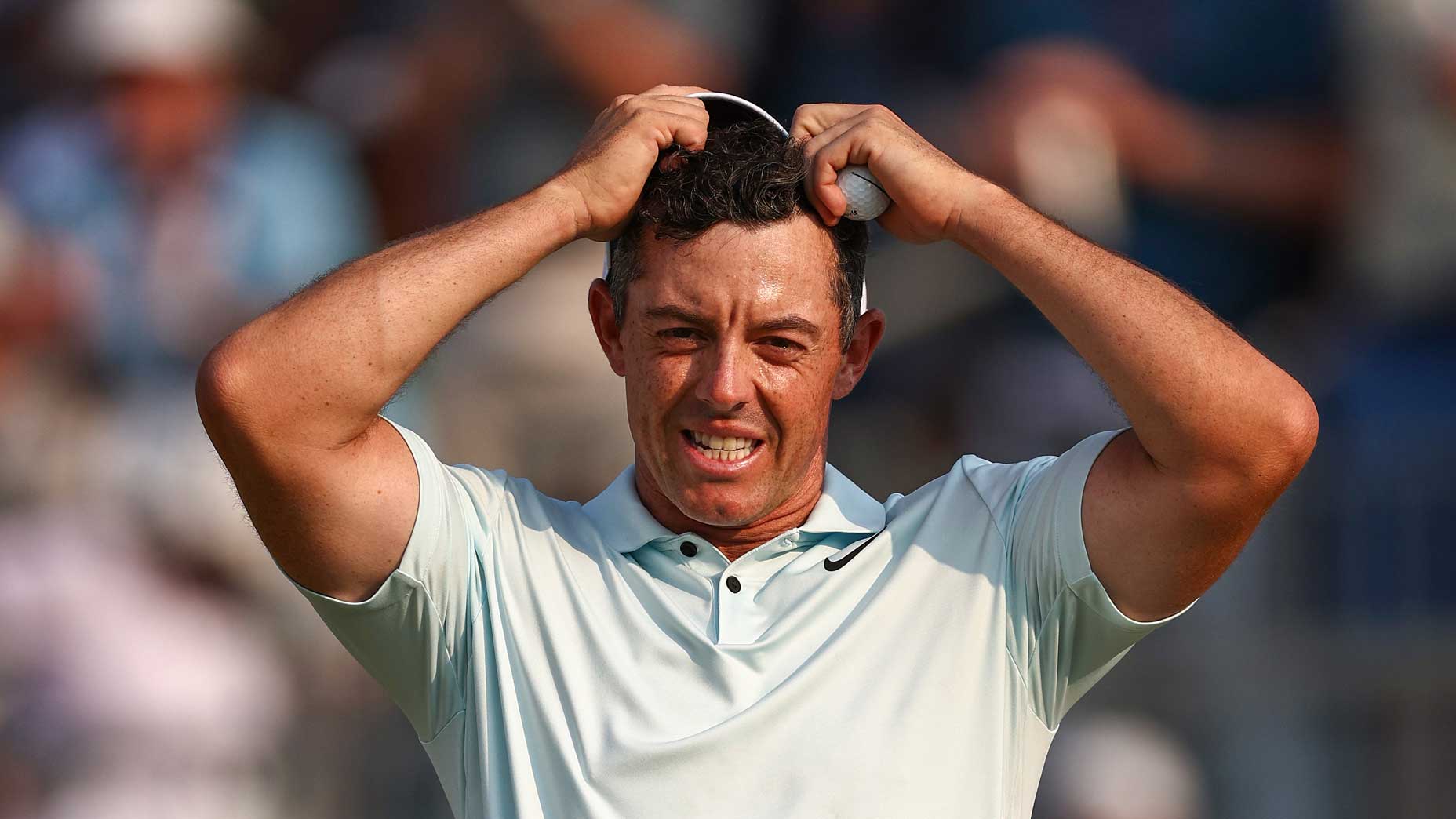
The 2024 U.S. Open at Pinehurst No. 2 delivered a thrilling, dramatic conclusion as Bryson DeChambeau secured his second major championship by one stroke over Rory McIlroy, finishing with a 6-under-par total after a masterclass in resilient scrambling and clutch putting under intense pressure.
Introduction to the 2024 U.S. Open at Pinehurst No. 2
The United States Golf Association (USGA) stages its premier championship annually across some of the most demanding golf courses in the world, but few venues match the historical significance and architectural cruelty of Pinehurst No. 2 in North Carolina. Designed by Donald Ross and restored by Bill Coore and Ben Crenshaw, the course is celebrated for its distinctive turtleback greens, native wiregrass, and treacherous sandy waste areas.
When the championship returned to Pinehurst in June 2024, the golfing world anticipated a stern test of patience, precision, and mental fortitude. The tournament delivered on every front, serving up a Sunday afternoon leaderboard packed with major champions, elite ball-strikers, and a championship climax that kept millions of viewers gripped until the final putt dropped on the 18th green.
Understanding what transpired during that dramatic week requires more than just looking at the final leaderboard. It demands an examination of the course setup, the shifting momentum across four grueling rounds, the key moments of brilliance and collapse, and the tactical mastery required to conquer one of golf's most unforgiving arenas.
Course Setup and Strategic Demands of Pinehurst No. 2
Pinehurst No. 2 presents a unique architectural challenge that fundamentally alters how elite professionals approach a major championship. Unlike lush, receptive parkland courses where players can aggressively target flags, Pinehurst penalizes any deviation from precise landing areas with extreme prejudice.
The Wiregrass and Sandy Runoffs
The most prominent visual and strategic feature of the 2024 setup was the removal of traditional primary rough in favor of native wiregrass, pine straw, and sandy expanses. Players who missed the fairway did not find a predictable lie in thick Kentucky bluegrass; instead, they faced awkward stances on sandy soil, interference from wiregrass clumps, and unpredictable recovery shots.
- Fairway Widths: Maintained at challenging widths to punish errant driving.
- Runoff Areas: Dominated by shaved slopes surrounding the turtleback greens, causing poorly struck approach shots to shed 30, 40, or even 50 yards away from the putting surfaces.
- Putting Surfaces: Elevated and crowned, requiring pinpoint distance control to prevent balls from rolling off the green entirely.
These design elements placed a premium on course management. Aggressive play without precise execution was heavily penalized, forcing players to weigh risk and reward on nearly every hole.
The Contenders: Who Entered the Fray?
The 2024 field featured the world's best players from the PGA Tour and LIV Golf, setting up a unified major championship showcase. Pre-tournament favorites included Scottie Scheffler, who arrived in blazing form following multiple victories; Rory McIlroy, seeking to end a decade-long major drought; and Bryson DeChambeau, whose prodigious length and evolving short game made him a formidable threat on any layout.
As the tournament progressed into the weekend, the leaderboard compressed, separating the players capable of handling Pinehurst's psychological pressure from those who unraveled. The battle lines were drawn between players who favored aggressive driving and those who relied on meticulous iron play and scrambling.
Round-by-Round Breakdown and Scoring Evolution
Opening Rounds: Establishing the Baseline
During the opening two rounds, the firm and fast conditions immediately separated the field. Scoring under par was a rare commodity, requiring absolute discipline.
Bryson DeChambeau signaled his intent early, displaying a combination of awe-inspiring driving distance and a drastically improved short game that allowed him to save par from seemingly impossible positions. Meanwhile, Rory McIlroy quietly and efficiently navigated the course, utilizing his exceptional ball-striking to stay near the top of the leaderboard without courting unnecessary danger.
Moving Day: The Pressure Mounts
Saturday's third round traditionally defines a U.S. Open, and Pinehurst No. 2 lived up to that reputation. Pin positions tucked near the edges of the crowned greens demanded flawless trajectory control.
DeChambeau seized control of the tournament on Saturday, playing with immense power and crowd-pleasing charisma. His ability to overpower certain holes while maintaining a delicate touch around the greens allowed him to build a multi-stroke lead heading into Sunday, though a talented chasing pack, led by McIlroy, remained within striking distance.
Sunday Drama: The Final Round Showdown
The final round of the 2024 U.S. Open will be remembered as one of the most compelling conclusions in modern major championship history. The narrative oscillated dramatically over the final nine holes as the pressure of a national championship exposed vulnerabilities in even the most seasoned competitors.
The Turning Points
As DeChambeau navigated the back nine, a series of uncharacteristic mistakes opened the door for McIlroy, who mounted a magnificent charge with crucial birdies.
- McIlroy’s Surge: McIlroy captured the lead late in the round through precise iron shots and clutch putting, putting immense pressure on DeChambeau as the championship reached its twilight.
- Late Mistake: With the tournament hanging in the balance, McIlroy missed two short par putts on the 16th and 18th holes, opening the door for DeChambeau to reclaim the advantage.
- The Winning Shot: Standing over his ball in a sandy bunker left of the 18th fairway, facing a precarious stance and a difficult lie, DeChambeau executed one of the defining bunker shots in U.S. Open history, leaving himself a makeable length for par to seal the victory.
Final Leaderboard Summary
| Position | Player | Score To Par | Total Strokes |
|---|---|---|---|
| 1 | Bryson DeChambeau | -6 | 274 |
| 2 (T) | Rory McIlroy | -5 | 275 |
| 2 (T) | Patrick Cantlay | -5 | 275 |
| 4 | Tony Finau | -3 | 277 |
| 5 (T) | Matthieu Pavon | -2 | 278 |
| 5 (T) | Xander Schauffele | -2 | 278 |
This table illustrates the tight margins at the top, where a single stroke separated the champion from the runners-up, highlighting the razor-thin line between victory and defeat at Pinehurst.
Key Highlights and Statistical Takeaways
Analyzing the statistics from the 2024 U.S. Open reveals how the championship was won and lost. While driving distance remains DeChambeau's primary weapon, his performance statistics demonstrate that his short game was the true catalyst for victory.
Strokes Gained: Around-the-Green
Pinehurst's shaved slopes placed an extraordinary emphasis on scrambling. DeChambeau ranked near the top of the field in scrambling percentage, successfully turning potential bogeys into momentum-saving pars. His work with his lob wedge and putter under pressure exemplified modern major championship preparation.
Driving Accuracy Versus Distance
While many traditionalists argue that U.S. Open courses require players to sacrifice distance for accuracy, DeChambeau proved that carrying the ball over hazards and utilizing calculated aggressive lines could yield significant scoring advantages—provided the recovery skills matched the audacity of the drive.
Frequently Asked Questions
Who won the 2024 U.S. Open golf tournament?
Bryson DeChambeau won the 2024 U.S. Open at Pinehurst No. 2, finishing with a 72-hole total of 6-under-par (274) to capture his second career major championship title.
What was the margin of victory at the 2024 U.S. Open?
Bryson DeChambeau won by a single stroke, defeating runner-up Rory McIlroy and co-runner-up Patrick Cantlay, who both finished at 5-under-par.
Where was the 2024 U.S. Open played?
The tournament was contested at Pinehurst Resort and Country Club (Course No. 2) in Pinehurst, North Carolina, a historic venue renowned for its Donald Ross design and turtleback greens.
How did Bryson DeChambeau secure victory on the 18th hole?
On the final hole of regulation, DeChambeau hit his tee shot into a difficult sandy waste area left of the fairway. He executed a brilliant bunker shot to approximately four feet and successfully holed the putt to secure a par and the championship.
What made the Pinehurst No. 2 course setup so difficult in 2024?
The course featured firm and fast fairways, native wiregrass instead of thick primary rough, and severe runoff areas surrounding crowned, turtleback greens, placing an extreme premium on precision and short-game execution.
Practical Next Actions for Golf Enthusiasts
For fans inspired by the drama of the 2024 U.S. Open, translating those lessons to your own game involves focusing on the fundamentals that triumphed at Pinehurst:
- Prioritize Course Management: Study how elite players manage miss locations, avoiding high-risk areas when out of position.
- Practice Escaping Trouble: Spend time mastering recovery shots from tight lies, sand, and awkward stances rather than relying solely on pristine fairway practice.
- Refine Distance Control: Focus on lag putting and chipping to mitigate the damage of missed greens on demanding courses.