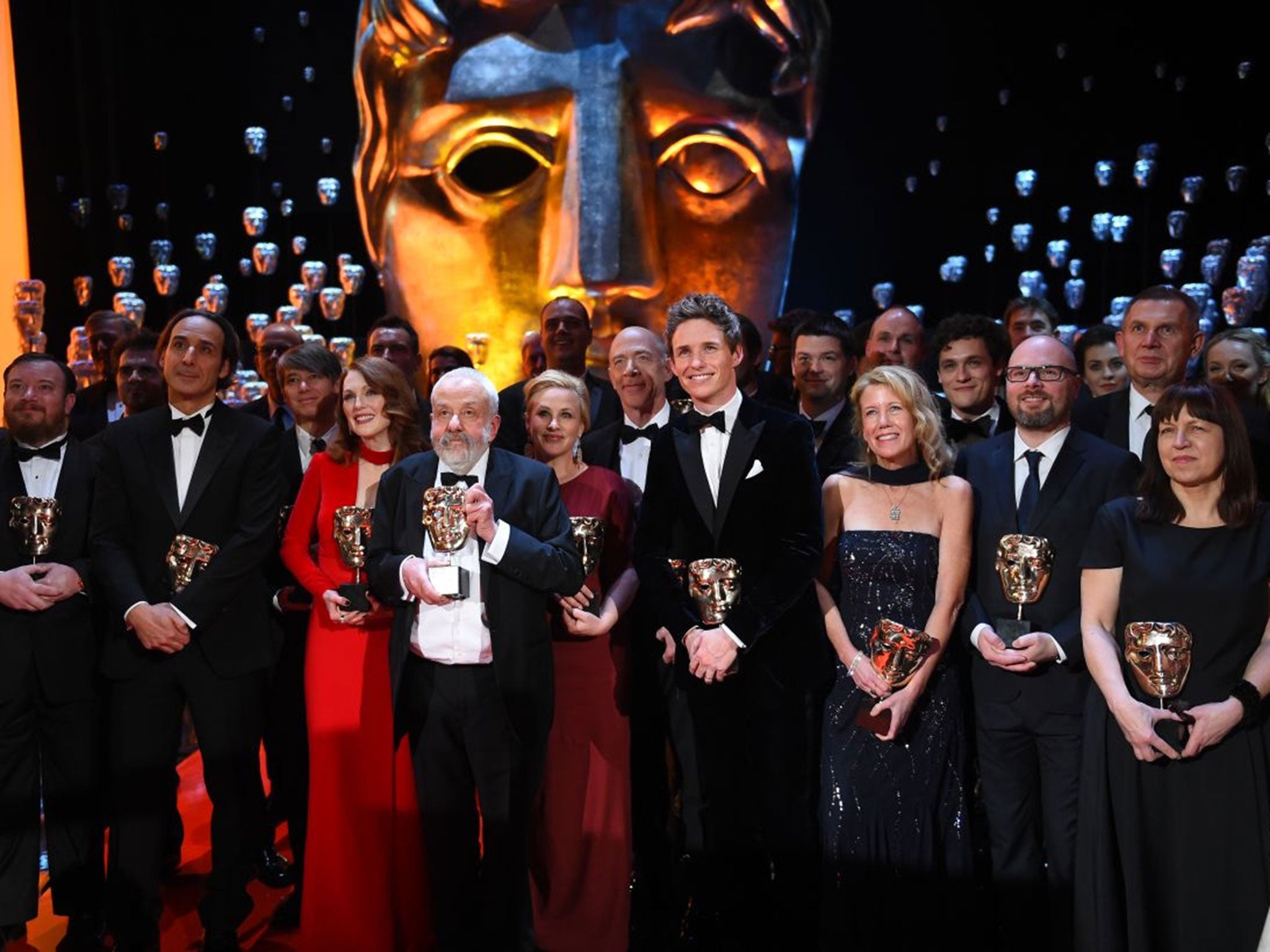
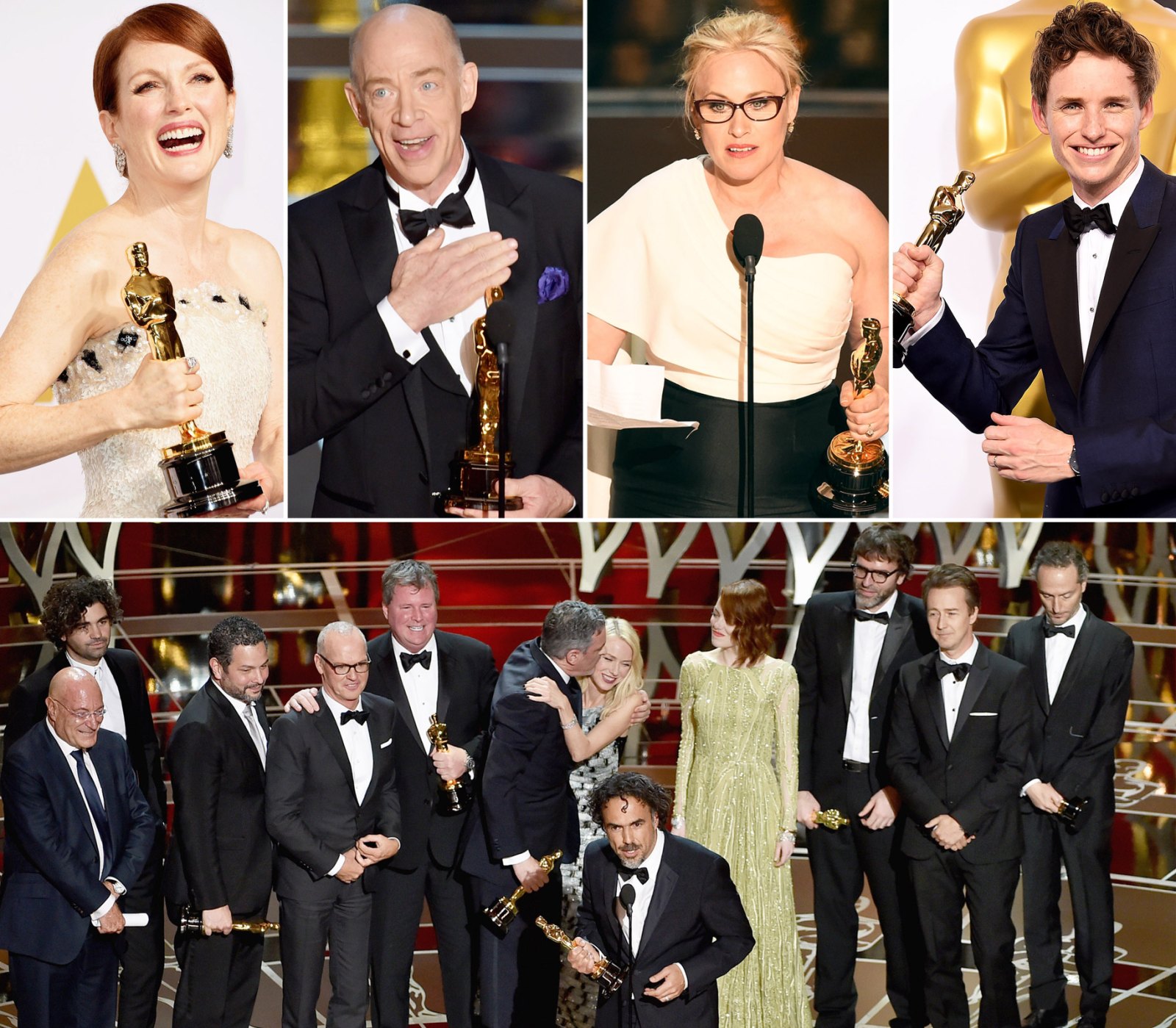
The 2015 Best Picture Oscar winner was Birdman (or The Unexpected Virtue of Ignorance), directed by Alejandro G. Iñárritu, which triumphed at the 87th Academy Awards held in February 2015. This comprehensive historical overview examines that landmark victory alongside the complete list of Academy Award Best Picture winners from 2015 through the present day, analyzing how these films reflect shifting cinematic trends, voting dynamics within the Academy of Motion Picture Arts and Sciences, and the cultural landscape of contemporary filmmaking.
Understanding the Academy Award for Best Picture
The Academy Award for Best Picture remains the film industry's most prestigious and commercially impactful honor. Awarded annually by the Academy of Motion Picture Arts and Sciences (AMPAS), it recognizes a feature film's overall artistic, technical, and cultural achievement. To fully contextualize the 2015 winner and subsequent victors, it is essential to understand the unique voting mechanisms, eligibility rules, and historical evolution that govern the category.
Unlike other categories where specific guilds vote for their peers (such as actors voting for actors), the Best Picture category utilizes a preferential voting system for final ballots. Academy members rank all nominated films from first to last. If a film secures more than 50% of first-place votes, it wins immediately. If not, the lowest-ranking film is eliminated, and its votes are redistributed to the remaining contenders based on secondary preferences. This iterative process continues until one film crosses the threshold.
This preferential system heavily favors consensus choices and critically acclaimed middle-ground films that avoid polarizing audiences, occasionally allowing dark-horse candidates to upset front-runners. Furthermore, eligibility criteria mandate that a film must have a qualifying theatrical run in Los Angeles County for a specified minimum duration, though streaming services like Netflix and Apple TV+ have successfully navigated these rules by securing limited theatrical engagements ahead of their digital premieres.
The 2015 Best Picture Winner: Birdman
At the 87th Academy Awards ceremony, held on February 22, 2015, at the Dolby Theatre in Los Angeles, Birdman (or The Unexpected Virtue of Ignorance) captured the Academy's highest honor. Directed by Mexican filmmaker Alejandro G. Iñárritu, the film also won Academy Awards for Best Director, Best Original Screenplay, and Best Cinematography (for visionary cinematographer Emmanuel Lubezki), cementing its status as a technical and artistic triumph of mid-2010s cinema.
The film stars Michael Keaton as Riggan Thomson, a fading Hollywood actor famous for playing an iconic superhero named Birdman, who attempts to revitalize his career and artistic credibility by mounting a complex Broadway adaptation of a Raymond Carver short story. The production style of Birdman became an immediate cultural touchstone: it was meticulously edited and choreographed to appear as though it were captured in a single, continuous, unbroken long take. This stylistic choice mirrored the frantic, claustrophobic psychological state of the protagonist, blending magical realism, biting satire of the modern entertainment complex, and raw theatrical anxiety.
The victory of Birdman over Richard Linklater's ambitious 12-year coming-of-age epic Boyhood highlighted a recurring tension within Academy voting patterns: the preference for high-concept, technically dazzling filmmaking set within the insular world of show business over quiet, naturalist storytelling. Nevertheless, Birdman remains celebrated as a bold, energetic interrogation of celebrity culture, artistic integrity, and the ephemeral nature of fame.
Complete List of Best Picture Oscar Winners Since 2015
Tracing the trajectory of Best Picture winners from the 2015 ceremony onward reveals a fascinating evolution in Academy preferences, moving from traditional Hollywood self-reflection toward greater international representation, social critique, and independent cinema dominance.
The following chronological ledger details every Best Picture winner from the 87th Academy Awards (recognizing films released in 2014, presented in 2015) up through recent ceremonies.
| Ceremony Year (Film Release Year) | Winning Film | Director | Studio / Distributor |
|---|---|---|---|
| 2015 (2014 films) | Birdman | Alejandro G. Iñárritu | Fox Searchlight Pictures |
| 2016 (2015 films) | Spotlight | Tom McCarthy | Open Road Films |
| 2017 (2016 films) | Moonlight | Barry Jenkins | A24 |
| 2018 (2017 films) | The Shape of Water | Guillermo del Toro | Fox Searchlight Pictures |
| 2019 (2018 films) | Green Book | Peter Farrelly | Universal Pictures |
| 2020 (2019 films) | Parasite | Bong Joon Ho | Neon |
| 2021 (2020 films) | Nomadland | Chloé Zhao | Searchlight Pictures |
| 2022 (2021 films) | CODA | Sian Heder | Apple TV+ |
| 2023 (2022 films) | Everything Everywhere All at Once | Daniel Kwan and Daniel Scheinert | A24 |
| 2024 (2023 films) | Oppenheimer | Christopher Nolan | Universal Pictures |
| 2025 (2024 films) | Anora | Sean Baker | Neon |
Analyzing Post-2015 Trends in Academy Voting
Examining the decade of winners following the 2015 ceremony highlights significant shifts in how the Academy defines cinematic excellence. Several distinct trends and milestones have reshaped the Oscar landscape.
The Rise of Independent and Specialty Distributors
Historically, major Hollywood studios—often referred to as the "Big Six" or "Big Five"—dominated the Best Picture category. However, the post-2015 era has witnessed a seismic shift toward independent distributors and specialty divisions. Companies like A24 (Moonlight, Everything Everywhere All at Once), Neon (Parasite, Anora), and streaming pioneer Apple TV+ (CODA) have proven that specialized, mid-budget, and culturally provocative films can successfully campaign for and win the industry's ultimate prize.
International Breakthroughs and Globalization
For decades, foreign-language films were strictly relegated to the Best International Feature Film (formerly Best Foreign Language Film) category, with only rare exceptions scoring Best Picture nominations. That barrier was shattered in 2020 when Bong Joon Ho’s South Korean dark comedy thriller Parasite made history by becoming the first non-English-language film to win Best Picture. This victory opened the floodgates for a more globally minded voting membership, reflecting AMPAS's deliberate efforts to diversify its international voting body.
Representation and Institutional Shifts
In response to widespread criticisms regarding diversity and inclusion—popularized by the #OscarsSoWrite and #OscarsSoWhite movements of the mid-2010s—AMPAS implemented aggressive membership expansion policies. This diversification directly impacted the kinds of stories brought to the forefront. Films exploring marginalized experiences, such as Barry Jenkins's queer Black coming-of-age masterwork Moonlight, Chloé Zhao’s look at transient American laborers in Nomadland, and CODA's groundbreaking representation of the deaf community, captured top honors, signaling a broader cultural awakening within Hollywood's voting ranks.
Prerequisites and Criteria for Best Picture Contenders
For a film to enter the conversation alongside past winners like Birdman or Oppenheimer, it must meet rigorous institutional standards set by the Academy. These criteria extend far beyond artistic merit and box-office success.
- Theatrical Exhibition Window: Films must complete a minimum commercial theatrical run in a commercial motion picture theater in Los Angeles County for at least seven consecutive days, during which the film must be screened at least once daily.
- Submission and Compliance: Producers or distributors must submit official entry forms, including screen credits and release verification, by established Academy deadlines.
- Representation and Inclusion Standards: Beginning with the 95th Academy Awards, films contending for Best Picture must meet specific diversity and inclusion standards regarding on-screen representation, crew composition, leadership training, and audience development, designed to encourage equitable hiring practices across the industry.
Common Misconceptions About the Best Picture Oscar
Navigating the history and mechanics of the Academy Awards often brings up persistent myths and misunderstandings among film enthusiasts and casual viewers alike.
- Myth: The film with the highest box-office gross automatically wins Best Picture. While massive commercial hits occasionally win—such as Oppenheimer or The Lord of the Rings: The Return of the King—the Academy frequently honors independent, low-budget, or specialized art-house films that earned a fraction of blockbusters' revenues (Moonlight, Nomadland, Spotlight).
- Myth: The Academy votes for Best Picture using a simple majority. As noted earlier, the preferential voting system means that a film can win without securing the most initial first-place votes, provided it consistently ranks high across secondary and tertiary preferences on ballots.
- Myth: Streaming services are completely banned from competing. While traditional theatrical windows are required, digital-first distribution platforms have repeatedly adapted their distribution strategies to comply with Academy rules, leading to historic wins like Apple TV+'s CODA.
Frequently Asked Questions
What was the Best Picture Oscar winner in 2015?
The Best Picture winner at the 87th Academy Awards held in 2015 was Birdman (or The Unexpected Virtue of Ignorance), directed by Alejandro G. Iñárritu. The film explores the frantic attempts of a washed-up Hollywood actor to reinvent himself on Broadway, celebrated for its stylistic illusion of a continuous, unbroken single take.
How are Best Picture winners chosen by the Academy?
Best Picture winners are selected using a preferential voting system. Academy members rank all nominated films from first to last place. If no film achieves an absolute majority of first-place votes in the initial count, the lowest-ranking film is eliminated, and its votes are redistributed to remaining films based on the voters' secondary choices until a consensus winner emerges.
Has a non-English-language film ever won Best Picture?
Yes. Bong Joon Ho’s South Korean social satire Parasite made history at the 92nd Academy Awards in 2020 by winning Best Picture, marking the first time a non-English-language film captured the top prize.
What are the representation standards for Best Picture eligibility?
Starting with the 95th Academy Awards, films must meet two out of four broad representation and inclusion standards established by the Academy. These standards cover on-screen casting representation, creative leadership and crew hiring, paid internship and training opportunities for underrepresented groups, and senior marketing and distribution executive representation.
Which studio or distributor has won the most Best Picture Oscars since 2015?
Independent specialty distributors like A24 and Searchlight Pictures (formerly Fox Searchlight) have dominated the post-2015 era. Searchlight Pictures secured wins for Birdman, The Shape of Water, and Nomadland, while A24 claimed victories with Moonlight and Everything Everywhere All at Once.
Practical Recommendations for Film Enthusiasts
For researchers, cinephiles, and students of cinema looking to deeply understand the trajectory of modern filmmaking, watching the complete catalog of Best Picture winners since 2015 serves as a masterclass in evolving storytelling techniques.
To approach this catalog effectively, consider watching the films in chronological order to observe the gradual shift from studio-backed studio prestige dramas to daring independent features and international milestones. Cross-reference these viewings with the respective technical category winners—such as Best Director, Best Cinematography, and Best Original Screenplay—to appreciate how overall picture winners often synthesize brilliance across every individual department of cinematic art.