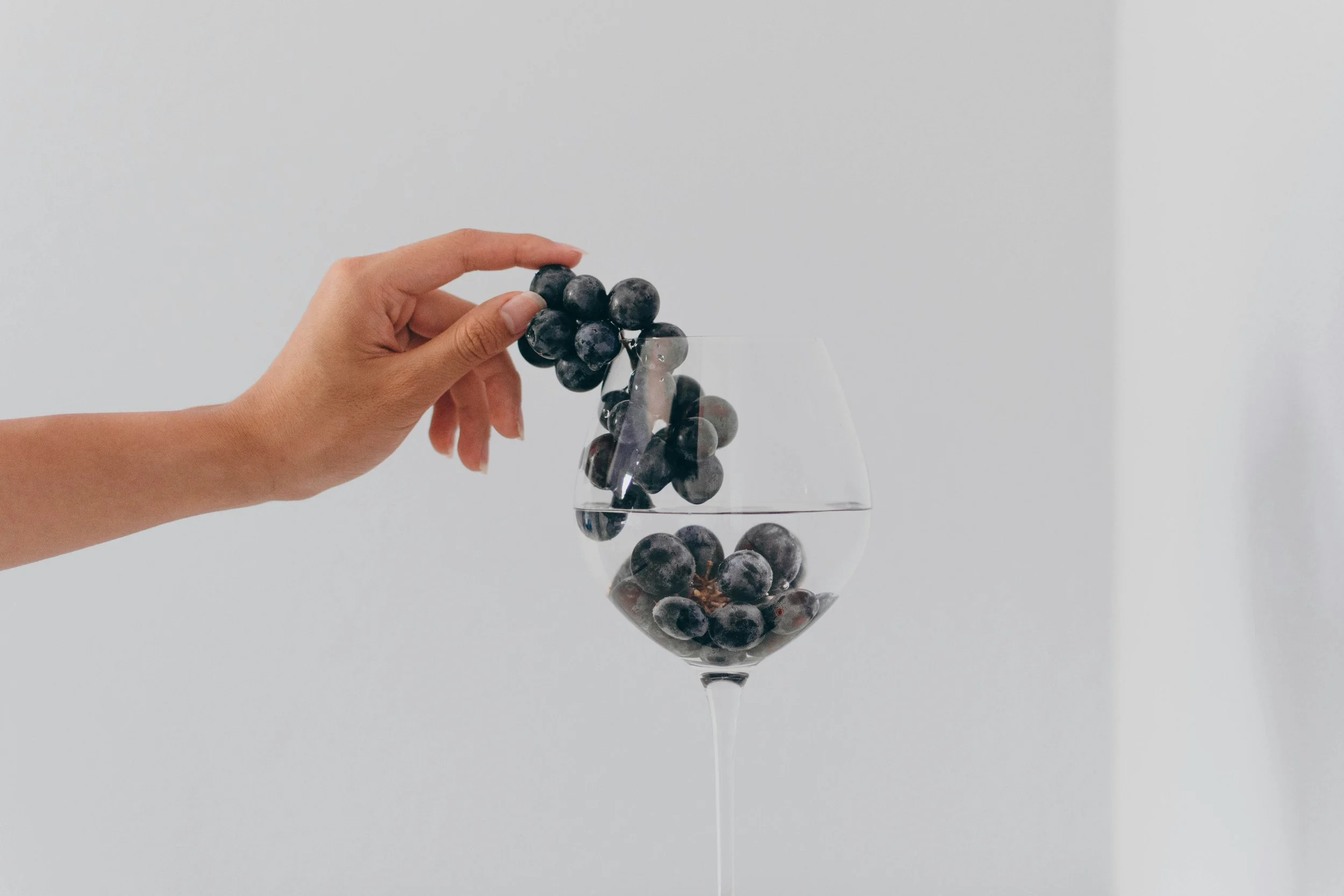
To unlock luck and prosperity using the 12 grapes tradition, you must consume exactly one grape for each of the twelve clock strokes at midnight on December 31st. Each grape represents a month of the coming year; finishing them all before the final chime signifies a year of success and abundance.
The tradition of "Las Doce Uvas de la Suerte" (The Twelve Grapes of Luck) is one of the most enduring and vibrant New Year’s Eve rituals globally. Originating in Spain and spreading throughout Latin America and Hispanic communities worldwide, this practice is more than a superstitious quirk; it is a cultural cornerstone that combines history, community, and the psychological setting of intentions. As we move through 2026, understanding the mechanics, history, and safety protocols of this ritual ensures that you can participate effectively and safely while maximizing the symbolic benefits of prosperity and luck.
The Historical Origins of the 12 Grapes Ritual
The history of the 12 grapes is a blend of social rebellion and clever marketing. While there are several competing theories regarding its exact origin, two primary narratives stand out in the historical record.
The Madrid Social Rebellion (1882)
The earliest documented roots of the tradition trace back to 1882 in Madrid. At the time, the city’s upper classes had adopted the French custom of eating grapes and drinking champagne on New Year’s Eve. Concurrently, the mayor of Madrid, José Abascal y Carredano, imposed a one-peseta tax on those who wanted to celebrate the arrival of the Three Kings (Epiphany) in the streets—a popular activity for the working class.
In a move of satirical defiance, common Madrilenians gathered at the Puerta del Sol to mock the "aristocratic" habit of grape-eating. They began eating grapes in time with the clock tower’s chimes, effectively reclaiming the luxury fruit as a symbol of public celebration and protest. This act of defiance eventually transformed into a widely accepted custom across the city.
The Surplus of 1909
While the 1882 event established the practice in Madrid, the 1909 harvest in Alicante is credited with nationalizing the tradition. During that year, grape growers in the Levant region faced a massive surplus of white Aledo grapes. To prevent the crop from going to waste, farmers initiated a creative marketing campaign, branding the fruit as "Las Doce Uvas de la Suerte" and suggesting that eating them at midnight would bring good fortune.
The campaign was remarkably successful. It not only saved the season’s profits but also codified the specific number (twelve) and the timing (the midnight chimes) into the national consciousness. Today, the Aledo grape remains the variety of choice for this tradition due to its late-season ripening, which allows it to remain fresh until December.
The Mechanics of the Ritual: Timing and Procedure
Successfully completing the 12 grapes ritual requires surprisingly high levels of coordination. In Spain, the ritual centers on the clock of the Royal House of the Post Office in Madrid's Puerta del Sol. The process follows a specific sequence of sounds that can confuse the uninitiated.
The Warning Signals
Before the actual midnight strokes begin, the clock mechanism provides two warning signals:
- The Descent of the Ball (La Bola): A large metal ball drops down the tower, signaling that the sequence is about to begin.
- The "Cuartos" (The Quarters): There are four double-chimes (eight sounds in total) that ring out to indicate the four quarters of the final minute. Do not start eating during the cuartos. Many people mistakenly start here, only to find they have run out of grapes or have full mouths before the actual countdown begins.
The Twelve "Campanadas" (Strokes)
Once the cuartos finish, there is a very brief pause followed by the first of the twelve main strokes. You must eat one grape for every stroke. Each stroke occurs roughly every three seconds. This gives you a total of approximately 36 seconds to consume 12 grapes. To "unlock" the luck and prosperity associated with the ritual, all 12 grapes must be swallowed (or at least chewed enough to be safely held in the mouth) by the time the final chime fades.
Varieties and Preparation: Selecting Your Grapes
The type of grape you choose can significantly impact your success rate and safety. In 2026, retailers offer several options tailored specifically for this tradition.
- Aledo Grapes: These are the traditional choice. They are white, thin-skinned, and naturally sweet. In Spain, they often carry a Protected Designation of Origin (PDO) status from the Vinalopó Valley.
- Seedless Grapes: For modern participants, seedless varieties are highly recommended. Removing seeds manually is time-consuming, and accidentally biting into a seed during the 36-second window can cause a choking reflex or simply slow you down.
- Canned Grapes: Many supermarkets sell small tins of 12 peeled and deseeded grapes in syrup. While some traditionalists find this "cheating," it is the most efficient and safest way to ensure you finish on time.
- Size Considerations: Smaller grapes are objectively better. Large, fleshy "globe" grapes are difficult to chew and swallow in three-second intervals.
Step-by-Step Preparation
- Count and Verify: Always count your grapes beforehand. Missing a grape is seen as an omen of a "missing" month of luck.
- Peel and Deseed: If you are using fresh grapes with skins and seeds, take the time on the afternoon of December 31st to peel them and remove the seeds with a small knife or toothpick.
- Room Temperature: Avoid eating ice-cold grapes straight from the refrigerator. Cold fruit can cause a slight shock to the throat, making swallowing more difficult under pressure.
- Individual Serving: Place each set of 12 grapes in a small bowl or glass for each person to avoid confusion during the midnight rush.
Safety Guidelines and Risk Mitigation
While the 12 grapes tradition is festive, it carries a genuine risk of choking, particularly for specific age groups. The "three-second rule" creates a pressurized environment that discourages thorough chewing.
| Risk Group | Recommendation | Alternative |
|---|---|---|
| Children (under 5) | High risk of choking due to narrow airways. | Cut grapes into quarters or use small pieces of soft fruit. |
| Elderly | Possible difficulty with swallowing (dysphagia). | Use peeled, canned grapes or grape juice sips. |
| Competitive Eaters | Over-stuffing the mouth can lead to aspiration. | Focus on rhythmic chewing rather than speed. |
Medical Note: If someone begins to choke, do not attempt to reach into their throat with your fingers, as this can push the grape further down. Use the Heimlich maneuver (abdominal thrusts) if they cannot cough or breathe. For those with known swallowing difficulties, consider substituting the grapes with 12 small sips of a beverage or 12 raisins, though the latter also requires careful chewing.
Symbolism and the "Psychology of Prosperity"
The ritual is fundamentally about intentionality. In the context of 2026, many practitioners use the 12 grapes as a somatic exercise in goal setting. Each grape represents a specific month of the upcoming year:
- Grapes 1-3 (Winter/Early Spring): Focus on new beginnings, clearing debts, and establishing health routines.
- Grapes 4-6 (Spring/Early Summer): Focus on growth, career advancement, and "blooming" social connections.
- Grapes 7-9 (Late Summer/Autumn): Focus on harvest, enjoying the fruits of labor, and maintaining stability.
- Grapes 10-12 (Late Autumn/Year-End): Focus on reflection, gratitude, and preparing for the next cycle.
By assigning a specific wish or intention to each grape as you eat it, you are effectively performing a high-speed mindfulness exercise. This helps "unlock" prosperity by aligning your mental focus with your actions at the very start of the year.
Beyond the Grapes: Complementary Rituals for Luck
In many cultures, the 12 grapes are just one part of a larger "luck-unlocking" ecosystem. To maximize the potential for prosperity in 2026, consider these paired traditions:
Red Underwear (Ropa Interior Roja)
In Spain and many Latin American countries, wearing new red underwear on New Year’s Eve is believed to bring love and passion in the coming year. Some variations suggest yellow underwear for money and wealth. For the ritual to work, the garment should ideally be a gift from someone else.
The Gold in the Glass
Before the midnight toast, many place a gold ring or a gold coin inside their glass of cava or champagne. You must drink the entire glass (carefully avoiding swallowing the gold) and then retrieve the object to ensure financial stability.
The Suitcase Walk
To ensure a year filled with travel and adventure, take an empty suitcase and walk around the block or simply around the inside of your house immediately after finishing the grapes.
Lentils for Wealth
In Italy and parts of South America, eating a spoonful of lentils shortly after midnight or on New Year's Day is a primary ritual for wealth. Because lentils resemble small coins, they are seen as a direct symbol of accumulating money.
Regional Variations of the Tradition
While the core of the tradition remains the 12 grapes, different regions have adapted the practice to fit local customs.
- The Philippines: Reflecting Spanish colonial influence, Filipinos often display 12 round fruits on the dining table. However, the focus is more on the round shape (representing coins/wealth) than the specific timing of the clock strokes.
- Mexico: The focus is heavily on the "wishes." For every grape eaten, a specific wish for the new year is made. It is common to see families huddled around a radio or TV tuned to the national broadcast from Mexico City’s Zócalo.
- Portugal: Some regions prefer 12 raisins instead of fresh grapes. This is often more practical as raisins are easier to store and distribute in large gatherings, though they require more chewing.
Frequently Asked Questions
What happens if I don't finish all 12 grapes on time?
According to tradition, failing to finish the grapes means you may face "bad luck" or a lack of prosperity in the specific months corresponding to the grapes you missed. However, most modern practitioners view it as a challenge rather than a curse. If you fall behind, simply keep eating until you finish; the effort itself is considered a positive gesture toward the new year.
Can I use any type of fruit besides grapes?
If grapes are unavailable or unsafe, you can use 12 small pieces of any fruit (like berries or melon balls). The key is the number 12 and the synchronicity with the clock. In the Philippines, for example, 12 different round fruits are used as a centerpiece to represent the 12 months.
Why 12 grapes and not 10 or 7?
The number 12 corresponds to the 12 months of the Gregorian calendar and the 12 hours on a clock face. It represents a full cycle of time. In numerology, 12 is often associated with completion and perfection.
Do I have to be in Spain for the ritual to work?
No. While the Puerta del Sol is the spiritual home of the tradition, people participate globally. You can follow a local television broadcast, a digital countdown, or use a mobile app that simulates the Spanish "campanadas." The "luck" is tied to your participation and intent, not your geographic location.
Is the tradition of the 12 grapes religious?
No, the 12 grapes ritual is a secular, cultural tradition. While it takes place on New Year's Eve (which coincides with the Feast of Saint Sylvester in the liturgical calendar), the ritual itself has no direct religious significance or requirement.
Practical Recommendation for 2026
To truly unlock luck and prosperity for 2026, approach the 12 grapes tradition with a balance of cultural respect and practical preparation. Our primary recommendation is to use small, seedless grapes that have been peeled in advance. This minimizes the physical struggle and allows you to focus on the symbolic act of setting intentions for the upcoming months.
Additionally, pair the grapes with a "prosperity mindset." Write down 12 specific goals or things you are grateful for—one for each month—and keep that list near your grape bowl. This transforms a fun superstition into a powerful psychological anchor for the year ahead. Whether you are in a crowded square in Madrid or in your own living room, the 12 grapes serve as a universal reminder that prosperity is often a result of being prepared for the opportunities that every new "stroke" of time provides.