Navigating the transit corridor from Newark, New Jersey, to the World Trade Center (WTC) in Lower Manhattan remains one of the most vital daily routines for thousands of cross-river professionals. Whether you are relocating to the region, adjusting your commute for a new hybrid schedule, or exploring the fastest routes available in 2026, understanding your transit options is essential. The journey connects major New Jersey transit hubs directly into the modern underground transit architecture of the Oculus and the Financial District.
Understanding the Newark to Lower Manhattan Corridor
The geographic route from Newark to the World Trade Center spans approximately 10 to 12 miles across the Hackensack River, Newark Bay, and the Hudson River. This journey bridges major industrial and residential centers in Essex County with the dense commercial core of Lower Manhattan. The route is heavily engineered for high-capacity commuter flow, relying on heavy rail, rapid transit systems, and trans-Hudson highway infrastructure.
For daily commuters, the choice of transit directly impacts schedule predictability, out-of-pocket costs, and exposure to weather-related delays. The corridor is managed by a mix of regional authorities, primarily the Port Authority of New York and New Jersey (PANYNJ) and New Jersey Transit (NJ Transit), requiring seamless fare card management and real-time schedule monitoring.
Primary Transit Options and Operational Mechanics
Commuters have several distinct modes of transportation to bridge the distance between Newark and the WTC campus. Each option offers unique advantages regarding travel time, frequency, and accessibility.
PATH Rail System via Newark-Penn Station
The Port Authority Trans-Hudson (PATH) rail network provides the most direct, reliable, and cost-effective transit link from Newark to the World Trade Center.
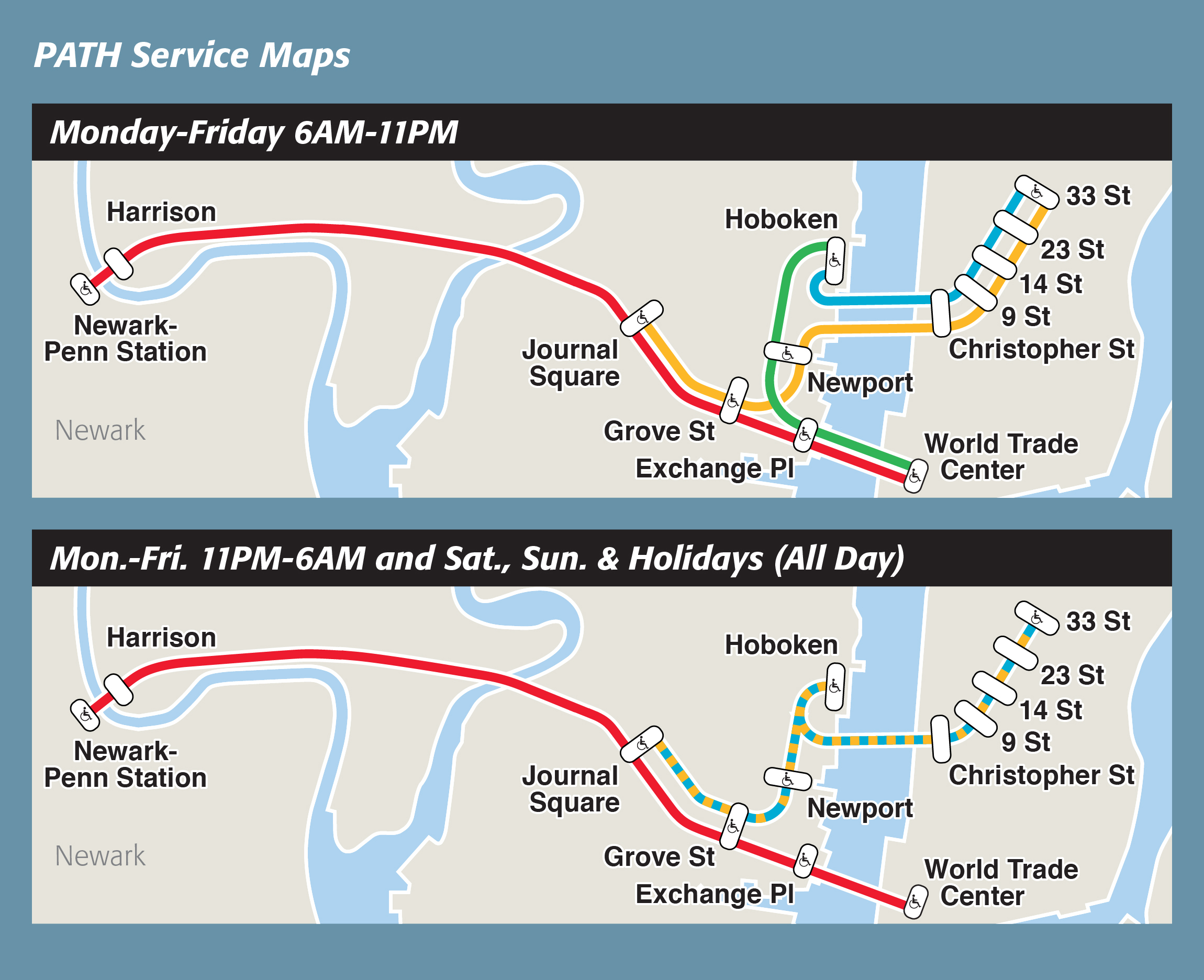
- The Route: The Newark-to-World Trade Center line runs direct trains during peak hours, eliminating the need to transfer at Journal Square. Off-peak hours or weekend engineering work may occasionally require a simple cross-platform transfer at Journal Square.
- Travel Time: Approximately 22 to 25 minutes from terminal to terminal.
- Frequency: Every 4 to 8 minutes during morning and evening rush hours; every 10 to 20 minutes during midday, evenings, and weekends.
- Infrastructure Access: Trains terminate directly inside the Santiago Calatrava-designed World Trade Center Transportation Hub (The Oculus), providing subterranean, weather-protected access to major downtown office towers, the Fulton Center, and multiple NYC Subway lines.
NJ Transit Northeast Corridor or North Jersey Coast Line to NY Penn Station, Plus Subway Transfer
For commuters residing closer to Newark Broad Street or those who prefer heavy rail, routing through Midtown Manhattan is a viable alternative, though it adds time and distance if your final destination is the WTC.
- The Route: Take an NJ Transit train from Newark Penn Station or Newark Broad Street to New York Penn Station (NY Moynihan Train Hall). From there, transfer to the Downtown 1, 2, or 3 subway lines at 34th Street-Penn Station down to Chambers Street or Cortlandt Street.
- Travel Time: 45 to 60 minutes total, depending on transfer synchronization.
- Cost: Significantly higher, as it combines regional rail fares with MTA subway fares.
Private Coach Buses and Trans-Hudson Ferries
While less direct than the PATH, bus and ferry alternatives serve niche commuter populations, particularly during major rail disruptions.
- Bus Service: Private carriers like Coach USA operate routes into Midtown, requiring a subway transfer down to the WTC. This is generally not recommended for direct Newark-to-WTC commutes due to Lincoln Tunnel traffic congestion.
- Ferry Options: While ferries operate from locations like Hoboken and Jersey City down to Brookfield Place/WTC, direct ferry service originating from Newark is unavailable. Commuters would need to drive or take local transit to a waterfront terminal, making it inefficient for standard daily commutes.
Comparative Breakdown of Newark to WTC Commute Modes
| Transit Mode | Average Travel Time | Peak Frequency | Direct Service Available? | Primary Weather Vulnerability |
|---|---|---|---|---|
| PATH Train (Direct NWK-WTC) | 22 - 25 Minutes | 4 - 8 Minutes | Yes | Minimal (Subterranean/Tunnel) |
| NJ Transit + MTA Subway | 45 - 60 Minutes | 10 - 15 Minutes | No (Transfer at NY Penn) | Moderate (Surface rail delays) |
| Driving / Rideshare | 35 - 75+ Minutes | N/A (Traffic Dependent) | Yes | Severe (Tunnel & Highway congestion) |
Step-by-Step Guide to the Optimal PATH Commute
Executing a smooth morning and evening commute requires familiarity with station navigation, fare payment systems, and peak-hour strategies.
- Station Arrival and Entry: Arrive at Newark Penn Station (located at Raymond Plaza West). Access the PATH mezzanine via the main waiting room or street-level entrances.
- Fare Payment: Utilize a contactless credit/debit card, smartphone wallet (Apple Pay/Google Pay), or a loaded MetroCard / SmartLink card at the turnstiles. The PATH system utilizes OMNY-compatible contactless payment readers for seamless tap-and-go entry.
- Platform Selection: Follow overhead digital signage for the World Trade Center line. Ensure you board the correct train, as Newark-Penn also services the Newark-to-33rd Street line via Hoboken.
- Boarding and Transit: Secure a seat or stable standing position. The train travels through Harrison, Journal Square, Grove Street, Exchange Place, and under the Hudson River directly into the WTC Oculus.
- WTC Concourse Navigation: Upon arrival at the WTC terminal, follow directional signage aligned with your specific office building. You can access Brookfield Place, One World Trade Center, and the Fulton Street transit hub entirely indoors.
Pros and Cons of Commuting from Newark to the WTC
Evaluating the trade-offs of this specific commuter corridor helps in establishing a sustainable daily routine.
- Pros:
- Speed: A sub-25-minute transit time via the direct PATH line rivals intra-borough commutes within New York City.
- Cost-Effectiveness: Flat-rate PATH fares offer significant financial savings compared to driving or combining heavy rail with subways.
- All-Weather Protection: Both Newark Penn Station and the WTC Oculus feature extensive indoor waiting areas, shielding commuters from rain and snow.
- Downtown Connectivity: Direct connection to the WTC hub grants underground access to the 1, 2, 3, A, C, E, R, W, and J/Z subway lines.
- Cons:
- Crowding During Peak Hours: Trains running between 7:30 AM and 9:00 AM experience heavy passenger loads, occasionally requiring passengers to wait for a subsequent train.
- Weekend and Late-Night Maintenance: Scheduled track maintenance on weekends frequently alters direct routing, requiring transfers at Journal Square and adding 10 to 15 minutes to travel times.
- Limited Parking: Parking garages surrounding Newark Penn Station fill up quickly and add a substantial monthly overhead cost for drivers transitioning to rail.
Expert Strategies for Managing Delays and Optimization
Seasoned cross-river commuters rely on several tactical habits to minimize friction during their daily transit cycle.
Real-Time Monitoring: Always check the official PATH mobile app or transit alert feeds before leaving your residence. Sign up for Port Authority text alerts to receive immediate notifications regarding signal problems or police activity.
Strategic Platform Positioning: During morning boarding at Newark Penn, position yourself closer to the center or rear cars of the train. When arriving at the WTC Oculus, these cars often align closest to the main exit escalators, saving critical minutes during the morning rush.
Alternative Backup Routes: In the event of a severe trans-Hudson PATH suspension, familiarize yourself with the NJ Transit rail option to NY Penn Station, followed by the Downtown 2 or 3 express subway. While more expensive, maintaining a backup transit mental map prevents being stranded during major operational disruptions.
Frequently Asked Questions
How long does the PATH train take from Newark to the World Trade Center?
The direct PATH train from Newark Penn Station to the World Trade Center takes approximately 22 to 25 minutes under normal operating conditions. This makes it one of the fastest trans-Hudson commutes available.
Is there direct weekend service from Newark to WTC?
Direct service operates on weekends, but frequency drops to every 20 minutes, and periodic weekend track maintenance often requires a quick cross-platform transfer at Journal Square. Always check weekend schedules before departing.
Can I use OMNY or contactless payment cards on the PATH system?
Yes, the PATH system fully supports contactless credit and debit cards, as well as smartphone digital wallets, allowing you to tap directly at the turnstiles without purchasing a separate paper ticket.
What is the best parking option near Newark Penn Station if I drive from the suburbs?
Several secure commercial parking garages and surface lots operate immediately surrounding Newark Penn Station, including facilities managed by the Port Authority and independent operators. Monthly commuter parking passes should be reserved well in advance due to high demand.
What should I do if there is a major suspension on the PATH line?
If the PATH line is suspended, utilize your backup plan by taking an NJ Transit Northeast Corridor train from Newark Penn Station to New York Penn Station, then transfer downstairs to the downtown subway lines.
How late does the Newark-to-WTC PATH train run?
The PATH rail system operates 24 hours a day, 7 days a week, though overnight headways (late night through early morning) increase to roughly 35 minutes between departures.