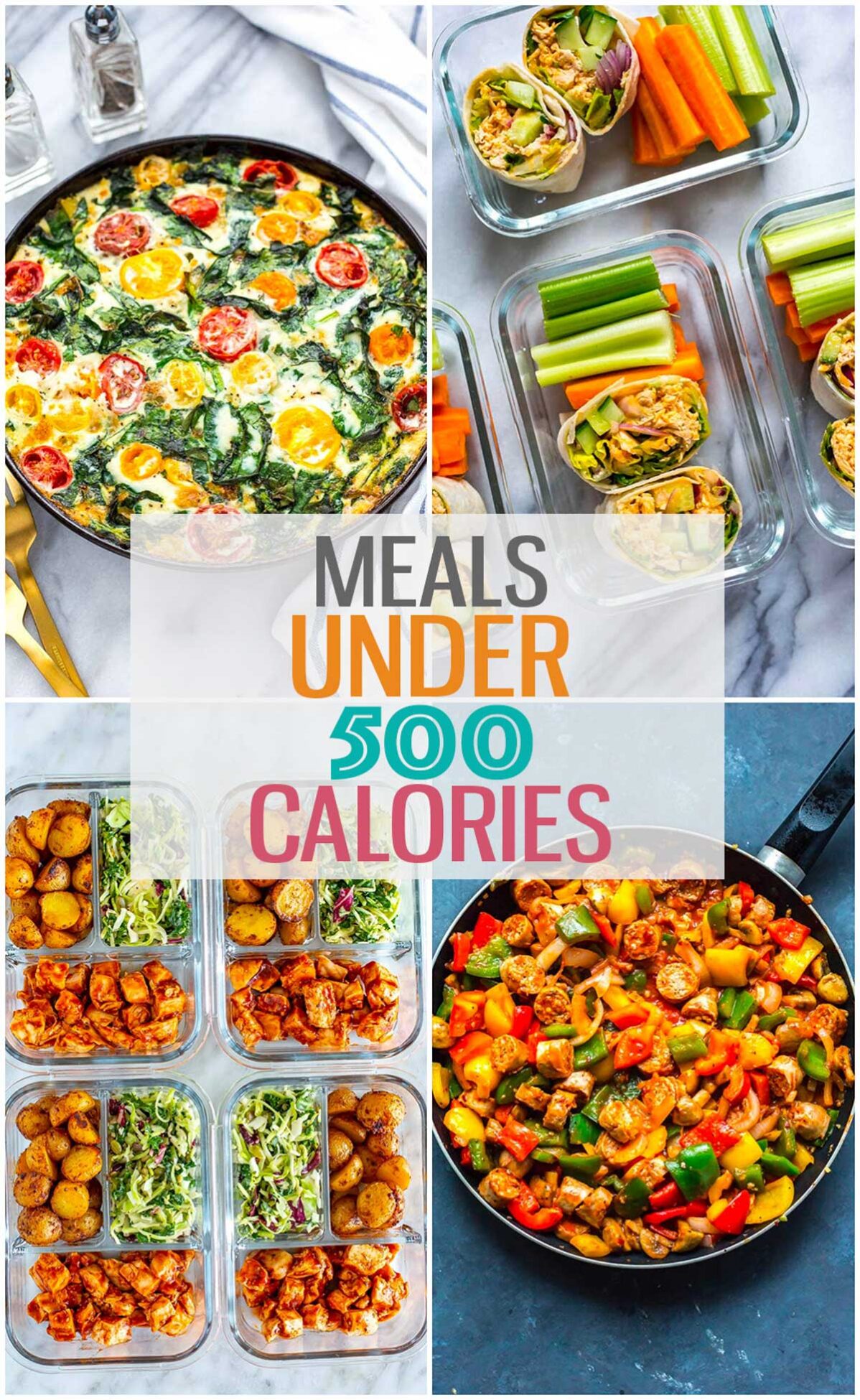
Finding satisfying 500 calorie meals at restaurants is entirely achievable when you understand how menus are structured, which cooking methods to look for, and how to spot hidden calories in dressings, sauces, and beverages. Eating out while managing your caloric intake does not mean restricting yourself to plain side salads or sacrificing flavor; rather, it requires strategic choices that balance lean proteins, fiber-rich vegetables, and complex carbohydrates.
Understanding the Challenges of Dining Out on a Diet
Dining out presents unique obstacles for anyone trying to maintain a specific caloric budget. Commercial kitchens frequently use generous amounts of cooking oils, butter, salt, and sugar to enhance the taste of their dishes—ingredients that can quietly double or triple the calorie count of an otherwise healthy-looking meal. Furthermore, portion sizes at modern restaurants often far exceed standard serving recommendations, making visual estimation difficult.
When evaluating a menu for 500 calorie options, you must look past the marketing descriptions. Words like "crispy," "breaded," "creamy," "alfredo," "glazed," and "au gratin" almost always signal high fat and high calorie content. Conversely, terms such as "grilled," "steamed," "roasted," "broiled," "blackened," and "poached" generally indicate lighter preparation styles. Recognizing these culinary cues allows you to filter out heavy dishes before you even speak to a server.
The Hidden Trap of Liquid Calories and Appetizers
One of the most common pitfalls when attempting to keep a restaurant meal under 500 calories is overlooking liquid calories and complimentary items. A single sweetened iced tea, alcoholic beverage, or specialty coffee drink can easily consume 200 to 400 calories before the food even arrives. Sticking to water, unsweetened iced tea, or sparkling water with lemon is the most reliable way to preserve your calorie budget for the main course.
Similarly, complimentary bread baskets, chips and salsa, or heavy appetizers can sabotage your goals. A basket of bread with butter can easily add 300 to 500 calories before your meal begins. If you are dining with a group that orders shared appetizers, opt for vegetable-based options like edamame, shrimp cocktail, or a side salad with dressing served on the side, rather than fried items like mozzarella sticks or wings.
Strategic Navigation of Popular Restaurant Cuisines
Different culinary traditions offer distinct advantages and challenges when searching for 500 calorie meals. By understanding the foundational ingredients and preparation methods of various cuisines, you can successfully find diet-friendly options almost anywhere.
| Cuisine Type | Best Low-Calorie Choices | Elements to Avoid |
|---|---|---|
| American Grill | Grilled chicken breast, salmon with steamed vegetables | Creamy dressings, french fries and heavy cheese toppings |
| Mexican / Tex-Mex | Fajitas with chicken or shrimp (skip heavy cheese and rice) | Heavy cheese, sour cream, refried beans, and fried shells |
| Italian | Minestrone soup, grilled fish with primavera vegetables | Cream sauces, fried cutlets, and massive pasta portions |
| Asian / Pan-Asian | Steamed dumplings, vegetable noodle or broth-based soups | Deep-fried dishes, sweet and sour sauces, and heavy oils |
American Grills and Steakhouses
American steakhouses and casual dining chains are notorious for massive portions, but they also offer some of the simplest modifications for calorie-conscious diners. A standard 6-ounce grilled sirloin steak contains roughly 300 to 350 calories. Paired with a side of steamed broccoli (approximately 50 calories with a light touch of butter) and a side salad with vinaigrette, this classic combination comfortably fits under the 500-calorie threshold.
When ordering poultry or fish at an American grill, always request sauces and gravies to be served on the side. Many restaurants smother grilled chicken in honey mustard, barbecue sauce, or garlic butter, which can add hundreds of hidden calories. Dipping your fork into the sauce rather than pouring it over the entire plate gives you complete control over your intake.
Mexican and Tex-Mex Fare
Mexican cuisine features vibrant, fresh ingredients like tomatoes, cilantro, onions, lime, and lean grilled proteins. However, it can also be laden with lard, cheese, and sour cream. To keep your Mexican restaurant meal under 500 calories, focus on fajitas. Chicken or shrimp fajitas cooked with bell peppers and onions provide high volume and protein.
To stay within your calorie budget, skip the refried beans and Mexican rice, which are often prepared with animal fats or excessive oils. Instead of eating your fajitas out of flour tortillas—which average about 150 calories each—opt to eat the filling out of a bowl with a small side of black beans and fresh pico de gallo, or use a single corn tortilla (around 50 calories).
Italian Dining Traditions
Italian food is frequently associated with heavy cream sauces, large portions of refined pasta, and melted cheese. Yet, traditional Italian cooking also relies heavily on fresh seafood, tomatoes, and herbs. Look for seafood dishes prepared in a light white wine or tomato broth, such as steamed mussels or cioppino, which are naturally low in calories and high in protein.
If you are craving pasta, be mindful of portion sizes. A full restaurant-sized plate of fettuccine Alfredo can exceed 1,000 calories. Instead, ask if the kitchen can prepare a half-portion of pasta tossed in marinara sauce with grilled chicken or shrimp, and pair it with a large minestrone soup and a side salad.
Asian and Pan-Asian Options
Asian cuisines—including Japanese, Chinese, Thai, and Vietnamese—offer exceptional variety for low-calorie dining, provided you avoid deep-fried preparations like tempura or General Tso's chicken. Japanese restaurants are particularly diet-friendly; clear miso soup, edamame, and sashimi (raw fish without rice) or basic tuna and cucumber rolls provide a satisfying, low-calorie meal.
At Thai or Vietnamese restaurants, broth-based noodle soups like pho or clear vegetable soups with chicken are deeply satisfying and typically range between 350 and 450 calories per bowl. When ordering stir-fries, ask for light sauce and extra vegetables, and choose steamed jasmine or brown rice in moderation.
Practical Customization Techniques for Any Menu
Even when a menu does not explicitly feature 500 calorie meals, you can customize almost any dish to fit your nutritional goals. Modern restaurant culture is accustomed to dietary modifications, and most establishments are willing to accommodate reasonable requests.
Mastering Modification Requests
- Ask for cooking methods to be adjusted: Request that your fish, chicken, or vegetables be grilled, steamed, or dry-sautéed with minimal oil or cooking spray instead of butter.
- Control your starches: Substitute high-calorie side dishes like french fries, mashed potatoes, or mac and cheese with steamed broccoli, asparagus, a side salad, or fresh fruit.
- Manage dressings and condiments: Always order salad dressings, gravies, and aiolis on the side. Dip your fork into the dressing before picking up a bite of salad; this technique provides the flavor without requiring you to consume the entire pool of fat.
- Portion control from the start: Restaurant portions are frequently enough for two meals. As soon as your food arrives, ask your server for a to-go container, and immediately box up half of the meal before you start eating. This prevents overeating and provides a built-in lunch for the next day.
Evaluating Nutritional Transparency and Chain Restaurants
Under federal regulations in the United States, chain restaurants with 20 or more locations are required to provide calorie counts directly on their menus or menu boards. This transparency has made it significantly easier to identify 500 calorie meals without guesswork.
When reviewing chain restaurant menus online before you go, use their nutritional calculators to build your meal in advance. This strategy removes the impulsive decision-making that often happens when you arrive at a restaurant hungry. Independent restaurants may not display calorie counts, but you can use mobile nutrition applications to estimate caloric values based on similar chain items and portion sizes.
Frequently Asked Questions About Low-Calorie Restaurant Dining
How can I tell if a restaurant dish is truly under 500 calories if there are no nutrition labels?
Look for indicators of preparation style. Dishes featuring grilled, baked, or steamed proteins paired with non-starchy vegetables and light broth or tomato-based sauces are your safest bets. Avoid anything described as fried, battered, creamy, cheesy, or butter-laden. When in doubt, ask your server how the dish is prepared and request sauces on the side.
Are salads always a safe 500-calorie choice when eating out?
Not necessarily. Restaurant salads can easily exceed 800 to 1,000 calories once they are loaded with fried chicken, candied pecans, cheese, bacon bits, tortilla strips, and creamy dressings like ranch or Caesar. To keep a restaurant salad under 500 calories, choose a base of greens topped with grilled protein, request oil and vinegar on the side, and avoid heavy, calorie-dense toppings.
What are the best protein sources to choose for a low-calorie restaurant meal?
Lean protein sources such as skinless chicken breast, turkey, white fish (like cod or tilapia), shrimp, tofu, and lean cuts of beef (like sirloin or tenderloin) offer the highest protein-to-calorie ratio. Protein keeps you full longer, helping you resist the temptation to overeat later in the day.
How should I handle social pressure or dining out when I am strictly watching my calories?
Remember that dining out is primarily about socializing and enjoying the company of others. You do not need to announce your diet to the table. Focus on making proactive choices, pacing yourself, and steering the conversation away from food. If you exceed your calorie target slightly, simply return to your normal routine at your next meal without guilt.
Conclusion and Next Steps
Successfully finding 500 calorie meals at restaurants requires a combination of preparation, mindful menu reading, and strategic modifications. By prioritizing lean proteins, fiber-rich vegetables, and light preparation methods—while avoiding liquid calories and hidden fats—you can enjoy dining out without compromising your nutritional goals. Before your next restaurant outing, review the menu online, decide on your modifications in advance, and approach your meal with confidence.