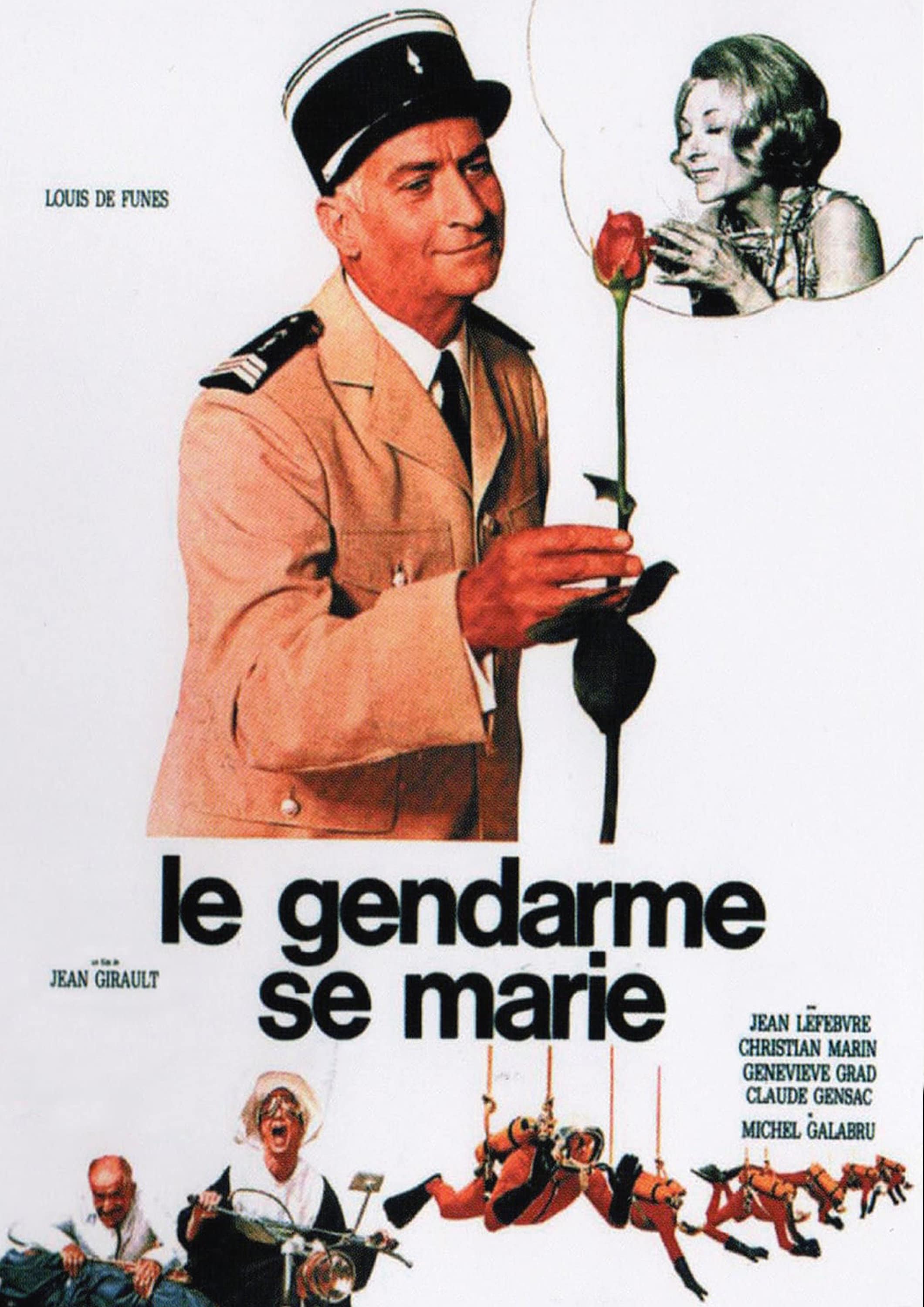
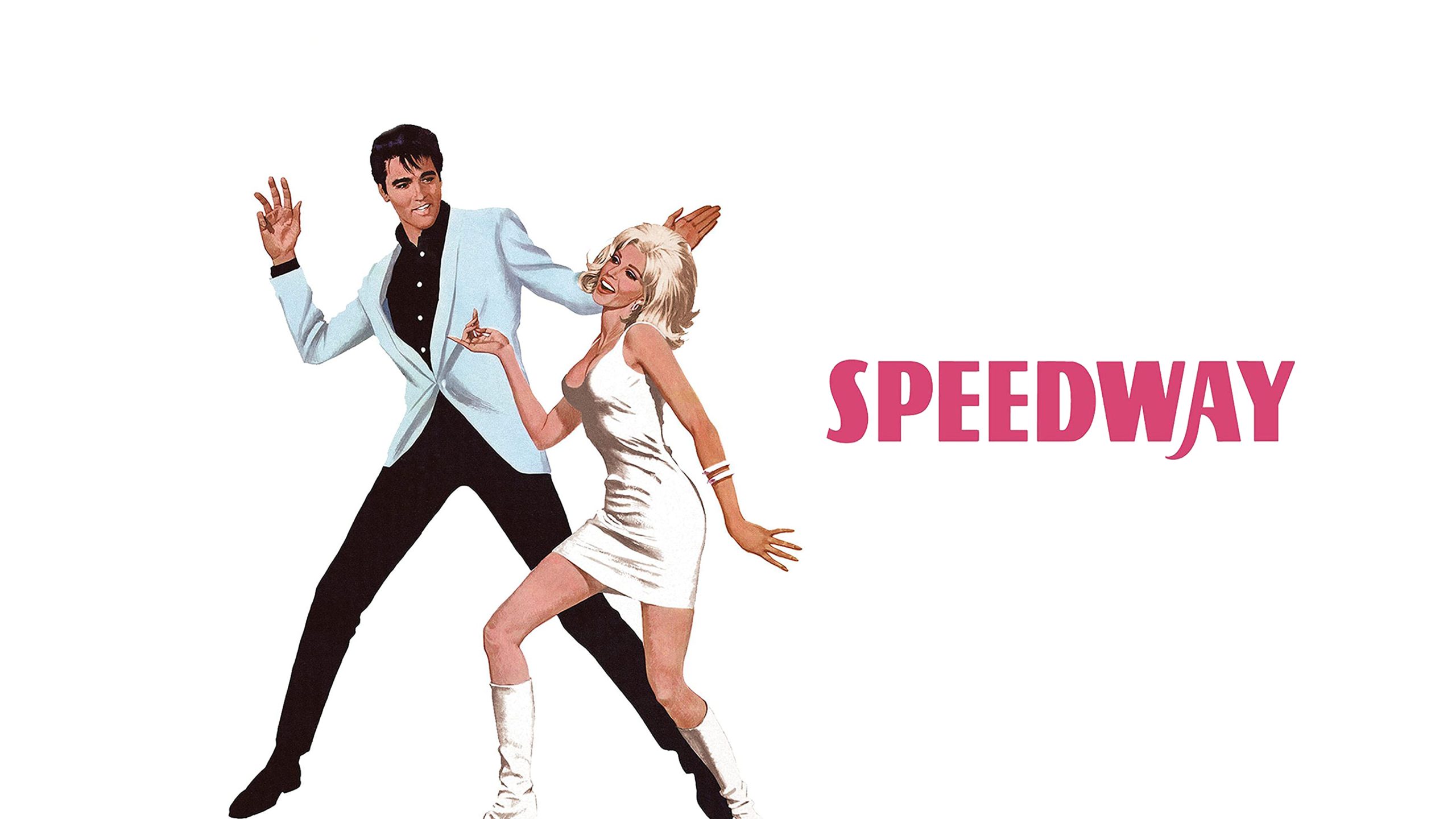
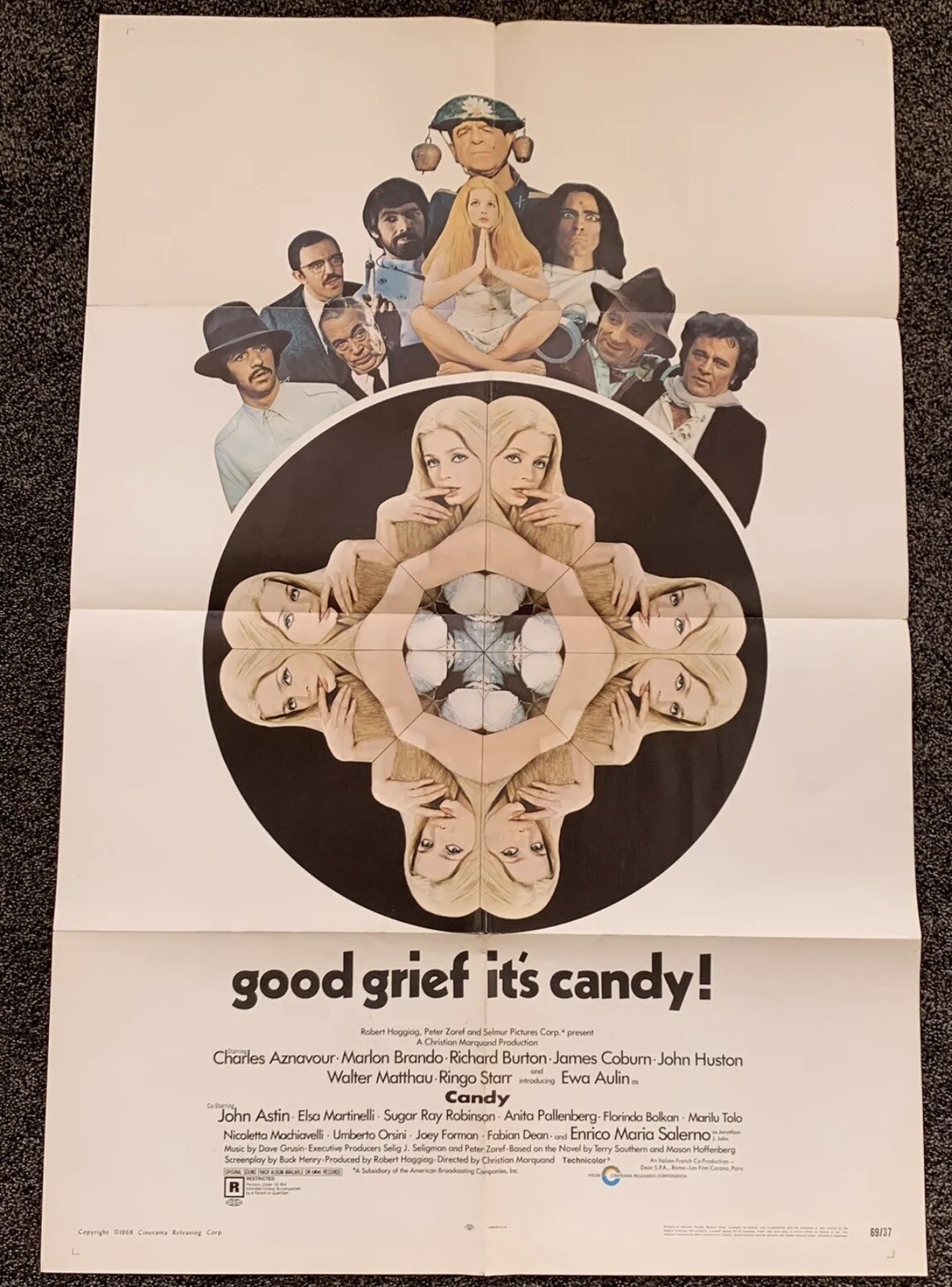
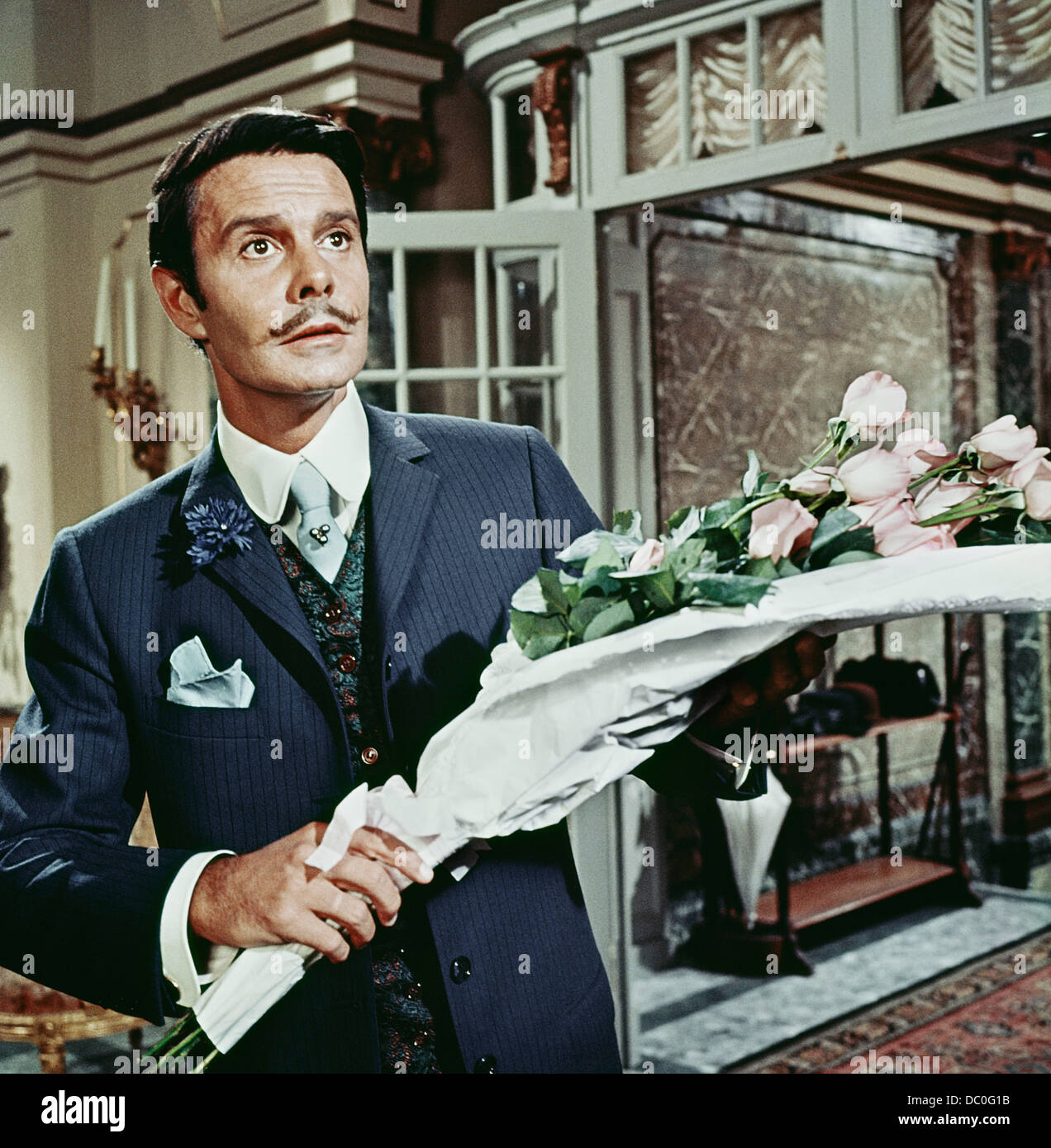
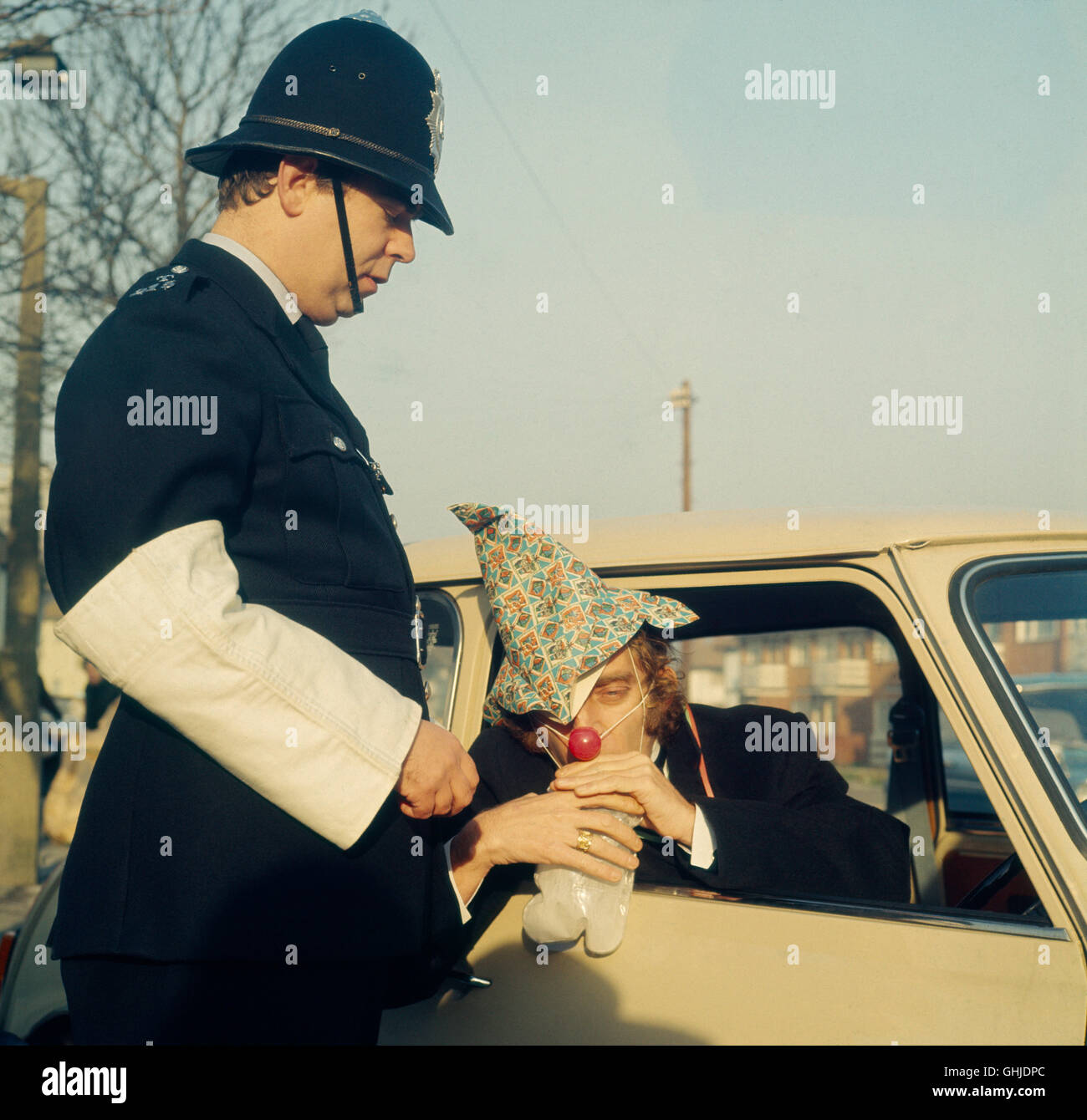
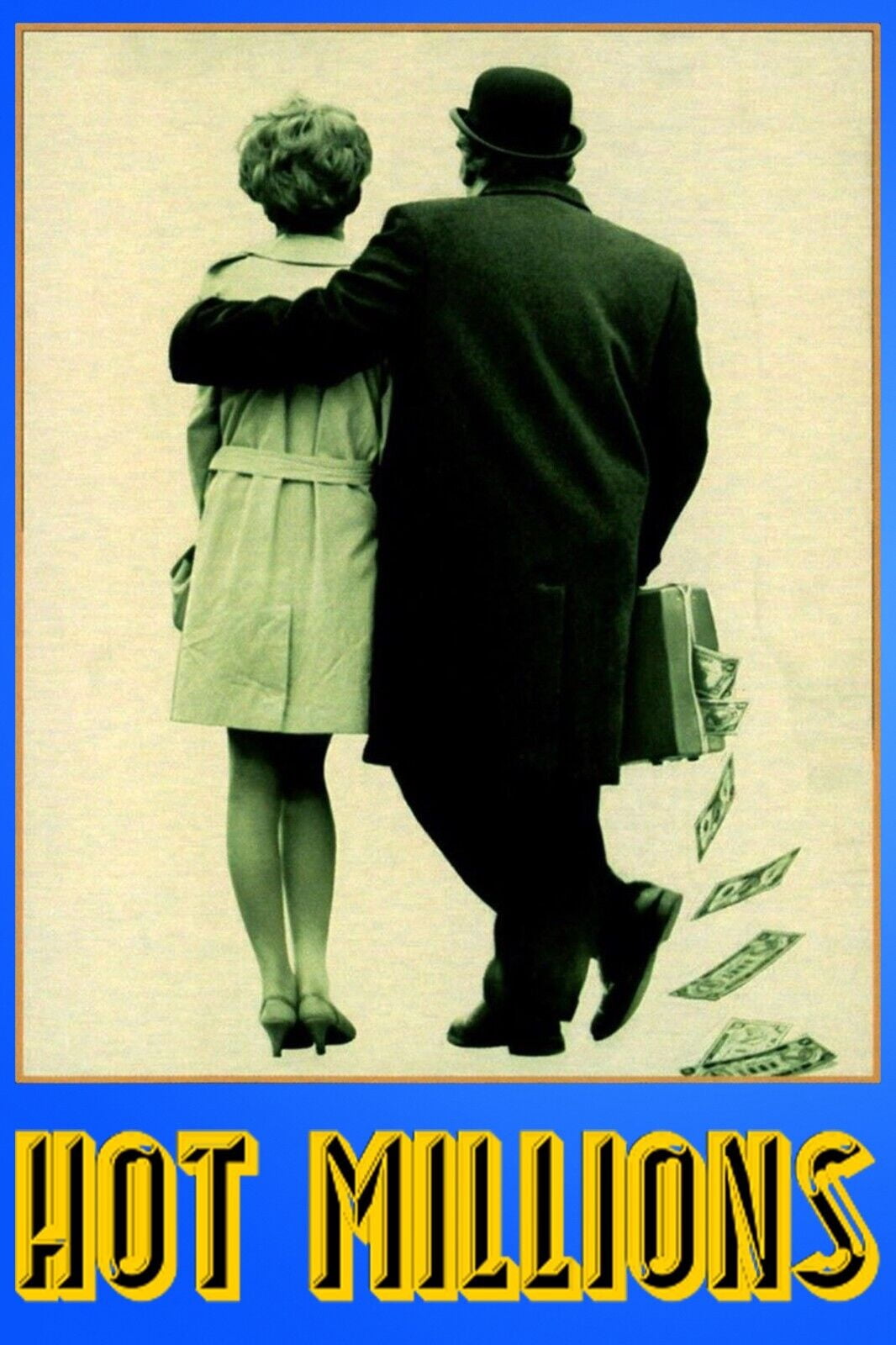
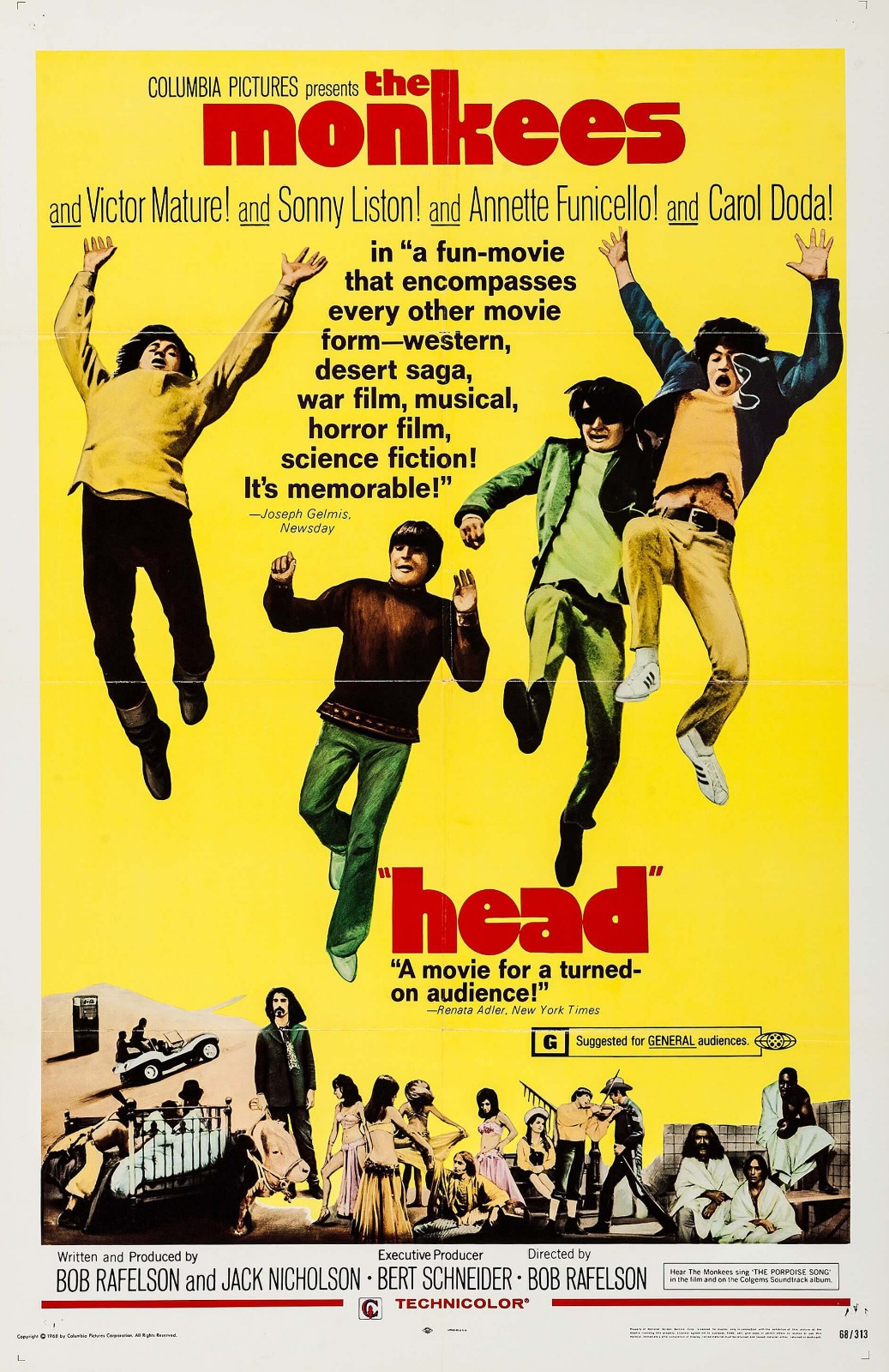
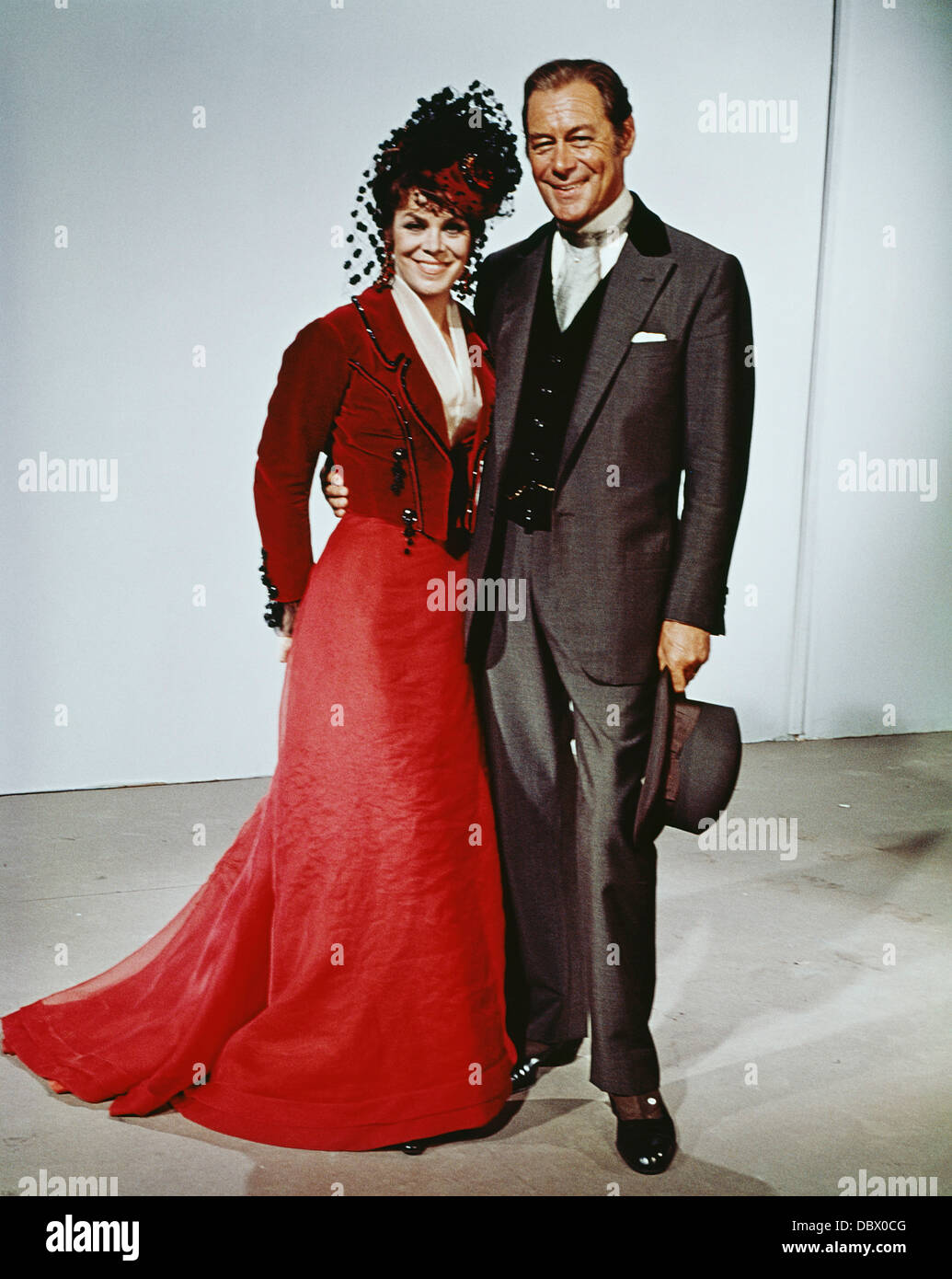
In 1968, comedy films underwent a significant transformation, reflecting the cultural upheaval and shifting social norms of the decade. This pivotal year produced a diverse array of classics, from the sharp satire of The Producers and the character-driven wit of The Odd Couple to the whimsical family appeal of The Love Bug, effectively bridging the gap between traditional slapstick and the daring "New Hollywood" era.
The year 1968 remains one of the most volatile and influential periods in modern history. As the world grappled with the Vietnam War, civil rights movements, and political assassinations, the film industry was in a state of flux. The transition from the restrictive Hays Code to the MPAA rating system in November 1968 opened the doors for filmmakers to explore more "adult" themes, cruder language, and sharper political barbs. Consequently, 1968 comedy films offer a fascinating snapshot of a society in transition, using humor to process both the absurdity of the human condition and the anxieties of the era.
The Cultural Landscape of 1968 Cinema
To understand 1968 comedy films, one must first recognize the industry's structural changes. The traditional studio system was crumbling, giving way to independent-minded directors and writers who were less interested in the sanitized "screwball" comedies of the 1940s and more interested in realism, satire, and counter-culture themes.
Comedy in 1968 was not a monolithic genre. It splintered into several distinct directions:
- The Sophisticated Satire: Films that poked fun at show business, politics, and social etiquette.
- The Modern Buddy Comedy: Character studies that relied on dialogue and chemistry rather than physical gags.
- The High-Concept Family Film: Disney-led adventures that utilized special effects and anthropomorphic characters.
- The Psychedelic and Musical Comedy: Experimental films that leaned into the "swinging sixties" aesthetic.
By analyzing these films as products of their time, we can see how comedy served as both an escape and a mirror for the 1968 audience.
Major Comedy Releases of 1968: A Detailed Analysis
The following films represent the pinnacle of comedic output for the year, each contributing a unique element to the cinematic canon.
The Odd Couple: Redefining the Buddy Dynamic
Directed by Gene Saks and written by Neil Simon, The Odd Couple is perhaps the most enduring comedy of 1968. Starring Jack Lemmon as the neurotic, obsessive-compulsive Felix Ungar and Walter Matthau as the slovenly, carefree Oscar Madison, the film perfected the "mismatched roommates" trope.
What makes The Odd Couple technically significant is its reliance on rhythm and dialogue. Unlike many earlier comedies that relied on visual pratfalls, Simon's script used the claustrophobia of a New York apartment to heighten the tension between its leads. The film proved that audiences were hungry for character-driven stories that mirrored the domestic frustrations of the middle class. In 2026, it remains a masterclass in comedic timing and structural pacing.
The Producers: The Birth of Transgressive Satire
While it saw a limited release in late 1967, Mel Brooks' The Producers hit its stride in 1968. The plot—a failing Broadway producer and a timid accountant scheme to get rich by producing a guaranteed flop called "Springtime for Hitler"—was profoundly controversial.
Brooks used the film to dismantle the "untouchable" nature of historical tragedy through absurdity. By making a Nazi-themed musical the centerpiece of a comedy, Brooks challenged the boundaries of good taste. The film won an Academy Award for Best Original Screenplay, signaling that the industry was ready to reward darker, more irreverent humor. It established Mel Brooks as a major comedic force who would go on to define the genre in the 1970s.
The Party: Improvisation and Technical Innovation
Directed by Blake Edwards and starring Peter Sellers, The Party is a unique entry in 1968's filmography. It follows Hrundi V. Bakshi, an accident-prone Indian actor who is mistakenly invited to a glamorous Hollywood party.
Technically, The Party was a pioneer. It was one of the first films to use a video assist system, which allowed Sellers and Edwards to review their improvised takes immediately after filming. This allowed for a highly experimental atmosphere on set. While the film’s use of "brownface" is rightly criticized by modern standards, its structural commitment to a single-location "slow burn" of escalating chaos remains a significant study in visual comedy.
The Love Bug: Disney’s Dominance in Family Comedy
On the other end of the spectrum, Disney’s The Love Bug became a massive commercial juggernaut. Introducing Herbie, the sentient Volkswagen Beetle, the film appealed to the escapist needs of families during a year of social unrest.
The film's success can be attributed to its innovative use of practical effects and stunt driving. It wasn't just a children's story; it was an underdog tale that resonated with the general public’s growing skepticism of "the establishment." The Love Bug launched a multi-decade franchise and solidified the "sentient machine" as a viable comedic subgenre.
Comparison of Top 1968 Comedy Films
The following table provides a breakdown of the key characteristics and commercial impact of major 1968 comedies.
| Film Title | Lead Actor(s) | Director | Primary Style | Key Theme |
|---|---|---|---|---|
| The Odd Couple | Jack Lemmon, Walter Matthau | Gene Saks | Character Comedy | Domestic Friction |
| The Producers | Zero Mostel, Gene Wilder | Mel Brooks | Satire | Show Business Greed |
| The Love Bug | Dean Jones, Michele Lee | Robert Stevenson | Family/Adventure | The Underdog Spirit |
| The Party | Peter Sellers | Blake Edwards | Slapstick/Improv | Social Awkwardness |
| Yellow Submarine | The Beatles (animated) | George Dunning | Musical/Surrealist | Counter-culture / Peace |
| Yours, Mine and Ours | Lucille Ball, Henry Fonda | Melville Shavelson | Family Sitcom | Large-family Logistics |
| Barbarella | Jane Fonda | Roger Vadim | Sci-Fi/Camp | Sexual Liberation |
British Comedy and the "Swinging Sixties" Influence
While Hollywood was shifting its focus, British cinema in 1968 continued to exert a massive influence on the comedy landscape. The "Swinging London" aesthetic was still in full swing, blending fashion, music, and irreverent humor.
Carry On Up the Khyber
The Carry On series reached one of its creative peaks in 1968 with Carry On Up the Khyber. This film parodied British imperialism and the adventure epics of the previous decade (like Lawrence of Arabia). It utilized the series' signature double entendres and low-brow puns to critique the crumbling facade of the British Empire. Its lasting appeal lies in its ability to be simultaneously vulgar and biting in its social commentary.
Yellow Submarine
Though often categorized as a musical or an animation, Yellow Submarine is fundamentally a surrealist comedy. It captured the psychedelic spirit of 1968, using "The Beatles" as avatars for a journey against the "Blue Meanies." The film’s humor was abstract and pun-heavy, appealing to both children and the burgeoning "stoner" culture of the late sixties. It revolutionized animation by proving that the medium could be used for sophisticated, adult-leaning comedic storytelling.
Technical Shifts: From Stage to Screen
A major reason 1968 comedy films feel different from their predecessors is the evolution of cinematography and editing. In the 1950s, many comedies were filmed with a static "proscenium arch" feel, as if the audience were watching a play.
By 1968, influenced by the French New Wave, comedy directors began using:
- Handheld Cameras: Used in films like The Party to create a sense of frantic, "you-are-there" energy during chaotic scenes.
- Jump Cutting: Breaking the traditional flow of time for comedic effect, a technique famously utilized in the zany sequences of The Producers.
- Location Shooting: Moving away from backlots. The Odd Couple utilized the actual streets of New York City, adding a gritty, realistic texture that grounded the heightened comedic dialogue.
The Legacy of 1968 Comedies
The films of 1968 paved the way for the "Golden Age" of 1970s comedy. Without the boundary-pushing nature of The Producers, we might never have seen the works of Woody Allen or the later satires of Monty Python. The year proved that comedy was a flexible tool—capable of providing lighthearted family entertainment (The Love Bug) while simultaneously functioning as a weapon against authoritarianism and social rigidity.
Furthermore, 1968 saw the final gasps of the old-school musical comedy (Chitty Chitty Bang Bang and Funny Girl), which, while successful, began to feel like relics compared to the sharper, more cynical comedies that were starting to dominate the box office. This tension between the "old" and "new" is exactly what makes the 1968 filmography so rich for study.
Frequently Asked Questions
What was the most successful comedy at the box office in 1968?
The most successful comedy in terms of domestic box office was The Love Bug, which grossed over $51 million in its initial run. While The Odd Couple and Funny Girl (a musical comedy) were also major hits, the broad appeal of Disney’s Herbie captured the largest audience share across all demographics.
How did the end of the Hays Code affect 1968 comedies?
The transition to the MPAA rating system allowed comedies to use more explicit language and explore sexual themes that were previously banned. For example, Barbarella and The Producers pushed boundaries of sexuality and political satire that would have been heavily censored or outright banned just two years prior.
Did any 1968 comedies win Academy Awards?
Yes. Mel Brooks won the Academy Award for Best Original Screenplay for The Producers. Additionally, Ruth Gordon won Best Supporting Actress for Rosemary's Baby (not a comedy), but the year also saw Barbra Streisand win Best Actress for the musical comedy Funny Girl. This period marked an era where the Academy began taking comedic writing and performances more seriously.
Why is 1968 considered a turning point for the comedy genre?
1968 is a turning point because it saw the collision of traditional Hollywood values and the counter-culture movement. This resulted in a mix of "safe" family films and "dangerous" satirical films. The introduction of the rating system and the success of dialogue-heavy films like The Odd Couple shifted the focus from broad physical gags to psychological and social humor.
Are 1968 comedy films still relevant to modern audiences?
Absolutely. Many tropes established in 1968, such as the "mismatched roommates" in The Odd Couple or the "meta-humor" in The Producers, are staples of modern sitcoms and films. These movies are frequently available on major streaming platforms like Max, Criterion Channel, and Disney+ as of 2026, testifying to their enduring popularity.
Final Recommendation
For those looking to explore 1968 comedy films, the best starting point is a "double feature" of The Odd Couple and The Producers. Together, these two films provide a perfect overview of the year’s range: one representing the perfection of the scripted, character-driven play-to-film adaptation, and the other representing the wild, transgressive spirit of the new era. Watching these films provides more than just laughs; it offers a window into the soul of a year that changed the world forever.