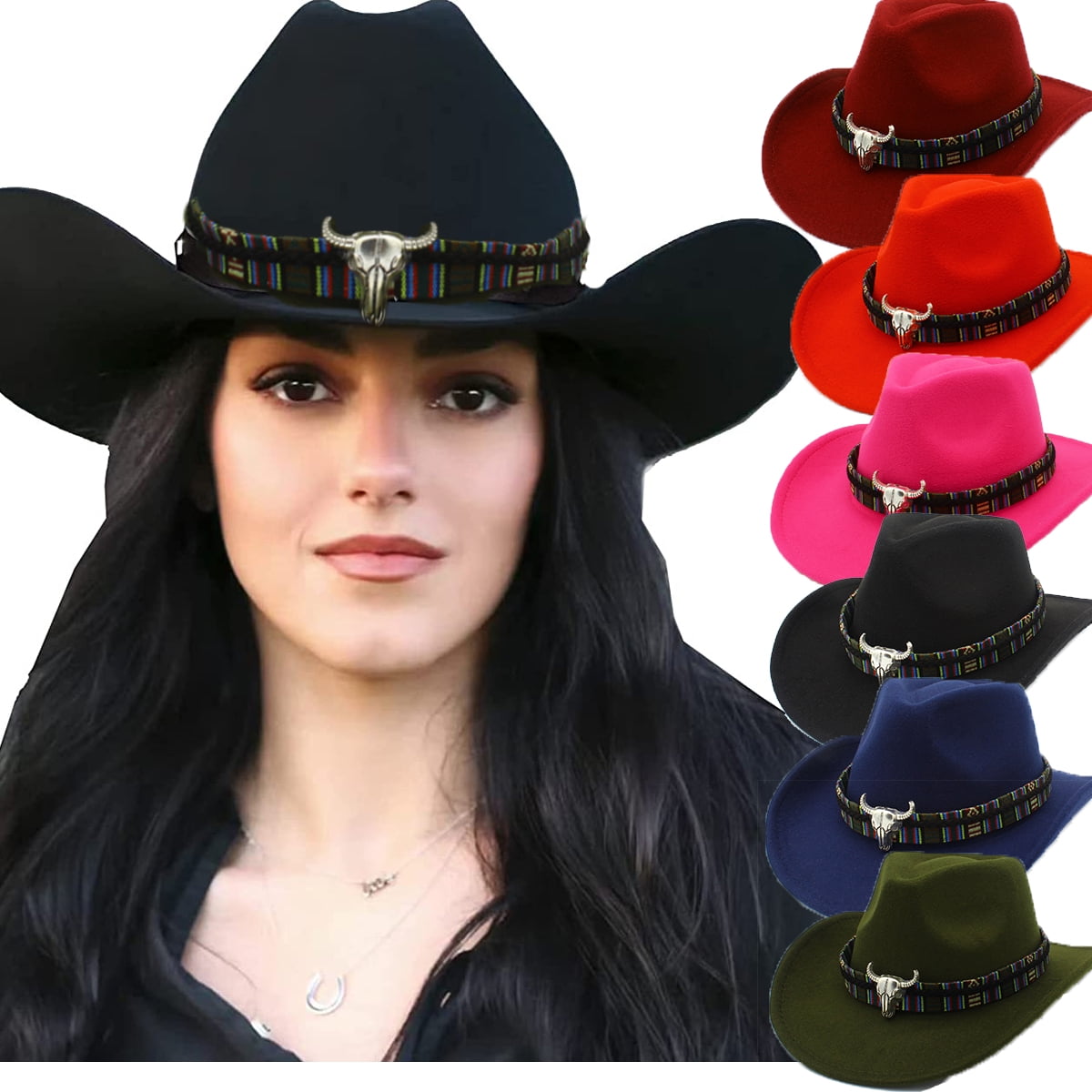
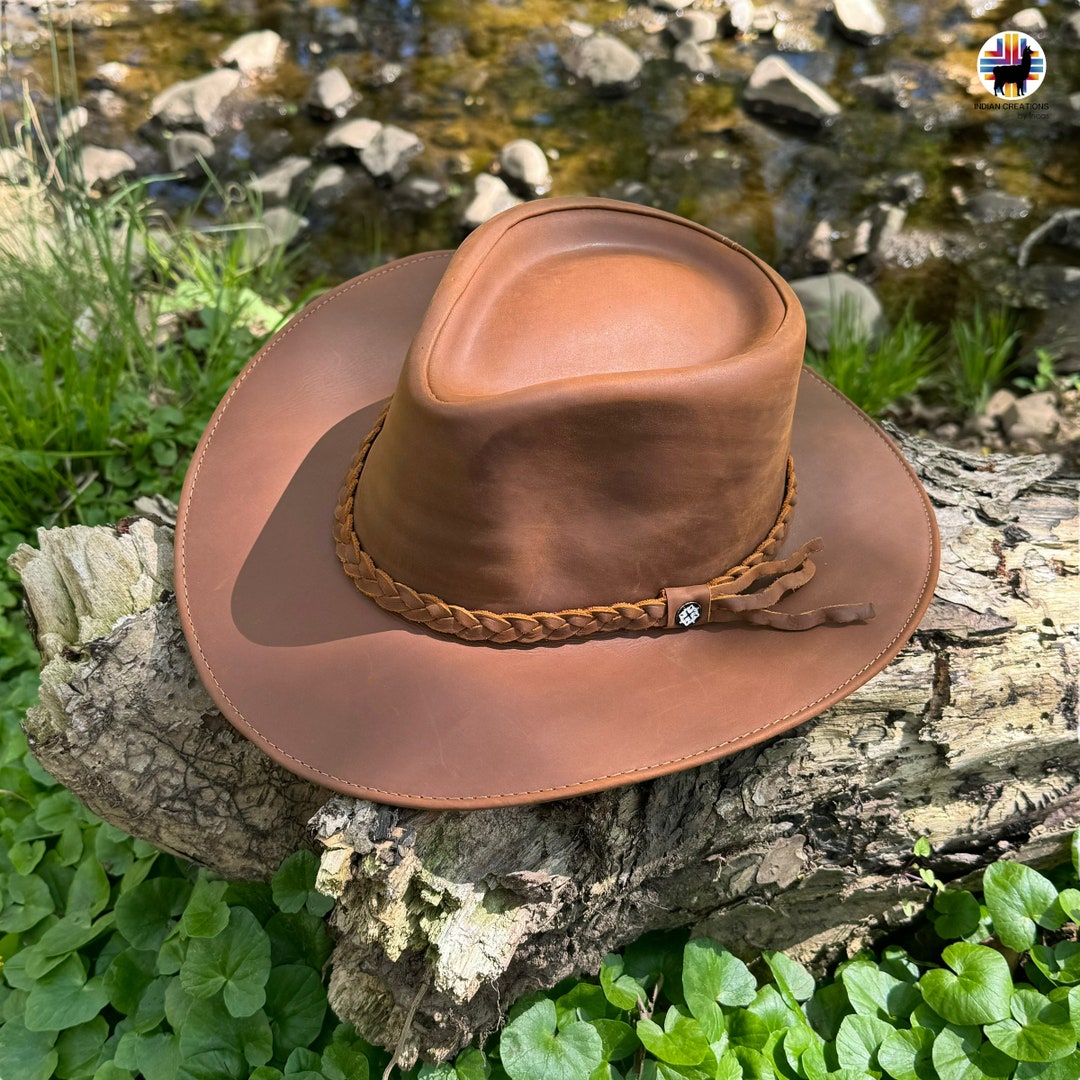
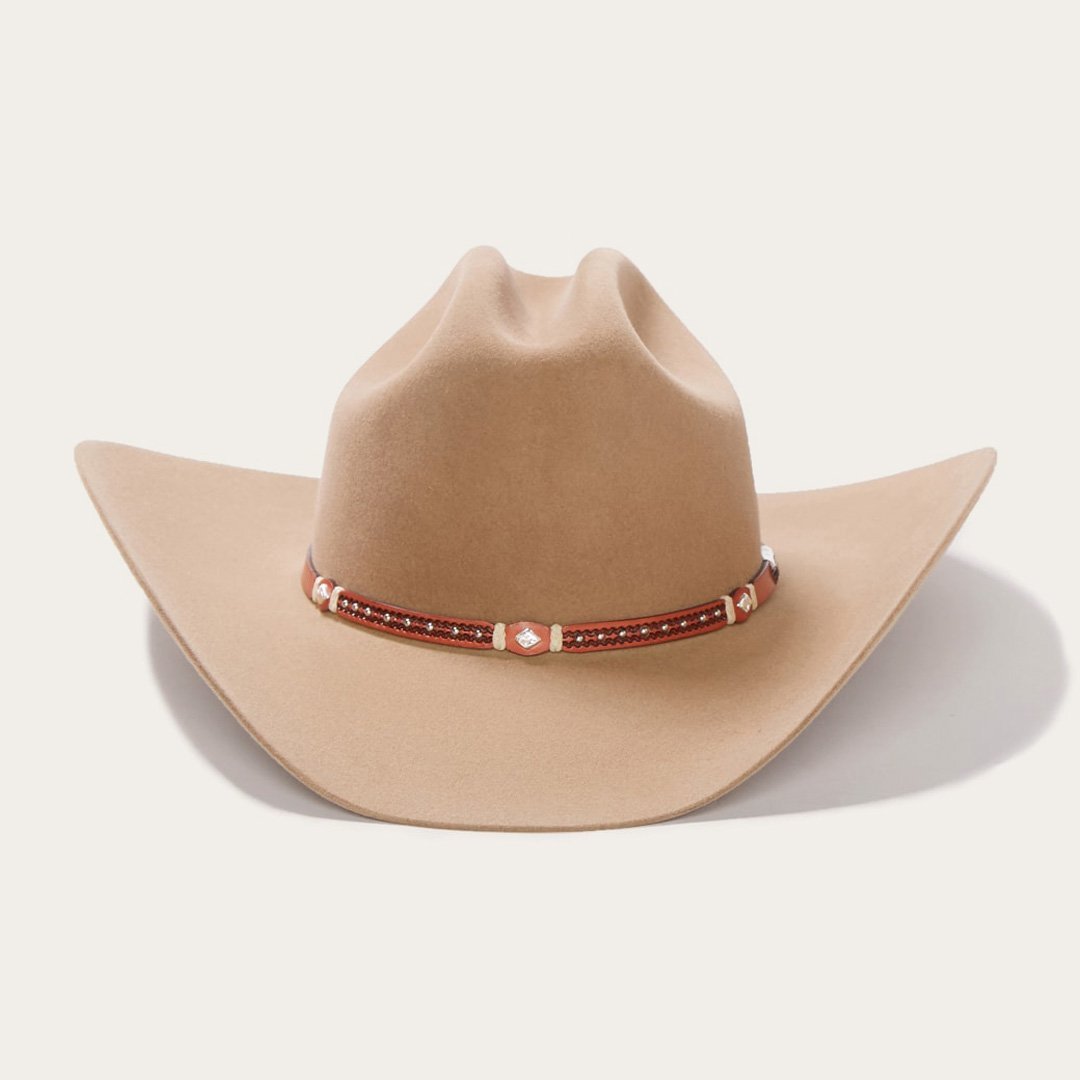
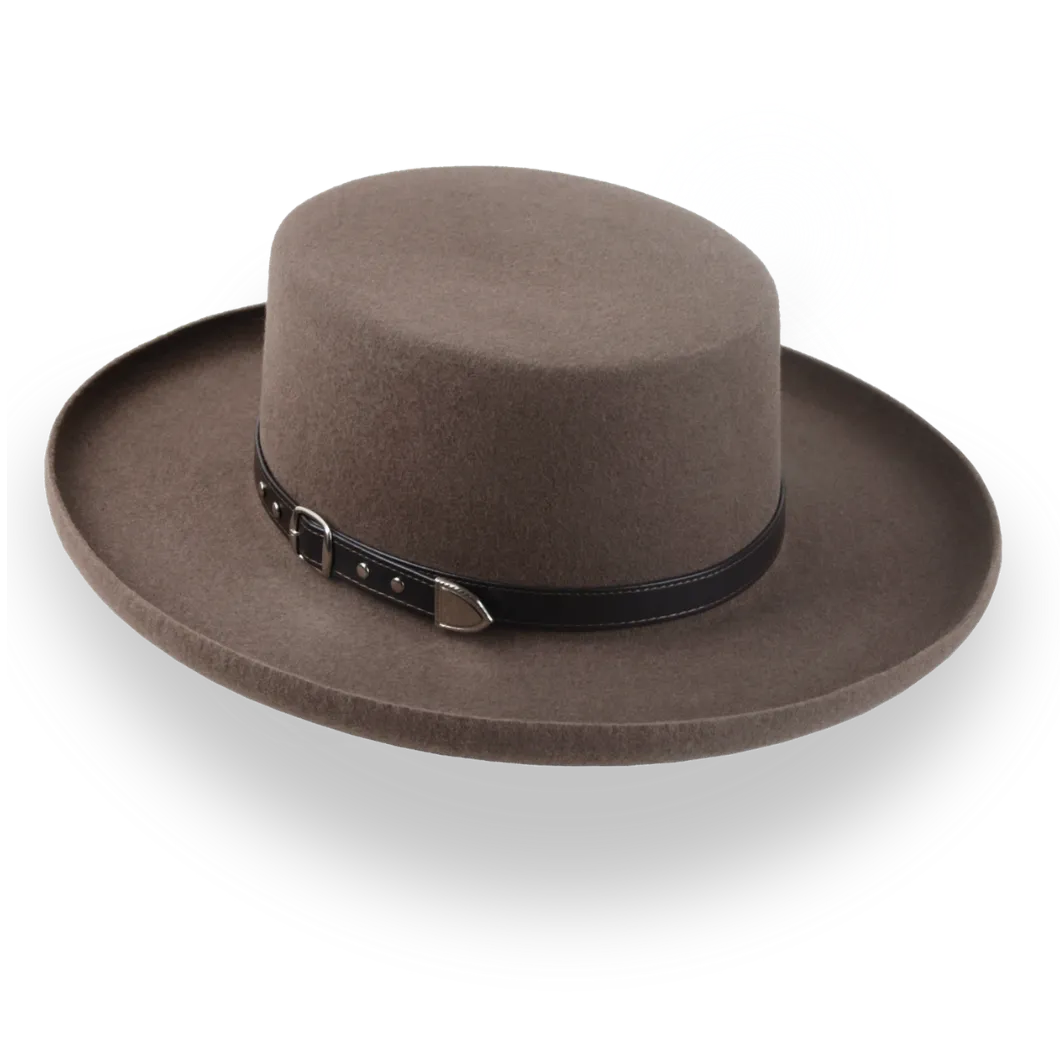
Western hats are iconic pieces of headwear characterized by a high crown indented on the top, a wide brim designed to protect from the elements, and deep roots in the working culture of the American frontier. Selecting, maintaining, and understanding these hats requires examining their traditional construction materials, structural anatomy, regional styling variations, and proper care techniques.
Introduction to Western Hats
The western hat occupies a unique space at the intersection of rugged utility and enduring fashion. Originally designed as practical gear for cattle herders, cowboys, and outdoor laborers navigating the harsh climates of the American West, these hats have evolved into cultural symbols worn worldwide. Whether you are seeking a functional piece of workwear for ranch life, a traditional accessory for equestrian events, or a stylish addition to a contemporary wardrobe, understanding the nuances of western hats is essential.
Navigating the world of western headwear requires looking beyond generic labels. Terms like "cowboy hat" encompass a vast array of styles, felts, straws, crown creases, and brim shapes. This guide explores the foundational history, structural components, material science, and practical considerations involved in purchasing and maintaining a quality western hat.
Historical Evolution of the Western Hat
The modern western hat did not emerge overnight; it is the product of functional adaptations made by 19th-century frontiersmen, cavalry soldiers, and cattlemen. Before the iconic silhouette became standardized, early settlers and explorers wore a variety of headwear, including top hats, bowlers, and slouch hats, none of which offered adequate protection against the blazing sun, torrential rain, and driving wind of the open plains.
The John B. Stetson Innovation
The definitive turning point in western hat history occurred in 1865 when John B. Stetson created the "Boss of the Plains." Legend states that Stetson fashioned the hat while hunting and camping during his travels in the West. He used lightweight, water-repellent felt made from fur fibers without any chemical stiffening agents. The original design featured a symmetrical, high crown and a wide, flat brim that could shield the wearer from weather extremes.
As cattle trailing expanded across Texas, the Great Plains, and into Canada, the "Boss of the Plains" became the undisputed standard. Cowboys quickly discovered that the soft, pliable felt could be customized. By soaking the hat in water or exposing it to steam, a wearer could reshape the crown and brim to suit personal preference, regional styles, or functional needs—such as pinning up one side of the brim to accommodate a rifle or creating a specific crease to shed rain more effectively.
Anatomy of a Western Hat
Every western hat consists of several distinct structural parts. Familiarizing yourself with these components will help you communicate effectively with hatters, evaluate build quality, and select a silhouette that complements your facial structure.
| Component | Primary Function & Characteristics |
|---|---|
| Crown | The top portion covering the head; features specific creases and blocks. |
| Brim | The horizontal shelf extending outward providing sun and weather protection. |
| Sweatband | Internal band (leather or cloth) that absorbs sweat and ensures a snug fit. |
| Crease / Pinch | Indentations on the crown formed by heat and pressure during blocking. |
| Hat Band | Decorative band encircling the base of the crown, often leather or horsehair. |
The Crown and Creases
The crown is the upper part of the hat that sits on your head. Out of the factory, many traditional hats arrive as "open crowns"—meaning they are completely smooth and round. Hatters or wearers then shape the crown using steam. Common crown creases include:
- The Cattleman: The most classic crease, featuring a central dent running front-to-back with two side dents, offering a balanced and traditional look.
- The Gus: A sloping crown that is lower in the front and higher in the back, historically popular among lawmen and packers in the Pacific Northwest.
- The Tom Horn / Center Dent: Features a simple longitudinal crease down the center of the crown, popular in early rodeo circuits.
- The Brick: A flat-topped crown with four symmetrical corner dents, favored by working cowboys in the Southwest.
The Brim
The brim extends outward from the base of the crown. Brims typically range from 3.5 inches to 5 inches in width. The edge of the brim can be left raw, bound with ribbon, or curled into specific shapes. Common brim styles include the "pencil roll" (a tight, upward curl at the edges) and flat brims favored in modern fashion.
Materials and Quality Grading
The longevity, durability, and cost of a western hat depend heavily on the materials used in its construction. Western hats are broadly divided into two seasonal categories: fur felt for cooler weather and straw for warmer months.
Fur Felt Hats
Fur felt is the gold standard for premium western hats. Unlike wool felt, which is made from sheep's wool and tends to lose its shape and absorb moisture easily, fur felt is crafted from the underfur of animals such as beaver, rabbit, hare, or mink. Beaver fur is prized above all others because beaver fibers possess microscopic barbs that interlock tightly during the felting process, creating a material that is exceptionally soft, dense, water-repellent, and durable.
Understanding X-Ratings
Manufacturers historically used an "X" rating system (e.g., 2X, 5X, 10X, 100X) to denote the quality and percentage of beaver fur used in a hat. While the exact standards vary significantly between manufacturers today—as there is no universal regulatory body governing X-ratings—the general rule remains consistent: more Xs typically indicate a higher percentage of beaver fur, a tighter weave, a softer hand-feel, and a higher price point. Entry-level hats often blend rabbit fur and wool with minor beaver content, while high-end luxury hats may feature 100% pure beaver fur.
Straw Hats
When temperatures rise, working cowboys and outdoor enthusiasts switch to straw hats for breathability. Straw western hats are woven from various natural and synthetic fibers, each offering unique performance characteristics:
- Shantung (Paper Straw): Made from tightly twisted paper yarn coated in a protective lacquer. Shantung hats offer a smooth, refined finish resembling felt, making them popular for formal western wear and casual settings alike.
- Palm Leaf: Naturally breathable, incredibly durable, and capable of being reshaped by soaking in water. Palm leaf hats are favored for heavy outdoor labor.
- Bangora: A lightweight synthetic straw material known for its flexibility and resistance to cracking.
- Natural Grasses (Toquilla, Raffia, Seagrass): Hand-woven from natural plant fibers, offering authentic texture and exceptional airflow, though they require careful handling to avoid breakage.
Selecting the Right Hat for Your Face Shape and Use
Choosing a western hat involves balancing functional requirements with aesthetic harmony. A hat that overwhelms your frame or clashes with your facial structure will look out of place, regardless of its quality.
Matching Hat Proportions to Facial Structure
- Round Faces: Choose a hat with a taller crown and sharper creases (such as a Cattleman or Pinched front). A high crown elongates the face, while angular creases offset round features. Avoid flat, low crowns and overly rounded brims.
- Oval Faces: This versatile face shape can pull off almost any crown style and brim width. Focus on balancing the width of the brim with the width of your shoulders.
- Square Faces: Soften strong jawlines and angular features with a hat that features a rounded crown (such as a Rodeo or gambler style) and a moderate brim width.
- Long Faces: Select a hat with a lower crown and a wider brim. This horizontal emphasis helps visually shorten the face, whereas a tall crown will exaggerate length.
Determining the Correct Fit
A properly fitted western hat should rest comfortably on your head without causing pressure points or sliding down over your ears. To find your size:
- Use a flexible measuring tape and wrap it around your head approximately one-half inch above your ears and eyebrows, where the hatband will naturally rest.
- Compare your measurement in inches or centimeters to a standard hat sizing chart (typically ranging from 6 3/4 to 8, or Small to Extra Large).
- Keep in mind that leather sweatbands will gradually conform to the exact shape of your head with wear, while non-leather sweatbands offer less give. If you fall between sizes, many hatters recommend sizing up and using hat-sizing reducer tape.
Care, Maintenance, and Storage
A high-quality western hat is an investment that, with proper care, can last for decades. Neglecting basic maintenance can lead to warped brims, stained felt, or cracked straw.
Daily Handling and Storage
- Never Rest a Hat on Its Brim: Always store your hat upside down resting on its crown, or place it on a dedicated hat rack or wall hook. Resting a hat on its brim flattens the shape and distorts the curves.
- Handle by the Crown: Avoid pinching or grabbing the hat by the front pinch or sides of the crown repeatedly, as oils from your hands will stain the felt or straw over time. Always pick up your hat by the front and back of the crown simultaneously or lift it by the brim edge.
- Protect from Extreme Heat: Leaving a fur felt or straw hat inside a hot vehicle during summer will cause the sweatband to shrink, the lacquers on straw hats to yellow or crack, and the felt to warp irreversibly.
Cleaning and Conditioning
- Cleaning Fur Felt: Use a soft-bristled horsehair hat brush to remove dust and surface debris. Always brush in a counter-clockwise direction (following the natural grain of the felt). For minor stains, use a dry sponge or specialized felt cleaning block. Avoid water on untreated felt, as it can water-spot the material.
- Cleaning Straw Hats: Wipe down straw hats gently with a damp, lint-free cloth dampened with mild soapy water. Dry immediately with a clean towel and allow it to air dry completely in a shaded, well-ventilated area.
Frequently Asked Questions
Can I wear a straw hat in the winter?
Traditional western etiquette dictates that straw hats are worn from Memorial Day to Labor Day, while felt hats are worn during the cooler months of the year. While these seasonal guidelines originated from practical thermal needs, modern fashion is more flexible. However, wearing a straw hat in freezing or rainy weather offers virtually no insulation and can ruin the straw fibers, so felt remains the superior choice for winter.
How do I fix a misshapen felt hat?
If your fur felt hat loses its shape due to rain or improper storage, you can restore it using steam. Hold the hat over a boiling kettle of water or use a professional clothing steamer, being careful not to hold it too close to prevent scorching. Once the felt is warm and pliable, use your hands to gently push, pull, and reform the crown and brim back to its original lines. Allow the hat to dry completely in that position.
What is the difference between a cowboy hat and a western hat?
All cowboy hats are western hats, but not all western hats are cowboy hats. "Western hat" is the broad umbrella term encompassing any hat designed with western styling cues—including work hats, fashion westerns, outback hats, and rodeo hats. "Cowboy hat" specifically refers to hats historically worn by working cattlemen, featuring deep crown creases and wide brims optimized for horseback riding and ranch labor.
How should I pack a western hat for travel?
Packing a western hat requires care to avoid crushing the crown. If you are traveling by air, wear your hat through security and on the plane, or place it in a dedicated rigid hard-shell hat box in the overhead bin. Never pack a fur felt or structured straw hat flat at the bottom of a suitcase unless it is an explicitly crushable, packable travel hat designed specifically for that purpose.
How can I make a slightly large hat fit tighter?
If your hat is slightly loose, you can insert self-adhesive foam hat-sizing reducer strips underneath the inner leather sweatband at the forehead or back of the head. This adds a fraction of an inch of padding, securing the fit without altering the exterior appearance of the hat.
Conclusion and Next Actions
Investing in a quality western hat involves understanding your climate, lifestyle, and personal aesthetic. Begin by measuring your head accurately and deciding whether a breathable straw hat for summer or a durable fur felt hat for cooler seasons best suits your needs. Inspect crown styles and brim widths carefully to ensure the silhouette complements your facial structure. By following proper storage practices, cleaning your hat regularly with a soft brush, and protecting it from moisture and excessive heat, you will ensure your western hat remains a reliable, distinguished staple of your wardrobe for years to come.