John Witherspoon (1942–2019) was a legendary American actor and comedian best known for his iconic portrayal of Willie Jones in the Friday film franchise and his voice work as Robert "Granddad" Freeman on The Boondocks. Over a career spanning four decades, he became a definitive figure in Black cinema and television, celebrated for his improvisational genius, expressive physical comedy, and unforgettable catchphrases that remain deeply embedded in global pop culture as of 2026.
Understanding the Two Legacies of John Witherspoon
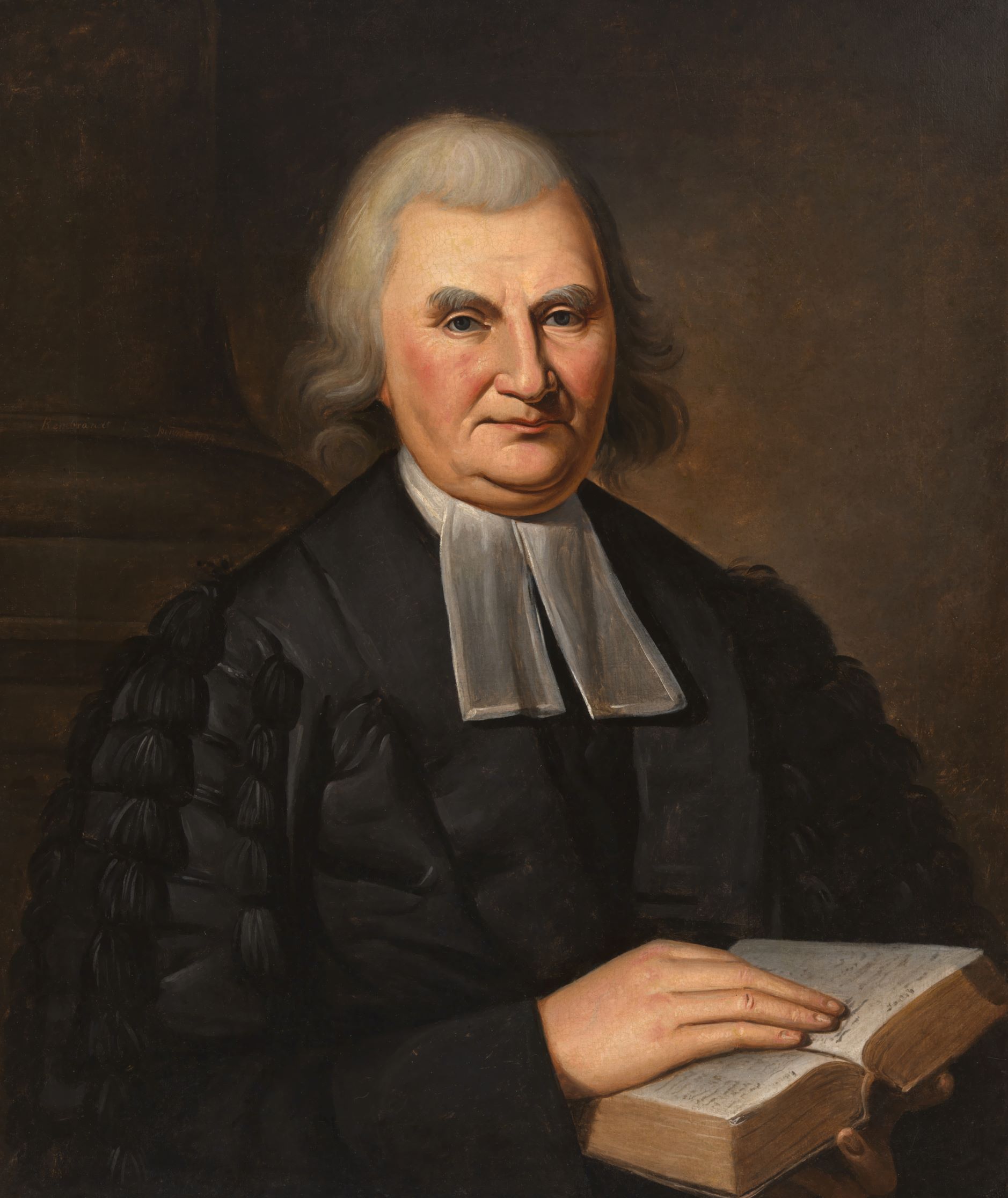
Before exploring the prolific career of the entertainer, it is essential to distinguish between the two prominent historical figures who share this name. While modern search intent almost exclusively targets the actor and comedian, American history also recognizes a primary John Witherspoon (1723–1794). The elder Witherspoon was a Scottish-American Presbyterian minister and a signatory of the United States Declaration of Independence. As the president of the College of New Jersey (now Princeton University), he influenced the foundational political and educational structures of the United States.
However, the subject of this comprehensive review is the 20th-century icon of comedy. This John Witherspoon redefined the role of the "Black father figure" in media, moving away from stiff, idealized portrayals toward a more relatable, boisterous, and deeply human archetype. His work bridges the gap between the stand-up boom of the 1970s and the digital era, where his performances continue to thrive through streaming and social media.
Early Life and the Detroit Influence
John Weatherspoon (later changed to Witherspoon) was born on January 27, 1942, in Detroit, Michigan. Growing up in a large family of 11 siblings, his environment was rich with creative energy. Detroit in the mid-20th century was the epicenter of the Motown sound, and the Witherspoon family was directly connected to this cultural explosion. His brother, William Witherspoon, became a successful songwriter for Motown, co-writing the classic hit "What Becomes of the Brokenhearted."
This proximity to the entertainment industry provided John with an early blueprint for a career in the arts. While he initially dabbled in modeling and music (playing the trumpet), it was his natural wit and ability to command a room that eventually led him toward the stage. His Detroit roots instilled in him a specific brand of "blue-collar" humor—fast-paced, observational, and unapologetically authentic—that would later define his professional persona.
The Stand-Up Roots and the Road to Hollywood
Witherspoon began his professional comedy journey in the 1970s, moving to Los Angeles to immerse himself in the burgeoning stand-up scene. He became a regular at The Comedy Store, a legendary venue where he rubbed shoulders with future icons like Richard Pryor, Robin Williams, and David Letterman.
His transition from stage to screen was catalyzed by his appearance on The Richard Pryor Show in 1977. This short-lived but highly influential variety show served as a launching pad for several comedic talents. Witherspoon’s ability to use his facial expressions—specifically his wide-eyed reactions and exaggerated "mugging"—made him an instant favorite for casting directors looking for character actors who could deliver high-impact performances in limited screen time.
Throughout the 1980s, Witherspoon became a "face you knew even if you didn't know the name." He appeared in numerous television series, including:
- What's Happening!!
- Good Times
- The Incredible Hulk
- WKRP in Cincinnati
His film debut occurred in the 1980 film The Jazz Singer, but it was his work in the late 80s and early 90s in films like Hollywood Shuffle (1987) and I'm Gonna Git You Sucka (1988) that solidified his reputation within the "Black Hollywood" Renaissance.
The "Friday" Era: Defining a Generation
In 1995, John Witherspoon’s career reached its zenith with the release of Friday, written by Ice Cube and DJ Pooh. Cast as Willie Jones, the dog-catching, lecture-prone father of Craig Jones (Ice Cube), Witherspoon delivered a performance that became the emotional and comedic backbone of the film.
While the film was a modest commercial success upon release, its cultural impact grew exponentially through home video and cable syndication. Witherspoon’s Willie Jones was more than just a source of laughs; he represented a specific type of paternal figure: strict but loving, eccentric but grounded in reality. His monologue about "winning some and losing some" regarding neighborhood violence offered a rare moment of gravitas in a stoner comedy, demonstrating Witherspoon’s range as an actor.
He reprised this role in the sequels Next Friday (2000) and Friday After Next (2002). By the early 2000s, his character’s advice and wardrobe (specifically the mismatched "coordination") had become legendary. As of 2026, these films remain among the most-watched comedies on digital platforms, with Witherspoon’s scenes frequently cited as the highlights of the franchise.
Television Mastery: The Wayans Bros. and The Boondocks
Witherspoon’s success in film was mirrored by a dominant presence on television. He starred as John "Pops" Williams on the WB sitcom The Wayans Bros. from 1995 to 1999. Acting alongside Shawn and Marlon Wayans, Witherspoon played the owner of a diner located in a New York City transit hub.
The Evolution of "Pops"
In The Wayans Bros., Witherspoon perfected his "Pops" persona. This character was defined by:
- Catchphrases: The introduction of "Bang! Bang! Bang!" and "You gotta coordinate!" entered the American lexicon.
- Fashion: His character’s penchant for wearing loud, clashing patterns (often brown suits with vibrant shirts) became a visual trademark.
- Physicality: His high-energy entrances and "dancing" across the diner floor added a vaudevillian element to the modern sitcom.
The Boondocks and Robert Freeman
In 2005, Witherspoon ventured into voice acting for Aaron McGruder’s animated series The Boondocks. He voiced Robert "Granddad" Freeman, the cantankerous but well-meaning guardian of Huey and Riley. This role introduced Witherspoon to a younger, more diverse audience.
His performance was critical to the show’s success; he provided a bridge between the radical politics of the younger characters and the traditional values of the civil rights generation. The character of Granddad was essentially an animated extension of Witherspoon’s live-action roles, allowed to go to even further extremes. His voice work is widely regarded as some of the best in the history of adult animation.
Technical Analysis of Comedy Style
John Witherspoon’s comedy was not merely about the lines written in a script. It was about the rhythm and delivery. He utilized several specific techniques that became his signature:
- Facial Contortion: Witherspoon could move his eyebrows and mouth in ways that conveyed shock, anger, or confusion without saying a word. This "physical mugging" was a throwback to the era of silent film and early theater.
- Vocal Inflection: He often started sentences in a low growl and ended them in a high-pitched exclamation. This unpredictable cadence kept audiences engaged and added a layer of surprise to even the simplest jokes.
- Improvisation: According to his co-stars, Witherspoon frequently deviated from the script. On the set of Friday, many of his most famous lines were ad-libbed, born from his decades of experience on the stand-up circuit.
Comparing John Witherspoon’s Most Iconic Roles
The following table compares the three pillars of Witherspoon's acting career to illustrate his versatility and the evolution of his "father/grandfather" archetype.
| Feature | Willie Jones (Friday) | John "Pops" Williams (The Wayans Bros.) | Robert "Granddad" Freeman (The Boondocks) |
|---|---|---|---|
| Medium | Film (Live Action) | Television (Sitcom) | Television (Animation) |
| Primary Trait | Pragmatic and protective | Eccentric and stylish | Disciplinarian and dreamer |
| Famous Quote | "You win some, you lose some." | "Bang! Bang! Bang!" | "I'm the only person you know who can get jumped by a man in a wheelchair." |
| Paternal Style | Blue-collar mentor | Comedic foil | Traditionalist guardian |
| Visual Element | Dog-catcher uniform | Mismatched suits/belts | Classic sweater vests |
Personal Life and Enduring Legacy
John Witherspoon was married to Angela Robinson-Witherspoon from 1988 until his death in 2019. The couple had two sons, JD and Alexander. JD Witherspoon has notably followed in his father's footsteps as a comedian and actor, often performing uncanny impressions of his father that serve as a tribute to the late icon’s unique vocal style.
Witherspoon’s death on October 29, 2019, at the age of 77, prompted an outpouring of grief from the entertainment community. Figures like Ice Cube, Regina King, and Marlon Wayans publicly credited him with being a mentor and a foundational pillar of their careers.
As of 2026, Witherspoon’s influence is more visible than ever. The "memeification" of his characters has ensured that his face and voice remain relevant to Gen Z and Alpha audiences. His scenes are regularly used to express a wide range of emotions in digital discourse, from skepticism to pure joy. Furthermore, his work is studied by aspiring comedians as a masterclass in timing and character development. He proved that a character actor could become a superstar by being consistently authentic and leaning into their own unique quirks.
FAQs About John Witherspoon
Is John Witherspoon the actor related to Reese Witherspoon?
No, there is no known familial relationship between the American actor John Witherspoon and the actress Reese Witherspoon. While they share a surname, their family backgrounds and histories are distinct.
What was John Witherspoon’s last film or TV role?
John Witherspoon’s final roles included appearances in the television series Black-ish and the animated series The Boondocks (re-runs and posthumous releases). He was also actively touring as a stand-up comedian until shortly before his passing. Plans for a fourth Friday film, titled Last Friday, were frequently discussed, but Witherspoon’s death left the project in a state of uncertainty as of 2026.
Why is John Witherspoon called "Pops"?
The nickname "Pops" originated from his role on The Wayans Bros., where he played the father of the main characters. The name stuck so effectively that many fans and even industry colleagues began referring to him as "Pops" in real life, a testament to the warmth and familiarity he projected.
How did John Witherspoon get his start in Hollywood?
He started as a stand-up comedian in the 1970s. His big break came from appearing on The Richard Pryor Show in 1977, which led to a steady stream of character roles in sitcoms and eventually major films.
Where can I watch John Witherspoon's classic performances today?
Most of Witherspoon's major works, including the Friday trilogy, The Wayans Bros., and The Boondocks, are available on major streaming platforms such as Max (formerly HBO Max), Netflix, and Amazon Prime Video, depending on regional licensing as of 2026.
Was John Witherspoon ever nominated for major awards?
While he did not win an Academy Award or Emmy, Witherspoon received multiple nominations from the BET Comedy Awards and the Image Awards (NAACP). His legacy is largely defined by his immense popularity and cultural influence rather than a trophy cabinet.
Practical Recommendation: Exploring the Witherspoon Catalog
For those looking to understand the breadth of John Witherspoon’s talent, the best starting point is a chronological viewing of his most impactful work. Begin with the original 1995 film Friday to see his foundational "Willie Jones" performance. Follow this with selected episodes of The Wayans Bros. (specifically those featuring his interactions with Shawn and Marlon in the diner) to appreciate his live-audience comedic timing. Finally, watch The Boondocks (Seasons 1-3) to see how he transitioned his energy into the medium of animation. This progression offers a complete view of how he became one of the most beloved figures in American comedy history.