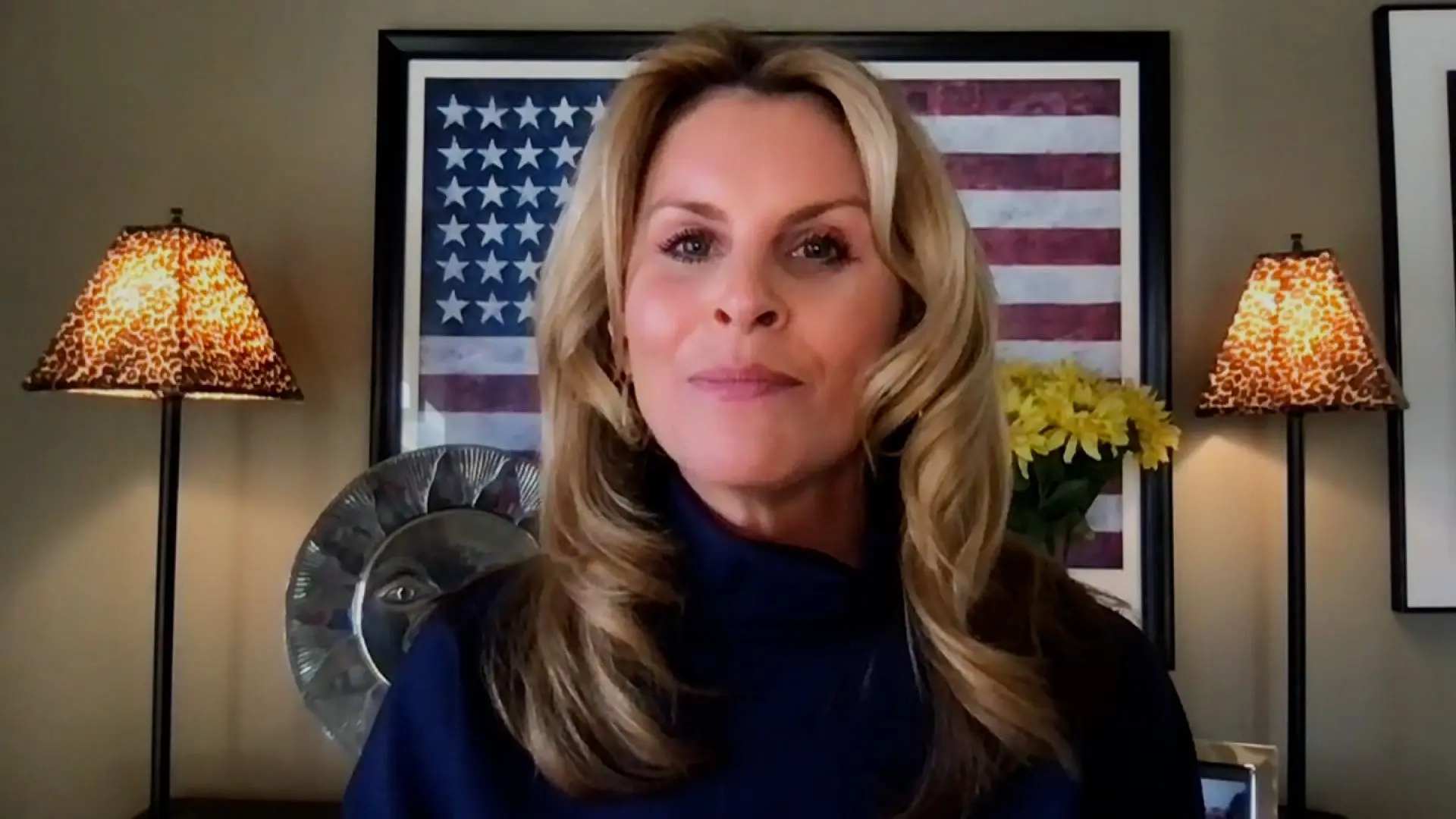
Adrienne Elrod stands as one of the most prominent Democratic strategic communications experts in modern American politics. With over two decades of experience navigating high-stakes political campaigns, presidential transitions, and congressional oversight committees, Elrod has cemented her reputation as a formidable crisis manager and media strategist. As of 2026, her career reflects the evolving landscape of political communication, blending traditional media relations with digital-first advocacy and rapid-response strategy. This comprehensive biography examines her early life, educational background, defining professional milestones, and enduring impact on political discourse.
Early Life and Educational Foundations
Born and raised in Siloam Springs, Arkansas, Adrienne Elrod developed an early interest in public service and political mechanics. Growing up in a family deeply engaged in community affairs, she was exposed to the inner workings of state and local politics from an early age.
She attended the University of Arkansas, where she pursued a Bachelor of Arts degree in Journalism. Her undergraduate years served as a critical training ground, equipping her with the fundamental writing, interviewing, and media production skills that would later define her professional trajectory. During her time in university, Elrod actively participated in campus political organizations and local journalistic endeavors, laying the groundwork for a seamless transition into professional politics immediately following her graduation.
Career Beginnings and Rise in Congressional Communications
Elrod's professional journey in Washington, D.C., began in the late 1990s and early 2000s, where she quickly established herself as a reliable press secretary and communications director for key congressional figures. Her early roles included serving as communications director for various Democratic members of the U.S. House of Representatives.
During these formative years, she mastered the art of narrative framing, constituent communication, and proactive media pitching. She learned how to translate complex legislative packages into digestible, highly targeted messages for local and national media outlets. Her ability to maintain composure under intense media scrutiny earned her the trust of senior party leadership and opened doors to nationwide campaign operations.
Key Campaign Leadership Roles
Elrod’s career is marked by her leadership roles in several high-profile presidential and congressional campaigns. Her strategic acumen has been deployed in some of the most competitive political environments in modern electoral history.
- Hillary Clinton 2016 Presidential Campaign: Serving as Spokesperson and Director of Strategic Communications, Elrod was on the front lines of one of the most intensely covered presidential races in history. She managed daily media operations, coordinated rapid-response efforts, and defended the campaign's platform across major television networks.
- Democratic Congressional Campaign Committee (DCCC): In various leadership and advisory capacities, she has assisted House Democrats in developing messaging frameworks to win competitive swing districts.
- Biden-Harris Administration and Surrogates: In subsequent election cycles, Elrod has continued to advise high-profile Democratic surrogates, helping shape public messaging on critical domestic and foreign policy issues.
Strategic Communication Philosophy and Crisis Management
As a senior communications strategist, Elrod’s methodology centers on proactive agenda-setting and disciplined rapid response. In an era dominated by a 24-hour news cycle and fractured digital ecosystems, her approach emphasizes message discipline and multi-channel distribution.
When navigating high-stakes crises, Elrod adheres to a strict operational framework that prioritizes transparency, speed, and accuracy. The following table illustrates the core components of her crisis management strategy compared to conventional reactive public relations approaches.
| Strategic Dimension | Adrienne Elrod Communications Framework | Conventional Reactive PR |
|---|---|---|
| Response Time | Measured in minutes; rapid-response deployment before a counter-narrative solidifies. | Measured in hours or days; delayed statements while awaiting committee approvals. |
| Channel Focus | Omnichannel integration combining cable news appearances, targeted digital assets, and direct social media engagement. | Heavy reliance on traditional press releases and static wire services. |
| Message Control | Highly disciplined, singular narrative anchor repeated consistently across all surrogate voices. | Fragmented messaging with varying talking points delivered by uncoordinated spokespersons. |
| Audience Targeting | Micro-targeted demographic alignment utilizing real-time polling and social listening metrics. | Broad, generalized messaging aimed at a monolithic mass media audience. |
Media Commentary and Public Presence
Beyond her work behind the scenes, Elrod is widely recognized as a frequent on-air political analyst and commentator. Her ability to articulate complex policy positions with clarity and conviction has made her a staple on major news networks, including CNN, MSNBC, and various digital broadcasting platforms.
As a commentator, she provides viewers with an insider's perspective on legislative battles, executive branch decisions, and electoral forecasting. Her analyses consistently bridge the gap between raw political data and the human-interest narratives that resonate with everyday voters.
Comparative Overview of Career Milestones
To understand the trajectory of Elrod's professional evolution, it is helpful to examine her progression across different operational sectors within political communications.
- Legislative Sector: Focused on constituent relations, committee-level investigations, and localized media placement for individual members of Congress.
- Electoral Sector: Scaled operations to nationwide presidential campaigns, managing hundreds of media professionals and coordinating millions of dollars in earned media strategy.
- Advisory and Media Sector: Transitioned into a multi-platform media commentator and independent strategic consultant, advising corporate clients, political action committees, and non-profit organizations on public affairs.
Pros and Cons of Modern Political Communications Strategy
Elrod’s career offers a clear lens through which to evaluate the broader strengths and vulnerabilities of contemporary political communication strategies.
- Pros:
- Speed and Agility: Modern strategies allow campaigns to counter misinformation in real time across digital platforms.
- Data-Driven Precision: Advanced analytics ensure that messaging reaches precise demographic segments most likely to be persuaded or mobilized.
- Surrogate Amplification: Coordinated messaging networks multiply the reach of a campaign's core narrative exponentially.
- Cons:
- Information Saturation: Audiences often experience message fatigue due to the sheer volume of daily political content.
- Polarization Risks: Rapid-response environments can occasionally reward hyper-partisan framing over nuanced policy discussion.
- Platform Volatility: Heavy reliance on changing social media algorithms and shifting regulatory frameworks creates operational unpredictability.
Frequently Asked Questions
What is Adrienne Elrod's educational background?
Adrienne Elrod graduated from the University of Arkansas with a Bachelor of Arts degree in Journalism, which provided the foundational writing and media skills utilized throughout her career.
What are Adrienne Elrod's primary areas of political expertise?
She specializes in strategic communications, crisis management, political media strategy, and campaign operations for high-profile Democratic candidates and causes.
What role did Adrienne Elrod play in the 2016 presidential election?
She served as a spokesperson and Director of Strategic Communications for Hillary Clinton’s 2016 presidential campaign, managing daily media relations and rapid-response operations.
How does Adrienne Elrod approach modern crisis communications?
Her approach focuses on rapid deployment within minutes, maintaining strict message discipline across all surrogates, and utilizing omnichannel distribution to control the narrative.
Where can viewers regularly see Adrienne Elrod's political commentary?
She frequently appears as a political analyst and commentator on major television news networks such as CNN and MSNBC, discussing current legislative and electoral developments.
Conclusion and Strategic Outlook
Adrienne Elrod remains a pivotal figure in American political communications. Her ability to adapt to shifting media landscapes—from traditional print and cable television to modern digital and social ecosystems—ensures her continued influence in shaping public policy narratives. For organizations, campaigns, and public figures seeking to navigate complex media environments, her career serves as a masterclass in disciplined messaging, strategic resilience, and effective public advocacy.