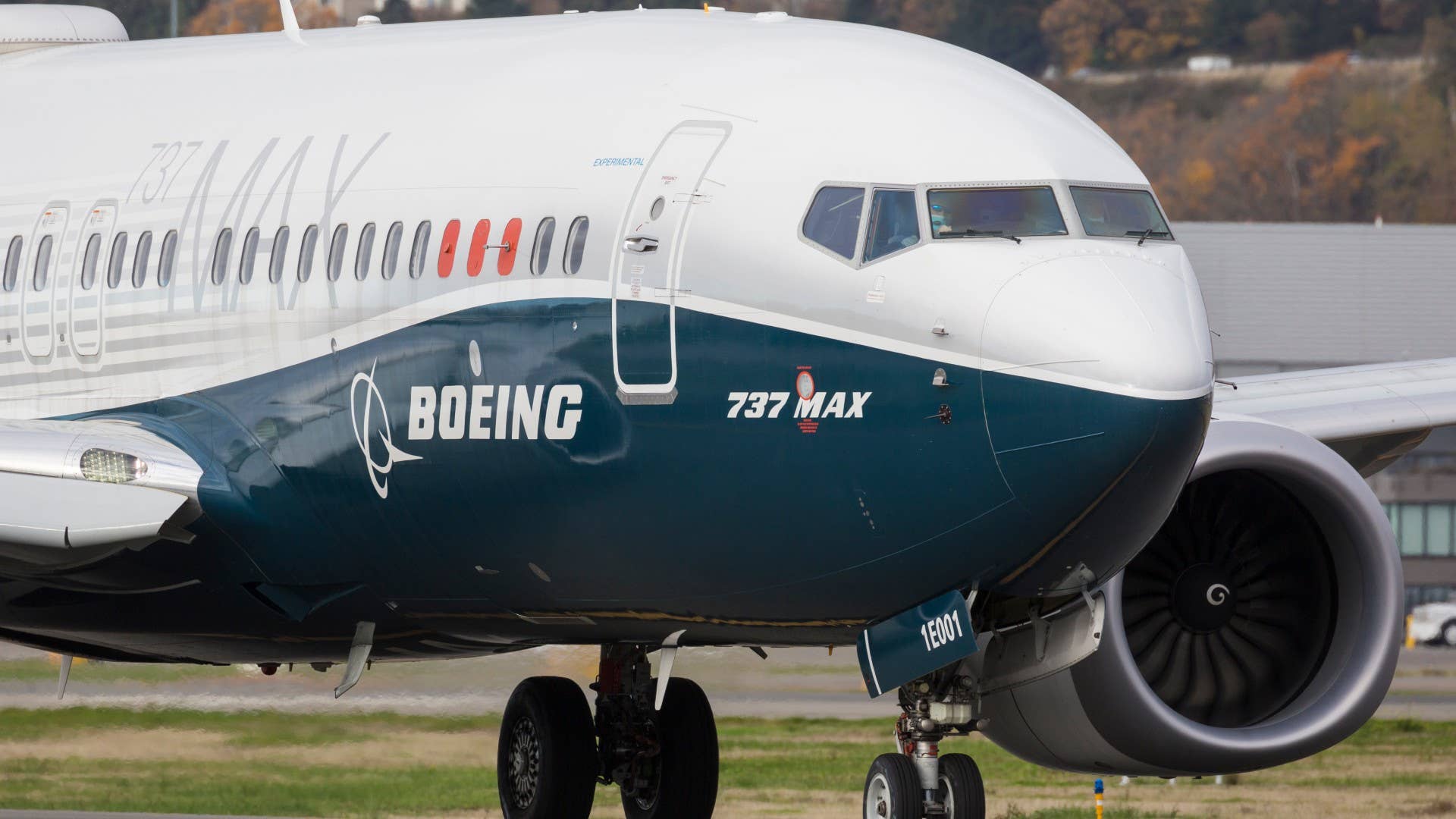
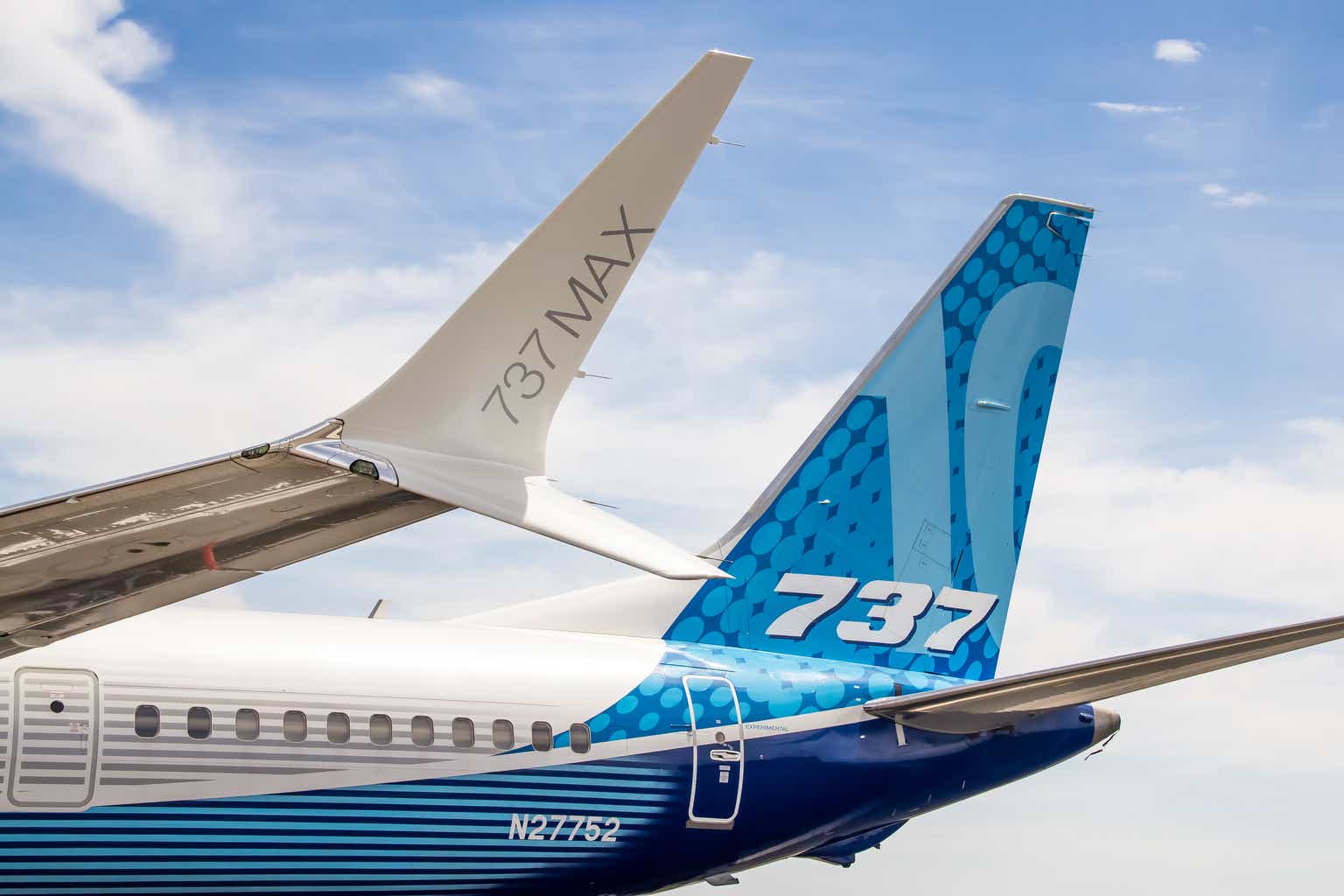
The "737 problem" primarily refers to a complex series of systemic engineering, certification, and quality control challenges associated with the Boeing 737 MAX series. Centered on the Maneuvering Characteristics Augmentation System (MCAS) and subsequent fuselage manufacturing defects, the issue represents a multifaceted crisis involving automated flight control logic, regulatory oversight, and supply chain integrity.
The Genesis of the Boeing 737 MAX Challenges
The narrative surrounding the Boeing 737 MAX began with the pressure to compete in the narrow-body market. By 2011, competitors had introduced more fuel-efficient re-engined aircraft. Boeing opted to update its legacy 737 platform rather than design a clean-sheet aircraft, resulting in the 737 MAX. Because the new, larger engines required a different placement on the wing to maintain ground clearance, the aircraft exhibited different pitch characteristics during high-angle-of-attack maneuvers compared to its predecessors.
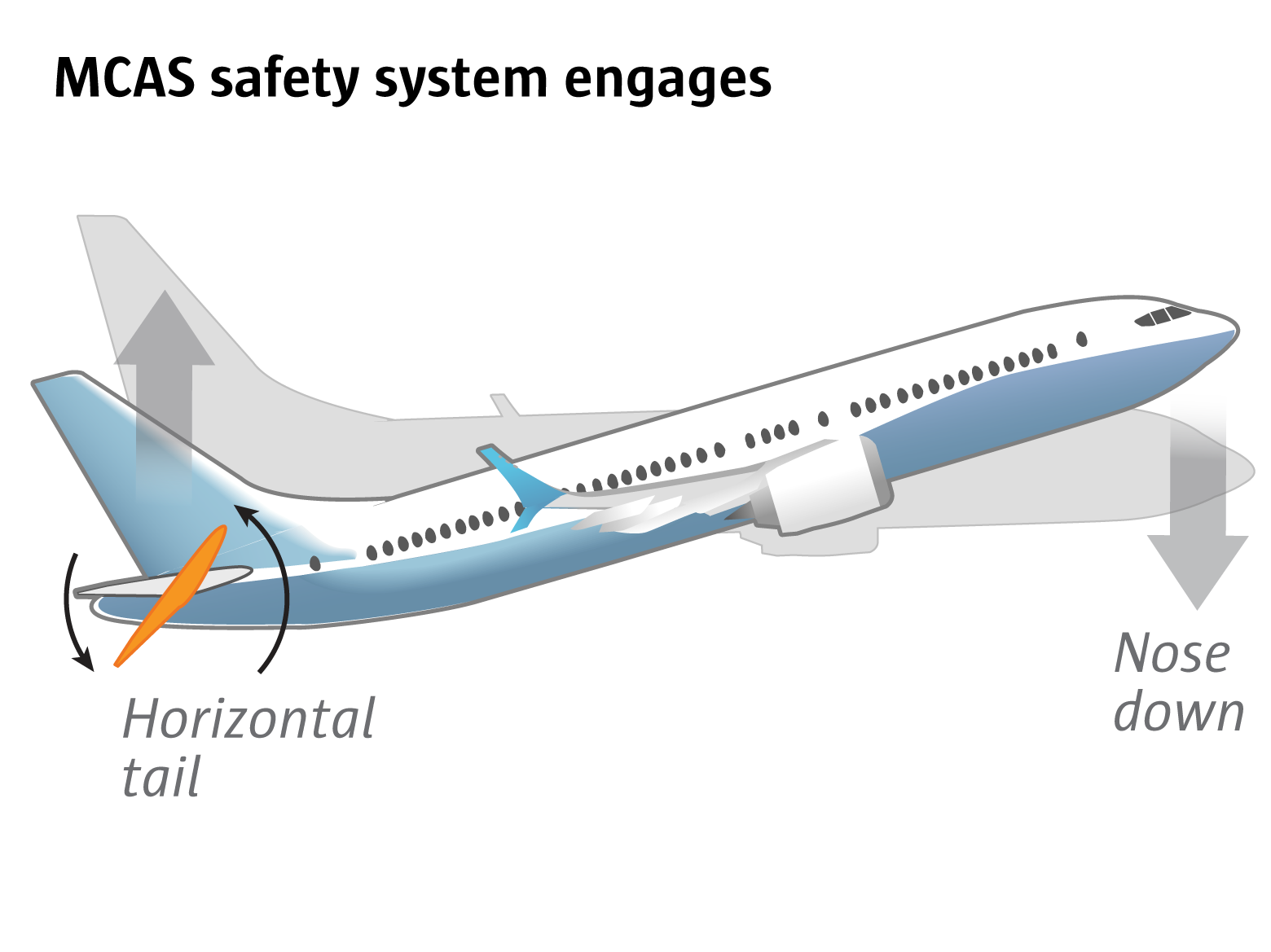
To mimic the handling of previous 737 models and avoid mandatory simulator training for pilots, Boeing introduced the Maneuvering Characteristics Augmentation System (MCAS). This software was designed to automatically push the nose of the aircraft down if sensors indicated a potential stall. The central engineering failure was the reliance on a single Angle of Attack (AoA) sensor input for the MCAS activation, combined with a lack of redundancy and inadequate pilot documentation.
MCAS: Technical Malfunction and Systemic Oversight
The core technical problem with MCAS was its susceptibility to erroneous data. If the single AoA sensor provided a false high reading, the MCAS would repeatedly activate, forcing the aircraft into a nose-down attitude. Unlike previous automated systems, MCAS could override pilot manual inputs, leading to a "tug-of-war" that resulted in catastrophic outcomes in the 2018 and 2019 accidents involving Lion Air Flight 610 and Ethiopian Airlines Flight 302.
Beyond the software architecture, the regulatory environment played a critical role. Under the Organization Designation Authorization (ODA) program, Boeing was empowered to act on behalf of the Federal Aviation Administration (FAA) for certain certification tasks. Critics argue this led to a conflict of interest, where the pressure to meet production timelines potentially prioritized speed over the rigorous scrutiny required for such a fundamental change in aircraft control logic.
Evolution of Manufacturing Quality Control Issues
While the MCAS software was officially patched and validated through extensive re-certification, "the 737 problem" evolved into a broader narrative regarding manufacturing quality. By 2023 and continuing into 2026, the discourse shifted toward the fuselage and structural assembly. Specifically, issues such as improper hole drilling, loose fasteners, and gaps in the pressurized bulkhead raised concerns about the company's "production system health."
These manufacturing discrepancies are distinct from software issues. They involve physical components—often produced by secondary suppliers—that failed to meet internal engineering specifications. This necessitates a transition from identifying singular software "bugs" to auditing entire manufacturing lifecycles, supply chain verification, and the internal culture of quality reporting.
Technical Comparison of 737 Generations
Understanding why the 737 remains a focal point requires acknowledging the iterative nature of the airframe, which has been in production for over five decades.
| Feature | 737 Next Generation (NG) | 737 MAX (Early) | Current Status (2026) |
|---|---|---|---|
| Engine Series | CFM56 | LEAP-1B | Upgraded LEAP-1B |
| Control Logic | Conventional | MCAS-Integrated | MCAS Redundant/Updated |
| AoA Input | N/A | Single Sensor | Dual Sensor Logic |
| Certification | FAA-Led | Delegated (ODA) | Increased FAA Oversight |
| Primary Issue | None systemic | Software Logic | Quality/Supply Chain |
The Human Element: Training and Human-Machine Interface
A critical component of the 737 problem is the Human-Machine Interface (HMI). When automated systems perform "black box" actions without clear cockpit feedback, the pilot’s ability to troubleshoot is severely compromised. Post-2020 updates focused heavily on the "Three Pillars of Safety": transparency, redundancy, and training.
By 2026, the standard for a 737 pilot includes mandatory simulator training that specifically addresses runaway stabilizer conditions. The training philosophy has shifted from assuming the automation will always behave as intended to ensuring pilots have the capacity to recognize, disable, and bypass automated systems in seconds.
Regulatory and Industry-Wide Implications
The repercussions of the 737 issues have reshaped the aviation industry. In 2026, regulators worldwide have moved toward a more hands-on approach. The FAA has shifted away from the broad delegation of certification, opting for direct inspection of new aircraft types. This has resulted in longer certification timelines for all manufacturers, effectively cooling the rapid release cycles that characterized the 2010s.
Furthermore, supply chain transparency has become a primary regulatory demand. Manufacturers are now required to maintain "digital thread" documentation for every part installed on an airframe. This prevents the "lost history" of a component, ensuring that if a defect is identified, the manufacturer can trace every affected aircraft instantly.
Frequently Asked Questions
Is it safe to fly on a 737 MAX in 2026? Yes. The 737 MAX is currently one of the most scrutinized aircraft in history. The software systems have undergone years of rigorous testing, and the aircraft now requires dual-sensor validation for automated pitch control. Modern mandates ensure that any systemic manufacturing defect is identified and remediated before the aircraft enters active service.
What is the difference between the MCAS issue and current fuselage issues? MCAS was an engineering design failure regarding automated flight software logic. Current fuselage issues are mechanical quality control problems related to the physical assembly of the aircraft body, including fastener torque and structural alignment. Both are monitored by enhanced regulatory oversight.
How does a passenger verify the aircraft type before booking? Passengers can identify the aircraft type by checking their booking itinerary or the carrier’s website. While airline schedules can change due to operational needs, the specific equipment (e.g., 737-8 or 737-9) is typically listed. If you have concerns, refer to the most recent safety advisories published by the FAA or EASA.
Who is responsible for the manufacturing quality of 737 parts? Responsibility is shared between the prime manufacturer and their Tier 1 and Tier 2 suppliers. Under current 2026 protocols, the prime manufacturer is legally and operationally liable for the final certification of the aircraft, requiring them to audit and verify every component provided by their supply chain.
What should a traveler do if they are anxious about flying a 737? Anxiety regarding flight safety is often addressed through information. Reviewing the official documentation provided by international aviation authorities regarding the re-certification of the 737 MAX can provide a clearer picture of the redundancies now in place. For specific travel needs, passengers can check if their airline offers the option to switch to a different flight operated by a different aircraft type.
Practical Next Steps for Industry Stakeholders
For those involved in the aviation sector, the current environment necessitates a "quality-first" approach. Maintenance crews and operators should focus on the following:
- Rigorous Inspection Cycles: Adhere to the expanded, factory-recommended inspection intervals that exceed standard minimums.
- Safety Management Systems (SMS): Ensure all personnel are trained in active reporting of "near-misses" or suspected hardware inconsistencies without fear of retribution.
- Data Auditing: Maintain strict, digitally backed records of all component replacements and repairs. This ensures that any future, unforeseen "problem" can be addressed through surgical precision rather than fleet-wide grounding.
The 737 problem has served as a catalyst for a more transparent, safety-focused aviation industry. By prioritizing technical redundancy and manufacturing accountability, the focus has shifted from managing crises to proactively maintaining high-integrity operations.