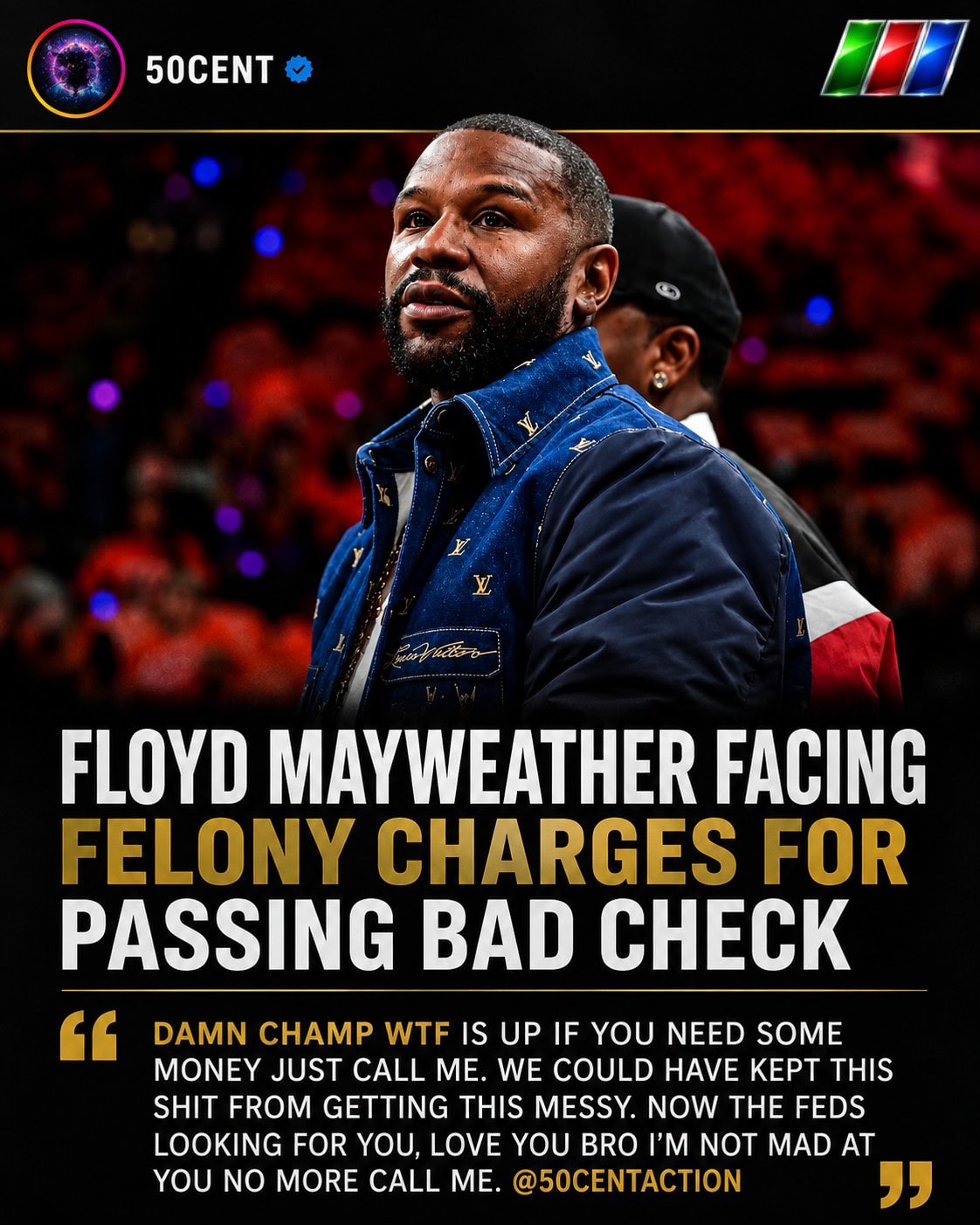
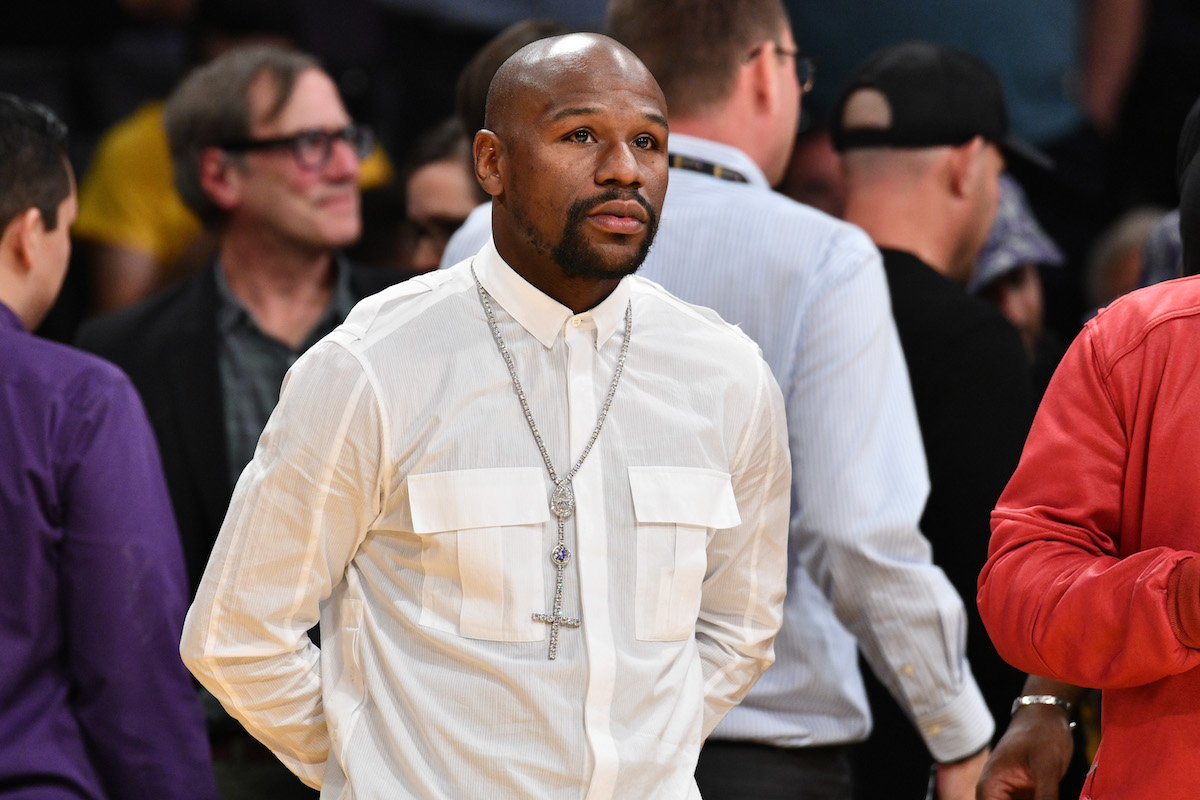
In the viral 2014 "read-off" challenge, 50 Cent publicly questioned Floyd Mayweather’s literacy by offering a $750,000 donation to charity if the boxer could read a full page of a Harry Potter book out loud without stuttering. While Mayweather never participated, the incident remains a definitive moment in celebrity social media warfare, highlighting the transition of personal feuds into high-stakes public spectacles.
The Genesis of the "Read-Off" Challenge
To understand who "won" the challenge, one must first understand the environment in which it was born. In 2014, the "ALS Ice Bucket Challenge" was the dominant social media trend. It involved celebrities dumping ice water on their heads to raise awareness for Amyotrophic Lateral Sclerosis. 50 Cent (Curtis Jackson), known for his aggressive and often humorous social media presence, decided to hijack this trend to target his former friend and business partner, Floyd "Money" Mayweather Jr.
The tension between the two had been simmering for years, stemming from a failed business venture involving "SMS Promotions." When 50 Cent realized the Ice Bucket Challenge provided a perfect platform for a "call-out," he pivoted from the charitable trend to a personal attack. He posted a video to Instagram that would go on to garner millions of views, stating that he would donate $750,000 to any charity of Mayweather's choice if the undefeated boxer could read one full page of a Harry Potter book.
The choice of Harry Potter was specific and pointed. 50 Cent initially suggested the book because of its complexity and vocabulary, implying that Mayweather lacked the reading level necessary for such a task. He later mockingly lowered the stakes, suggesting he would allow Mayweather to read The Cat in the Hat instead, further heightening the insult.
The Evidence: The Power 105.1 Audio Leak
The fuel for 50 Cent’s fire came from an audio leak that surfaced shortly before the challenge. The radio show The Breakfast Club on Power 105.1 aired unedited audio of Mayweather attempting to read a "drop"—a short promotional script used for radio transitions. In the audio, Mayweather appeared to struggle with several words, leading to long pauses and multiple takes.
This leak gave 50 Cent the "proof" he needed to launch a public campaign. For the rapper, this wasn't just a prank; it was a calculated strike at Mayweather's image. Mayweather had spent his entire career cultivating the persona of "The Best Ever" (TBE), a man who was perfect in the ring and a genius in business. By attacking his basic literacy, 50 Cent aimed to dismantle the idea that Mayweather was a flawless "mastermind."
Analyzing the "Winner" Through Different Lenses
Determining who "won" this challenge requires looking at three distinct categories: social media engagement, financial optics, and long-term reputation.
1. The Social Media "Win"
In terms of digital engagement and cultural impact, 50 Cent was the clear winner. His video became a template for celebrity "trolling." He used the mechanics of viral challenges to force a response from an opponent. The challenge dominated the news cycle for weeks, and the phrase "read-off" became synonymous with the feud. 50 Cent effectively used his platform to frame the narrative, making Mayweather the "defendant" in the court of public opinion.
2. The Financial "Win"
Mayweather’s response to the challenge was characteristic of his "Money" persona. Rather than addressing the literacy claims or attempting to read, he posted photos of two massive checks from his recent fights, totaling nearly $73 million. His caption was succinct: "Read this."
In Mayweather’s view, financial success is the ultimate metric of intelligence and capability. By showing that he earned more in 72 minutes of boxing than most people earn in a lifetime, he argued that his "reading level" was irrelevant to his success. For his fan base, this was a dominant win—he "out-flexed" the challenger.
3. The Moral and Intellectual "Win"
This is where the challenge becomes more nuanced. Public reaction was split. While many found 50 Cent’s trolling hilarious, others viewed it as "literacy shaming," which carries a heavy social stigma. Critics argued that attacking someone’s education—especially a professional athlete who dedicated his life to a physical craft—was a low blow. In this sense, neither party truly "won." 50 Cent appeared as a bully to some, while Mayweather’s refusal to participate (even for charity) was seen as a missed opportunity to silence his critics.
Comparative Overview: 50 Cent vs. Floyd Mayweather (The 2014 Conflict)
The following table summarizes the key metrics of the two icons during the height of this specific conflict.
| Feature | 50 Cent (The Challenger) | Floyd Mayweather (The Respondent) |
|---|---|---|
| Primary Tactic | Satire and Viral Video Challenges | Financial Displays and Performance Stats |
| Charitable Offer | $750,000 to Charity | None (Dismissed the challenge) |
| Public Sentiment | Viewed as the "Troll Master" | Viewed as the "Business Powerhouse" |
| Media Proof | Power 105.1 Audio Leak | Fight Purses and Pay-Per-View Records |
| Cultural Impact | Created a lasting meme format | Reaffirmed the "Money" brand |
| Core Argument | "You can't read." | "I can count better than you can read." |
The Psychology of the Feud: Why It Resonated
The "read-off" challenge resonated because it tapped into deep-seated cultural hierarchies. In Western society, literacy is often equated with general intelligence and worth. By challenging a high-profile Black athlete on this specific skill, 50 Cent tapped into a sensitive area of public discourse.
Furthermore, the feud was a battle between two different types of "hustle." 50 Cent represents the "General"—a man who transitioned from the streets to rap to high-level corporate boardrooms (e.g., Vitamin Water). Mayweather represents the "Specialist"—the greatest practitioner of his specific craft who built a billion-dollar empire around his physical dominance.
The challenge was an attempt to bridge those two worlds. 50 Cent was essentially saying, "You are a great boxer, but you aren't an 'intellectual' peer." Mayweather’s response was, "I don't need to be an intellectual in your eyes because the bank says I'm the winner."
Long-term Legacy and Where They Stand in 2026
Fast forward to 2026, and the "read-off" challenge is still cited in marketing textbooks and social media seminars as a case study in Reputation Management.
Mayweather has continued his transition into a promotional mogul, frequently appearing in exhibition matches and expanding his real estate portfolio. While the questions about his literacy occasionally resurface in comment sections, they have done little to diminish his status as a sports legend.
50 Cent has solidified his role as a television powerhouse, producing multiple hit series under his G-Unit Film & Television banner. His ability to use social media as a weapon has become a core part of his brand. Interestingly, the two have moved in and out of "friendship" since 2014, with periods of reconciliation followed by new rounds of digital sparring. The "read-off" remains the peak of their public animosity, a moment where the lines between entertainment, bullying, and charity became blurred.
The Role of Jimmy Kimmel and the "Late Night" Amplification
A major turning point in the challenge occurred when late-night host Jimmy Kimmel offered to host the "read-off" on his show. This moved the conflict from Instagram into the mainstream media infrastructure. Kimmel’s involvement added a layer of legitimacy to the $750,000 offer.
50 Cent’s willingness to go on a major network and provide the platform for Mayweather to prove him wrong put the ball firmly in the boxer's court. When Mayweather declined, it allowed the "illiterate" narrative to persist, as he chose not to utilize a neutral, high-profile platform to debunk the claims. This strategic silence was interpreted by many as a "tactical retreat," giving 50 Cent the "technical knockout" in the PR battle.
Common Mistakes in Analyzing This Feud
When discussing the 50 Cent/Mayweather challenge, many people fall into certain traps or misinterpret the facts:
- Assuming the $750,000 was fake: 50 Cent was at a point in his career where $750,000 was a manageable marketing expense. There is no evidence to suggest the money wouldn't have been paid to a charity like the ALS Association.
- Believing they are permanent enemies: The "beef" between these two is often a mix of genuine grievance and promotional theater. Both men understand that conflict drives engagement.
- Ignoring the TMT/SMS context: Without the context of the split of "The Money Team" (TMT) and the formation of SMS Promotions, the challenge seems like a random act of bullying. In reality, it was part of a broader corporate divorce.
Frequently Asked Questions
Did Floyd Mayweather ever actually read the page?
No, Floyd Mayweather never accepted the challenge or attempted to read the Harry Potter page publicly. He chose to ignore the specific request and instead focused on his financial achievements and boxing record. He essentially bypassed the "test" by claiming that his wealth was proof enough of his capabilities.
What book did 50 Cent want him to read?
Originally, 50 Cent challenged Mayweather to read a full page of a Harry Potter book. After mocking him, he later updated the challenge to The Cat in the Hat by Dr. Seuss, implying that a children's book would be more suited to Mayweather’s supposed reading level.
Was the audio of Mayweather struggling to read real?
The audio aired by The Breakfast Club (Power 105.1) was unedited footage from a promotional session. While it showed Mayweather struggling with specific sentences, it is important to note that many people—including professional speakers—can struggle with "cold reads" of scripts. However, the leak was highly effective in supporting 50 Cent’s narrative.
Did 50 Cent donate the money anyway?
There is no public record of the $750,000 being donated specifically in relation to this challenge, as the condition (Mayweather reading) was never met. 50 Cent has, however, been involved in numerous other charitable endeavors through his G-Unity Foundation over the years.
Are 50 Cent and Floyd Mayweather friends now in 2026?
Their relationship has been famously "on-and-off." While they have had periods of public reconciliation where they praised each other’s business acumen, they frequently revert to "trolling" one another on social media. As of 2026, they are best described as "frenemies"—two titans who respect each other's success but cannot resist the urge to compete for public attention.
Final Recommendation for Observers
For those analyzing the "read-off" as a cultural event, the best approach is to view it as a clash of branding strategies. If you value social media dominance and the ability to control a narrative, 50 Cent won. If you value financial results and the refusal to be baited into an opponent's game, Mayweather won.
In the digital age, the "winner" is often whoever gets the last word, but in this case, the lasting impact was the lesson in how quickly a personal disagreement can become a global conversation. When engaging in or observing public "challenges," always look for the underlying business motivations—rarely are these events purely about the task at hand.